As organizations grow and facilities become more complex, managing who can enter specific areas has become a critical security challenge. Traditional access methods like physical keys, lock-and-key systems, and manual logbooks often fall short in terms of security, efficiency, and scalability. This has led many businesses, institutions, and residential facilities to adopt modern access control solutions.
RFID (Radio Frequency Identification) access control systems offer a secure, contactless, and centrally managed way to control entry and exit across locations. These systems are now widely used in offices, hospitals, schools, factories, and residential complexes due to their reliability and ease of use. This blog explains what RFID access control systems are and explores the 10 key benefits that make them a preferred choice for modern access management.
What Is an RFID Access Control System?
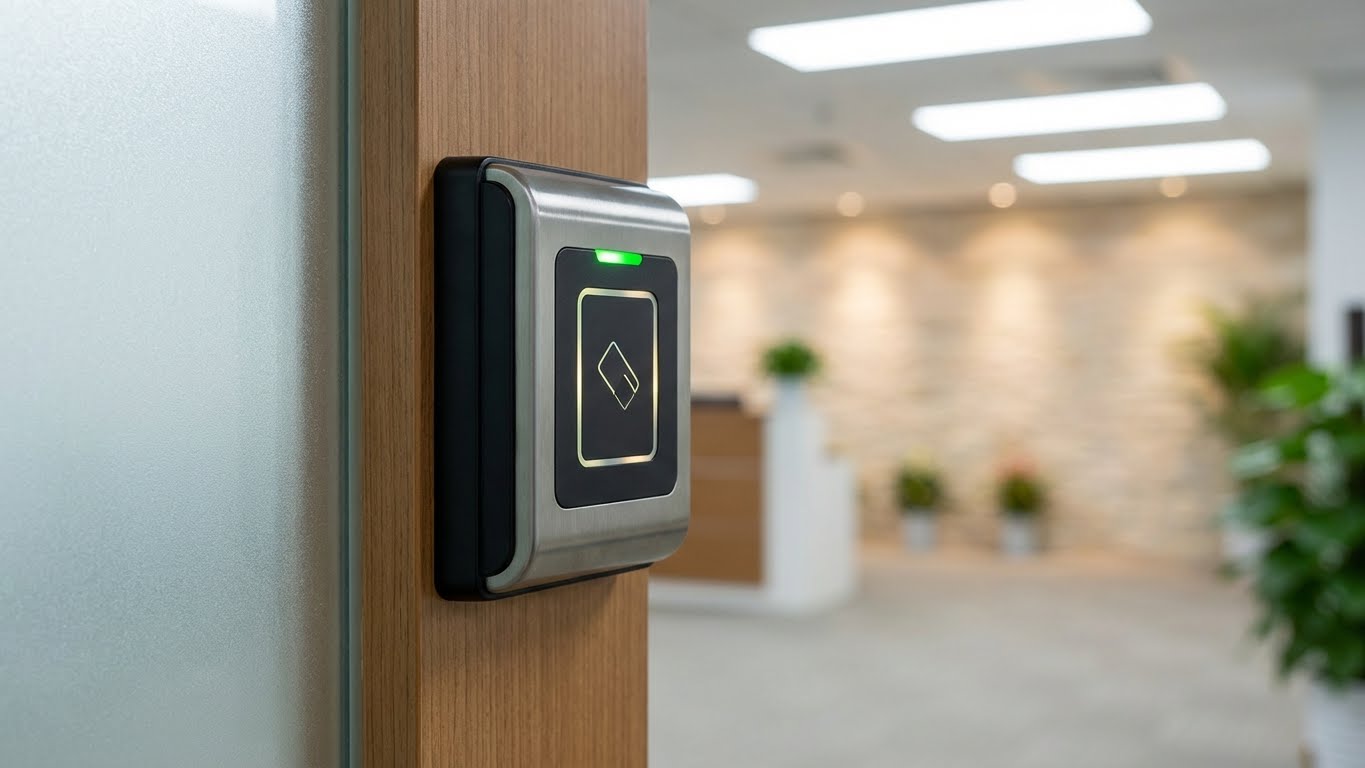
An RFID access control system is a security solution that uses radio waves to identify and authenticate users before granting access to a secured area. Instead of using physical keys, users are issued RFID credentials such as cards, key fobs, or badges.
An RFID system works by reading data stored on an RFID tag when it comes within range of a reader. The reader sends this information to a control system, which verifies whether the user has permission to enter. If the credentials are valid, access is granted.
Key elements of an RFID access control system include:
- RFID tags or cards assigned to users
- RFID readers installed at access points
- Access control software for permission management
- Door controllers and electronic locks
Compared to traditional access methods, RFID systems provide better security control, easier management, and detailed access records.
Why Businesses Are Moving Toward RFID-Based Access Control
Organizations are increasingly shifting toward RFID-based access control due to rising security concerns and the need for more efficient operations. As workplaces become larger and more dynamic, manual systems become difficult to manage.
Key reasons for this shift include:
- Increased focus on workplace security and data protection
- Demand for contactless solutions in shared environments
- Need for centralized control across multiple locations
- Requirement for scalable systems that grow with the organization
RFID access control addresses these needs by offering automation, flexibility, and real-time control.
1. Enhanced Security
Enhanced security is one of the most important benefits of RFID access control systems. Unlike physical keys, RFID credentials are uniquely encoded and linked to individual users.
RFID systems improve security by:
- Preventing unauthorized duplication of access credentials
- Allowing instant deactivation of lost or stolen cards
- Enabling restricted access to sensitive areas
- Supporting role-based access permissions
This level of control significantly reduces the risk of unauthorized entry and security breaches.
2. Contactless and Convenient Access

RFID access control systems provide a contactless entry experience, making access quick and convenient for users. Employees and visitors can gain entry by simply tapping or bringing their card close to a reader.
Key advantages of contactless access include:
- Faster entry and exit, reducing congestion
- Improved hygiene due to minimal physical contact
- Ease of use for all users
- Reduced wear on access hardware
This makes RFID systems especially suitable for high-traffic environments.
3. Improved Access Control Management

Managing access permissions becomes much simpler with RFID systems. All user access rights can be controlled from a central dashboard.
This improves access management by:
- Allowing quick updates to user permissions
- Enabling remote access control changes
- Providing real-time visibility into access activity
- Reducing dependency on manual processes
As a result, security teams and administrators can manage access more efficiently and accurately.
4. Scalability for Growing Organizations
RFID access control systems are designed to scale easily as organizations grow. Whether adding new employees, departments, or locations, the system can adapt without major changes.
Scalability benefits include:
- Easy addition of new users and credentials
- Support for multiple doors and access points
- Compatibility with multi-location setups
- Minimal disruption during expansion
This makes RFID systems suitable for both small businesses and large enterprises.
5. Accurate Access Tracking and Audit Trails
RFID systems automatically record every access event, creating a detailed audit trail. This data can be used for security reviews, compliance checks, and internal investigations.
Access tracking benefits include:
- Precise logs of entry and exit times
- Monitoring of movement within facilities
- Improved accountability among users
- Support for audits and compliance requirements
These records help organizations maintain transparency and control.
6. Integration with Other Security Systems
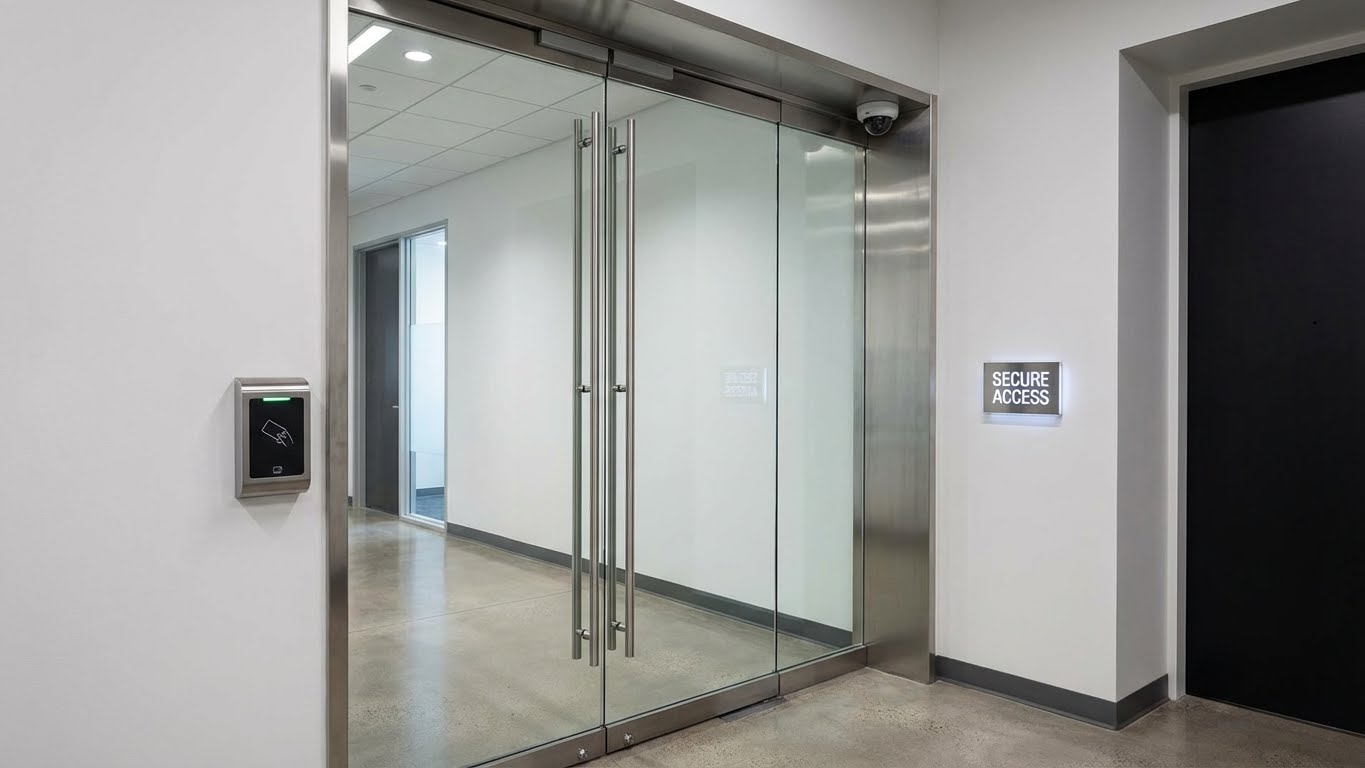
RFID access control systems can integrate with other security technologies to create a comprehensive security setup. This allows organizations to manage multiple systems from a unified platform.
Common integrations include:
- CCTV and video surveillance systems
- Alarm and intrusion detection systems
- Biometric authentication systems
- Visitor management solutions
Integrated security enhances overall protection and simplifies system management.
7. Cost-Effective in the Long Run
While RFID systems may involve an initial setup cost, they are cost-effective over time. They reduce expenses related to key replacement, lock changes, and manual administration.
Long-term cost benefits include:
- Lower maintenance compared to mechanical locks
- Reduced costs from lost or stolen keys
- Decreased administrative workload
- Improved return on investment through efficiency
This makes RFID access control a financially practical solution in the long run.
8. Customizable Access Permissions
RFID systems allow organizations to customize access permissions based on roles, time, and location. This ensures users only access areas relevant to their responsibilities.
Customization options include:
- Time-based access for shifts or working hours
- Zone-based access for restricted areas
- Temporary access for visitors or contractors
- Role-based permissions for different departments
This flexibility supports strong security policies without limiting productivity.
9. Increased Operational Efficiency
By automating access control, RFID systems improve daily operations and reduce delays. Employees can move freely without manual checks or approvals.
Operational efficiency improves through:
- Faster access during peak hours
- Reduced need for security personnel at entry points
- Streamlined visitor handling
- Improved workflow across departments
This contributes to a smoother and more productive work environment.
10. Supports Compliance and Safety Requirements
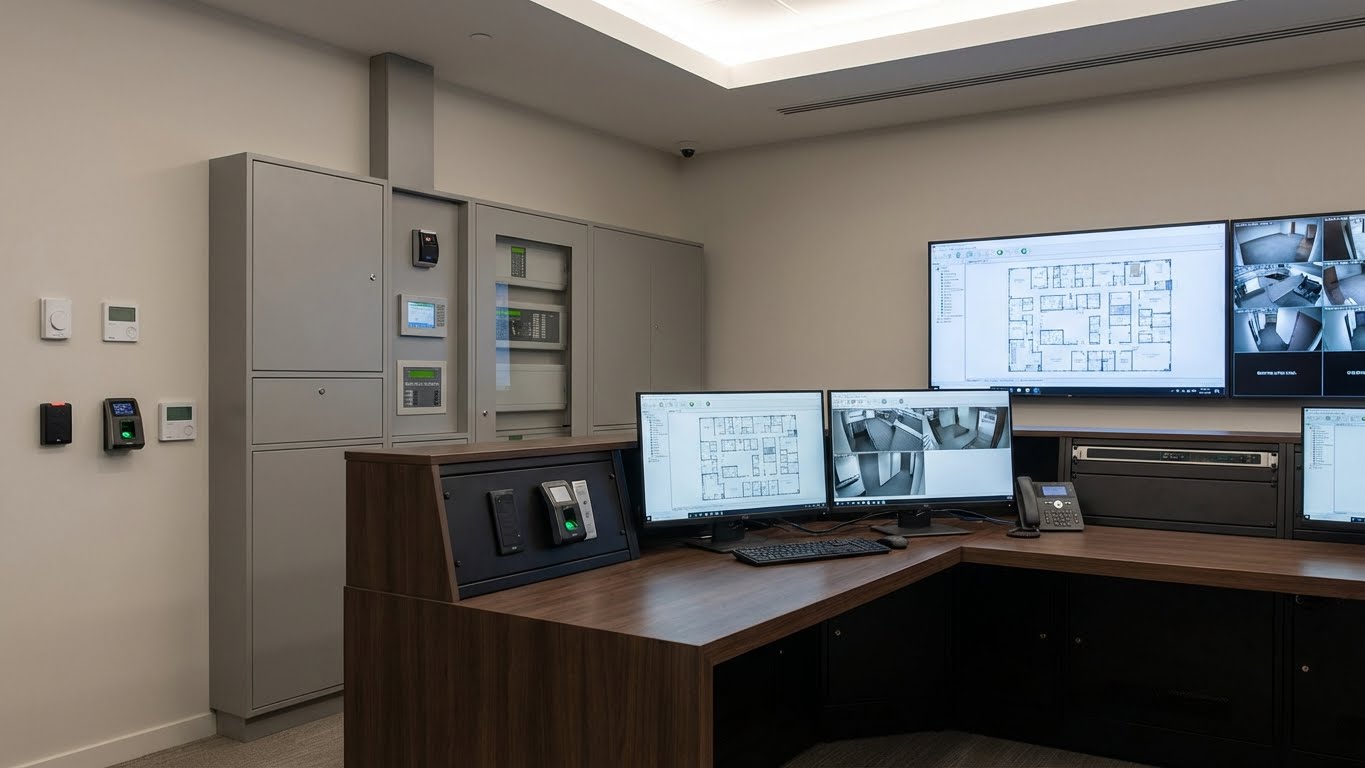
Many industries must comply with security and safety regulations. RFID access control systems help organizations meet these requirements through controlled access and detailed records.
Compliance and safety benefits include:
- Controlled access to regulated or hazardous areas
- Emergency lockdown and restricted access features
- Documented access history for compliance reviews
- Improved safety management in critical environments
These features are especially valuable in healthcare, manufacturing, and corporate settings.
Common Use Cases of RFID Access Control Systems
RFID access control systems are widely used across different industries and environments due to their flexibility and reliability.
Common use cases include:
- Corporate offices and business parks
- Hospitals and healthcare facilities
- Educational institutions and campuses
- Manufacturing plants and warehouses
- Residential complexes and gated communities
Each use case benefits from secure, centralized, and efficient access management.
RFID Access Control vs. Traditional Access Systems
When compared to traditional access systems, RFID access control offers clear advantages in terms of security and management.
Key differences include:
- Stronger security through unique credentials
- Easier access management via centralized systems
- Better scalability for growing organizations
- Lower long-term operational costs
Traditional systems often lack flexibility and detailed tracking, making RFID a more modern solution.
Key Factors to Consider Before Implementing RFID Access Control
Before implementing an RFID access control system, organizations should evaluate their specific needs and requirements.
Important factors to consider include:
- Type of RFID technology suitable for the facility
- Integration requirements with existing systems
- Level of security needed for different areas
- Budget constraints and future scalability
Careful planning ensures successful implementation and long-term value.
Conclusion
RFID access control systems provide a secure, efficient, and scalable solution for managing access in modern facilities. From enhanced security and contactless convenience to detailed access tracking and compliance support, the benefits are clear and well-documented.
By understanding the 10 key benefits outlined in this blog, organizations can make informed decisions about adopting RFID access control. As security needs continue to evolve, RFID systems stand out as a future-ready approach to access management.