Digital onboarding has become a core business process rather than a support function. As customers, employees, and partners expect faster and smoother digital experiences, organizations are rethinking how they bring people into their systems. Manual onboarding methods that rely on paperwork, emails, and repeated follow-ups are no longer practical in a digital-first world. Digital onboarding is transforming how businesses operate by making onboarding faster, more secure, and more consistent across channels. It is now a key driver of efficiency, compliance, and user satisfaction.
What Is Digital Onboarding?

Digital onboarding is the process of onboarding customers, employees, or partners using digital tools and platforms instead of manual or paper-based methods. It enables businesses to collect information, verify identities, and guide users through onboarding steps in a structured and automated way.
Traditional onboarding often involves physical documents, manual data entry, and multiple handoffs between teams. Digital onboarding replaces these steps with online forms, automated workflows, and real-time verification, reducing delays and errors.
Key elements involved in a digital onboarding process include:
- Digital data capture through online forms and portals
- Automated identity and document verification
- Workflow-driven approvals and validations
- Secure storage and management of onboarding data
Why Businesses Are Moving Toward Digital Onboarding
Businesses are shifting toward digital onboarding because traditional onboarding methods struggle to meet modern expectations. Customers and employees expect speed, convenience, and transparency from the very first interaction.
Several factors are driving this transition:
- Growing demand for remote and contactless onboarding experiences
- Increased competition that makes first impressions critical
- Need to reduce operational costs and manual effort
- Requirement to meet regulatory and compliance standards efficiently
Digital onboarding allows businesses to standardize onboarding processes while still adapting to different user needs and regulatory environments.
Key Components of Digital Onboarding

A successful digital onboarding system is built on multiple interconnected components that work together to create a seamless experience.
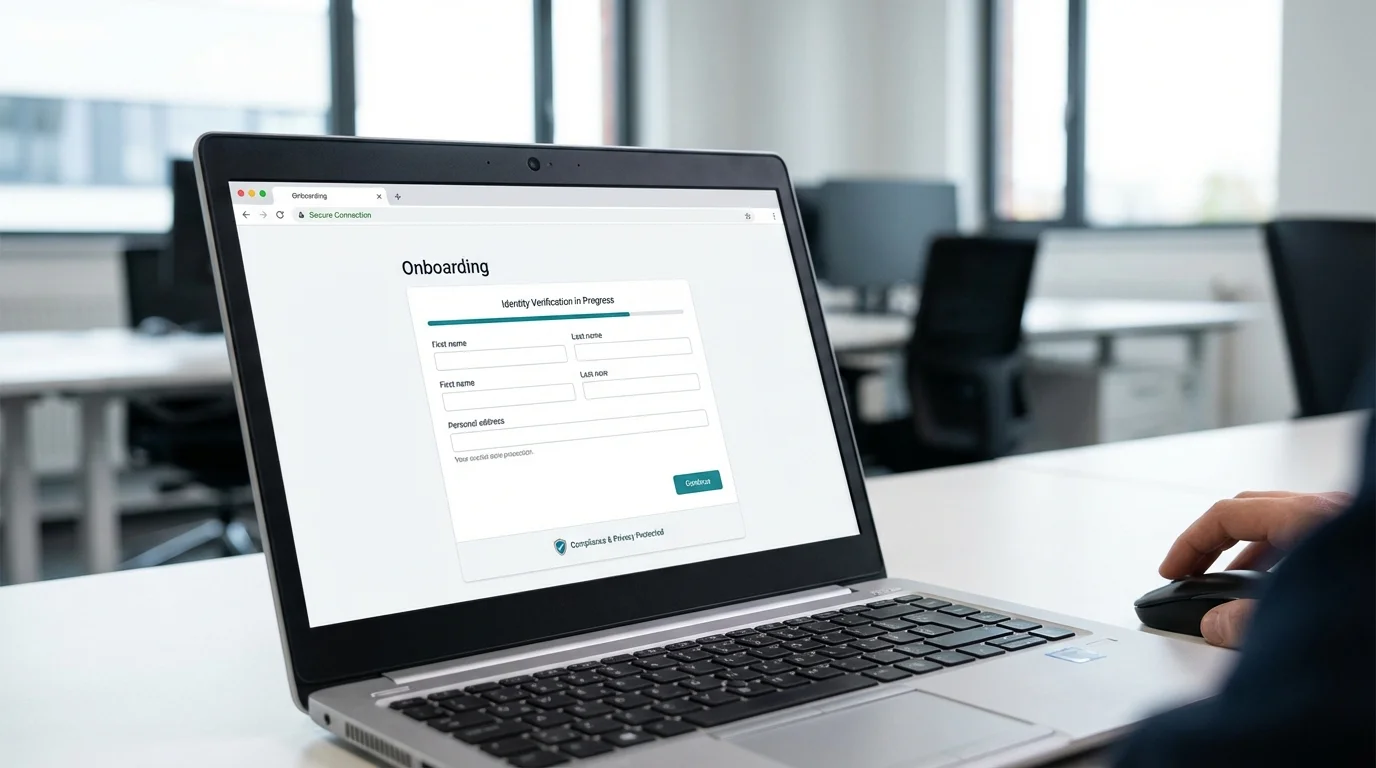
Identity verification and authentication ensure that the person being onboarded is genuine and authorized. This reduces fraud risks and supports compliance requirements.
Data collection and document submission enable users to upload and submit required information digitally, minimizing errors and rework.
Workflow automation and approvals help route onboarding tasks to the right teams automatically, ensuring faster completion and better accountability.
User guidance and interactive onboarding experiences provide step-by-step instructions, reducing confusion and drop-offs during the onboarding journey.
Integration with existing business systems ensures that onboarding data flows seamlessly into HR, CRM, ERP, or compliance platforms without manual intervention.
How Digital Onboarding Is Revolutionizing Businesses
Faster Onboarding Processes
Digital onboarding significantly reduces the time required to onboard users by eliminating manual steps and delays. Automated checks and real-time validations allow businesses to complete onboarding in minutes instead of days.
Key improvements include:
- Instant data validation and verification
- Reduced dependency on manual approvals
- Faster turnaround times for onboarding completion
Improved Customer and Employee Experience
A smooth onboarding experience sets the tone for long-term engagement. Digital onboarding offers intuitive interfaces and clear guidance, making the process less stressful for users.
Benefits include:
- Fewer errors and repeated submissions
- Clear visibility into onboarding progress
- Consistent experience across devices and locations
Increased Operational Efficiency
Automation plays a major role in improving internal efficiency. Teams spend less time on repetitive tasks and more time on high-value activities.
Operational advantages include:
- Reduced administrative workload
- Lower onboarding costs per user
- Improved accuracy and data consistency
Enhanced Compliance and Security
Digital onboarding systems are designed to support compliance by embedding checks and audit trails into the process. This ensures that regulatory requirements are met without slowing down operations.
Security and compliance benefits include:
- Automated compliance validations
- Secure handling of sensitive information
- Detailed logs for audits and reviews
Better Scalability for Growing Businesses
As businesses grow, onboarding volumes increase. Digital onboarding allows organizations to scale without proportionally increasing resources.
Scalability advantages include:
- Ability to onboard large numbers of users simultaneously
- Standardized onboarding processes across regions
- Faster expansion into new markets
Industry Use Cases of Digital Onboarding
Banking and Financial Services
In banking and financial services, digital onboarding streamlines customer onboarding while meeting strict regulatory requirements. It enables faster account opening and reduces manual verification efforts.
Common applications include:
- Customer onboarding and KYC processes
- Digital account and loan application onboarding
Human Resources and Talent Management
HR teams use digital onboarding to simplify employee onboarding and ensure compliance from day one. It improves the new hire experience while reducing HR workload.
Use cases include:
- Employee document submission and verification
- Policy acknowledgments and onboarding workflows
Healthcare
Healthcare organizations rely on digital onboarding to manage patient data securely and efficiently. It improves accuracy and reduces waiting times.
Typical use cases include:
- Patient registration and intake
- Digital consent and data collection
E-commerce and SaaS
For e-commerce and SaaS businesses, onboarding directly impacts user activation and retention. Digital onboarding ensures users can start using services quickly.
Key applications include:
- User account setup and verification
- Subscription activation and service onboarding
Benefits of Digital Onboarding for Businesses

Digital onboarding delivers measurable benefits across business functions by improving speed, accuracy, and user satisfaction.
Key benefits include:
- Reduced onboarding time and costs
- Higher user conversion and retention
- Improved data accuracy and quality
- Stronger compliance management
Challenges in Implementing Digital Onboarding
Despite its advantages, implementing digital onboarding comes with challenges that businesses must address carefully.
Common challenges include:
- Integrating digital onboarding with legacy systems
- Ensuring data privacy and security
- Managing user adoption and internal change
- Navigating regulatory and compliance requirements
Addressing these challenges requires proper planning, stakeholder alignment, and continuous improvement.
Best Practices for Successful Digital Onboarding
To maximize the impact of digital onboarding, businesses should follow proven best practices.
Important practices include:
- Designing onboarding journeys around user needs
- Embedding compliance and security from the beginning
- Balancing automation with personalization
- Regularly monitoring and optimizing onboarding performance
Conclusion
Digital onboarding is revolutionizing businesses by transforming how they welcome customers, employees, and partners. It replaces slow, manual processes with efficient, secure, and scalable digital experiences. Organizations that invest in digital onboarding are better positioned to improve operational efficiency, meet compliance requirements, and deliver positive first impressions. As digital expectations continue to rise, digital onboarding is no longer optional but a strategic necessity for modern businesses.
Frequently Asked Questions (FAQs)
1. What is digital onboarding in simple terms?
Digital onboarding is the process of onboarding customers, employees, or users using online tools instead of paper-based or manual methods. It allows businesses to collect information, verify identities, and complete onboarding steps digitally, making the process faster and more efficient.
2. How is digital onboarding different from traditional onboarding?
Traditional onboarding relies on physical documents, manual data entry, and in-person interactions. Digital onboarding uses automated workflows, online forms, and digital verification, which reduces processing time, errors, and operational costs.
3. Which businesses can benefit from digital onboarding?
Digital onboarding is useful for businesses of all sizes and industries. It is widely used in banking, financial services, healthcare, human resources, e-commerce, and SaaS, but any organization that regularly onboards customers or employees can benefit from it.
4. Does digital onboarding improve customer and employee experience?
Yes, digital onboarding improves experience by offering a smoother and more transparent process. Users can complete onboarding at their convenience, face fewer errors, and receive clear guidance throughout the process.
5. Is digital onboarding secure?
Digital onboarding systems are designed with security in mind. They include secure data handling, access controls, and compliance checks that help protect sensitive information and reduce the risk of fraud.
6. How does digital onboarding support compliance requirements?
Digital onboarding supports compliance by embedding verification steps, approvals, and audit trails directly into the onboarding process. This helps businesses meet regulatory requirements without relying on manual checks.