Digital security threats have grown more advanced, frequent, and damaging over the last decade. Passwords, PINs, and one-time passwords were designed for a simpler digital world where attackers relied mainly on guessing or brute force. Today, cybercriminals use phishing, malware, credential stuffing, and social engineering to bypass these traditional defenses with alarming ease. Even strong passwords can be stolen, reused, or shared, making them unreliable as a sole line of defense.
As users move across multiple devices and platforms, security systems also struggle to distinguish between legitimate users and attackers who possess valid credentials. This has created a gap between security and usability, where stronger protection often leads to more friction for genuine users. Behavioral biometrics has emerged as a solution to this challenge by focusing on how users interact with systems rather than what they know or what they physically possess. By continuously analyzing behavior, it offers a more adaptive and resilient approach to modern security.
What Are Behavioral Biometrics?
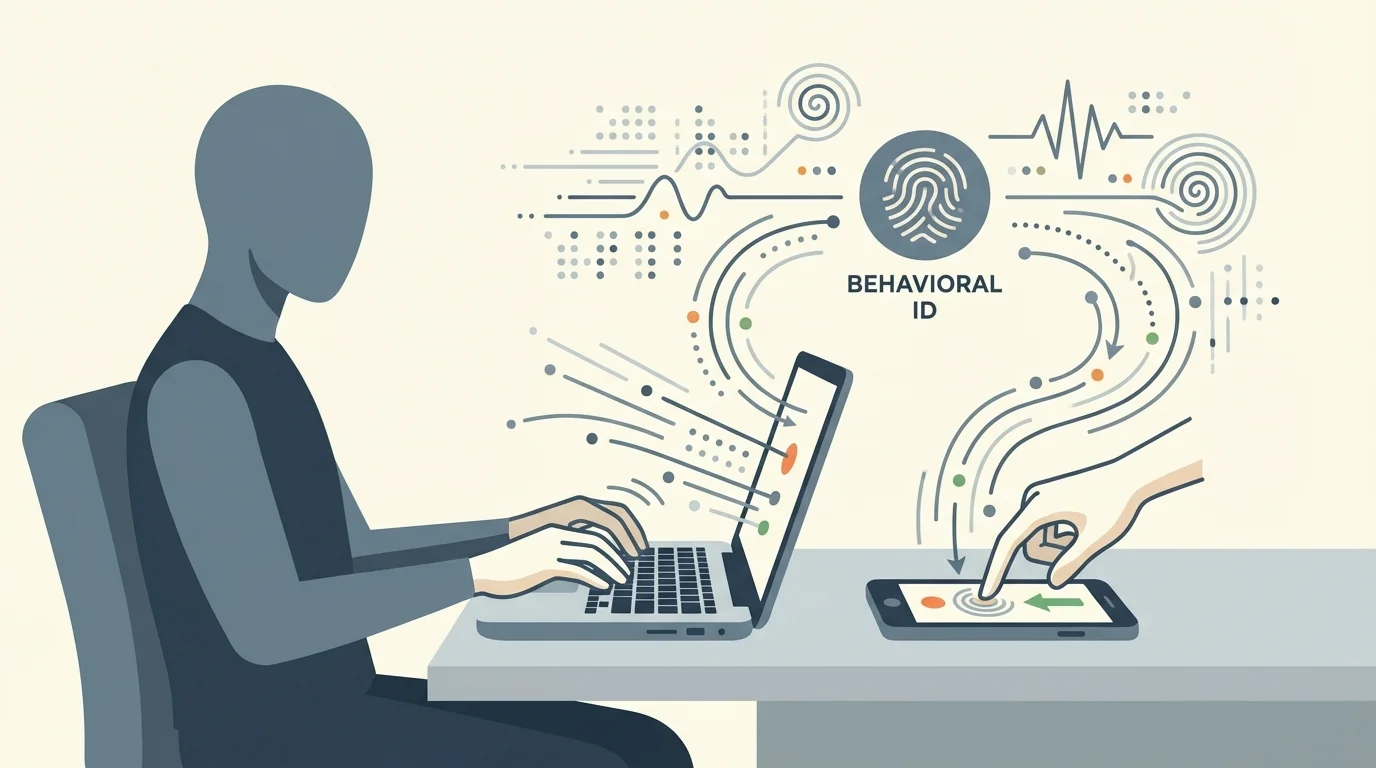
Behavioral biometrics is a security method that identifies and verifies users based on their unique patterns of behavior while interacting with digital systems. Instead of relying on static credentials like passwords or physical traits like fingerprints, it observes how a person types, moves a mouse, swipes a screen, or navigates through an application.
Every individual develops consistent behavioral patterns over time. These patterns are difficult for attackers to replicate, even if they have stolen login credentials. Behavioral biometrics works silently in the background, collecting data during normal usage without requiring additional actions from the user. This makes it especially valuable for detecting unauthorized access during an active session rather than only at the point of login.
Types of Behavioral Biometrics
Keystroke Dynamics
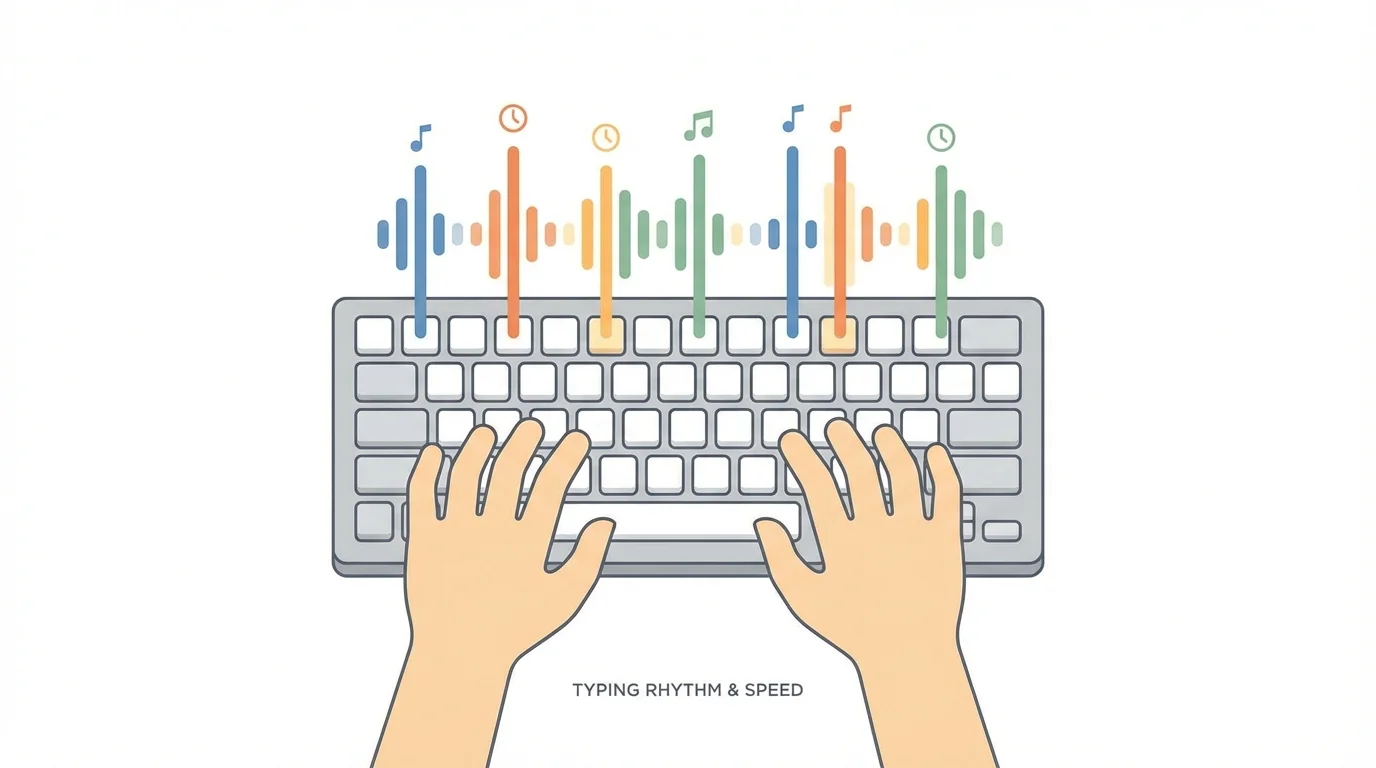
Keystroke dynamics analyzes how a user types on a keyboard rather than what they type. Each person has a unique typing rhythm shaped by muscle memory, habits, and physical factors.
- Typing speed, key hold time, and delay between keystrokes
- Consistency in typing patterns across sessions
- Detection of abnormal typing behavior during logins or form submissions
These patterns help identify whether the person entering credentials is the legitimate user or someone else using stolen information.
Mouse and Touch Movement Analysis
Mouse and touch interactions reveal subtle but consistent behavioral traits. These signals are particularly useful in web and mobile environments.
- Mouse movement speed, angles, and hesitation
- Touch pressure, swipe length, and gesture speed on mobile devices
- Differences between human interaction and automated scripts or bots
Such analysis helps systems detect fraudulent behavior without interrupting the user experience.
Gait and Device Movement
Gait and movement-based biometrics rely on sensors embedded in modern devices, such as accelerometers and gyroscopes.
- Walking patterns while carrying a smartphone
- Device orientation and movement habits
- Consistent motion signatures unique to each user
These signals are commonly used in mobile security scenarios where physical interaction with the device is continuous.
Navigation and Interaction Patterns
Navigation behavior reflects how users move through websites or applications during a session.
- Scrolling speed and frequency
- Click patterns and page transitions
- Time spent on specific actions or screens
Unusual navigation behavior can indicate compromised accounts or malicious activity even after a successful login.
How Behavioral Biometrics Work
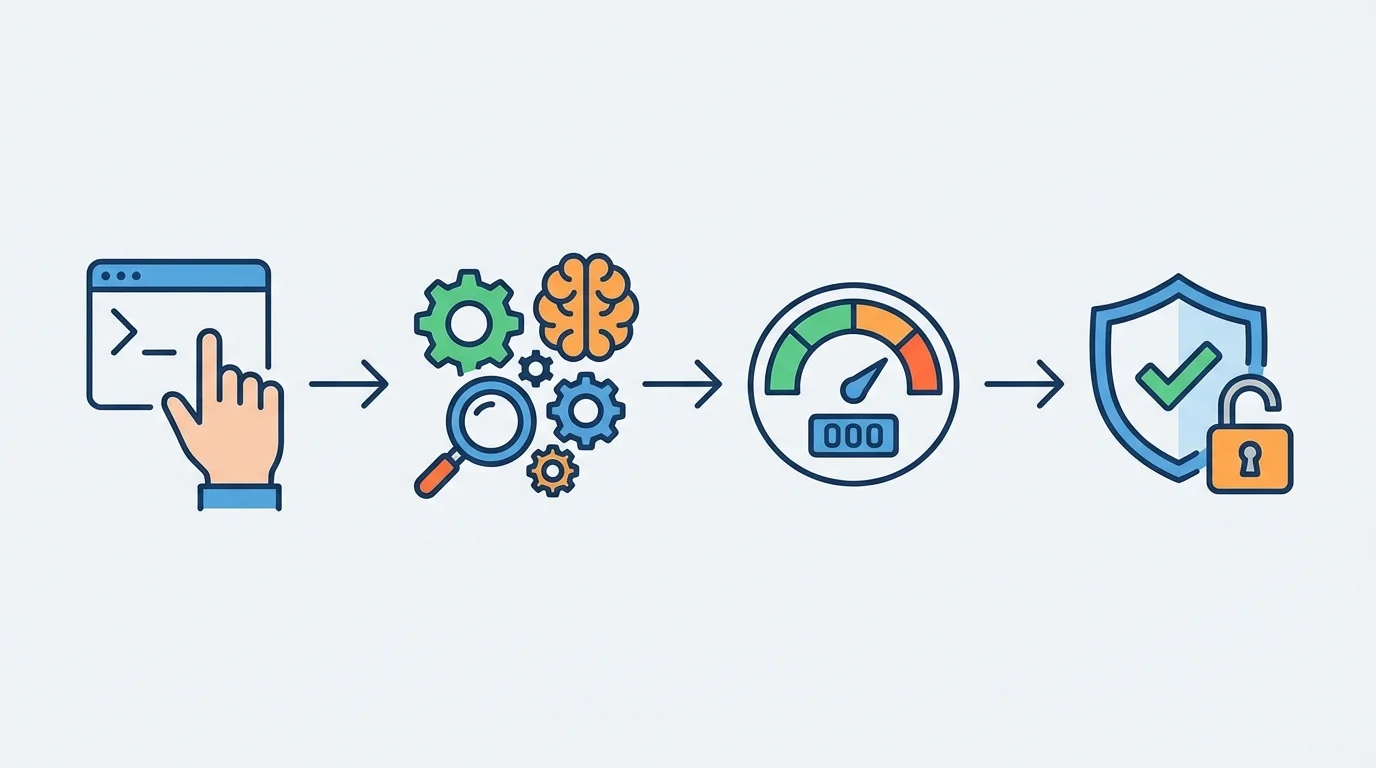
Behavioral biometrics systems begin by collecting interaction data during normal user activity. This data is processed to identify patterns that are consistent over time. Machine learning models analyze these patterns to create a behavioral baseline for each user.
Once a baseline is established, the system continuously compares real-time behavior against expected patterns. If the behavior deviates significantly, the system assigns a higher risk score. Based on this risk assessment, security controls can respond appropriately, such as requesting additional verification, limiting access, or terminating the session. This continuous monitoring allows security decisions to be made dynamically rather than relying on a single authentication event.
Key Benefits of Behavioral Biometrics in Security
Continuous Authentication
Traditional security systems typically verify identity only during login. Behavioral biometrics extends verification throughout the entire session.
- Ongoing validation of user identity
- Immediate detection of suspicious behavior
- Reduced reliance on repeated logins or challenges
This approach improves security without disrupting legitimate users.
Improved Fraud Detection
Behavioral analysis is effective at identifying sophisticated fraud attempts that bypass traditional checks.
- Detection of account takeovers even with valid credentials
- Identification of automated attacks and bots
- Reduced false positives compared to rule-based systems
By focusing on behavior, systems can spot threats that static credentials cannot.
Better User Experience
One of the strongest advantages of behavioral biometrics is its low impact on usability.
- No need to remember additional passwords
- Minimal user friction during authentication
- Seamless integration into existing workflows
Security improves without forcing users to change their habits.
Scalability and Adaptability
Behavioral biometric systems are designed to learn and evolve over time.
- Adaptation to changes in user behavior
- Compatibility across devices and platforms
- Ability to scale across large user bases
This makes them suitable for organizations of all sizes.
Behavioral Biometrics vs Traditional Authentication Methods
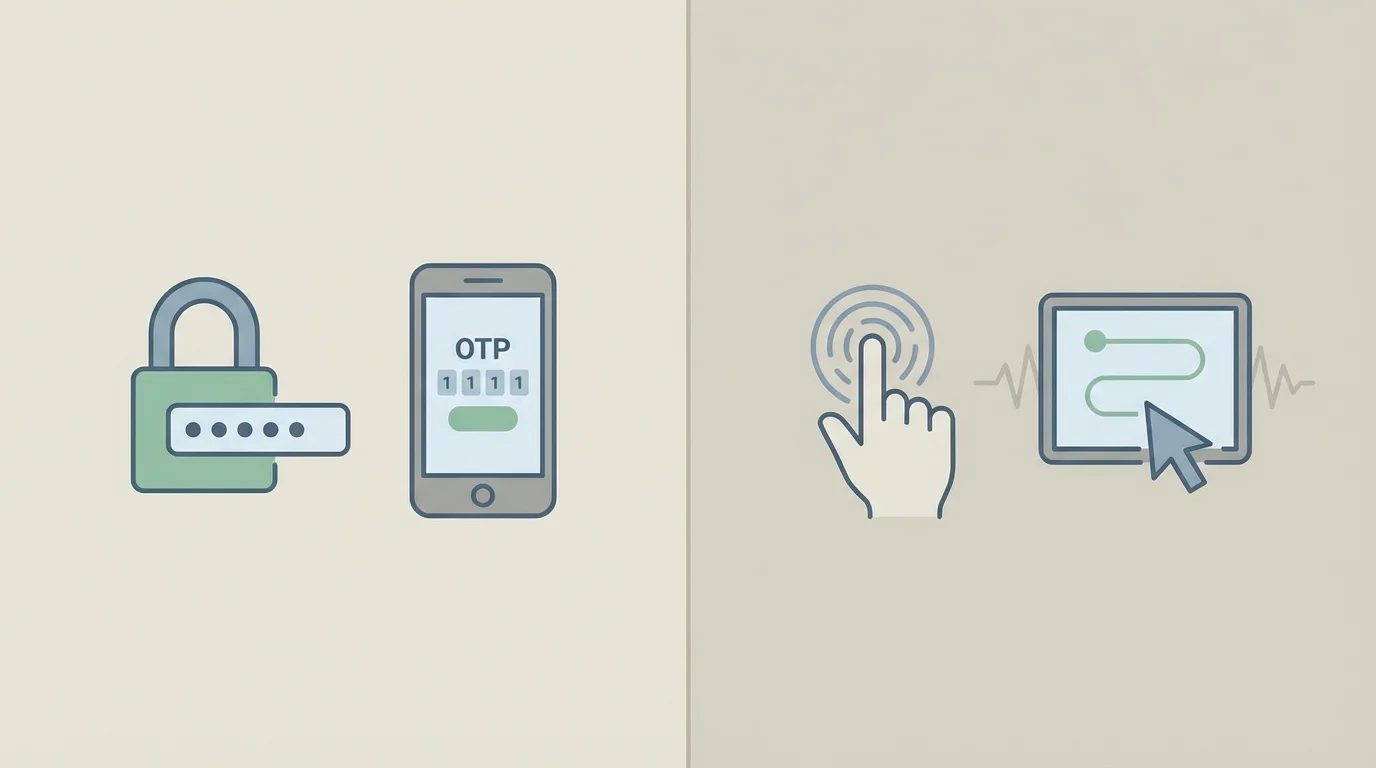
Traditional authentication relies on something a user knows or possesses, such as a password or token. These methods are vulnerable to theft, sharing, and replay attacks. Physical biometrics, while more secure, are static and can be compromised if biometric data is exposed.
Behavioral biometrics adds a dynamic layer that continuously evaluates identity. It does not replace existing methods but enhances them as part of a layered security strategy. This aligns well with zero-trust security models, where trust is never assumed and verification is ongoing.
Use Cases of Behavioral Biometrics Across Industries
Banking and Financial Services
Financial institutions face constant threats from fraud and unauthorized access.
- Detection of fraudulent transactions
- Prevention of account takeovers
- Secure authentication for digital banking users
Behavioral biometrics helps reduce financial losses while maintaining customer trust.
E-commerce and Online Marketplaces
Online platforms must protect both buyers and sellers from fraud.
- Identification of fake or compromised accounts
- Protection during checkout and payment processes
- Reduction of chargebacks and disputes
Behavior-based security supports safer online transactions.
Healthcare and Insurance
Healthcare systems handle sensitive personal and medical data.
- Secure access to patient records
- Prevention of identity fraud in insurance claims
- Compliance with data protection requirements
Behavioral monitoring helps maintain confidentiality and integrity.
Enterprise and Workforce Security
Organizations increasingly support remote and hybrid work environments.
- Detection of insider threats
- Secure access to corporate systems
- Protection of sensitive business data
Behavioral biometrics adds visibility into user activity across distributed teams.
Privacy, Compliance, and Ethical Considerations
Behavioral biometric systems are designed to prioritize privacy by focusing on patterns rather than explicit personal identifiers. Data is typically anonymized and encrypted to prevent misuse. Compliance with data protection regulations requires transparency about data collection and usage.
Organizations must clearly communicate how behavioral data is used and ensure user consent where required. Ethical implementation involves balancing security benefits with respect for user autonomy and trust.
Challenges and Limitations of Behavioral Biometrics
While powerful, behavioral biometrics is not without challenges.
- Behavioral patterns can change due to injury, stress, or device changes
- Environmental factors may affect data accuracy
- Initial implementation requires technical expertise
These limitations can be mitigated through continuous learning and adaptive models.
Best Practices for Implementing Behavioral Biometrics
Successful implementation requires thoughtful integration with existing security systems.
- Use behavioral biometrics as part of a multi-layered strategy
- Regularly retrain models to reflect evolving behavior
- Monitor accuracy and adjust thresholds to reduce false alerts
- Maintain transparency with users about security measures
Following these practices helps maximize both security and user acceptance.
Conclusion
Behavioral biometrics represents a significant shift in how digital security is approached. By focusing on how users behave rather than what they know or possess, it addresses many of the weaknesses found in traditional authentication methods. Its ability to provide continuous, low-friction security makes it well-suited for modern digital environments.
As cyber threats become more sophisticated, organizations need security solutions that are intelligent, adaptive, and user-friendly. Behavioral biometrics meets these needs by offering stronger protection without sacrificing usability. This balance is why it is increasingly seen as a foundational element of future security strategies.