In today’s digital world, cyber threats are constantly evolving, targeting personal data, financial information, and online accounts. Among the many forms of malware that have caused serious damage over the years, the Clampi virus stands out as one of the most dangerous banking-focused threats.
Designed primarily to steal sensitive financial details, Clampi has affected millions of users worldwide. Even though it first appeared years ago, its techniques and variants still influence modern cybercrime today.
In this detailed guide, we will explain what is Clampi virus, how it works, how it spreads, why it is dangerous, and how you can protect yourself from it.
To understand the threat, let’s begin with the basics.
What Is Clampi Virus?

The Clampi virus is a type of banking trojan malware designed to secretly monitor users’ online activities and steal financial information. It primarily targets:
- Online banking credentials
- Credit card details
- Login usernames and passwords
- Personal identity information
Once installed on a computer, Clampi operates silently in the background, collecting sensitive data and sending it to cybercriminals.
Origin and Background
Clampi first appeared in the mid-2000s and quickly became one of the most widespread financial malware programs. It infected millions of systems globally and caused massive financial losses.
It became especially notorious for:
- Targeting banking websites
- Recording keystrokes
- Hijacking browser sessions
- Manipulating online transactions
Because of its large-scale impact, cybersecurity experts consider Clampi one of the most influential malware families in history.
Why Is Clampi Considered Dangerous?
Clampi is dangerous because:
- It works secretly without user awareness
- It directly targets financial accounts
- It spreads quickly
- It steals highly sensitive information
- It can cause long-term financial damage
Many victims only realize they are infected after money disappears from their accounts.
How the Clampi Virus Works
Understanding how Clampi operates helps users recognize and prevent attacks.
1. Infection Process
Clampi usually enters systems through:
- Malicious email attachments
- Fake software downloads
- Infected websites
- Phishing links
- Cracked or pirated software
Once the user clicks on a harmful file or link, the virus installs itself silently.
2. System Infiltration
After installation, Clampi:
- Hides within system files
- Modifies registry settings
- Disables security features
- Runs automatically at startup
This allows it to survive even after system restarts.
3. Data Monitoring

Clampi continuously monitors user activity, especially:
- Website visits
- Login attempts
- Online purchases
- Banking sessions
It focuses on financial and personal platforms.
4. Keystroke Logging
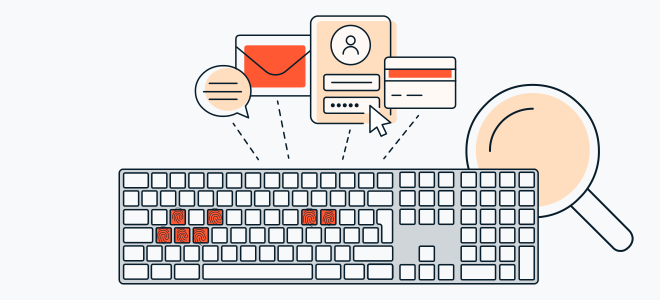
One of Clampi’s main features is keylogging.
It records:
- Every key pressed
- Passwords
- Account numbers
- PINs
This data is stored secretly for later transmission.
5. Browser Hijacking
Clampi can inject malicious code into browsers.
This allows it to:
- Modify web pages
- Redirect users to fake banking sites
- Intercept transactions
- Steal session cookies
Users may believe they are on legitimate websites while actually interacting with fake ones.
6. Communication with Hackers
The virus connects to command-and-control servers operated by cybercriminals.
It sends:
- Stolen credentials
- Recorded keystrokes
- System information
- Browser data
Hackers use this information for fraud and identity theft.
7. Avoiding Detection
Clampi uses advanced techniques to stay hidden, such as:
- Encryption
- File obfuscation
- Disabling security alerts
- Mimicking legitimate processes
This makes detection difficult without specialized tools.
Clampi’s Rebirth: How the Virus Evolved
Although major Clampi operations were disrupted years ago, its legacy continues.
Early Impact
During its peak, Clampi infected:
- Home users
- Small businesses
- Large enterprises
- Financial institutions
It caused billions in financial losses worldwide.
Shutdown and Disruption
International law enforcement agencies eventually took down major Clampi servers and arrested key operators. This significantly reduced its activity.
However, the story didn’t end there.
New Variants and Adaptations
After the original network was disrupted, cybercriminals:
- Reused Clampi’s code
- Modified its structure
- Created new versions
- Integrated it into other malware families
These variants adopted similar techniques and continued targeting financial users.
Modern Influence
Many modern banking trojans still use strategies developed by Clampi, including:
- Keylogging
- Web injection
- Session hijacking
- Credential theft
This shows how influential Clampi has been in cybercrime history.
Protect Your Finances from Clampi Virus!
Since Clampi focuses on financial theft, protecting your money is essential.
1. Secure Online Banking
Always access your bank accounts through:
- Official websites
- Trusted mobile apps
- Secure networks
Avoid public Wi-Fi for financial transactions.
2. Monitor Bank Statements
Regularly check:
- Transaction history
- Balance changes
- Unrecognized charges
Early detection helps prevent major losses.
3. Enable Alerts
Use SMS or email alerts for:
- Logins
- Transfers
- Purchases
These alerts warn you about suspicious activity.
4. Protect Credit Card Details
Never store card details on unknown websites.
Avoid entering financial information on unverified platforms.
5. Beware of Phishing
Fake banking emails and messages are common Clampi delivery methods.
Always verify before clicking.
- Use Strong Authentication
Multi-factor authentication adds an extra security layer and makes account hijacking more difficult.
Prevention: How to Avoid Clampi Infection
Prevention is the best defense against malware like Clampi.
1. Install Reliable Security Software
Security tools help:
- Detect malware
- Block malicious websites
- Monitor suspicious behavior
- Remove infections
Keep them updated regularly.
2. Keep Systems Updated
Updates fix vulnerabilities that malware exploits.
Always update:
- Operating systems
- Browsers
- Applications
- Drivers
3. Avoid Suspicious Downloads
Never download:
- Cracked software
- Pirated games
- Unknown attachments
- Fake updates
These are common infection sources.
4. Practice Safe Email Habits
Do not open attachments from unknown senders.
Be cautious with urgent or threatening messages.
5. Use Strong Passwords
Strong passwords reduce the impact of stolen credentials.
Avoid reusing passwords across accounts.
6. Secure Your Network
Use:
- Encrypted Wi-Fi
- Strong router passwords
- Firewalls
This prevents unauthorized access.
7. Regular System Scans
Run full scans frequently to detect hidden threats.
8. Backup Important Data
Maintain backups to avoid losing important files if infection occurs.
FAQs
What is Clampi virus in simple words?
Clampi is a malicious program that secretly steals banking and personal information.
Can Clampi steal my bank password?
Yes, it records keystrokes and intercepts login data.
Is Clampi still active today?
The original version is mostly inactive, but similar variants still exist.
How does Clampi spread?
Through phishing emails, fake downloads, and infected websites.
Can antivirus remove Clampi?
Yes, updated security software can detect and remove it.
How do I know if I’m infected?
Signs include slow performance, strange pop-ups, and unauthorized transactions.
Can Clampi infect mobile phones?
Originally, it targeted computers, but modern variants may affect mobile devices.
Conclusion
The Clampi virus remains one of the most significant examples of financial malware in cybersecurity history. Designed to steal banking credentials and personal data, it caused massive damage and shaped the way modern cybercrime operates.
Understanding what is Clampi virus, how it works, and how it spreads is essential for protecting yourself in today’s digital environment.
By following good security practices—updating software, avoiding suspicious links, using strong passwords, and monitoring financial accounts—you can greatly reduce the risk of infection.
In an age where cyber threats are constantly evolving, awareness is your strongest defense. Staying informed, cautious, and proactive ensures that malware like Clampi cannot compromise your digital life or financial security.

Debabrata Behera is a passionate blogger who writes about digital trends, personal growth, and practical insights, helping readers stay informed, inspired, and ready to achieve success in life.