Cybercriminals are constantly evolving their methods to break into organizations. Today, one of the most dangerous and successful types of cyberattacks targets those with the highest level of authority in a company. This tactic is known as a whaling attack. Unlike traditional phishing scams that cast a wide net, whaling attacks go after the “big fish” — high-profile executives such as CEOs, CFOs, finance directors, and other individuals with privileged access to confidential information and financial resources.
This blog provides a complete look into what a whaling attack is, how it works, why businesses should be concerned, and the measures needed to defend against it.
Whaling Attack Meaning: What Makes it Different?
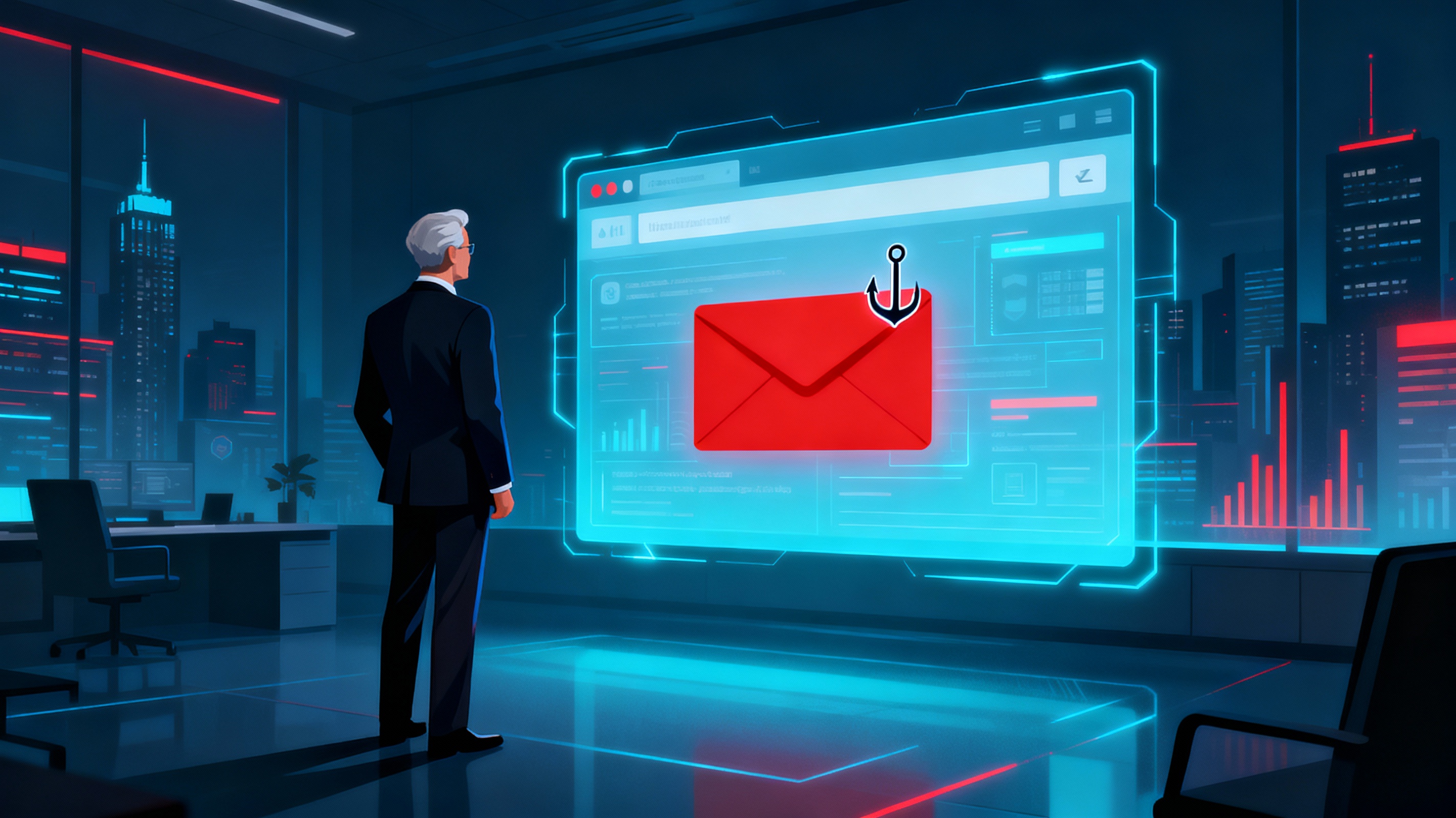
A whaling attack is a focused and highly personalized social engineering attack in which a cybercriminal impersonates a senior executive or influential authority figure to deceive another high-level employee into handing over money, sensitive data, or system access.
Whaling is often called:
- CEO fraud
- Business Email Compromise (BEC)
- Executive impersonation attack
The difference between whaling and regular phishing is precision. While phishing targets large groups of individuals, and spear phishing focuses on specific people, whaling attacks only target individuals with major decision-making power.
Cybercriminals consider executives as “whales” because:
- They control financial transactions
- They have access to proprietary business information
- Their approval is often trusted without question
- They may be too busy to scrutinize every communication
Why Whaling Attacks Are Increasing
Organizations have implemented advanced security systems to block common phishing techniques. Cybercriminals respond by bypassing technology and instead exploiting the human element, especially among those in power.
Executives are extremely active on digital platforms and often share:
- Job titles and departments
- Business relationships
- Travel schedules
- Personal milestones
- Internal events or achievements
This abundance of public information makes it easy for attackers to craft convincing messages using details that feel familiar and trustworthy.
As digital transformation continues, the threat grows. Reports show whaling attacks have led to millions of dollars in company losses, sometimes in a single fraudulent transaction.
How Whaling Attacks Work: A Step-By-Step Breakdown
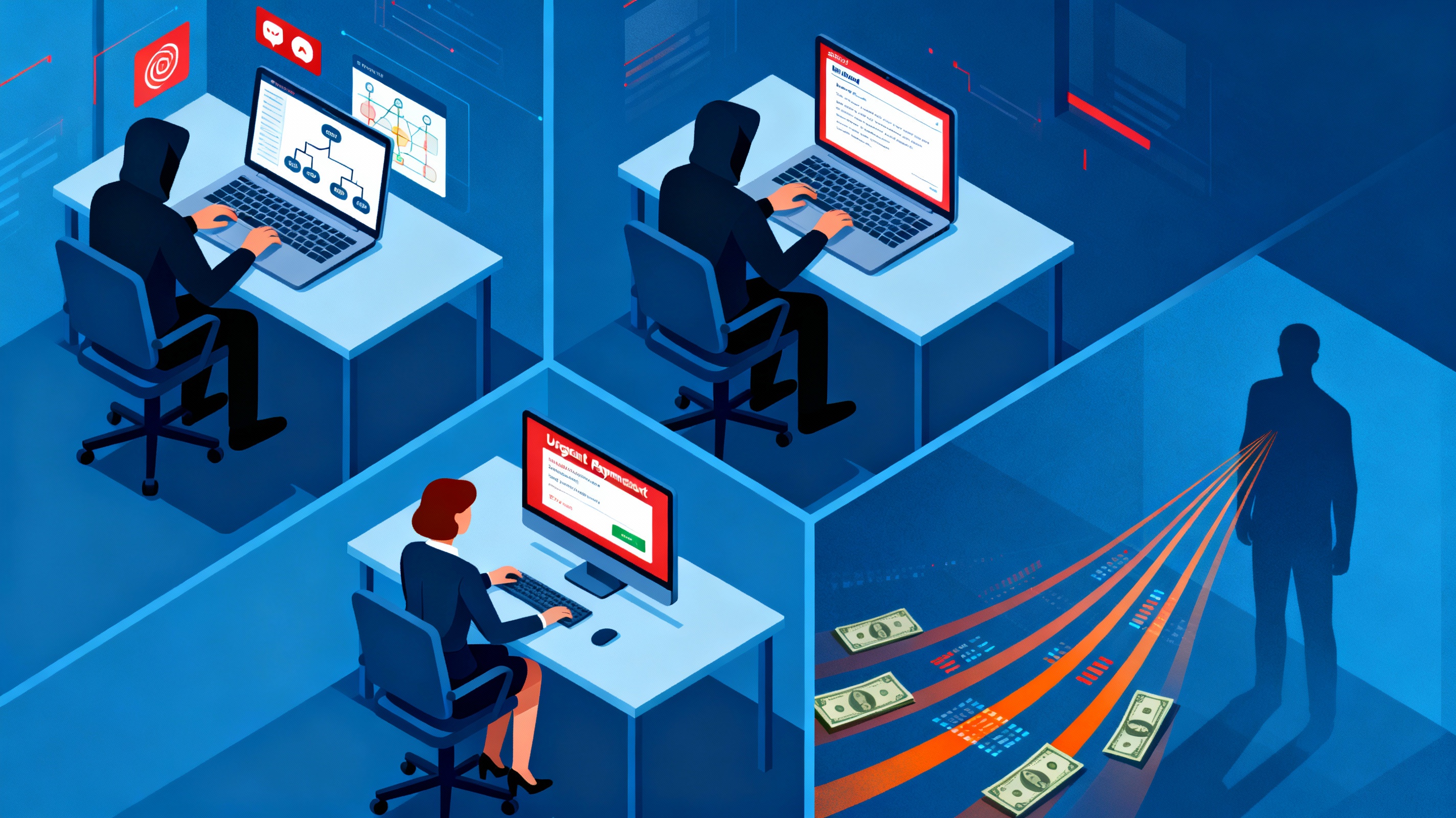
Whaling relies heavily on social engineering, manipulation, and emotional pressure. A typical attack follows four stages:
1. Research Phase
The attacker gathers detailed information about:
- Company hierarchy
- Executive relationships
- Business operations
- Financial timelines
- Public or leaked data
Sources include:
- Social media profiles
- Corporate websites
- Job postings
- News articles
- Data breach records
2. Impersonation Setup
The cybercriminal creates:
- A fake but realistic email address
- Spoofed domains that closely resemble the real organization
- Fake documents or fraudulent websites designed to look legitimate
They may even mimic writing style, signature format, and internal communications tone.
3. Attack Execution
A message is sent to a targeted executive or finance personnel with a request such as:
- Urgent transfer of funds to a vendor
- Release of payroll records or tax documents
- Update of banking credentials
- Downloading of an invoice containing malware
The email often includes time pressure, confidentiality, or fear of consequences.
For example:
“Please process this payment immediately. The deal closes today and delays are unacceptable.”
4. Exploitation and Exit
Once the victim completes the requested action:
- Funds are transferred to criminal accounts
- Private data is leaked or stolen
- Malware is installed and unauthorized access is gained
Attackers may move quickly or linger inside systems waiting for another opportunity.
Why Whaling is So Effective
Executives are high-value targets and naturally:
- Trust communication from fellow senior leaders
- Have authority to approve big requests without verification
- Are busy and less likely to inspect emails closely
- Avoid questioning urgent commands from higher-ups
Fear and urgency are powerful drivers in whaling attacks. Employees might comply simply to avoid appearing incompetent or disobedient.
Attackers take advantage of:
- Loyalty to the organization
- Hierarchical pressure
- Desire to act quickly on high-impact matters
Common Red Flags of a Whaling Attack
While whaling emails are polished and believable, there are subtle warning signs:
- Unusual urgency or secrecy requested
- Slight spelling differences in domain or sender address
- Requests unrelated to normal responsibilities
- Sudden changes to financial procedures
- Emails sent outside business hours
- Poor grammar masked by official-looking language
- Pressure to bypass standard approval processes
Hovering over email addresses and links can often reveal mismatches.
Also Read:WEP, WPA, WPA2 and WPA3: Differences and Explanation
Real-World Examples of Whaling Attacks
Whaling is not hypothetical — many well-known companies have been victims:
- A global toy manufacturer nearly lost three million dollars after a fake fund transfer request.
- A major tech company’s payroll department handed over employees’ tax information through an impersonated executive email.
- Several universities have reported fraudulent vendor payments caused by spoofed financial approvals.
These cases highlight that even strong cybersecurity tools cannot prevent human-driven deception unless awareness is prioritized.
How to Prevent Whaling Attacks: Best Practices
Protection against whaling requires a multi-layered strategy combining technology and employee awareness.
1. Executive and Finance Team Training
Education should focus on:
- Recognizing suspicious behavior
- Verifying unusual requests independently
- Understanding social engineering persuasion techniques
Executives must be equally trained since they are primary targets.
2. Secondary Verification Policies
Companies should mandate:
- Phone call or in-person confirmation for financial approvals
- Dual authorization for significant fund transfers
- Secure communication channels for sensitive topics
Human verification stops manipulation.
3. Email Authentication and Filtering
Implement:
- Anti-spoofing protocols like DMARC, SPF, and DKIM
- Email banner warnings for external senders
- Threat detection scanning for malicious links or attachments
These safeguards decrease the likelihood of falling for disguised emails.
4. Limit Exposure of Sensitive Personal Information
Executives should reconsider sharing:
- Travel details
- Contract negotiations
- Internal achievements
- Data that reveals organizational structure
The less an attacker knows, the harder it is to deceive.
5. Simulated Cybersecurity Drills
IT teams can run:
- Mock whaling attack exercises
- Security audits
- Compliance reviews
These assessments reveal vulnerabilities before attackers can exploit them.
Conclusion
Whaling attacks are a major cybersecurity threat because they combine:
- Social engineering
- Organizational knowledge
- Trust exploitation
- High-impact outcomes
They are designed to trick the most influential individuals in a business, and when successful, the results can be devastating.
Ultimately, the best defense is awareness. When organizations build a security-first culture, verify sensitive communication, and maintain strong technical safeguards, whaling attacks become far less likely to succeed.
FAQs
What is the difference between phishing and whaling?
Phishing targets a wide range of users while whaling is a specialized, high-impact attack aimed at executives with authority and financial access.
Why is it called a whaling attack?
Because attackers pursue “whales” — high-ranking and influential individuals who hold valuable data or control large financial decisions.
How do attackers impersonate executives?
They spoof emails, study writing styles, use corporate branding, and gather public information to appear legitimate and trustworthy.
Can whaling attacks install malware?
Yes. A single malicious attachment disguised as an invoice or document can infect a device and provide deeper access to corporate networks.
What should I do if I suspect a whaling attempt?
Do not respond or click anything. Verify the request using a known secondary contact method and report the message to your security team immediately.