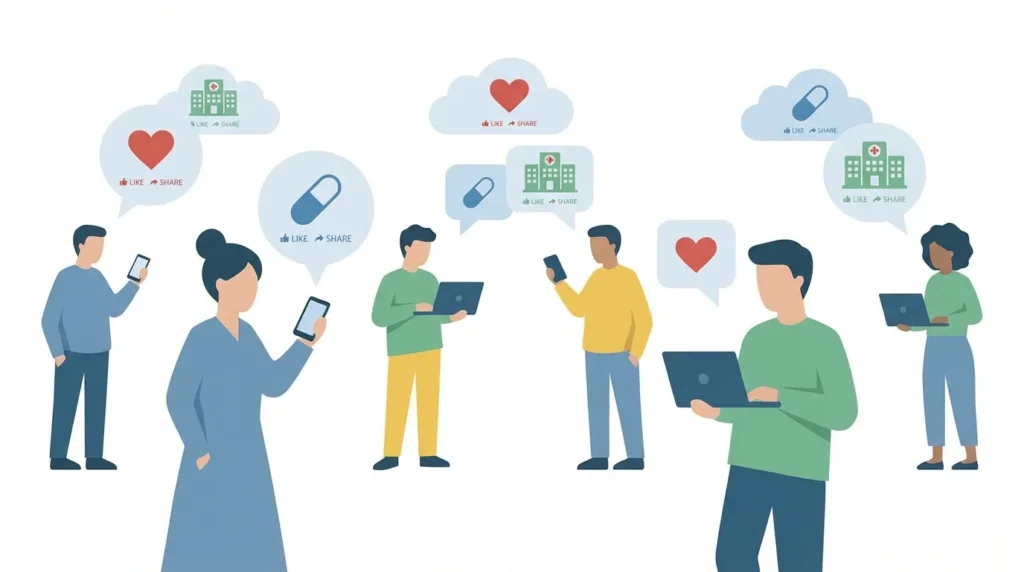
National ID systems are becoming the backbone of how governments and businesses verify identity, deliver services, and fight fraud in both the physical and digital worlds. As more countries modernize these systems, biometrics such as fingerprints, facial recognition, and iris scans are playing an increasingly central role in making identification more secure, convenient, and inclusive.
What is a National ID?
A National ID is a government-issued identity credential that verifies a person’s identity and, in many countries, their nationality. It usually includes core personal details such as full name, date of birth, photograph, gender, nationality, and a unique card or identification number, and in many modern programs, biometric information like fingerprints or iris scans.
Beyond being a simple card, a National ID typically acts as a foundational identifier that can be used across multiple domains, including voting, access to government benefits, banking, SIM registration, and other regulated activities. This central role is why many countries are transitioning from simple laminated cards to smart cards and electronic ID (eID) systems, which can securely store data on chips and support digital authentication.
Issuance Process
The issuance of a National ID normally follows a structured, multi-step process managed by a designated public authority, such as a national ID agency, interior ministry, or civil registry. The goal is to create a reliable, up-to-date database of residents or citizens and to ensure that each person is uniquely and correctly identified in official records.
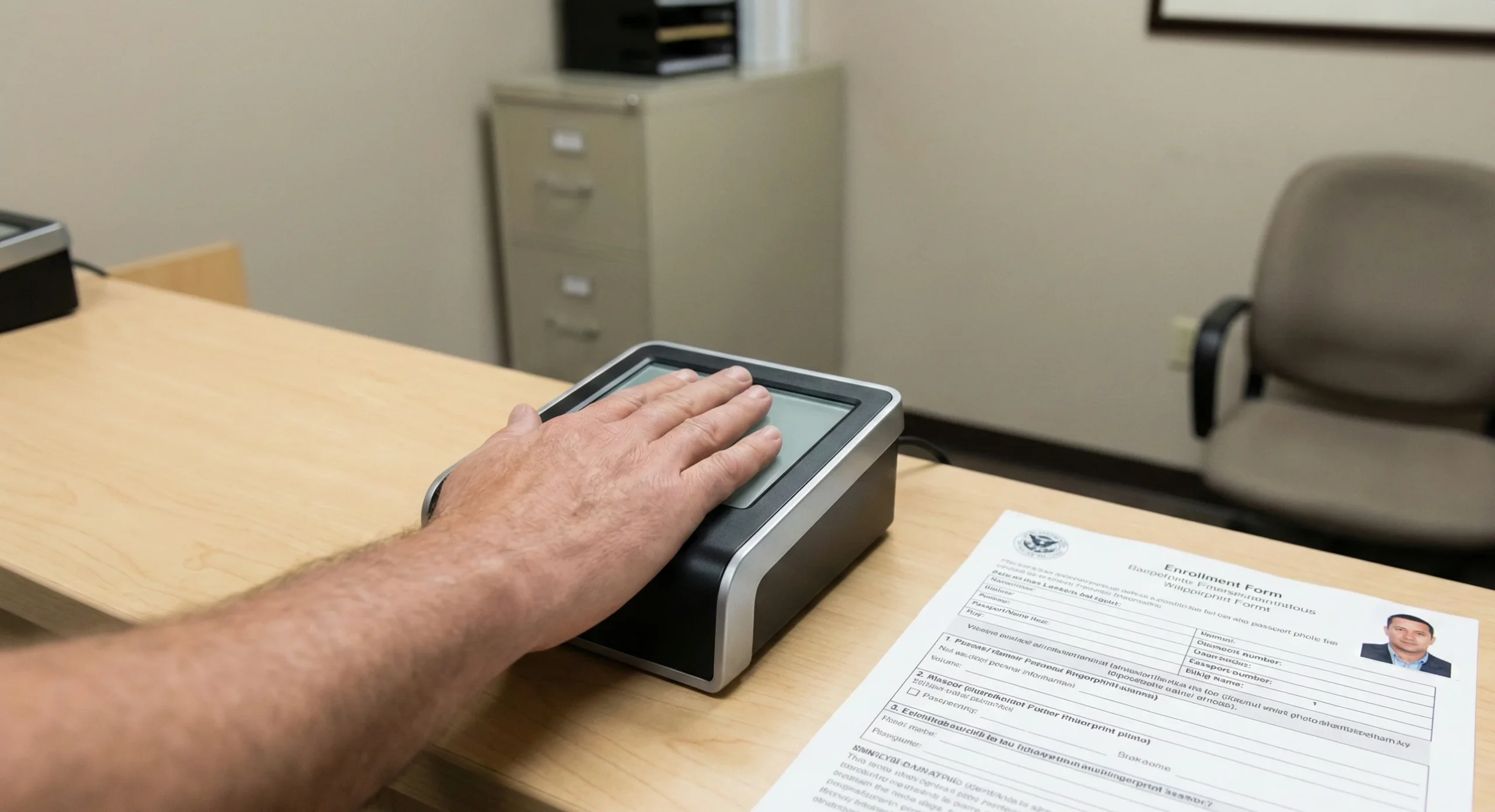
- Application: Citizens or residents begin by submitting an application that captures core demographic information, such as name, date and place of birth, address, and other civil details. In modern systems, this step often includes capturing biometric data—commonly fingerprints, facial images, and in some cases iris scans—at registration or enrolment centers equipped with specialized devices.
- Verification: After the application is received, the responsible authority verifies the submitted information to confirm that it is accurate, authentic, and not duplicated in the system. This may involve cross‑checking civil data against birth, population, or immigration registers, validating supporting documents, and performing biometric deduplication to ensure that each person only has one record in the database.
- Issuance: Once verification is successful, the system assigns a unique identification number that will typically remain with the person for life. The authority then issues a credential—such as a physical card, a smart card with an embedded chip, or a digital/electronic ID—which contains visible information (like name and photo) and, in many cases, securely stored data including biometrics.
Biometrics in National IDs

Biometrics are measurable physical or behavioral characteristics that can uniquely identify a person, such as fingerprints, face, iris, or voice. When integrated into National ID systems, biometrics shift authentication from relying on “what you have” (a card) or “what you know” (a PIN or password) to “who you are”, which is inherently much harder to share or forge.
By storing biometric templates in a secure database and/or on the card chip, authorities can validate identity by comparing a live biometric sample with the stored reference. This significantly strengthens the system’s ability to prevent duplicate registrations, detect impersonation, and reduce identity fraud, especially in large-scale programs with millions of enrollees.
- Fingerprint recognition: Fingerprints have long been used for identification because they are highly distinctive and generally stable over a person’s life. In many National ID programs, multiple fingerprints are captured during enrollment, converted into digital templates, and encrypted for storage in central databases and sometimes on the card’s chip, enabling one-to-one or one-to-many comparisons at later verifications.
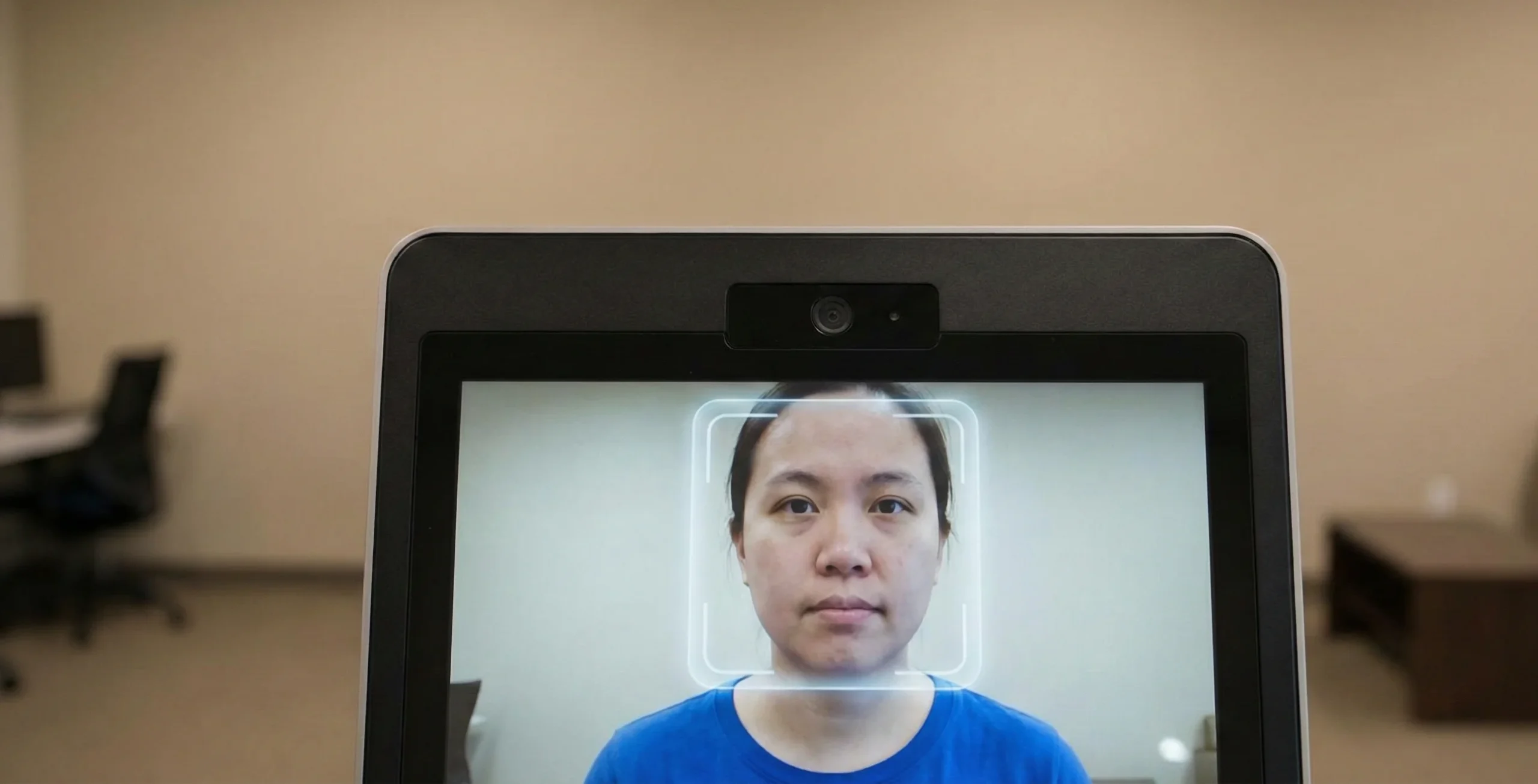
- Facial recognition: Facial biometrics analyze key facial features—such as relative position of the eyes, nose, and mouth—to create a template that can be used for automated matching. In the context of National IDs, facial images are typically printed on the card and also stored in digital form, allowing authorities and service providers to perform live face comparisons using cameras or specialized terminals without requiring physical contact.
- Iris scanning: Iris recognition relies on the complex patterns in the colored ring around the pupil, which are highly distinctive and stable, even among identical twins. Some National ID systems capture iris images during enrollment and use them for high-security applications, as iris recognition can offer very low false match rates and fast matching in large databases.
Also Check: What is Biometric Payment? Benefits, Use Cases, and Challenges
Global Examples
Several countries illustrate how biometrics are being integrated into National ID systems at scale and across different regions and development contexts.
- India’s Aadhaar: India’s Aadhaar program is widely cited as the largest biometric ID system in the world, with over a billion enrolled individuals. It uses a combination of fingerprints, iris scans, and facial data to create a unique ID for each resident, enabling identity verification for welfare programs, banking, mobile connections, and a range of public and private services, while aiming to reduce duplication and fraud.
- Nigeria’s NIN and eID: Nigeria’s National Identification Number (NIN) system collects ten fingerprints and a facial image for each registrant, ensuring a high degree of uniqueness in the database. The associated national eID card includes a chip storing biometric data and, in some implementations, payment functionality, supporting both identity verification and financial inclusion for people who may not previously have had formal IDs.
- UAE’s Emirates ID: The United Arab Emirates issues Emirates ID cards that incorporate both fingerprint and facial biometrics together with a smart chip. These cards function as both a physical ID and an eID credential, enabling secure access to government services, financial transactions, and other digital interactions, and are mandatory for residents, reinforcing their role as a universal identity tool.
- Estonia and the Philippines: Estonia, known for its advanced digital infrastructure, expanded its long-standing eID card system by integrating fingerprint biometrics to strengthen security and align with electronic identification standards. The Philippines’ PhilSys program combines demographic data with fingerprints, facial images, and iris patterns, issuing both physical and digital IDs to tens of millions of residents to support social protection, financial inclusion, and digital service access.
Benefits and Uses
National IDs—especially when combined with biometrics—deliver a range of benefits for citizens, governments, and the private sector by making identity more reliable, portable, and secure. They enable more efficient service delivery, more inclusive access to opportunities, and stronger defenses against identity-related crime and fraud.
- Enhanced access to services and inclusion: A robust National ID gives individuals, including those previously excluded, a recognized proof of identity that can be used to open bank accounts, receive welfare transfers, enroll in education, or access health insurance. This is especially important in countries where large segments of the population historically lacked birth certificates or other formal documents, and where digital IDs can bridge gaps in service reach.
- Fraud reduction and process efficiency: By linking benefits and entitlements to a unique, verified identity, governments can reduce duplicate records, ghost beneficiaries, and impersonation, leading to significant savings in social protection and subsidy programs. At the same time, standardized digital identity credentials simplify verification for both public and private organizations, reducing paperwork, shortening onboarding times, and enabling more automated, online processes.
Conclusion
National ID systems are evolving from simple identity documents into digital platforms that underpin how people access services, exercise rights, and participate in the economy. By integrating biometrics, mobile technologies, and emerging security architectures, they are becoming more secure, inclusive, and flexible, while also raising important questions about governance, privacy, and user control that policymakers and technology providers must address carefully.