Passwords remain one of the most common methods of securing digital accounts and sensitive information. Yet, despite repeated warnings and data breach incidents, many users continue to rely on weak and predictable passwords. This risky behavior has given rise to one of the most successful and widely used hacking techniques: the dictionary attack.
A dictionary attack focuses on one purpose: guessing a password by systematically trying common words or patterns until one works. It sounds simple, yet it remains a serious threat even today. If cybercriminals succeed, they can break into accounts, steal sensitive information, commit fraud, or launch further attacks.
This detailed guide explains what a dictionary attack is, how hackers execute it, why it works so effectively, and what individuals and organizations can do to prevent it.
What is a Dictionary Attack?

A dictionary attack is a type of password-cracking method where attackers use predefined lists of common words, phrases, and number patterns to guess login credentials. These lists, known as password dictionaries, contain items such as:
- Popular words
- Names
- Keyboard sequences
- Common passwords leaked from past breaches
- Words modified with numbers or punctuation
Instead of attempting every possible character combination like a brute-force attack, dictionary attacks stick to passwords that real people frequently use. Unfortunately, this strategy works extremely well because many people choose passwords based on personal preferences or memorability rather than security.
How Does a Dictionary Attack Work? Step-by-Step Breakdown
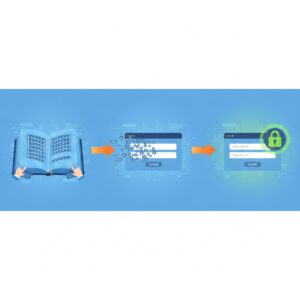
Hackers use automation and intelligence to maximize success. A dictionary attack typically includes these steps:
The attacker compiles a password dictionary
The list may include:
- Pet names
- Birthdates or lucky numbers
- Famous characters or movies
- Simple patterns like qwerty or 123456
Criminals often use stolen password databases from previous breaches to build highly accurate lists.
Automated software executes the attack
Hacking programs repeatedly submit each password from the list to a login system or encrypted file. Modern tools can attempt thousands or even millions of guesses per second.
The attacker exploits the successful login
Once the correct password is found, hackers may:
- Access private accounts
- Transfer money
- Steal personal or corporate data
- Impersonate the victim on social platforms
- Spread malware or launch further cyberattacks
Because everything happens quickly and silently, victims often remain unaware until damage has already occurred.
Why Do Dictionary Attacks Work So Well?
Cybercriminals take advantage of human habits. Most people:
- Reuse the same password across many accounts
- Use personal information in passwords
- Choose short and predictable combinations
- Only change passwords when forced
A study found that more than half of users include personal details like:
- A spouse or child’s name
- A favorite sports team
- A memorable date
These patterns make guessing a password much easier. If a hacker breaks into one weak account, they can often access others using the same credentials.
Also Read: What Is Steganography? Definition and Explanation
Difference Between Dictionary Attacks and Brute Force Attacks
Although dictionary attacks are a type of brute-force attack, they operate differently.
| Feature | Dictionary Attack | Brute Force Attack |
| Password List | Predefined common passwords | Tries every possible combination |
| Speed | Faster | Very slow for complex passwords |
| Success Rate | High for weak passwords | High for all passwords eventually |
| Complexity | Lower | Higher computational demand |
| Target | Predictable humans | Practically anything |
Hackers often combine both methods. They start with a dictionary attack to exploit weak passwords. If that fails, they may run a full brute-force attack only if the target is valuable enough.
Real-World Impact: What Happens After a Successful Attack?
Once attackers gain access to an account, consequences can escalate quickly:
- Unauthorized financial transactions
- Identity theft and damage to credit score
- Misuse of social accounts to scam friends or coworkers
- Blackmail using private messages or images
- Hijacking cloud backups and personal files
- Further cybersecurity breaches in organizations
Single password theft may trigger a complete digital compromise, especially if reused across platforms.
How to Prevent Dictionary Attacks: Best Practices
Preventing a dictionary attack is easier than dealing with the aftermath. Strengthen your security with these protective steps.
Use Strong, Random Passwords
Avoid anything based on:
- Names
- Dictionary words
- Personal details
Random and lengthy combinations provide better security because they are harder for hackers to guess.
Create Secure Passphrases
Instead of a single word, string unrelated words together, such as:
Morning Lemon Ocean Chair
Now add symbols and uppercase letters to strengthen it further. Passphrases are both strong and easier to remember.
Enable Two-Factor Authentication (2FA)
Even if a password is guessed, attackers cannot enter the account without a second verification step like:
- One-time codes
- Fingerprint or face recognition
- Authentication apps
Limit Login Attempts
Sites that lock accounts after several failures prevent automated tools from running indefinitely.
Avoid Password Reuse
Every account should have a unique login to prevent full identity compromise.
Use Authentication Apps or Security Keys
These add a physical barrier that automated attacks cannot bypass.
Monitor Account Activity
Unexpected login alerts can help users take quick action by changing passwords immediately.
Can Password Managers Help Prevent Dictionary Attacks?
Yes. Password managers generate strong, random, and unique passwords, eliminating the biggest vulnerability: human error.
Benefits include:
- Only one master password needed
- Automatic secure storage and auto-fill
- Ability to securely share passwords when necessary
- Protection for sensitive documents and credentials
Because passwords are not based on recognizable patterns, dictionary attacks become far less effective.
Who Is Most at Risk?
Anyone using a digital account can be a victim, but high-risk groups include:
- Users who reuse passwords frequently
- Employees with access to business platforms
- Individuals with valuable personal data online
- People active on social networks who reveal personal details
Cybercriminals may also target companies by guessing employee credentials to access corporate networks.
FAQs
Can dictionary attacks crack long passwords?
Yes, if the phrase includes common words or predictable substitutions.
Are passphrases always safe?
Only if they avoid familiar quotes, popular phrases, or personal details.
How do I know if someone attempted a dictionary attack on my account?
Multiple failed login alerts or temporary lockouts may indicate a bot attempting guesses.
Are biometrics safer than passwords?
Biometrics reduce risk because they eliminate guessable elements, but they must be paired with strong digital account security.
Do businesses need protection too?
Absolutely. A single weak employee password can jeopardize an entire organization.
Conclusion
A dictionary attack may sound simple, but it remains one of the most effective methods for password cracking. Cybercriminals rely on human convenience: weak, reused, or predictable passwords. The best defense comes from stronger user practices combined with layered security solutions.
Creating powerful passwords, enabling multi-factor authentication, and avoiding common patterns can drastically reduce risk. Whether you manage personal accounts or business information, prioritizing password security ensures your identity, finances, and data remain protected.