In the past decade, social media has transformed from a means of casual interaction into a highly influential digital ecosystem where personal lives, news, entertainment, and business converge. With billions of users sharing their daily activities online, concerns around social media and privacy have become more pressing than ever.
Although these platforms offer valuable opportunities for connection and communication, many people underestimate the risks associated with oversharing personal information. This lack of awareness has given rise to increasing social media privacy issues, ranging from identity theft to data tracking. Understanding these dangers and learning how to safeguard your digital presence is crucial in today’s connected world.
This comprehensive guide explains what social media privacy means, the major risks involved, and practical measures you can take to keep your personal data secure.
What is Social Media Privacy
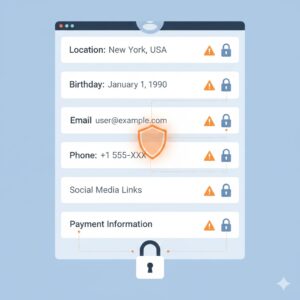
Social media privacy refers to how well users can control who sees their information, what data is collected, and how that data is used once it enters a social media platform.
Every post, like, share, search, and even the time spent browsing a profile helps platforms collect detailed insights about individuals. This data is often monetized by third-party advertisers or stored for predictive analytics, raising serious social media privacy concerns.
When users sign up without reading terms and conditions, they automatically allow companies to collect data about:
- Location and geotags
- Interests, browsing behavior, and purchase history
- Contact lists and relationships
- Uploaded content including photos, videos, and messages
This collected information creates a digital profile that can be used for personalized advertising, matchmaking algorithms, and sometimes even political targeting. Once shared, this data is no longer completely under the user’s control.
Major Risks and Disadvantages of Social Media Privacy

While it may feel harmless to post a picture or update your status, doing so without proper caution can expose you to significant dangers. The disadvantages of social media privacy protection failures include:
Exposure to Hacking and Cybercrime
Cybercriminals often study social media profiles to extract data that can help them:
- Guess login passwords
- Craft targeted phishing messages
- Conduct social engineering attacks
Even small details like pets’ names or birthdays can compromise your security.
Phishing and Scams
Attackers pose as legitimate contacts or companies to trick users into clicking harmful links or giving up sensitive information. For example, someone may receive a fake message claiming they’ve won a prize but need to enter personal data to claim it.
Identity Theft and Financial Fraud

Fraudsters collect personal information and use it for:
- Opening bank accounts
- Credit card scams
- Loan applications in the victim’s name
The emotional and financial impact can be long-lasting.
Real-Time Tracking and Personal Safety Threats
Location sharing can reveal:
- When someone is away from home
- Where they routinely visit
- Where their children go to school
This can lead to stalking, burglary, or other physical threats.
Cyberbullying and Harassment
With anonymity easily achievable online, malicious users can:
- Shame, threaten, or blackmail victims
- Spread false rumors
- Cause severe mental stress, especially in teenagers
Doxing
A deliberate attack where private information is publicly exposed online to embarrass or harm a pe
Also Read: Common Cryptocurrency Scams and How to Avoid Them
Job and Career Risks
Employers often review social profiles during hiring. Inappropriate posts can impact:
- Employment opportunities
- Promotions
- Professional reputation
Permanent Digital Footprint
Even deleted posts remain stored in databases and backups. Once shared, content can be copied, reshared, or archived forever.
These risks highlight why social media privacy issues should not be ignored.
What Data Is Most Vulnerable on Social Media?
Cyber attackers and data brokers target different forms of user information, including:
- Email addresses, phone numbers, and login details
- Employment and educational background
- Political views, religious affiliations, sexual orientation
- Check-ins, GPS location, and tagged photos
- Interests, likes, behaviors, and browsing history
This data forms a detailed behavioral profile that can be exploited to manipulate personal decisions, purchasing behavior, and political opinions.
Social Media Privacy Laws Around the World
To combat widespread data misuse, governments have introduced strict data protection regulations:
GDPR (General Data Protection Regulation – EU)
- Requires explicit consent for data collection
- Users have the right to withdraw data and request deletion
CCPA (California Consumer Privacy Act)
- Gives consumers control over what personal data businesses collect
- Allows users to request data deletion
COPPA (Children’s Online Privacy Protection Rule – US)
- Protects children under the age of 13
- Limits what data platforms can collect from minors
Australia’s Online Safety Laws
- Fight online abuses like cyberbullying and defamation
These laws aim to enhance social media and privacy protections, but enforcement remains a challenge.
Social Media Privacy Guidelines for Businesses
Companies must implement strong privacy policies to protect both themselves and their audience. Best practices include:
- Request consent before sharing customer content
- Maintain clear community rules on official pages
- Remove harmful comments, spam, and offensive posts
- Clearly explain how customer data is collected and used
- Create crisis management plans and responses for breaches
- Educate employees about safe social media behavior
A business that mishandles user information risks not only legal trouble but also trust and reputation damage.
How to Protect Your Privacy on Social Media
Enhancing your privacy settings and being mindful of online behavior is key to a safer social media experience.
Here are best-practice tips to protect yourself:
Limit Personal Information Sharing
Only provide the essential details. Avoid oversharing about:
- Daily routines
- Exact location
- Family members and children
- Financial or personal identification information
Use Strong Security Features
- Create strong, unique passwords
- Enable two-factor authentication
- Regularly update recovery emails and phone numbers
Manage Privacy Settings
Review permissions for:
- Who can see your posts
- Who can tag you
- Who can send friend or message requests
Be Cautious with Links and Requests
Avoid clicking suspicious links or accepting unknown friend requests.
Turn Off Location Tracking
Disable automatic geotagging to prevent real-time tracking.
Update Apps and Devices Regularly
Security updates fix vulnerabilities before attackers can exploit them.
Monitor Login Alerts
Check notifications about new logins or suspicious activities.
Remove Inactive Accounts
Unattended profiles may become easy entry points for hackers.
Think Before Posting
Anything online could resurface in the future — act accordingly.
These steps significantly reduce social media privacy concerns while still allowing users to enjoy the benefits of online engagement.
Why Social Media Privacy Matters Now More Than Ever
The evolution of digital technology means social media platforms can analyze behavior in astonishing detail. While some personalization is helpful, there is always a risk of exploitation. Taking control of your private information is the best way to stay safe.
Giving away too much online may seem harmless in the moment, but the disadvantages of social media privacy failures can cause real and long-term damage. In a world where data is one of the most valuable assets, protecting yours is non-negotiable.
Conclusion
Social media continues to shape the modern world — from how people communicate to how businesses operate. However, increased online interaction brings major risks that users must take seriously.
A proactive approach to social media and privacy can help reduce threats, prevent identity theft, safeguard reputations, and ensure a safer digital lifestyle.
Every user has the right to control their online identity — but that right comes with responsibility. By understanding privacy risks and adopting smart security habits, individuals and companies can enjoy the benefits of social media while protecting what matters most: their personal data.
FAQs
What are the biggest social media privacy concerns today?
Identity theft, stalking, data mining, and phishing attacks remain some of the most serious risks users face online.
Why is social media privacy important?
It protects personal data from unauthorized access, prevents cybercrime, and safeguards one’s reputation and financial security.
Can deleted posts be recovered?
Yes. Even deleted content may still exist on platform servers or backups and can be rediscovered later.
How can I prevent identity theft on social media?
Limit sensitive information, use strong security settings, avoid sharing personal documents, and enable multi-factor authentication.
Is social media safe to use?
Yes, as long as users understand the risks, configure privacy settings correctly, and practice mindful online behavior.