Security requirements for residential, commercial, and industrial properties have increased significantly over the last decade. With higher vehicle movement, growing populations in gated communities, and stricter compliance requirements for businesses, controlling who enters and exits a property has become critical. This is where gate access control systems play an important role.
A gate access control system allows property owners and managers to regulate entry through gates using technology instead of manual checks. In 2026, these systems are no longer limited to simple keypads or remote controls. They now include RFID, biometrics, mobile apps, and cloud-based management.
This guide explains gate access control systems in detail, how they work, their types, benefits, use cases, and what to consider when choosing the right solution. It is designed for homeowners, housing societies, facility managers, and business owners who want a clear and practical understanding of modern gate access control.
What Is a Gate Access Control System?
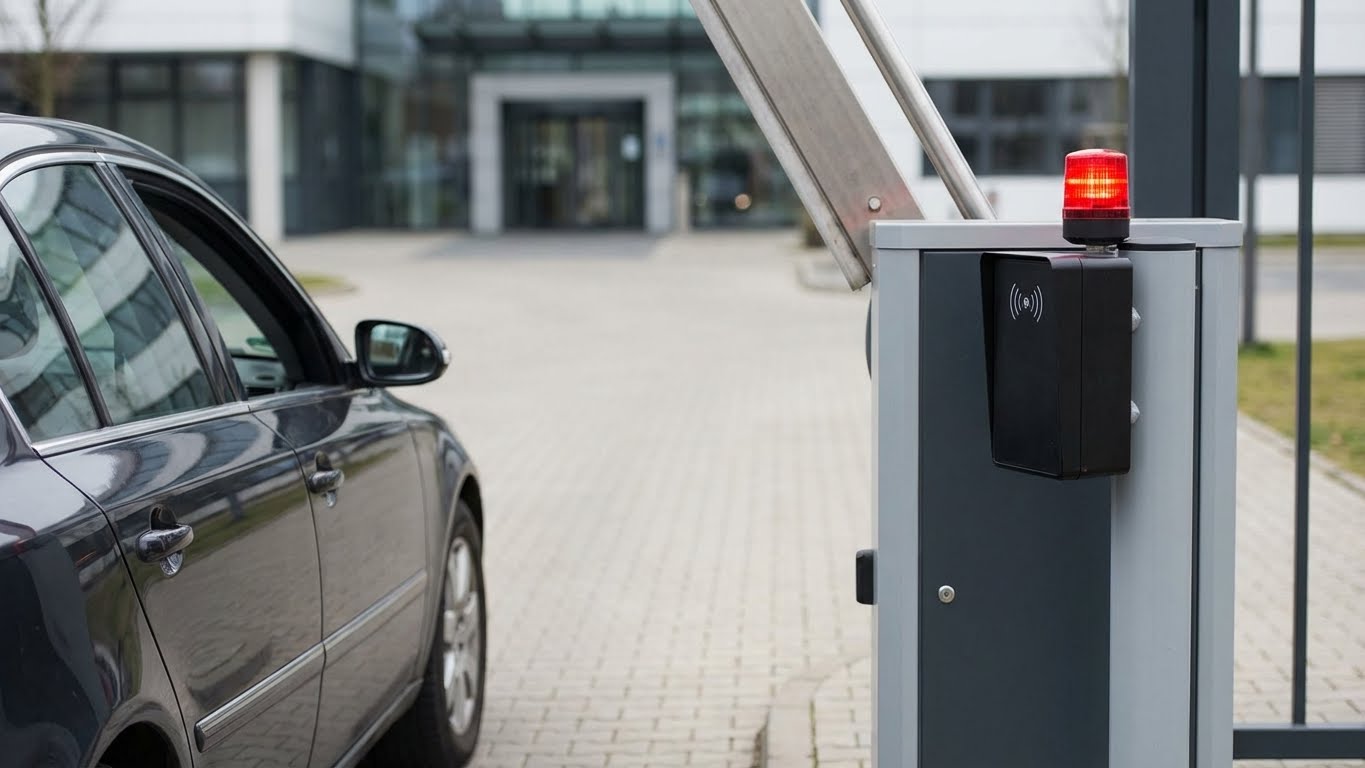
A gate access control system is a security solution that manages and restricts entry and exit through a physical gate. It verifies the identity of a person, vehicle, or device before granting access.
Unlike basic gate automation, which only opens or closes a gate, access control systems decide who is allowed to open the gate and when. This makes them more secure and suitable for controlled environments.
Gate access control systems are commonly used in:
- Residential societies and gated communities
- Office buildings and business parks
- Industrial facilities and warehouses
- Parking areas and campuses
How Gate Access Control Systems Work
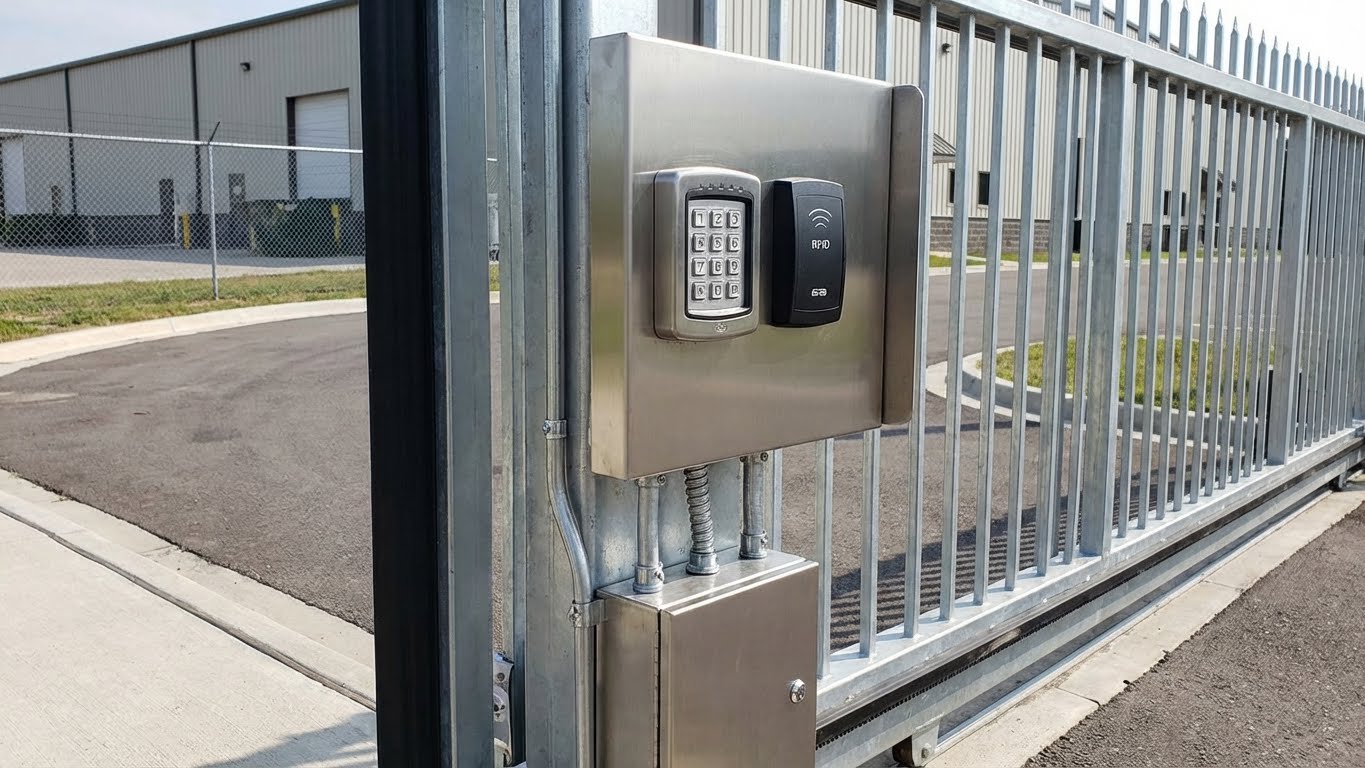
Gate access control systems operate through a combination of hardware and software that work together to verify access requests.
Basic Components of a Gate Access Control System
- Access credential used by the user
- Reader or scanner that reads the credential
- Control panel that processes access decisions
- Gate operator that physically opens or closes the gate
- Power supply and backup to ensure uninterrupted operation
Step-by-Step Access Process
- A user presents a credential such as a card, fingerprint, or mobile app
- The reader captures the credential data
- The control panel checks permissions
- If authorized, the gate operator opens the gate
- The event is recorded in the system log
Role of Software and Connectivity
- Manages user permissions
- Stores access logs
- Enables remote monitoring
- Supports updates and integrations
Types of Gate Access Control Systems
Gate access control systems come in different types depending on the access method used.
Keypad-Based Gate Access Systems
These systems require users to enter a PIN code to gain access. They are simple and commonly used in small residential or parking areas.
RFID Card and Tag-Based Systems
RFID systems use cards, tags, or stickers that communicate wirelessly with a reader. These are widely used due to their reliability and ease of management.
Biometric Gate Access Systems
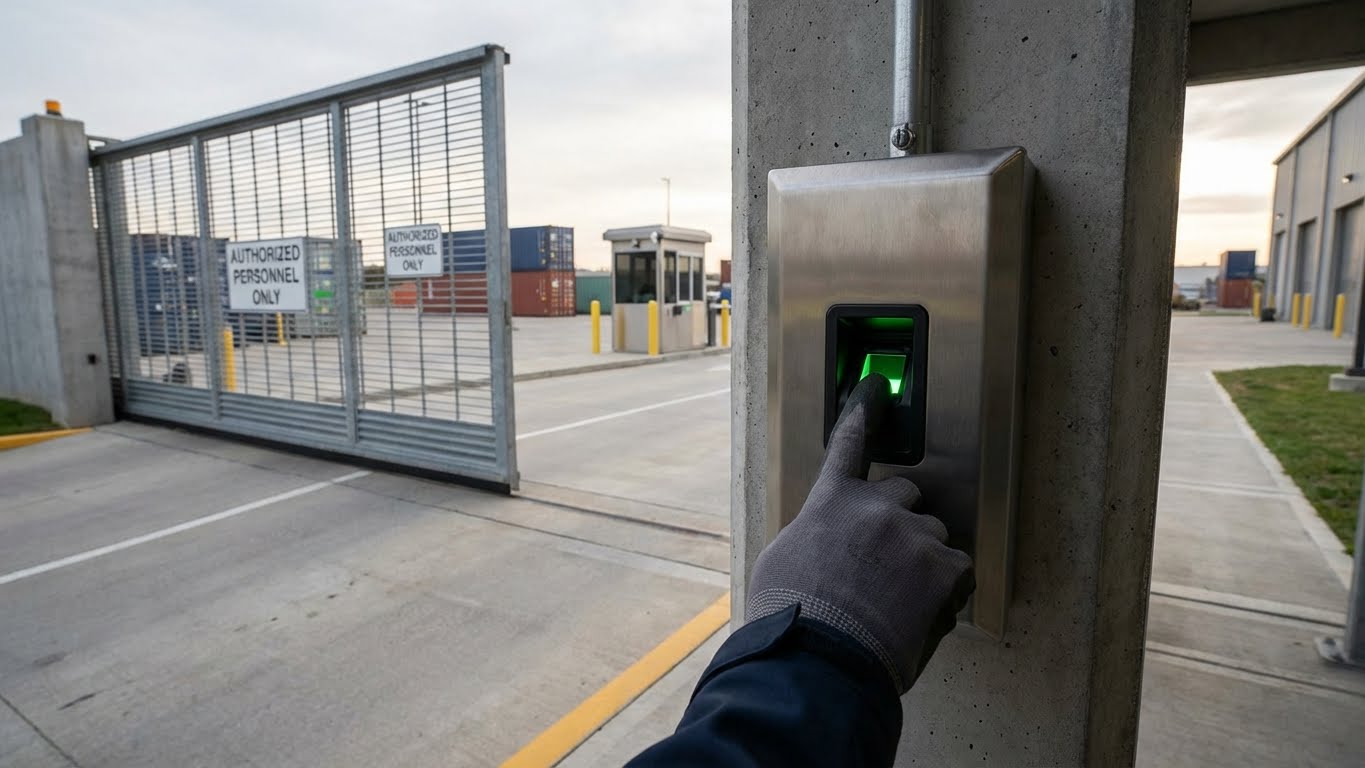
Biometric systems verify physical characteristics such as fingerprints or facial features. They offer higher security because credentials cannot be easily shared.
Mobile and App-Based Gate Access
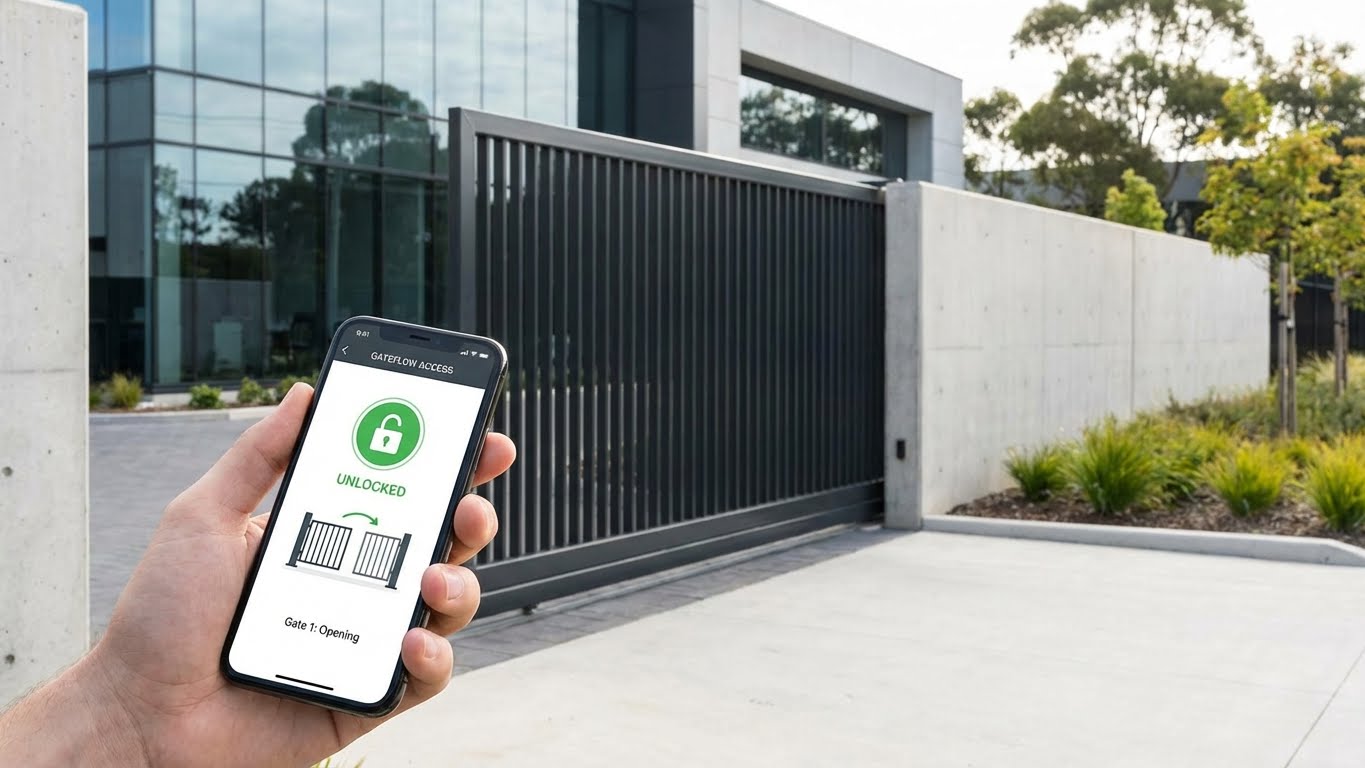
These systems allow users to open gates using smartphones. Access can be managed remotely and revoked instantly if required.
Remote and Cloud-Based Gate Access Systems
Cloud-based systems store data online, enabling centralized management across multiple locations and real-time updates.
Gate Access Credentials Explained
Gate access credentials are the means by which users prove their authorization.
Physical Credentials
- RFID cards
- Key fobs
- Vehicle tags
Digital Credentials
- Mobile app access
- QR codes
- Bluetooth-based credentials
Temporary and Visitor Credentials
- Time-limited access
- One-time entry permissions
- Visitor passes
Credential Lifecycle Management
- Issuing credentials
- Modifying access rights
- Deactivating lost or unused credentials
Key Components of a Gate Access Control System
Each gate access control system consists of multiple components working together.
Gate Hardware and Operators
- Sliding or swing gate motors
- Barrier arms
- Turnstile mechanisms
Access Readers and Devices
- Keypads
- RFID readers
- Biometric scanners
Control Panels and Controllers
- Store access rules
- Communicate with readers and gate operators
Software and Management Dashboard
- User and credential management
- Access reports and logs
- System configuration
Power Backup and Fail-Safe Mechanisms
- Battery backups
- Manual overrides
- Emergency opening features
Benefits of Gate Access Control Systems
Gate access control systems provide multiple operational and security advantages.
- Improved security by restricting unauthorized entry
- Better control over vehicle and pedestrian access
- Reduced dependency on manual security checks
- Detailed access logs for audits and investigations
- Scalable solutions that grow with property needs
Gate Access Control Systems for Different Use Cases
Different environments require different access control approaches.
Residential Societies and Gated Communities
- Resident and visitor access management
- Vehicle entry control
- Reduced security staff workload
Commercial Buildings and Offices
- Employee access management
- Visitor tracking
- Integration with attendance systems
Industrial and Manufacturing Facilities
- Restricted access to sensitive zones
- Compliance with safety standards
- Shift-based access control
Parking Lots and Vehicle Entry Points
- Automated vehicle entry
- Time-based parking access
- Reduced congestion
Educational and Healthcare Campuses
- Controlled public access
- Emergency access protocols
- Zone-based permissions
Integration with Other Security Systems
Gate access control systems are more effective when integrated with other security solutions.
CCTV and Video Surveillance Integration
- Visual verification of access events
- Incident review using recorded footage
Alarm and Intrusion Detection Systems
- Trigger alerts during unauthorized access attempts
- Improve response times
Time and Attendance Systems
- Track employee entry and exit
- Reduce manual attendance errors
Smart Home and Smart Building Systems
- Centralized control
- Automation based on schedules or occupancy
Cloud-Based and Smart Gate Access Control Trends in 2026
Technology advancements continue to shape access control systems.
- Increased adoption of cloud-managed platforms
- Growing use of mobile credentials
- Integration with IoT devices
- Data-driven insights for security optimization
These trends improve flexibility, scalability, and ease of management.
Security Risks and Challenges in Gate Access Control
Despite their benefits, gate access control systems face certain challenges.
- Unauthorized access due to credential sharing
- Tailgating or piggybacking incidents
- Power failures affecting system availability
- Data security and privacy concerns
Proper configuration and regular maintenance help mitigate these risks.
How to Choose the Right Gate Access Control System
Selecting the right system depends on multiple factors.
- Size and layout of the property
- Number of access points
- Level of security required
- Budget constraints
- Future expansion needs
- Availability of technical support
A clear assessment ensures long-term effectiveness.
Installation and Maintenance Considerations
Proper installation and maintenance are critical for system reliability.
Site Assessment Before Installation
- Gate type and movement
- Power and network availability
Wired vs Wireless System Selection
- Wired systems for stability
- Wireless systems for flexibility
Maintenance Best Practices
- Regular inspections
- Software updates
- Hardware testing
Importance of Regular System Updates
- Security improvements
- Performance optimization
- Compatibility with new devices
Compliance and Safety Considerations
Gate access control systems must comply with safety and legal requirements.
- Fire safety and emergency exit rules
- Local building and security regulations
- Accessibility for authorized personnel
- Fail-safe operation during emergencies
Compliance ensures safety and avoids legal issues.
Cost of Gate Access Control Systems in 2026
The cost of gate access control systems varies based on several factors.
- Type of access technology used
- Number of gates and users
- Installation complexity
- Software licensing and maintenance
While initial costs may vary, long-term benefits often justify the investment.
Common Myths About Gate Access Control Systems
Several misconceptions exist around gate access control.
- These systems are only for large properties
- Biometric access is unsafe
- Installation is too complex
- Automation replaces human oversight completely
In reality, modern systems are flexible, secure, and adaptable.
Conclusion
Gate access control systems have become an essential part of modern security infrastructure in 2026. They offer controlled access, improved safety, and better operational efficiency across residential, commercial, and industrial environments.
By understanding how these systems work, their components, benefits, and challenges, property owners and managers can make informed decisions. Choosing the right gate access control system ensures a balance between security, convenience, and scalability for the future.