Airports around the world are handling more passengers than ever before. With this growth comes challenges such as long queues, repeated identity checks, and delays during security and boarding. Travelers expect faster, smoother, and more comfortable journeys, while airports must maintain high security standards. To balance these needs, airports are adopting advanced digital solutions. One of the most important changes in recent years is biometric boarding. By using a passenger’s unique biological features to verify identity, biometric boarding is changing how airports operate and how passengers experience air travel.
What Is Biometric Boarding?
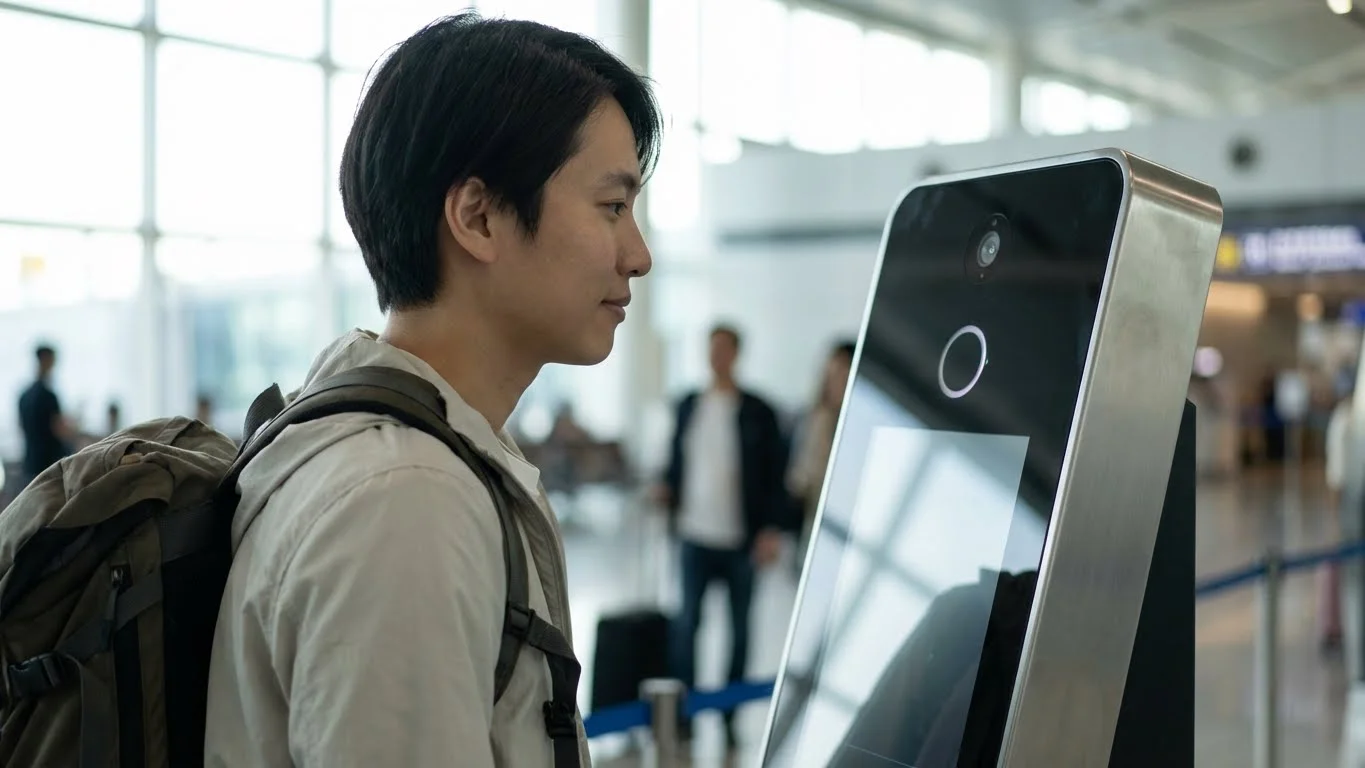
Biometric boarding is a modern identity verification process that uses unique physical characteristics to confirm a passenger’s identity during the airport journey. Instead of relying only on boarding passes and physical identification documents, biometric systems confirm who a passenger is through biological data.
- It uses unique human characteristics for identification
- It reduces dependency on physical documents
- It enables faster and more accurate identity checks
- It supports contactless passenger processing
Common biometric methods used in airports include:
- Facial recognition
- Fingerprint scanning
- Iris recognition
How Biometric Boarding Works at Airports
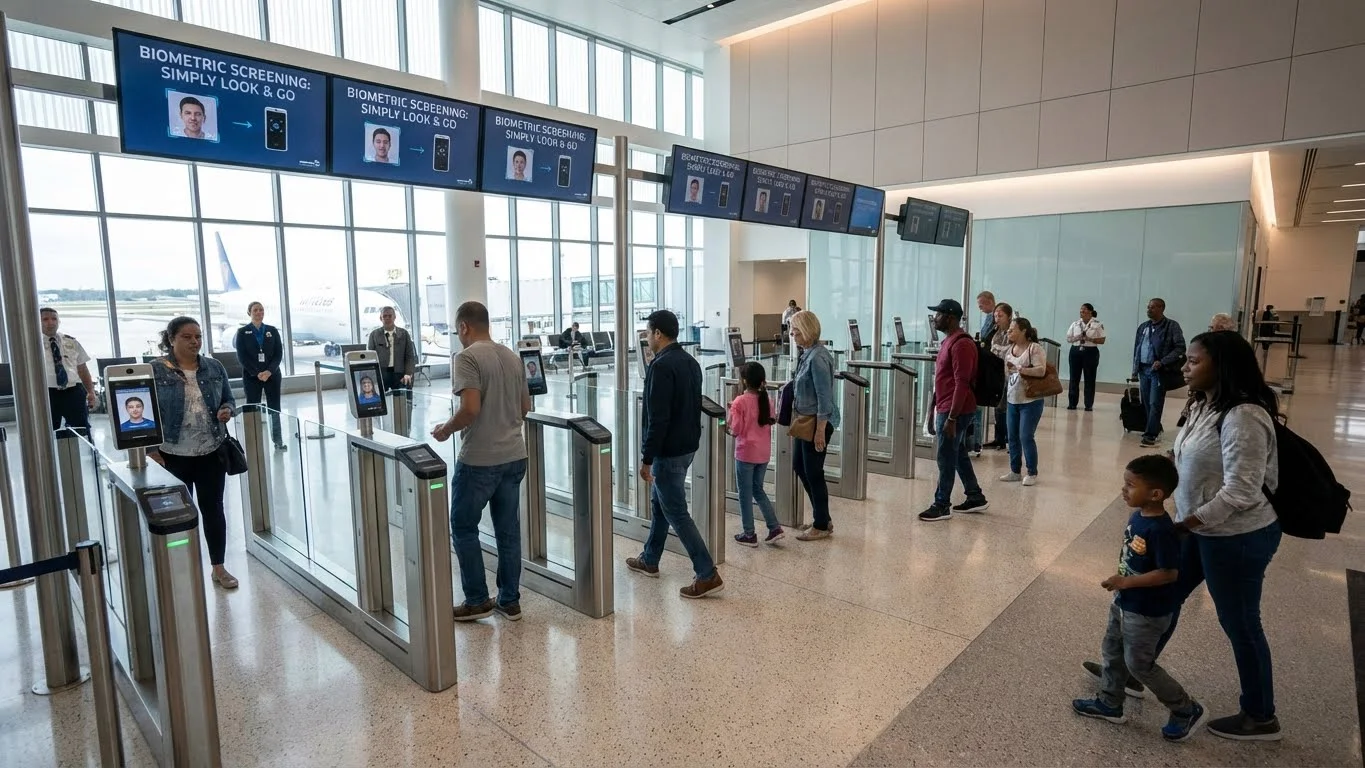
Biometric boarding works through a step-by-step digital process that connects passengers, airlines, and airport systems.
- Passengers enroll their biometric data during check-in or beforehand
- The biometric data is securely linked to travel details
- Identity verification happens automatically at checkpoints
- Passengers move through the airport without repeated manual checks
When a passenger approaches a checkpoint, the system compares live biometric data with stored records to confirm identity in seconds. This process improves speed while maintaining security accuracy.
Key Technologies Behind Biometric Boarding
Several advanced technologies work together to make biometric boarding reliable and efficient.
- Facial recognition technology to analyze facial features
- Artificial intelligence to match biometric data quickly
- Machine learning to improve accuracy over time
- Secure cloud systems to store and manage passenger data
- Integration with airline and airport security databases
These technologies ensure that biometric boarding systems operate smoothly and consistently across different airport touchpoints.
Why Airports Are Adopting Biometric Boarding
Airports are adopting biometric boarding to solve operational and passenger-related challenges.
- Passenger traffic is increasing every year
- Manual verification processes cause delays and congestion
- Airports need scalable solutions for future growth
- Travelers expect faster and more seamless experiences
Biometric boarding helps airports modernize operations while meeting rising passenger expectations.
Benefits of Biometric Boarding for Airports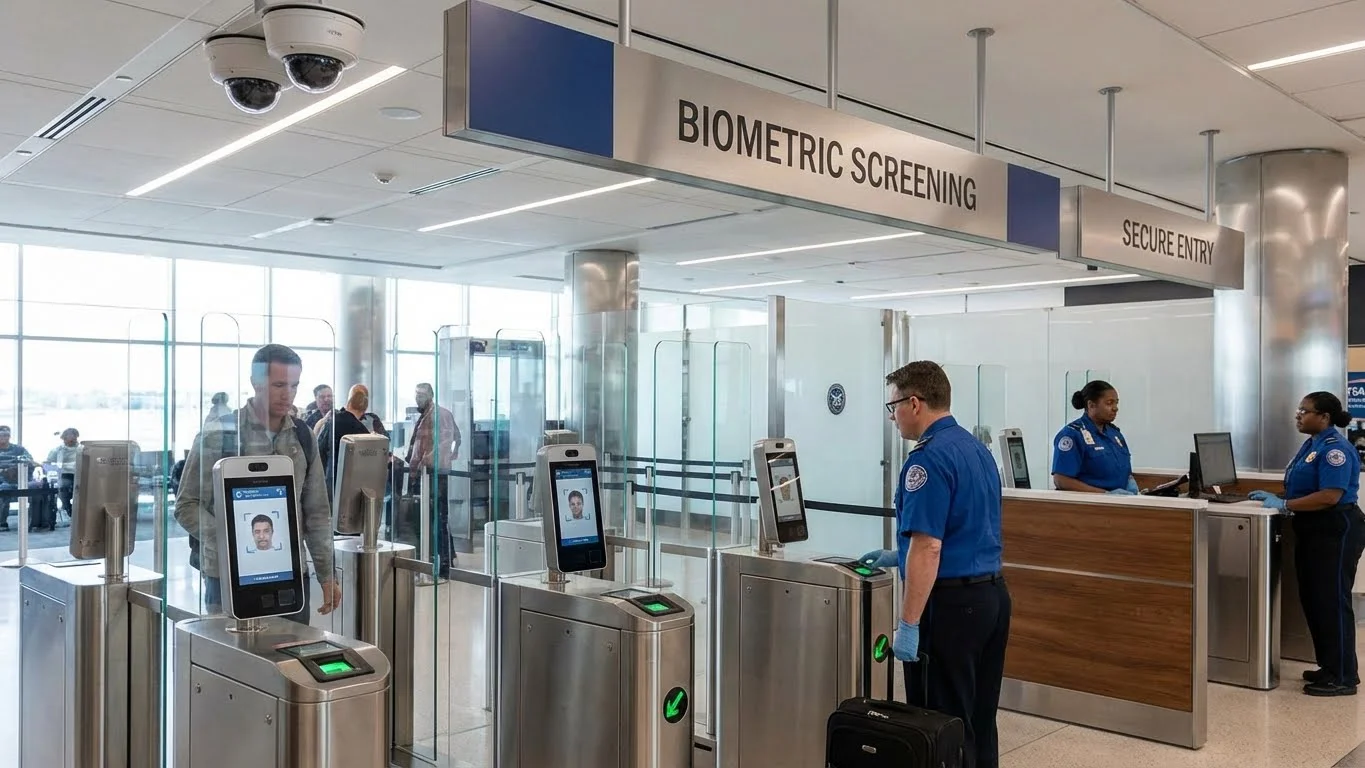
For airports, biometric boarding improves efficiency and resource management.
- Faster passenger processing at checkpoints
- Reduced queues at security and boarding gates
- Improved accuracy in identity verification
- Lower operational pressure on staff
- Better crowd flow management
These benefits help airports operate smoothly, even during peak travel times.
Benefits of Biometric Boarding for Passengers
Biometric boarding significantly improves the travel experience for passengers.
- Reduced waiting time at airport checkpoints
- Contactless and convenient identity verification
- Fewer document checks throughout the journey
- Less stress during boarding and security
Passengers enjoy a smoother and more predictable airport experience from entry to boarding.
Biometric Boarding vs Traditional Boarding Process
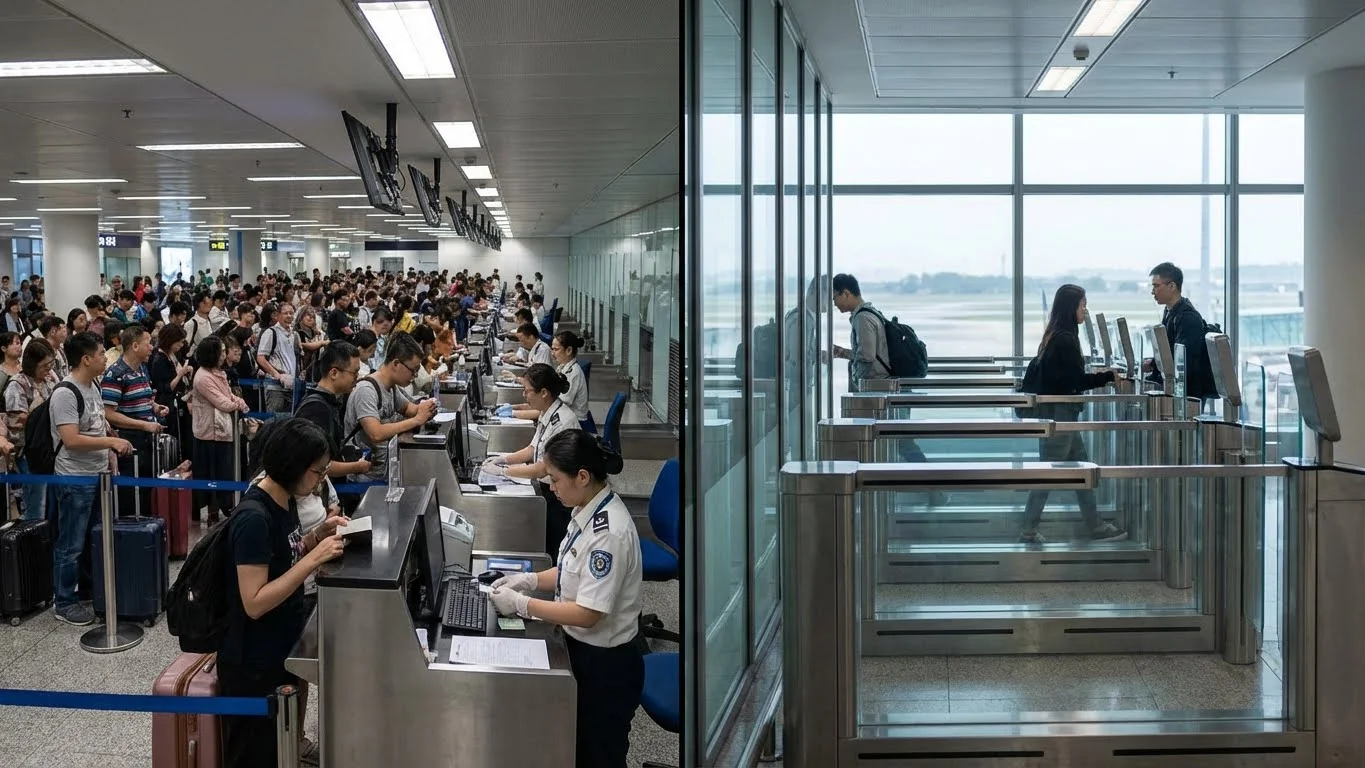
Biometric boarding offers clear improvements over traditional boarding methods.
- Identity verification is automated instead of manual
- Processing is faster and more consistent
- Reduced chances of human error
- Less reliance on printed boarding passes and repeated ID checks
Traditional boarding relies heavily on staff and manual processes, which can slow down operations and increase delays.
Use Cases of Biometric Boarding in Airports
Biometric boarding supports multiple stages of the airport journey, not just the boarding gate.
- Passenger check-in verification
- Self-service baggage drop
- Security screening checkpoints
- Immigration and customs processing
- Boarding gate access
By covering multiple touchpoints, biometric systems create a seamless end-to-end travel flow.
Privacy and Data Security Concerns
While biometric boarding offers many advantages, privacy and data protection are important considerations.
- Passenger consent is required before data collection
- Biometric data must be securely encrypted
- Clear rules are needed for data usage and storage
- Data retention policies should be transparent
Strong security practices are essential to maintain passenger trust and system integrity.
Challenges in Implementing Biometric Boarding
Implementing biometric boarding systems comes with certain challenges for airports.
- High initial investment in technology and infrastructure
- Integration with existing airport and airline systems
- Staff training and system maintenance requirements
- Passenger awareness and acceptance
Addressing these challenges requires careful planning and phased implementation.
How Biometric Boarding Is Shaping the Future of Air Travel
Biometric boarding is influencing how airports and airlines design travel experiences.
- Airports are moving toward fully digital operations
- Passenger expectations are shifting toward speed and convenience
- Operations are becoming more data-driven and efficient
- Travel experiences are becoming more seamless and connected
This transformation is setting new standards for modern air travel.
Conclusion
Biometric boarding is transforming airports by replacing traditional, manual identity checks with faster, more secure, and contactless processes. It helps airports manage growing passenger volumes while improving efficiency and security. For passengers, it reduces waiting times and simplifies the entire airport journey. Although challenges such as cost and privacy concerns exist, ongoing improvements in technology and data protection are addressing these issues. As airports continue to modernize, biometric boarding is set to become a core part of the future of air travel.