Biometrics has become a core part of modern security systems. Fingerprint scanners, facial recognition, and iris scans are now used in smartphones, offices, airports, banking, and government identity programs. As biometric systems spread across industries and countries, one major question becomes important: How do we ensure these systems are accurate, fair, secure, and reliable?
This is where NIST plays a critical role. NIST provides trusted standards, testing methods, and benchmarks that help governments, organizations, and technology providers evaluate biometric systems properly. Understanding what NIST means for biometrics standards is essential for anyone involved in biometric technology, from developers to decision-makers.
What Is NIST?

NIST is a U.S.-based organization responsible for developing standards and guidelines that support technology, innovation, and security. While it operates under the U.S. government, its work is widely used across the world.
NIST does not create laws or regulations. Instead, it develops technical standards and testing frameworks that organizations can voluntarily adopt. These standards often become the foundation for policies, procurement requirements, and global best practices.
Key aspects of NIST:
- Develops science-based and data-driven standards
- Focuses on accuracy, consistency, and reliability
- Works closely with government, industry, and academic experts
- Provides transparent and repeatable testing methods
Because of this approach, NIST standards are widely trusted and adopted beyond the United States.
Understanding Biometrics Standards
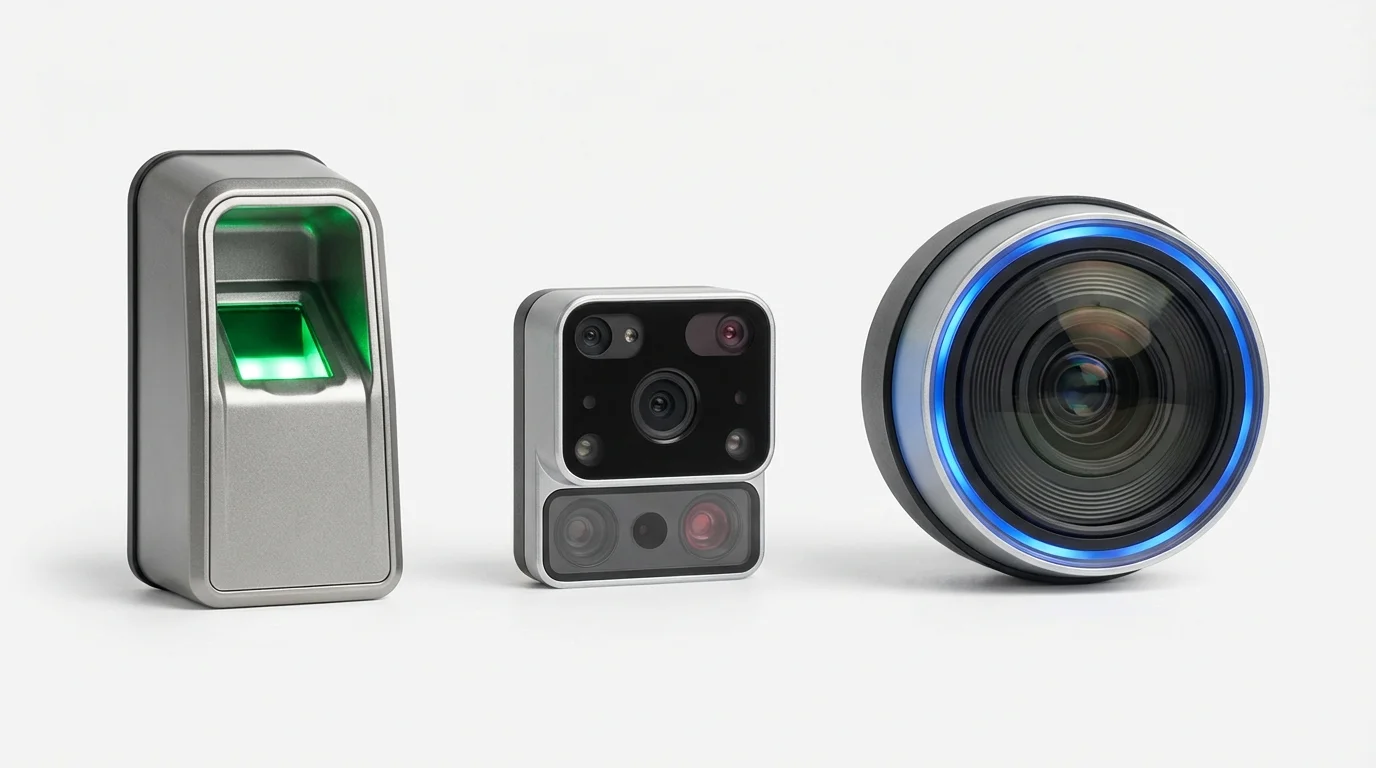
Biometrics standards define how biometric systems should collect, store, process, and evaluate biometric data. Without standards, different systems may work inconsistently or fail to communicate with each other.
Biometric standards help ensure that systems perform as expected under real-world conditions.
Why biometrics standards are important:
- Ensure consistent performance across devices and vendors
- Improve accuracy and reduce error rates
- Enable interoperability between different systems
- Support fairness and reduce unintended bias
- Improve security and protect sensitive biometric data
Common biometric modalities affected by standards:
- Fingerprint recognition
- Facial recognition
- Iris recognition
NIST’s Role in Biometrics Standardization
NIST plays a central role in defining how biometric technologies are evaluated and compared. Rather than promoting specific products, NIST focuses on objective testing and measurement.
NIST evaluates biometric systems using large, diverse datasets and publishes results openly. This allows organizations to understand how systems perform under different conditions.
NIST’s approach to biometrics standardization includes:
- Developing standardized test methods
- Measuring accuracy, speed, and reliability
- Evaluating performance across demographic groups
- Updating benchmarks as technology evolves
This structured approach helps build trust in biometric systems.
Key NIST Biometric Programs and Publications
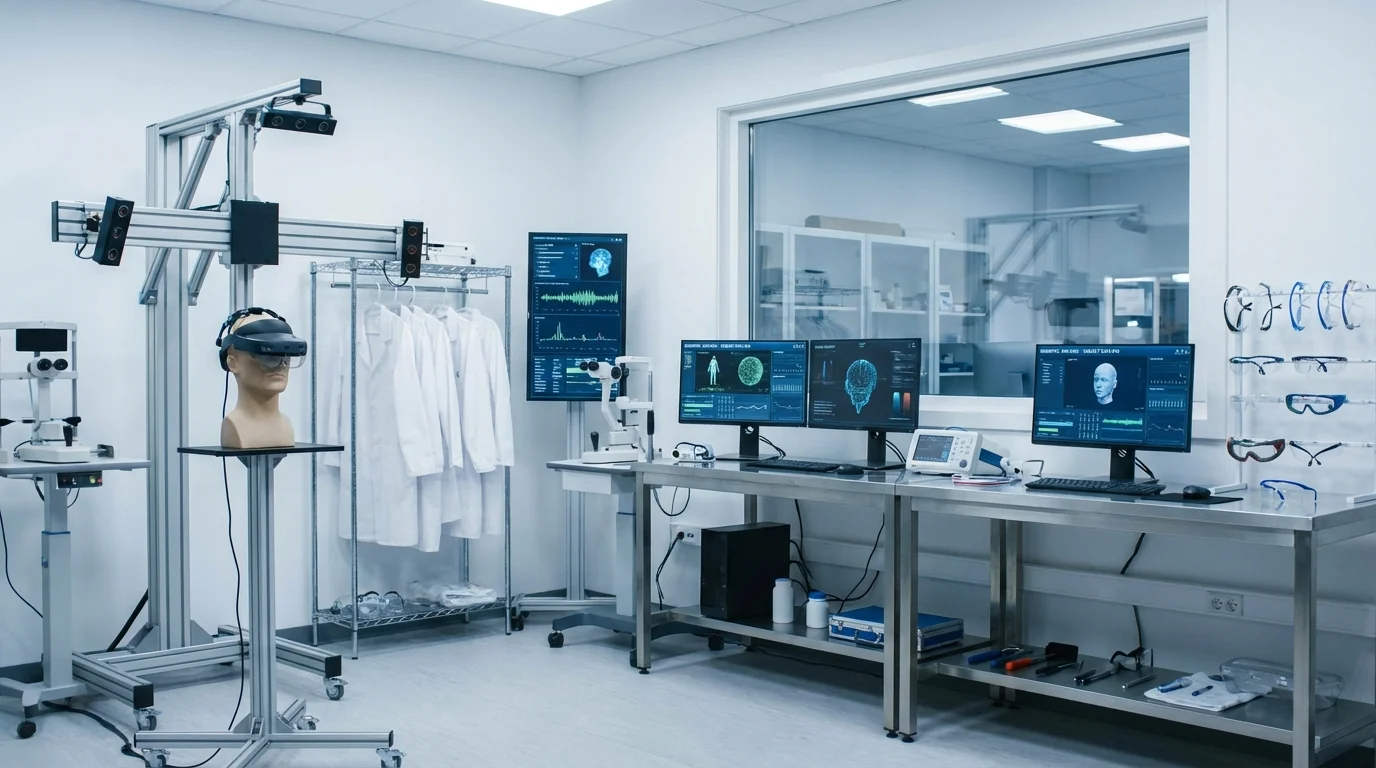
NIST conducts large-scale biometric testing programs that evaluate commercial and research systems. These programs focus on real-world performance rather than controlled laboratory conditions.
The results are published as detailed reports that explain testing methods, limitations, and outcomes.
Why these programs matter:
- Provide neutral performance comparisons
- Help buyers make informed decisions
- Encourage vendors to improve accuracy and fairness
- Create industry-wide performance benchmarks
These publications are widely used by governments, enterprises, and system integrators.
NIST Standards for Fingerprint Recognition
Fingerprint recognition is one of the oldest and most widely used biometric technologies. NIST has played a major role in standardizing how fingerprint images are captured and evaluated.
NIST standards define image quality, resolution, and data formats to ensure reliable matching across systems.
Key focus areas in fingerprint standards:
- Image clarity and ridge detail
- Standardized fingerprint data formats
- Interoperability between devices and databases
- Performance testing of matching algorithms
These standards are especially important for large-scale identity systems and law enforcement databases.
NIST Standards for Facial Recognition

Facial recognition systems are widely used for identity verification and surveillance. NIST evaluates these systems to understand how accurately they perform under different conditions.
NIST testing has helped identify performance differences related to image quality, lighting, pose, and demographics.
Key aspects of facial recognition standards:
- Accuracy testing under real-world conditions
- Evaluation across different age groups and demographics
- Impact of image quality and capture environments
- Transparent reporting of error rates
These standards help organizations choose systems that meet their accuracy and fairness requirements.
NIST and Biometric Data Security
Biometric data is sensitive because it cannot be changed like a password. NIST provides guidance to help organizations protect biometric information throughout its lifecycle.
This includes how biometric data is stored, transmitted, and accessed.
Core security and privacy principles supported by NIST:
- Secure storage of biometric templates
- Protection during data transmission
- Controlled access to biometric systems
- Risk assessment and mitigation practices
Following these guidelines reduces the risk of data misuse or breaches.
How NIST Standards Impact Biometric Vendors
For biometric vendors, NIST standards act as a benchmark for credibility and performance. Many buyers expect products to be tested using NIST methodologies.
Aligning with NIST standards can influence product design and development.
Impact on biometric vendors includes:
- Clear performance targets during development
- Increased trust from customers and governments
- Competitive advantage in procurement processes
- Reduced risk of deployment failures
Vendors that perform well in NIST evaluations often gain stronger market confidence.
Benefits of NIST Standards for Organizations
Organizations that adopt NIST-aligned biometric systems benefit from improved reliability and transparency.
These standards help decision-makers compare technologies objectively instead of relying on vendor claims alone.
Benefits for organizations include:
- Higher accuracy and system reliability
- Better interoperability across platforms
- Increased user trust and acceptance
- Stronger alignment with compliance and governance needs
This is especially important for large-scale or mission-critical systems.
NIST Standards vs. Other Biometric Standards Bodies
Biometric standards exist at both national and international levels. NIST focuses primarily on performance testing and evaluation rather than formal international specifications.
Other organizations may define data formats or interoperability rules, while NIST focuses on how well systems actually work.
Where NIST fits in the global ecosystem:
- Provides performance benchmarks rather than certifications
- Supports policy decisions with real-world data
- Complements international technical standards
- Influences global biometric best practices
This makes NIST a reference point rather than a competing authority.
Challenges and Limitations of NIST Biometrics Standards
While NIST standards are widely respected, they are not without challenges. Technology evolves rapidly, and testing methods must continuously adapt.
Interpreting NIST results also requires technical understanding.
Key challenges include:
- Complexity of large-scale testing programs
- Time required to update standards
- Cost of aligning products with benchmarks
- Differences in regional requirements and use cases
Despite these challenges, NIST standards remain highly influential.
How to Align Your Biometric System With NIST Standards
Organizations and developers can take practical steps to align their biometric systems with NIST standards.
Alignment does not always require formal certification but involves following best practices and benchmarks.
Key steps for alignment:
- Review relevant NIST biometric publications
- Test systems using standardized datasets and metrics
- Evaluate performance across diverse user groups
- Continuously monitor and improve system accuracy
This approach helps reduce risk and improve long-term system performance.
Conclusion
NIST plays a foundational role in shaping how biometric systems are evaluated and trusted worldwide. By providing transparent, science-based standards and testing methods, NIST helps ensure that biometric technologies are accurate, secure, and fair.
As biometrics continue to expand across industries, NIST standards will remain essential for building confidence, protecting users, and supporting reliable identity systems in the long term.