In an era where organizations rely heavily on data to make decisions, run operations, and serve customers, the accuracy and reliability of that data have never been more critical. Every report, transaction, prediction, and insight depends on one foundational principle: Data Integrity.
If data is incomplete, altered, duplicated, or corrupted, it can lead to poor decisions, operational failures, compliance issues, and loss of trust. Whether you’re a business leader, IT professional, or everyday digital user, understanding data integrity—and why it matters—is essential.
This in-depth guide explains what data integrity is, how it works, its benefits, risks, and best practices, all in simple, practical terms.
What Is Data Integrity and Why Is It Important
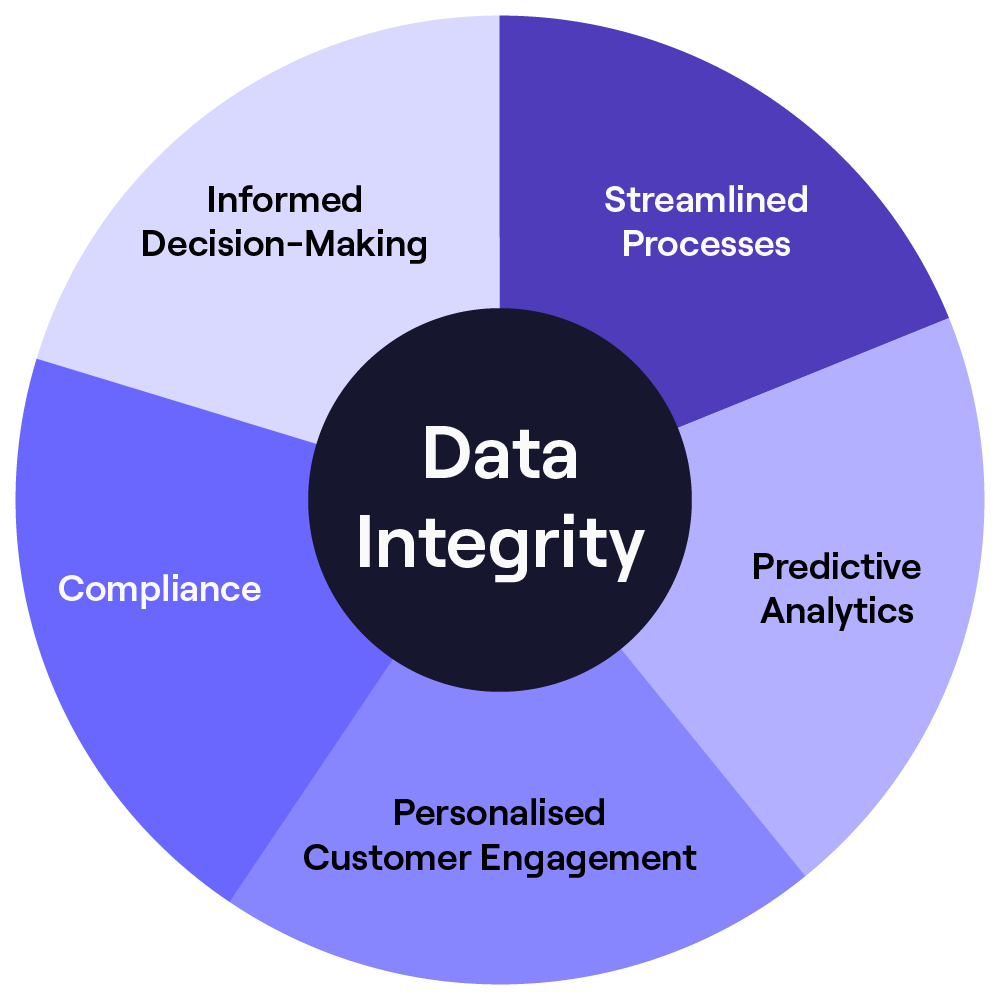
Data Integrity refers to the accuracy, consistency, completeness, and reliability of data throughout its entire lifecycle—from creation and storage to processing, transfer, and deletion.
In simple terms, data integrity ensures that:
- Data is correct
- Data is unchanged unless authorized
- Data remains consistent across systems
- Data can be trusted for decision-making
Data integrity is important because modern organizations depend on data for:
- strategic decisions
- financial reporting
- customer service
- regulatory compliance
- cybersecurity defenses
When data integrity is compromised, the consequences can include financial loss, legal penalties, damaged reputation, and operational disruption.
How Does Data Integrity Work?
Data integrity is maintained through a combination of technical controls, processes, and human practices that protect data from errors, unauthorized changes, and corruption.
At a high level, data integrity works by:
- controlling who can access or modify data
- validating data at every stage
- protecting data from physical and digital threats
- monitoring changes and anomalies
There are two main components of data integrity: physical integrity and logical integrity.
Physical Integrity
Physical integrity protects data from physical damage or loss caused by environmental or hardware-related issues.
What Threatens Physical Integrity?
- Power outages
- Hardware failures (hard drives, servers)
- Natural disasters (floods, fires, earthquakes)
- Physical theft or damage to devices
How Physical Integrity Is Maintained
- Redundant storage systems
- Backup power supplies
- Regular data backups
- Secure data centers and storage facilities
Physical integrity ensures that data remains available and intact even when unexpected physical events occur.
Logical Integrity
Logical integrity ensures that data remains accurate, consistent, and valid during normal operations and usage.
Key Aspects of Logical Integrity
- Data is entered correctly
- Relationships between datasets remain intact
- Updates follow predefined rules
- Unauthorized changes are prevented
Logical integrity is often enforced through:
- validation rules
- access controls
- database constraints
- audit logs
While physical integrity protects data from external damage, logical integrity protects data from internal errors and misuse.
What Are the Benefits of Data Integrity?
Maintaining strong data integrity offers significant benefits across all areas of an organization.
Product and Service Quality
High-quality products and services depend on reliable data.
When data integrity is strong:
- inventory data is accurate
- customer information is reliable
- service delivery is consistent
When data integrity is weak:
- orders may be incorrect
- services may fail
- customer dissatisfaction increases
Accurate data leads directly to better outcomes for customers.
Safety and Privacy for Users
Data integrity plays a major role in protecting sensitive information.
Reliable data systems help ensure:
- personal data is not altered or exposed
- medical records remain accurate
- financial information is trustworthy
Without data integrity, user privacy and safety are at risk, which can result in serious legal and ethical issues.
Fewer Mistakes and Errors
Errors in data often lead to errors in decisions.
Strong data integrity reduces:
- incorrect reports
- flawed analysis
- faulty automation outcomes
This results in fewer operational mistakes and improved confidence in data-driven decisions.
Smooth Operational Workflows
Organizations with high data integrity experience smoother workflows because:
- systems trust each other’s data
- processes run without constant manual corrections
- teams spend less time fixing data issues
Reliable data keeps operations efficient and scalable.
Stronger Compliance with Regulations
Many industries are governed by strict data regulations.
Strong data integrity helps organizations:
- meet audit requirements
- ensure accurate recordkeeping
- demonstrate accountability
Without reliable data, compliance becomes difficult and risky.
What’s the Difference Between Data Integrity and Data Quality?
Although often used interchangeably, data integrity and data quality are not the same.
Data Integrity
- Focuses on accuracy, consistency, and protection
- Ensures data is not altered incorrectly
- Emphasizes trust and reliability
Data Quality
- Focuses on usefulness and relevance
- Includes completeness, timeliness, and usability
- Determines how fit data is for a purpose
You can have high-quality data that lacks integrity (for example, accurate data that was altered improperly), and you can have high-integrity data that is outdated or irrelevant.
The best systems maintain both data integrity and data quality.
What Are the Biggest Data Integrity Risks?
Several factors can compromise data integrity if not properly managed.
Human Error
Human mistakes are one of the most common data integrity risks.
Examples include:
- incorrect data entry
- accidental deletions
- misconfigured systems
- improper data handling
Even small errors can spread across systems and cause major issues.
Cyberattacks
Cybercriminals often target data integrity, not just data theft.
Attacks may involve:
- altering records
- injecting false data
- corrupting databases
- manipulating logs
These attacks can be difficult to detect and extremely damaging.
Data Transfer Issues
Data can lose integrity during transfers due to:
- network interruptions
- incompatible formats
- synchronization errors
Without proper checks, transferred data may be incomplete or corrupted.
Malfunctioning Hardware
Failing hardware can cause:
- data corruption
- incomplete writes
- lost files
A single hardware failure can compromise large datasets if safeguards aren’t in place.
Data Redundancy
Storing the same data in multiple locations can create conflicts.
If updates are not synchronized:
- different versions of data appear
- inconsistencies arise
- trust in data declines
Data redundancy without proper controls increases integrity risks.
Poor Database Design
Weak database structures can:
- allow invalid data
- break relationships between tables
- cause inconsistent updates
Good database design is foundational to maintaining data integrity.
Protect Your Business with Data Integrity
Protecting data integrity is not optional—it’s a strategic necessity. Organizations that proactively manage data integrity are better prepared to handle growth, threats, and regulatory demands.
How to Ensure Data Integrity
Maintaining data integrity requires a combination of technical measures and organizational practices.
Backups
Regular backups ensure data can be restored if integrity is compromised.
Best practices include:
- automated backups
- secure storage locations
- routine testing of recovery processes
Backups are the last line of defense against data loss and corruption.
Encryption and Access Control
Encryption protects data from unauthorized access or tampering.
Access control ensures:
- only authorized users can modify data
- permissions are role-based
- sensitive data is restricted
Together, they form a strong foundation for data integrity.
Verification and Validation
Verification ensures data was transferred or stored correctly.
Validation ensures data meets defined rules.
Examples include:
- checksum validation
- input validation rules
- consistency checks
These mechanisms catch errors early.
Deduplication
Deduplication removes duplicate data records.
This:
- reduces inconsistencies
- improves accuracy
- simplifies data management
Deduplication is especially important in large, distributed systems.
Training and Education
Technology alone cannot protect data integrity.
Employees must understand:
- proper data handling practices
- security responsibilities
- risks of careless behavior
Training reduces human error and strengthens data protection culture.
Regular Audits
Audits help identify integrity issues before they become serious problems.
Audits may include:
- access reviews
- data consistency checks
- system performance analysis
Continuous monitoring improves long-term reliability.
Strong Security Solutions
Robust security tools help:
- detect unauthorized changes
- monitor unusual activity
- protect against cyber threats
Security and data integrity go hand in hand.
FAQs
What is data integrity in simple terms?
Data integrity means keeping data accurate, consistent, and trustworthy throughout its lifecycle.
Why is data integrity important for businesses?
Because decisions, compliance, and customer trust all depend on reliable data.
What are the main threats to data integrity?
Human error, cyberattacks, hardware failures, data transfer issues, and poor system design.
Is data integrity only an IT concern?
No. While IT plays a key role, data integrity involves people, processes, and policies across the organization.
How often should data integrity be checked?
Continuously. Regular monitoring, audits, and validation should be part of daily operations.
Conclusion
In a data-driven world, Data Integrity is the foundation of trust, accuracy, and reliability. Without it, even the most advanced systems and analytics tools become useless—or dangerous.
Strong data integrity ensures that:
- decisions are based on facts
- operations run smoothly
- users are protected
- compliance is achievable
- organizations remain resilient
By understanding data integrity, addressing its risks, and implementing best practices, businesses and individuals can safeguard one of their most valuable assets: data they can trust.

Debabrata Behera is a passionate blogger who writes about digital trends, personal growth, and practical insights, helping readers stay informed, inspired, and ready to achieve success in life.