In today’s fast-paced digital world, businesses and organizations are constantly seeking ways to improve efficiency, reduce costs, and innovate faster. One of the most transformative technologies enabling this is cloud computing. From startups to large enterprises, and even highly regulated industries, cloud computing has become a cornerstone of modern IT strategies.
In this blog, we’ll explore 10 key benefits of cloud computing, explain each in depth, and also answer common questions to help you understand why adopting the cloud is no longer optional—it’s essential.
What is Cloud Computing?

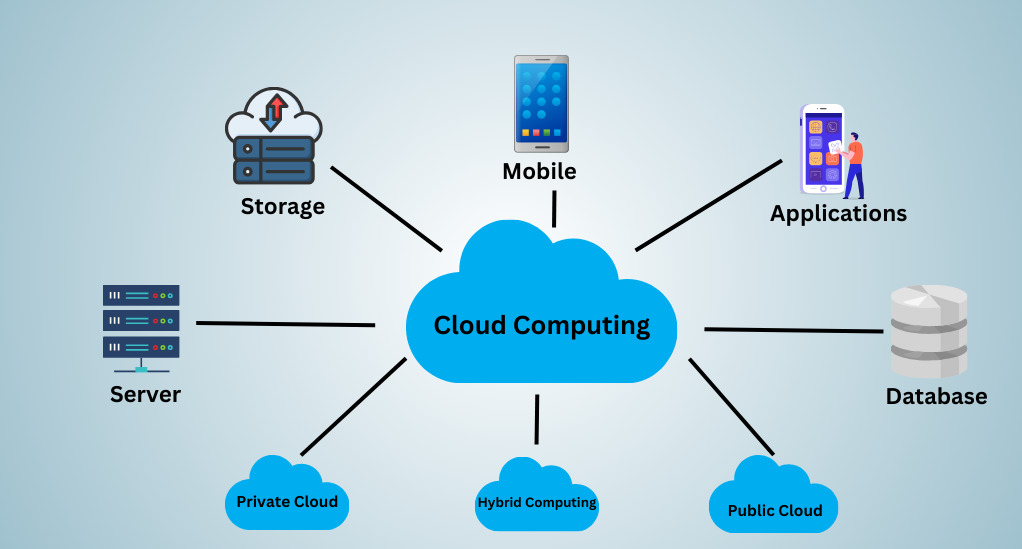
Before diving into the benefits, it’s important to understand what cloud computing is. Simply put, cloud computing refers to delivering computing services—including servers, storage, databases, networking, software, and analytics—over the internet (“the cloud”) rather than using local servers or personal devices.
Cloud computing allows businesses to access IT resources on-demand, without the need to invest in physical infrastructure. This shift has enabled organizations to become more agile, scalable, and efficient, and has transformed the way technology supports business operations.
Top 10 Benefits of Cloud Computing
Cloud computing offers a wide range of advantages for businesses of all sizes. From cost savings to improved security and scalability, the top 10 benefits of cloud computing help organizations operate more efficiently, innovate faster, and stay competitive in a digital-first world. Below, we explore each benefit in detail.
High Cloud Availability and Cloud Resilience, Less Downtime
One of the primary advantages of cloud computing is high availability and resilience.
Cloud availability refers to the accessibility of applications and services hosted on cloud servers at all times. Leading cloud providers such as Amazon Web Services (AWS), Microsoft Azure, and Google Cloud Platform maintain multiple data centers across the globe, ensuring that services remain operational even if one data center experiences issues.
Cloud resilience is the system’s ability to recover quickly from failures. With features like automatic failover, disaster recovery solutions, and load balancing, businesses experience significantly less downtime compared to traditional IT infrastructure.
This high availability ensures that critical operations, websites, and applications remain online, enhancing customer satisfaction and trust. For industries like healthcare, finance, and government organizations, where downtime can be extremely costly, cloud resilience is a major advantage.
Efficiency in Public Cloud Computing
Efficiency is another cornerstone of cloud computing. By leveraging cloud services, businesses can optimize resource usage and reduce operational overhead.
With traditional IT infrastructure, organizations spend considerable time managing servers, storage, software updates, and security patches. Cloud computing eliminates much of this manual effort by offering automated management and monitoring tools.
Additionally, cloud platforms use virtualization to allocate computing resources efficiently, ensuring that no server is underutilized. This leads to better performance with lower operational costs.
Efficiency in the cloud also enables IT teams to focus on innovation rather than routine maintenance, allowing organizations to achieve more with fewer resources.
Faster Time-to-Market in the Public Cloud Environment
One of the most compelling reasons companies adopt cloud computing is the faster time-to-market for products and services.
Cloud platforms provide ready-to-use infrastructure, development tools, and scalable environments. This allows businesses to deploy applications quickly without waiting for hardware procurement or lengthy setup processes.
Moreover, cloud environments support continuous integration and continuous deployment (CI/CD) pipelines, which enable developers to push updates and new features rapidly.
Faster time-to-market not only enhances competitiveness but also allows businesses to respond swiftly to changing market trends and customer needs.
Pay for What You Use with Cloud Computing Services
Also Read: What is Brute Force Attack
Traditional IT infrastructure requires significant upfront capital investment in servers, storage, and networking equipment. Cloud computing, on the other hand, operates on a pay-as-you-go model.
This means organizations only pay for the resources they consume. Whether it’s computing power, storage, or software licenses, costs are aligned with actual usage, reducing wasted expenditure.
The pay-as-you-go model also provides financial flexibility, allowing businesses to scale up or down based on demand without long-term commitments. For startups and small businesses, this is particularly beneficial, as it reduces barriers to entry and minimizes financial risk.
Scalability and Elasticity of Public Cloud Services
Scalability and elasticity are two core advantages of cloud computing.
Scalability allows businesses to increase or decrease resources such as storage, computing power, or network bandwidth based on demand. For example, an e-commerce website may need more servers during holiday sales, and cloud computing enables this expansion instantly.
Elasticity refers to the system’s ability to automatically adjust resources based on real-time usage. Cloud platforms can handle spikes in traffic or workloads without manual intervention, ensuring consistent performance.
These capabilities make cloud computing ideal for businesses experiencing fluctuating workloads or rapid growth.
Public Cloud Security and Compliance
Security is often a concern for organizations considering cloud adoption. Modern cloud computing services provide advanced security and compliance measures that exceed traditional on-premises solutions.
Cloud providers implement encryption, identity and access management (IAM), firewalls, intrusion detection, and continuous monitoring to protect data. Additionally, they comply with global standards such as HIPAA, GDPR, SOC 2, and FedRAMP, making the cloud suitable even for highly regulated industries.
By leveraging cloud security, businesses reduce the risk of data breaches and gain trust from clients and stakeholders.
Collaboration and Remote Accessibility
Cloud computing facilitates better collaboration among teams, especially in today’s remote and hybrid work environments.
With cloud-based applications, employees can access documents, software, and tools from anywhere in the world. Multiple team members can work simultaneously on the same files, track changes, and communicate seamlessly.
This accessibility not only improves productivity but also fosters innovation, as teams can collaborate across geographies without technical constraints.
Automatic Software Updates and Maintenance
Cloud computing reduces the burden of software maintenance and updates.
Traditional IT setups require businesses to manually update software, operating systems, and security patches. In contrast, cloud providers automatically manage updates, ensuring that systems remain secure, up-to-date, and optimized for performance.
This feature saves time, reduces IT workload, and minimizes the risk of vulnerabilities, allowing companies to focus on strategic initiatives rather than routine maintenance.
Advanced Analytics and Data Insights
Another significant benefit of cloud computing is access to advanced analytics and data insights.
Cloud platforms offer powerful tools for data storage, processing, and analysis. Businesses can leverage machine learning, AI, and real-time analytics to gain actionable insights from large datasets.
For example, e-commerce companies can analyze customer behavior, predict trends, and optimize marketing strategies. Financial institutions can detect fraud in real-time, while healthcare providers can improve patient outcomes with predictive analytics.
By harnessing cloud-based analytics, organizations can make data-driven decisions faster and more accurately.
Innovation and Competitive Advantage
Finally, cloud computing drives innovation and competitive advantage.
The cloud provides access to cutting-edge technologies such as artificial intelligence, Internet of Things (IoT), blockchain, and serverless computing without heavy upfront investment. This enables businesses to experiment with new ideas, develop innovative products, and adopt modern business models.
Companies leveraging cloud technologies can respond faster to market changes, scale efficiently, and outperform competitors who rely solely on traditional IT infrastructure.
FAQs
Is cloud computing secure for my business data?
Yes. Leading cloud providers implement strict security measures including encryption, access controls, and compliance with international standards.
Can small businesses benefit from cloud computing?
Absolutely. Cloud computing reduces capital expenditure, provides scalable resources, and enables small businesses to access enterprise-level tools.
What types of cloud computing services are available?
The main types include Infrastructure as a Service (IaaS), Platform as a Service (PaaS), and Software as a Service (SaaS).
How does cloud computing reduce IT costs?
By eliminating the need for on-premises servers, reducing maintenance, and providing pay-as-you-go pricing, cloud computing significantly lowers IT costs.
Can cloud computing help with business continuity?
Yes. Features like disaster recovery, redundancy, and high availability ensure minimal downtime and protect critical business operations.
Conclusion
The benefits of cloud computing are extensive and transformative. From high availability, efficiency, and faster time-to-market to scalability, security, collaboration, and innovation, the cloud empowers organizations to operate more efficiently and stay competitive.
Whether you are a small startup or a large enterprise, adopting cloud computing enables you to reduce costs, improve productivity, and leverage modern technologies without heavy upfront investment.
With its growing advantages, cloud computing is no longer just an option—it’s a strategic necessity for businesses aiming to thrive in today’s digital landscape.