The internet has transformed the way people communicate, learn, and socialize. Social media platforms, messaging apps, online games, and forums have made it easier than ever to connect with others. However, along with these benefits comes a serious challenge: cyberbullying.
Cyberbullying is the act of harassing, threatening, humiliating, or targeting someone using digital platforms. Unlike traditional bullying, it does not stop at school, work, or public spaces—it follows victims everywhere through their phones and devices.
Understanding what are the effects of cyberbullying is essential for parents, teachers, students, employers, and society as a whole. The impact goes far beyond hurt feelings. It affects mental health, physical well-being, academic performance, social relationships, and even long-term life outcomes.
In this detailed guide, we will explore the effects of cyberbullying, why it can be worse than offline bullying, how it changes behavior, why people engage in it, and what can be done to prevent and respond to it.
How Can Cyberbullying Be Worse Than Real-World Bullying?

Many people assume that online bullying is less serious than face-to-face harassment. In reality, the effect of cyberbullying is often more severe because of how digital platforms work.
1. It Happens 24/7
Traditional bullying usually happens at specific places like school, playgrounds, or workplaces. Cyberbullying, on the other hand, happens all the time.
Victims may receive:
- abusive messages late at night
- humiliating comments in public posts
- threatening emails at any hour
There is no safe space or “break” from harassment.
2. A Larger Audience
When bullying happens online, it can be seen by hundreds or thousands of people instantly.
A single cruel post can:
- be shared repeatedly
- be screenshot and saved
- go viral
This multiplies the embarrassment and emotional pain.
3. Permanence of Digital Content
Hurtful messages, images, or videos often stay online forever.
Even if deleted, they may:
- exist in screenshots
- be stored on other devices
- reappear later
This makes the cyberbullying effects long-lasting.
4. Anonymity Encourages Cruelty
Many bullies hide behind fake accounts or anonymous profiles. This lack of accountability makes them feel powerful and fearless.
They may say things online that they would never say in person.
5. Emotional Isolation
Victims may feel:
- trapped
- helpless
- unsupported
Because the bullying is invisible to others, adults and friends may not notice it immediately.
This isolation increases emotional suffering.
Changes in Behavior Due to the Effects of Cyberbullying
One of the most damaging consequences of cyberbullying is how it changes a person’s behavior, personality, and outlook on life.
The impact of cyberbullying often appears gradually and becomes more serious over time.
1. Emotional and Psychological Changes
Victims commonly experience:
Anxiety and Fear
- Constant worry about new messages
- Fear of checking social media
- Fear of judgment
Depression
- Persistent sadness
- Loss of interest in activities
- Feelings of hopelessness
Low Self-Esteem
- Feeling worthless
- Believing negative comments
- Self-blame
Loneliness
- Withdrawing from friends
- Avoiding social interaction
- Feeling misunderstood
Over time, these emotions can seriously damage mental health.
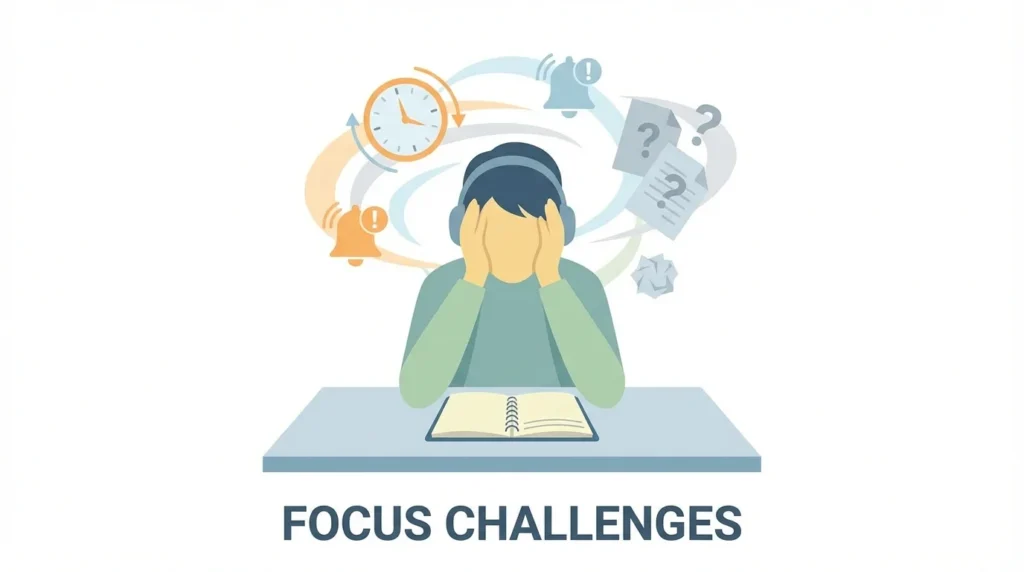
2. Academic and Work Performance Decline
The effect of cyberbullying often shows in performance.
Victims may:
- lose focus
- struggle to concentrate
- avoid school or work
- show declining grades or productivity
Stress and emotional distress interfere with learning and professional development
Also Read: What Is Typosquatting? – Definition and Explanation
3. Social Withdrawal
Many victims isolate themselves to avoid further harm.
They may:
- stop posting online
- avoid group chats
- stop attending events
- reduce social interaction
This isolation increases vulnerability and emotional pain.
4. Risky Coping Behaviors
Some individuals turn to unhealthy coping mechanisms such as:
- substance use
- self-harm
- reckless behavior
- excessive gaming
These behaviors worsen long-term outcomes.
Physical Effects of Cyberbullying
The effects of cyberbullying are not limited to emotions. Mental stress often leads to physical health problems.
1. Sleep Disorders
Victims may experience:
- insomnia
- nightmares
- irregular sleep patterns
Poor sleep affects memory, mood, and immunity.
2. Headaches and Fatigue
Constant stress can cause:
- frequent headaches
- muscle tension
- chronic tiredness
3. Appetite Changes
Some victims:
- lose interest in food
- overeat for comfort
- develop unhealthy eating habits
4. Weakened Immune System
Prolonged stress lowers immunity, making victims more vulnerable to illness.
5. Psychosomatic Symptoms
Physical pain without medical cause, such as stomachaches or dizziness, is common in stressed individuals.
Protect Against Cyberbullying and Online Harassment
Prevention and protection are key to reducing the cyberbullying effects.
1. Use Privacy Settings
- Limit who can message you
- Restrict profile visibility
- Block unknown users
2. Block and Report Abusers
Most platforms offer reporting tools. Use them.
3. Save Evidence
Keep screenshots of abusive content. They may be needed for support or legal action.
4. Talk to Someone You Trust
Share experiences with:
- parents
- teachers
- counselors
- friends
Support reduces emotional burden.
5. Seek Professional Help
If distress becomes overwhelming, mental health professionals can help.
Why Do People Cyberbully?
To effectively prevent cyberbullying, it is important to understand why people engage in this harmful behavior. Most cyberbullies are not “born” cruel. Their actions are often influenced by emotional, social, and psychological factors.
When we understand these motivations, we can respond with better education, stronger policies, and meaningful support systems.
1. Desire for Power and Control
One of the main reasons people cyberbully is the desire to feel powerful.
Many bullies:
- Feel weak or ignored in real life
- Struggle with confidence
- Lack control over their own situations
By humiliating or threatening others online, they gain a temporary sense of dominance. Seeing someone react emotionally makes them feel important and in control.
For example, a student who feels invisible at school may bully others on social media to feel noticed. A person facing problems at home may use bullying as a way to release frustration.
Unfortunately, this “power” is fake and short-lived. It only causes long-term harm to both the bully and the victim.
2. Anonymity and Lack of Consequences
The internet allows people to hide behind fake names, anonymous accounts, and private profiles. This anonymity makes many users feel “untouchable.”
When people believe they cannot be identified:
- They become more aggressive
- They say things they wouldn’t say face-to-face
- They ignore moral boundaries
Because they don’t see immediate punishment, they think their actions don’t matter.
For example, someone using a fake account may send hateful messages because they think no one will trace them. This lack of accountability encourages repeated bullying.
When platforms fail to enforce rules properly, it further increases harmful behavior.
3. Personal Insecurity
Many cyberbullies are deeply insecure themselves.
They may struggle with:
- Low self-esteem
- Academic failure
- Social rejection
- Family problems
- Mental health issues
Instead of dealing with their pain in healthy ways, they project it onto others.
By putting someone else down, they try to feel better about themselves.
For instance, a teenager who feels unattractive may mock others’ appearance online. A student who fails exams may insult classmates who succeed.
This behavior reflects internal pain, not strength.
4. Peer Pressure
Social influence plays a major role in cyberbullying, especially among teenagers.
In group settings:
- Friends may encourage bullying
- Group chats may mock individuals
- Likes and comments may reward cruel behavior
Some people join in bullying just to fit in.
They fear:
- Being excluded
- Being targeted themselves
- Losing popularity
So, they participate even if they know it’s wrong.
For example, a student may laugh at a cruel meme about a classmate just to stay “accepted” in their group.
This shows how dangerous group pressure can be in online spaces.
5. Lack of Empathy
Empathy means understanding how others feel. Online environments often reduce empathy.
When interacting through screens:
- People don’t see facial expressions
- They don’t hear emotional reactions
- They don’t witness tears or fear
As a result, bullies forget that there is a real human being on the other side.
They treat victims like usernames instead of people.
This emotional distance makes cruelty easier.
Over time, repeated online aggression can numb emotional awareness, making bullies more insensitive.
Lack of Awareness About Impact
Many cyberbullies truly do not understand how serious their actions are.
They may think:
- “It’s just a joke”
- “Everyone does it”
- “They should ignore it”
They don’t realize that their words can cause:
- Depression
- Anxiety
- Isolation
- Self-harm
- Trauma
Education about consequences is crucial to reducing this behavior.
What Can Parents Do About Cyberbullying?
Parents are one of the strongest protective forces against cyberbullying. Their involvement, guidance, and emotional support can make a life-changing difference.
1. Encourage Open Communication
Children must feel safe talking to their parents.
Parents should:
- Listen without judgment
- Avoid blaming
- Take concerns seriously
- Stay calm
If children fear punishment or dismissal, they may hide their problems.
Creating a trusting environment encourages early reporting, which prevents situations from getting worse.
2. Educate About Online Behavior
Children need guidance on how to behave responsibly online.
Parents should teach:
- Respect for others
- Kind communication
- Digital ethics
- Consequences of actions
They should explain that online behavior has real-world impact.
Teaching empathy helps children become responsible digital citizens.
3. Monitor Online Activity
Monitoring does not mean spying.
It means:
- Knowing which apps children use
- Understanding online trends
- Checking privacy settings
- Watching for warning signs
Parents should respect privacy while staying involved.
Warning signs include:
- Sudden withdrawal
- Secretive behavior
- Mood changes
- Avoiding devices
Balanced supervision keeps children safe without damaging trust.
4. Build Confidence
Strong self-esteem protects children from bullying.
Confident children:
- Believe in themselves
- Are less affected by insults
- Seek help when needed
- Set healthy boundaries
Parents can build confidence by:
- Praising effort, not just success
- Encouraging hobbies
- Supporting interests
- Showing unconditional love
Emotionally strong children are more resilient.
5. Work With Schools and Platforms
Cyberbullying often overlaps with school environments.
Parents should:
- Inform school authorities
- Work with teachers and counselors
- Use reporting tools on platforms
- Demand accountability
Collaboration ensures that bullying is addressed systematically.
Schools and platforms must work together to protect children.
6. Provide Emotional Support
Victims of cyberbullying often feel ashamed, scared, and lonely.
Parents should:
- Reassure children that it’s not their fault
- Validate their feelings
- Offer comfort
- Encourage professional help if needed
Emotional support helps victims heal and regain confidence.
Never minimize their pain by saying “ignore it” or “it’s not serious.”
Conclusion
The effects of cyberbullying are serious, far-reaching, and long-lasting. From emotional trauma and physical illness to academic decline and social isolation, the consequences affect every area of life.
Ignoring cyberbullying does not make it disappear. Awareness, education, support, and responsible digital behavior are essential to creating safer online spaces.
Every individual—parents, educators, platforms, and users—has a role in stopping online harassment and protecting vulnerable people.
FAQs
What are the effects of cyberbullying on mental health?
Cyberbullying can cause anxiety, depression, low self-esteem, loneliness, and in severe cases, suicidal thoughts.
Can cyberbullying affect physical health?
Yes. It can lead to sleep problems, headaches, fatigue, weakened immunity, and appetite changes.
How does cyberbullying affect students?
It affects concentration, academic performance, attendance, confidence, and social development.
Why is cyberbullying so harmful?
Because it is constant, public, permanent, and often anonymous, making victims feel trapped and helpless.
What should someone do if they are cyberbullied?
They should block and report the bully, save evidence, talk to a trusted adult or professional, and seek emotional support.
Can cyberbullying have long-term effects?
Yes. It can influence self-confidence, relationships, career success, and mental health for years.

Debabrata Behera is a passionate blogger who writes about digital trends, personal growth, and practical insights, helping readers stay informed, inspired, and ready to achieve success in life.