In today’s digital world, almost every device we use—smartphones, laptops, tablets, smart TVs, and even home security systems—is connected to the internet. While this connectivity offers convenience and efficiency, it also creates opportunities for cybercriminals. One of the most common and dangerous threats in the digital landscape is malware.
If you have ever wondered what is malware, how it spreads, or how you can strengthen your malware protection, this detailed guide will walk you through everything you need to know. Understanding malware is the first step toward building a secure digital life.
Before diving into protection strategies, it is essential to understand the basics.
What Is Malware?

Malware is short for “malicious software.” It refers to any software program intentionally designed to harm, exploit, or disrupt devices, networks, or users.
Malware can:
- Steal personal data
- Lock files and demand ransom
- Spy on user activity
- Slow down systems
- Display intrusive advertisements
- Give hackers remote access
The purpose of malware varies depending on the attacker’s goal. Some criminals seek financial gain, while others aim to disrupt operations or steal sensitive information.
Common Types of Malware
Understanding different types helps improve malware protection.
1. Viruses
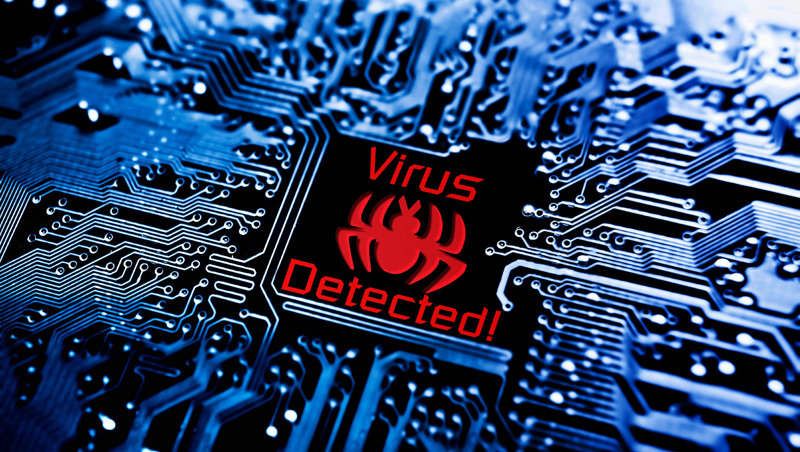
A computer virus is one of the oldest and most well-known types of malware. Just like a biological virus, it needs a host to survive.
How It Works
A virus attaches itself to a legitimate file or program. When the infected file is opened or executed, the virus activates and begins spreading to other files or systems.
How It Spreads
- Email attachments
- Infected software downloads
- USB drives
- Shared files
- Cracked or pirated programs
What It Can Do
- Corrupt files
- Delete data
- Slow down system performance
- Display unwanted messages
- Spread to other computers
Why It’s Dangerous
Viruses can damage essential system files and cause data loss. Some are designed to replicate aggressively, overwhelming the system.
Prevention & Removal
- Avoid downloading unknown files
- Use updated security software
- Scan external devices before use
- Keep operating systems updated
2. Worms
A worm is similar to a virus but does not need user interaction to spread.
How It Works
Worms exploit vulnerabilities in operating systems or networks to replicate themselves automatically.
How It Spreads
- Through network connections
- Via unpatched security flaws
- Across email systems
- Through shared network drives
What It Can Do
- Consume network bandwidth
- Slow down internet speed
- Install additional malware
- Create botnets
Why It’s Dangerous
Because worms spread independently, they can infect thousands of devices very quickly. Some worms have shut down entire networks.
Prevention & Removal
- Apply security patches immediately
- Use firewalls
- Disable unnecessary network sharing
- Install reliable malware protection
3. Trojans
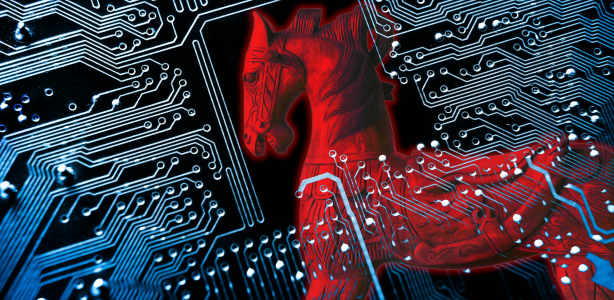
A Trojan, or Trojan horse, disguises itself as legitimate software to trick users into installing it.
How It Works
It appears harmless—like a game, update, or utility—but secretly installs malicious code once executed.
How It Spreads
- Fake software downloads
- Phishing emails
- Malicious advertisements
- Fake browser updates
What It Can Do
- Steal passwords
- Create backdoors for hackers
- Record keystrokes
- Install other malware
Why It’s Dangerous
Trojans give attackers remote access to your system, allowing them to control it without your knowledge.
Prevention & Removal
- Download software only from official websites
- Avoid clicking suspicious ads
- Verify updates directly from vendors
- Use real-time security monitoring
4. Ransomware

Ransomware is one of the most financially damaging forms of malware.
How It Works
It encrypts your files or locks your system, making data inaccessible. The attacker then demands payment (often in cryptocurrency) to restore access.
How It Spreads
- Phishing emails
- Malicious attachments
- Exploiting outdated systems
-
Infected websites
What It Can Do
- Lock personal files
- Disrupt businesses
- Shut down hospitals and schools
- Cause major financial losses
Why It’s Dangerous
Even if you pay the ransom, there is no guarantee you will recover your files.
Prevention & Removal
- Regularly back up your data
- Avoid suspicious attachments
- Keep software updated
- Use multi-layered malware protection
5. Spyware
Spyware secretly monitors your activity without your knowledge.
How It Works
It installs itself silently and tracks your actions, such as browsing habits, login credentials, and financial transactions.
How It Spreads
- Bundled with free software
- Malicious email links
- Fake applications
- Compromised websites
What It Can Do
- Record keystrokes
- Capture screenshots
- Steal banking information
- Monitor personal conversations
Why It’s Dangerous
Spyware compromises privacy and can lead to identity theft or financial fraud.
Prevention & Removal
- Avoid suspicious downloads
- Use anti-spyware tools
- Enable firewall protection
- Regularly scan your system
6. Adware
Adware is typically less destructive but still invasive.
How It Works
It displays excessive advertisements on your device and may track browsing behavior for targeted ads.
How It Spreads
- Bundled with free software
- Pop-up downloads
- Suspicious browser extensions
What It Can Do
- Slow down your device
- Redirect searches
- Display intrusive pop-ups
- Collect browsing data
Why It’s Dangerous
While not always harmful, some adware may lead to malicious websites or install additional malware.
Prevention & Removal
- Read installation agreements carefully
- Avoid “free” unknown programs
- Remove suspicious browser extensions
- Use malware protection tools
7. Rootkits
Rootkits are among the most sophisticated types of malware.
How It Works
A rootkit hides deep within the operating system to conceal malicious activities.
How It Spreads
- Trojan installations
- Exploiting system vulnerabilities
- Malicious downloads
What It Can Do
- Hide other malware
- Disable security software
- Grant attackers full system control
- Remain undetected for long periods
Why It’s Dangerous
Because rootkits hide themselves so well, they are difficult to detect and remove. Some may require complete system reinstallation.
Prevention & Removal
- Keep firmware and operating systems updated
- Use advanced malware detection tools
- Monitor system behavior regularly
- Reinstall the operating system if necessary
Why Different Malware Types Require Different Strategies
Each type of malware behaves differently:
- Viruses need host files
- Worms spread independently
- Trojans rely on deception
- Ransomware encrypts files
- Spyware monitors silently
- Adware disrupts browsing
- Rootkits hide deeply
Because of these differences, prevention and removal methods must be tailored accordingly. A layered approach—combining software updates, safe browsing habits, strong passwords, backups, and reliable malware protection—is the most effective defense.
A Criminal Enterprise
Malware is no longer created by isolated hackers experimenting for fun. It has become part of a global criminal enterprise.
Organized Cybercrime
Cybercriminals now operate in organized groups. They develop malware, sell it, rent it, and even offer technical support for attacks.
There are entire marketplaces on the dark web where:
- Malware kits are sold
- Stolen data is traded
- Ransomware services are offered
This structured system makes malware attacks more frequent and sophisticated.
Malware-as-a-Service (MaaS)
Just like legitimate software services, criminals offer malware as a subscription.
For example:
- A developer creates ransomware.
- Affiliates use the tool to attack victims.
- Profits are shared between both parties.
This model lowers the barrier to entry, allowing even less skilled criminals to launch attacks.
How Malware Spreads
To improve malware protection, you must understand infection methods.
Phishing Emails
Malicious attachments or links trick users into installing malware.
Fake Downloads
Cracked software, pirated apps, or fake updates often contain malware.
Infected Websites
Simply visiting compromised websites may trigger malware downloads.
USB Drives
Infected removable drives can spread malware between systems.
Social Engineering
Hackers manipulate users into revealing sensitive information.
Malware often relies on human error, making awareness essential.
Protecting Against Malware
Strong malware protection requires a layered approach.
1. Keep Software Updated
Updates fix vulnerabilities that attackers exploit.
2. Avoid Suspicious Links
Never click unknown links in emails or messages.
3. Download Only from Trusted Sources
Stick to official app stores and verified websites.
4. Secure Your Wi-Fi Network
Use strong encryption and passwords.
5. Backup Your Data
Regular backups protect against ransomware.
6. Educate Yourself and Others
Awareness reduces the likelihood of infection.
Prevention is always easier and less expensive than recovery.
What Is Malware Protection?
Malware protection refers to tools and practices designed to detect, prevent, and remove malicious software.
Core Components of Malware Protection
Real-Time Monitoring
Continuously scans files and programs for threats.
Threat Detection
Identifies suspicious behavior patterns.
Firewall Protection
Blocks unauthorized network access.
Web Protection
Prevents access to dangerous websites.
Email Scanning
Detects malicious attachments and phishing attempts.
Effective malware protection combines technology and safe user behavior.
How Malware Affects Different Devices
Malware is not limited to computers.
Computers and Laptops
Traditional targets for ransomware and spyware.
Smartphones
Mobile malware can steal banking details and messages.
IoT Devices
Smart home devices may become part of botnets.
Business Networks
Corporate systems are prime targets for data theft.
Cloud Systems
Cloud-based attacks compromise stored information.
Comprehensive malware protection should cover all devices connected to your network.
Signs Your Device May Be Infected
Recognizing early warning signs helps limit damage.
- Slow performance
- Frequent crashes
- Unexpected pop-ups
- Unfamiliar programs
- High data usage
- Disabled security tools
If you notice these signs, act immediately.
Steps to Take If Infected
If you suspect malware:
- Disconnect from the internet
- Run a full security scan
- Remove suspicious files
- Change passwords
- Restore from backup if needed
- Seek professional help for severe infections
Quick action reduces data loss and financial damage.
The Importance of Multi-Device Malware Protection
Modern households and businesses use multiple connected devices. Each one can be an entry point for attackers.
For complete safety:
- Install security tools on all devices
- Keep mobile systems updated
- Monitor children’s devices
- Secure routers and smart devices
Holistic protection is key.
FAQs
What is malware in simple terms?
Malware is harmful software designed to damage devices or steal information.
Can smartphones get malware?
Yes, especially if apps are downloaded from unofficial sources.
How does malware infect devices?
Through phishing emails, fake downloads, infected websites, or vulnerable software.
What is malware protection?
Malware protection includes tools and practices that detect, block, and remove malicious software.
Is antivirus enough?
Basic antivirus helps, but layered security provides stronger protection.
Can malware steal my bank details?
Yes, certain types like spyware and trojans target financial information.
How often should I update my devices?
Enable automatic updates to ensure timely security patches.
Conclusion
Understanding what is malware and how it operates is critical in today’s digital age. Malware is no longer a rare threat—it is a widespread, organized criminal activity targeting individuals and organizations worldwide.
Effective malware protection requires more than just installing software. It demands awareness, responsible online behavior, regular updates, and proactive security measures.
By staying informed, practicing safe browsing habits, securing all connected devices, and using comprehensive protection tools, you can significantly reduce your risk.
In a world where digital threats continue to evolve, your best defense is knowledge combined with consistent security practices. Protect your devices, protect your data, and stay vigilant.

Debabrata Behera is a passionate blogger who writes about digital trends, personal growth, and practical insights, helping readers stay informed, inspired, and ready to achieve success in life.