Summary
Cryptocurrency has revolutionized how we think about money, transactions, and digital ownership. Unlike traditional currencies controlled by governments or banks, cryptocurrency operates on decentralized networks powered by blockchain technology. This digital form of money allows people to make secure, fast, and transparent transactions anywhere in the world without intermediaries. In this blog, we will explore what cryptocurrency is, how it works, examples of popular crypto assets, how to buy and store them safely, and essential tips for investing wisely.
What is Cryptocurrency – Meaning and Definition

Cryptocurrency, often called crypto, refers to a type of digital or virtual currency that uses cryptography for security. Unlike traditional money issued by central authorities such as governments or banks, cryptocurrency operates in a decentralized system. This means that no single institution or government controls it.
The term “cryptocurrency” is derived from “cryptography,” the practice of secure communication. Cryptography ensures that transactions are verified, records are maintained accurately, and ownership remains confidential and tamper-proof. Every transaction made using a cryptocurrency is recorded digitally and verified by a network of computers using complex algorithms.
The goal of cryptocurrency is to enable people to send and receive payments digitally without needing a third-party authority. This decentralized structure gives users complete control over their assets and reduces the chances of manipulation or fraud.
To understand cryptocurrency concepts clearly, imagine a financial world where transactions happen directly between individuals. Cryptocurrency is a digital payment system that eliminates the need for banks to verify transactions. Instead of physical coins or paper notes, crypto exists only in digital form.
When someone makes a cryptocurrency transaction, it is verified and recorded in a public ledger that anyone can view but cannot alter. This transparency helps maintain trust and integrity within the system. These transactions are secured using encryption, ensuring that data cannot be intercepted or altered.
Cryptocurrency wallets are digital tools that allow users to store, send, and receive crypto assets. Each wallet has two keys — a public key, which works like an address that others can send funds to, and a private key, which acts as a password that only the owner knows. Losing the private key means losing access to the funds permanently, which is why wallet security is crucial.
The name “cryptocurrency” signifies the use of encryption techniques to regulate the generation of new coins and verify fund transfers. The first and most well-known cryptocurrency is Bitcoin, which was launched in 2009. Bitcoin’s success inspired thousands of other cryptocurrencies, often called “altcoins,” that serve different purposes in the digital economy.
How Does Cryptocurrency Work?

At the core of all cryptocurrencies lies a powerful technology called blockchain. A blockchain is a distributed ledger that records every transaction made using a particular cryptocurrency. Instead of being stored in one central place, blockchain data is spread across multiple computers, known as nodes, around the world.
Each time a transaction occurs, it is grouped with other transactions into a “block.” This block is then verified by the network through a process known as mining. Once verified, the block is added to the existing chain of previous transactions, forming a continuous and permanent record. This transparency ensures that all transactions are secure and cannot be modified once confirmed.
Mining is a crucial part of how cryptocurrency works. It involves solving complex mathematical puzzles using high-powered computers. Miners who successfully solve these puzzles are rewarded with newly created coins. This process both secures the network and introduces new currency into circulation.
When someone buys or receives cryptocurrency, they do not possess a physical item. Instead, they hold a digital key that gives them access to move or spend their coins. The blockchain confirms ownership and ensures that no one can double-spend the same currency.
While Bitcoin pioneered this concept, blockchain applications have expanded far beyond currency. Many industries, including finance, supply chain, real estate, and healthcare, are adopting blockchain technology to enhance transparency, traceability, and security.
Examples of Popular Cryptocurrencies

There are thousands of cryptocurrencies, but only a few have achieved widespread recognition and use. Here are some of the most notable ones:
Bitcoin (BTC):
Bitcoin is the first and most valuable cryptocurrency, created in 2009 by an anonymous figure known as Satoshi Nakamoto. It introduced the idea of decentralized finance and remains the standard for all other digital currencies. Bitcoin’s limited supply of 21 million coins makes it a deflationary asset, often compared to digital gold.
Ethereum (ETH):
Launched in 2015, Ethereum is more than just a cryptocurrency. It is a blockchain platform that allows developers to build decentralized applications (dApps) using smart contracts. Its native currency, Ether (ETH), powers the network. Ethereum’s versatility has made it the foundation for decentralized finance (DeFi) and non-fungible tokens (NFTs).
Litecoin (LTC):
Created as the “silver to Bitcoin’s gold,” Litecoin offers faster transaction speeds and a different cryptographic algorithm. It is one of the earliest altcoins and continues to be a popular choice for everyday transactions.
Ripple (XRP):
Ripple operates as both a payment protocol and a cryptocurrency. Its blockchain system is used to facilitate international transactions quickly and cheaply. Ripple’s technology has been adopted by several banks and financial institutions to improve cross-border payments.
Altcoins:
Any cryptocurrency other than Bitcoin is considered an altcoin. Examples include Cardano, Solana, Polkadot, and Dogecoin. Each has its own unique features and use cases, contributing to the growth of the broader crypto ecosystem.
How to Buy Cryptocurrency
Buying cryptocurrency involves several key steps, each requiring careful consideration.
Choosing a Platform
The first step is selecting where to buy crypto. Investors can choose between traditional brokers and dedicated cryptocurrency exchanges.
Traditional brokers allow users to trade cryptocurrencies along with other assets like stocks and ETFs, often with lower fees but limited crypto options.
Cryptocurrency exchanges such as Coinbase, Binance, and Kraken specialize in digital currency trading. They offer a wide range of cryptocurrencies, wallet options, and educational tools.
When comparing platforms, consider factors such as transaction fees, security, withdrawal options, and available cryptocurrencies.
Funding Your Account
After selecting a platform, you need to fund your account using fiat currency such as USD, GBP, or INR. This can typically be done using bank transfers, debit cards, or credit cards. However, using credit cards for crypto purchases can be risky due to volatility and potential high-interest charges.
Different platforms may have different deposit times and fees, so reviewing their payment policies is essential before investing.
Placing an Order
Once your account is funded, you can buy crypto by placing an order. This involves choosing the cryptocurrency you want, entering the amount, and confirming the purchase. You can also sell or trade cryptocurrencies similarly.
Apart from buying directly, investors can gain exposure to cryptocurrency through other means, such as:
Bitcoin trusts or mutual funds.
Blockchain ETFs or stocks of companies using blockchain technology.
Payment apps that support crypto transactions, such as PayPal or Venmo.
The right approach depends on your investment goals and risk tolerance.
How to Store Cryptocurrency Safely
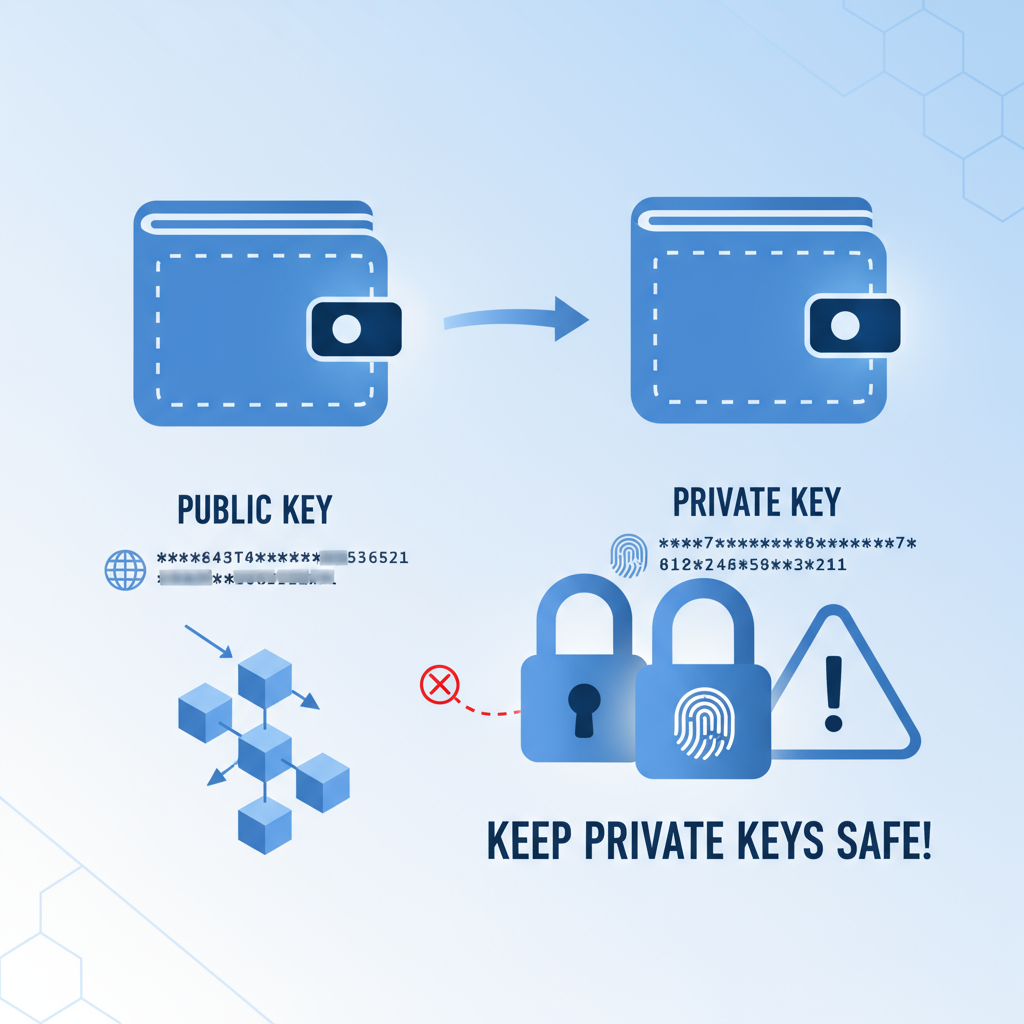
After purchasing crypto, storing it securely is crucial. Cryptocurrency is stored in digital wallets, which hold the private keys needed to access and spend your funds. There are two main types of wallets:
Hot Wallets:
Hot wallets are connected to the internet and allow quick access to funds. They are convenient for frequent transactions but are more vulnerable to hacking.
Cold Wallets:
Cold wallets, also known as hardware wallets, are offline storage devices that provide maximum security. Since they are not connected to the internet, they protect against online attacks but can be more expensive.
Some cryptocurrency exchanges provide built-in wallets for user convenience, but experienced investors often prefer independent hardware wallets for better security.
What Can You Buy with Cryptocurrency?
While cryptocurrencies were initially meant for peer-to-peer transactions, their use has expanded significantly. Many companies now accept crypto as payment for goods and services.
In the technology and e-commerce sectors, companies like Microsoft, Overstock, and Shopify allow users to pay with Bitcoin. Some luxury retailers, including Bitdials, accept crypto for high-end watches and jewelry. Even automobile dealerships and insurance firms in select countries have started accepting cryptocurrency payments.
For retailers that do not accept crypto directly, users can opt for cryptocurrency debit cards, which convert digital assets into local currency at the time of purchase.
Also Read: What is an IP Address – Definition and Explanation
Cryptocurrency Fraud and Scams
Despite its advantages, cryptocurrency has also become a target for scams and fraud due to its anonymity and lack of regulation. Some of the common scams include:
Fake websites that mimic legitimate exchanges to steal user funds.
Ponzi schemes that promise unrealistic returns.
Fake celebrity endorsements claiming to promote new coins.
Romance scams where criminals convince victims to invest in fraudulent crypto projects.
Hacking of digital wallets and exchanges to steal crypto assets.
To stay safe, investors should verify platforms, avoid sharing private keys, and stay cautious of offers that sound too good to be true.
Is Cryptocurrency Safe?
Cryptocurrency transactions are secure because of blockchain technology and cryptographic verification. Each transaction is recorded in a transparent and immutable ledger, making it difficult to alter or manipulate.
Additionally, most platforms use two-factor authentication (2FA) to prevent unauthorized access. However, no system is completely immune to attacks. Past incidents, such as the Coincheck and BitGrail hacks, highlight the importance of proper security practices.
Cryptocurrency prices are also extremely volatile. Since their value depends on market demand rather than government regulation, prices can change dramatically within hours. This unpredictability makes crypto both a high-risk and high-reward investment.
Tips for Investing in Cryptocurrency Safely
Investing in cryptocurrency requires knowledge, patience, and strategy. Here are a few essential guidelines:
Research exchanges thoroughly before investing.
Learn how wallets work and choose the right one for your needs.
Diversify your investments across multiple cryptocurrencies.
Be mentally and financially prepared for market volatility.
Cryptocurrency is still a developing financial innovation, and while it holds immense potential, it also carries considerable risks. Starting small, staying informed, and following best security practices are the best ways to navigate this evolving market.
Conclusion
Cryptocurrency has transformed the global financial system by introducing a decentralized, transparent, and secure way to exchange value. Understanding what cryptocurrency is, how it works, and how to use it safely is essential for anyone exploring this digital frontier.
As blockchain technology continues to evolve, cryptocurrencies may play an even larger role in everyday financial systems. While the opportunities are vast, investors must remain cautious, conduct thorough research, and prioritize security at every step.
Cryptocurrency represents more than just a new form of money—it represents a shift toward a more open and digital financial world.
FAQs
What is cryptocurrency in simple terms?
Cryptocurrency is a digital form of money that uses encryption to secure transactions and operates without central control.
Can cryptocurrency be converted into cash?
Yes, cryptocurrencies can be sold on exchanges and converted into fiat currencies like dollars or euros.
Is cryptocurrency legal?
In most countries, cryptocurrency is legal to buy, hold, and trade, but regulations vary by region.
How do I store cryptocurrency safely?
Using a secure hardware wallet or trusted digital wallet is the safest way to store cryptocurrency.
Is cryptocurrency a good investment?
Cryptocurrency can offer high returns but comes with high volatility and risk. It’s best to research thoroughly and invest cautiously.