The world of mobile technology evolves constantly, bringing simpler, faster, and smarter ways to stay connected. One such advancement is the eSIM, a feature now available in many modern smartphones and devices. The move from traditional physical SIM cards to embedded SIM technology marks a significant shift in how we manage network connectivity, especially as the Internet of Things (IoT) expands.
In this comprehensive guide, we will explore what an eSIM is, how it works, why it matters in today’s digital world, its advantages and drawbacks, and how to stay secure while using one.
What is an eSIM?
A physical SIM card is really just a small computer chip loaded with an identity profile — your IMSI (International Mobile Subscriber Identity), authentication keys, and carrier-specific data — housed in a piece of removable plastic. An eSIM does the exact same job, but the chip (technically an eUICC, or embedded Universal Integrated Circuit Card) is soldered directly onto the device’s motherboard at the factory.
Instead of a carrier handing you a physical card, they send you a digital profile — usually delivered as a QR code you scan, or through an app. That profile gets written onto the eUICC chip over the air. The chip itself can hold multiple profiles at once (though typically only one is “active” for data/calls at a time on most phones), so you could have a home carrier profile and a travel data profile sitting side by side, switching between them in your settings instead of swapping physical cards.
This is managed by something called Remote SIM Provisioning (RSP), a GSMA standard that governs how carriers securely push these profiles to your device without ever needing physical access to it.
Why this matters beyond convenience
A few structural shifts this enables:
- No more SIM trays or ejector pins. Frees up internal space, which matters a lot in tiny devices like smartwatches or IoT sensors where every millimeter counts.
- Better durability and water resistance. No physical port for dust or moisture to get through.
- Multi-profile flexibility. Dual-SIM functionality without needing two physical slots — useful for separating work/personal lines or adding local data plans while traveling.
- Remote provisioning at scale. This is huge for IoT — think fleets of connected vehicles, industrial sensors, or agricultural equipment deployed across regions. A company can activate, reconfigure, or switch carriers for thousands of devices remotely, without ever touching the hardware.
How Does an eSIM Work?
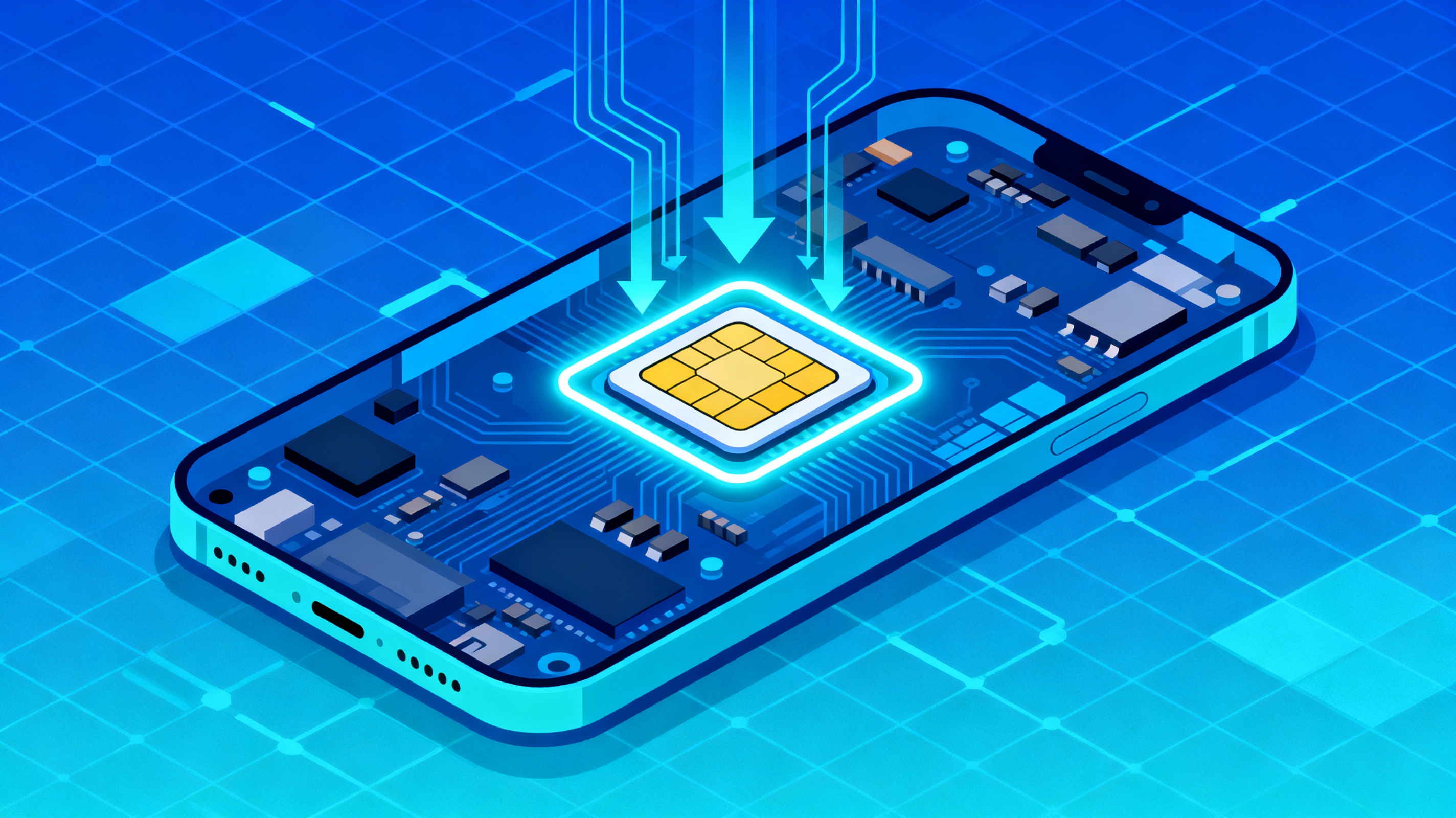
A traditional SIM card’s three core data points — the IMSI, the authentication key (Ki), and carrier network parameters — exist to do one job: prove to a cell tower that you’re a legitimate, paying subscriber before it lets your device onto the network. Every time your phone connects to a tower, it’s running a cryptographic handshake using that authentication key so the network can verify your identity without your credentials being exposed in the open.
With an eSIM, that same data lives on an eUICC chip soldered into the motherboard rather than a removable card. The provisioning process — getting that profile onto the chip — typically happens one of three ways:
- QR code scan: the carrier generates a unique code tied to your account; your phone’s camera reads it and downloads the profile over the internet.
- Carrier app: apps like those from major carriers can push the profile directly, often as part of signing up for a new plan.
- Manual entry in settings: some carriers give you an activation code you type in directly under your phone’s cellular settings.
Because this is a digital transfer rather than a physical handoff, the device can store several profiles in what’s essentially separate secure “slots” on the chip, and switch which one is active without needing you to touch anything physical.
Key Uses of eSIM Technology
International travel — the roaming problem eSIM solves is really a pricing and friction problem. Historically, using your home SIM abroad means your carrier charging premium roaming rates, or you hunting down a local shop, showing ID (a real privacy consideration in some countries), and juggling a tiny second SIM you might lose. With eSIM, you can buy a data plan from a local or global provider before you even land, activate it on arrival, and keep your home number reachable on its own profile simultaneously.
Personal and business separation — this addresses a genuinely common pain point: people carrying two physical phones, or physically swapping SIMs throughout the day, just to keep work and personal lines separate. Multiple eSIM profiles (or one eSIM plus one physical SIM in dual-SIM phones) let both numbers live active on one device, toggled in settings.
IoT and future devices — this is arguably the more transformative use case long-term. A GPS tracker on a shipping container, a connected car’s telematics unit, or a standalone smartwatch doesn’t have a person around to swap SIM cards. eSIM lets a company provision, monitor, and even switch the carrier of thousands of deployed devices remotely — which is essential at IoT scale where physical access to each unit isn’t practical.
Advantages of an eSIM
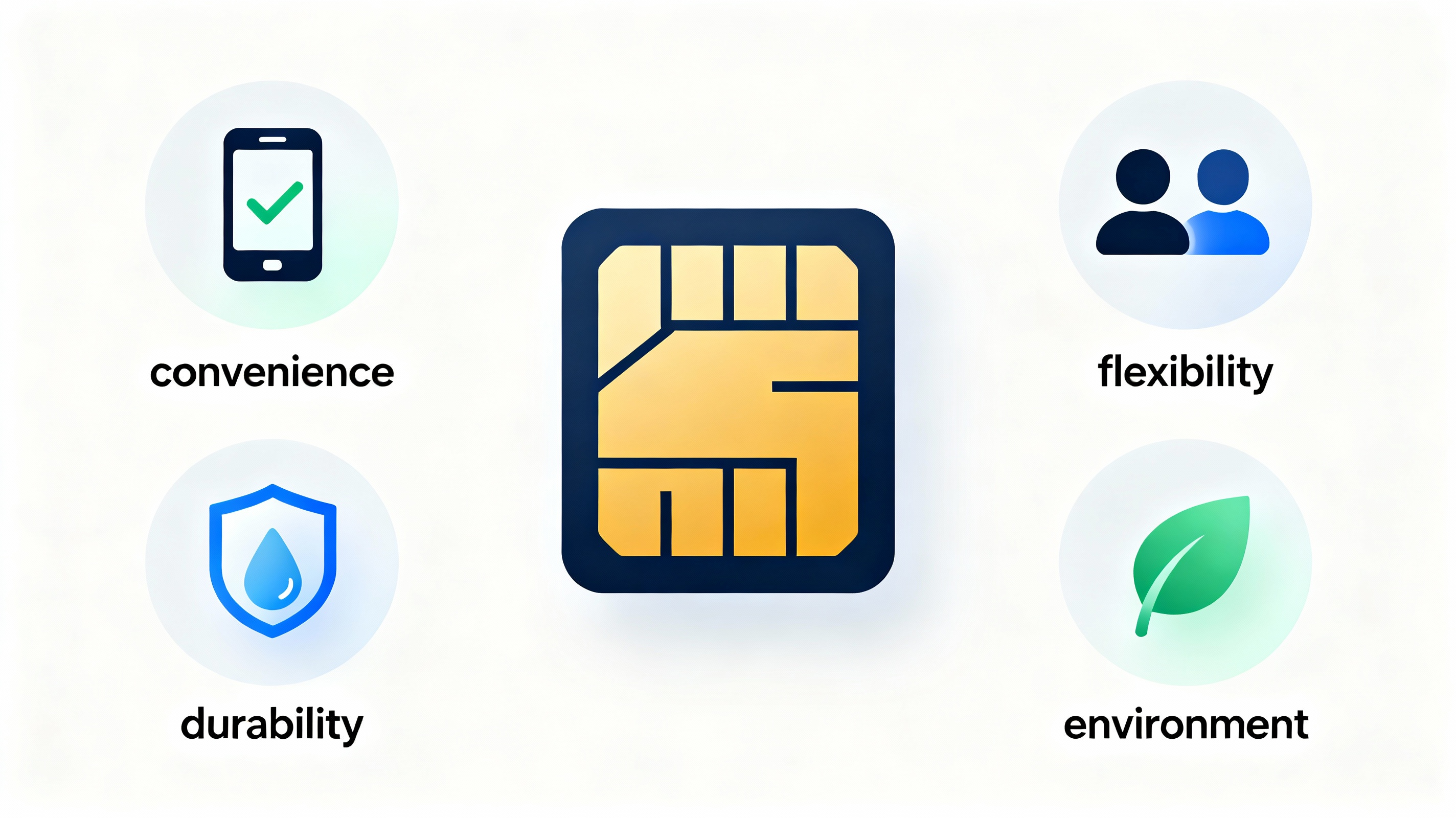
Convenience
Activation happens digitally through a carrier app or QR code. Users no longer depend on:
- Visiting stores
- Physically inserting SIM cards
- Carrying tiny cards when switching devices
Flexibility
Devices can store multiple cellular profiles, allowing:
- Different numbers for different purposes
- Regional plans optimized for location
- Instant carrier switching
This flexibility supports a modern mobile lifestyle.
Durability and Better Device Design
Because there is no slot:
- Water and dust resistance improves
- Less chance of damage or SIM card wear
- More internal space for better battery and hardware
Manufacturers are leaning heavily into this technology as it enables sleeker models.
Environmental Benefits
Traditional SIM cards contribute to plastic waste and emissions during manufacturing. eSIMs:
- Eliminate SIM plastics entirely
- Reduce packaging and logistics waste
This helps build a more sustainable tech world.
Disadvantages of eSIM
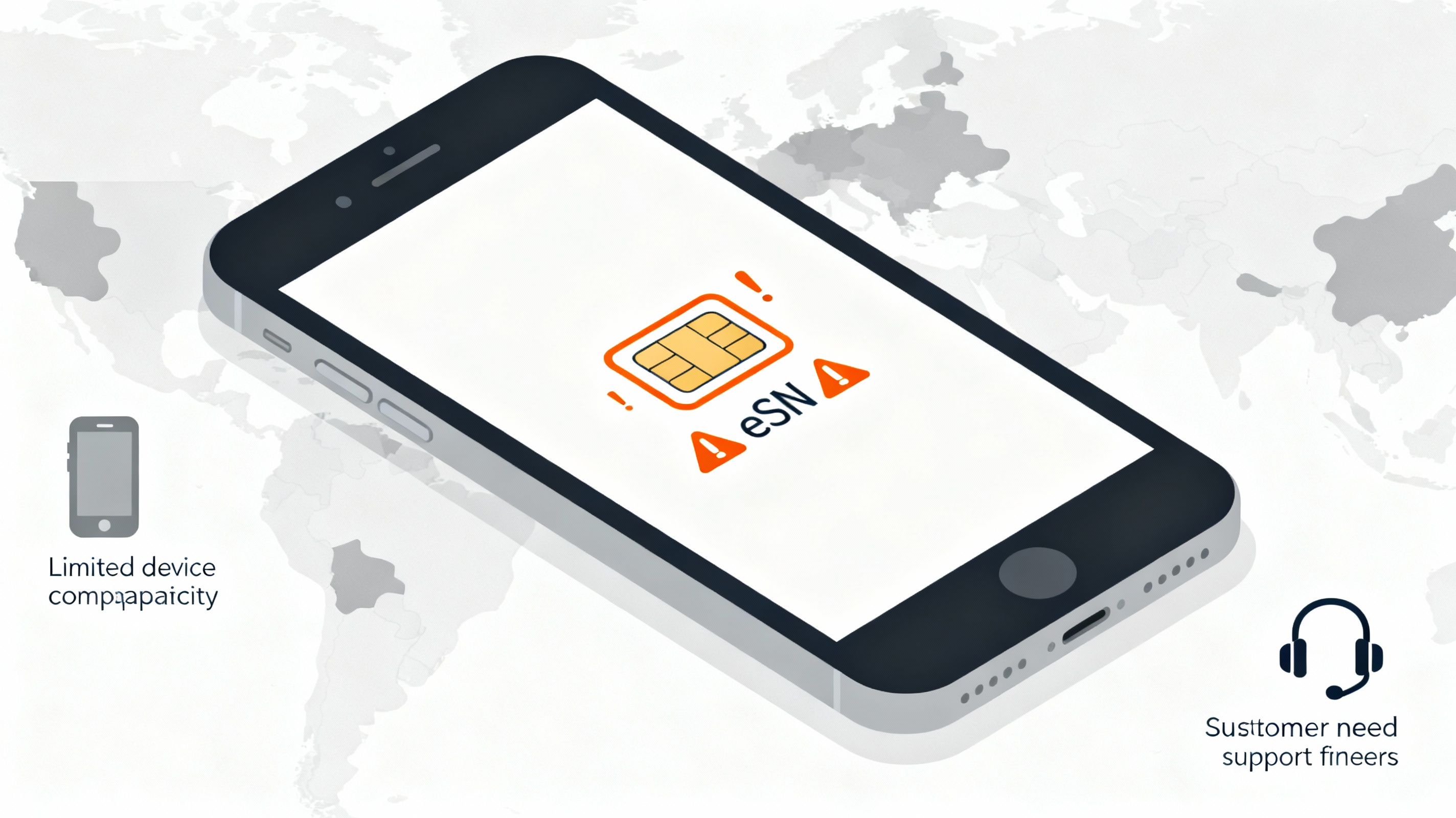
Despite its benefits, eSIM adoption is still growing and has a few limitations:
Compatibility
Not all devices support eSIM yet, particularly older or budget models.
Availability
Some countries and mobile carriers do not yet offer eSIM services.
Recovery Challenges
If a phone is damaged or lost:
- Transferring a number can require carrier assistance
- The process is sometimes more complex than swapping a physical SIM
As technology improves, this is expected to become more seamless.
Are eSIMs Secure?
eSIMs eliminate physical security risks like SIM theft or cloning by removing the card entirely. Remote provisioning through secure authentication makes it significantly harder for attackers to tamper with SIM data.
However, as with any connected device, cyber risks still exist.
Also Read: What Is Doxing? Definition and Explanation
Some of the primary threats include:
- Malware attacks targeting sensitive information
- Phishing attempts leading to unauthorized access
- Data leaks from apps with excessive permissions
- Public Wi-Fi interception during activation or plan downloads
- Spyware installed to monitor activity and location
These risks highlight the importance of strong mobile cybersecurity practices.
How to Protect Your eSIM and Mobile Data
Because an eSIM lives permanently on your device rather than on a card you can remove, protecting it really means protecting the device and accounts around it. A few habits make the biggest difference.
Keeping your operating system and apps updated matters more than people assume — most security patches exist specifically to close holes that attackers already know how to exploit, so delaying updates leaves that window open longer than necessary. Pairing a strong, unique password with biometric locking (fingerprint or face unlock) adds a second layer: even if a password leaks elsewhere, biometric access means a stolen device isn’t automatically an open door.
Public Wi-Fi is worth treating with real caution, especially during activation. Downloading or transferring an eSIM profile involves your device exchanging sensitive authentication data with your carrier, and doing that over an unsecured network creates a window where that exchange could theoretically be intercepted. Waiting until you’re on trusted Wi-Fi or using mobile data instead is a simple precaution.
App permissions deserve a periodic audit, too — many apps request access to contacts, location, or storage they don’t strictly need, and each unnecessary permission is one more way your data could leak if that app is ever compromised. Turning on device tracking (Find My iPhone, Find My Device on Android) means a lost or stolen phone can still be located, locked, or wiped remotely, which matters even more now that a single device may hold several carrier identities. A reputable mobile security app adds ongoing malware defense, and staying skeptical of unexpected links or attachments in texts and emails guards against phishing, still one of the most common ways attackers get a foothold in the first place.
Why eSIM Suits Travelers
Travel is where eSIM’s advantages come together most clearly. Instead of paying steep roaming fees or hunting for a local SIM vendor on arrival, travelers can buy and activate a local or regional data plan before they even board the flight, so connectivity is live the moment they land. This also sidesteps a subtler risk: the fake “free Wi-Fi” networks common in airports and tourist areas, which cybercriminals sometimes use to intercept data. Having your own active data plan reduces the temptation to join networks you can’t verify. There’s also a privacy upside — buying a physical SIM abroad often requires handing over ID and personal details to a local vendor, a step eSIM activation skips entirely.
Where eSIM Is Headed
The shift toward eSIM looks less like an optional upgrade and more like the direction the whole industry is moving. Major smartphone makers already sell eSIM-only models in some markets, cars and wearables increasingly ship with built-in connectivity as standard, and the continued growth of IoT — sensors, trackers, industrial devices — depends on exactly the kind of remote, cardless provisioning eSIM enables. As carrier support broadens worldwide, physical SIM cards seem likely to fade into a legacy option rather than remain the default.
Conclusion
The eSIM represents the next generation of mobile connectivity. It simplifies how users access network services, improves device durability, supports global connectivity and offers major convenience to both individuals and businesses.
While cybersecurity risks still apply, smart usage and proper mobile protection can ensure a secure experience. With widespread adoption already underway, the shift to eSIM technology signals a more flexible and efficient digital future.
Whether you are a frequent traveler, a remote worker, or an everyday smartphone user, eSIM offers a modern way to stay connected effortlessly and safely.
FAQs
What is the difference between an eSIM and a traditional SIM?
A traditional SIM is physical and must be inserted into the device. An eSIM is embedded, activated digitally, and cannot be physically removed.
Can I use multiple numbers on a single phone with an eSIM?
Yes, many smartphones support multiple eSIM profiles, allowing separate numbers for work and personal use.
Do all mobile phones support eSIM?
Currently, only selected mid-range and premium smartphones support eSIM. Budget models may still require physical SIMs.
Can an eSIM reduce roaming charges?
Yes, travelers can download local data plans from carriers to avoid expensive roaming costs.
Is an eSIM more secure?
Generally, yes. It reduces risks like physical theft or SIM swapping attacks but still requires cybersecurity awareness and protection.
How do I activate an eSIM?
Activation usually happens by scanning a QR code or installing a digital SIM profile through your carrier’s app or phone settings.
Can I transfer my eSIM to a new phone?
Yes, but the process may require assistance from your network provider, depending on their policies and technology support.

Debabrata Behera is a passionate blogger who writes about digital trends, personal growth, and practical insights, helping readers stay informed, inspired, and ready to achieve success in life.