Attention Deficit Hyperactivity Disorder (ADHD) has become one of the most discussed neurodevelopmental conditions in recent years. Across the United Kingdom, awareness of ADHD has grown significantly among healthcare professionals, educators, and the general public. As a result, more people are being assessed and diagnosed than ever before.
Recent healthcare data and policy discussions have highlighted a major surge in ADHD diagnoses and prescriptions across the UK. Increased awareness, improved screening, and greater recognition of adult ADHD have all contributed to this rise. At the same time, growing demand for diagnosis and treatment has placed pressure on healthcare services, particularly within the NHS.
This article explores the rapid growth in ADHD diagnoses in the UK, the factors driving the trend, changes in prescription patterns, and the broader impact on healthcare services and individuals seeking support.
What Is ADHD?
Attention Deficit Hyperactivity Disorder (ADHD) is a neurodevelopmental condition that affects how a person focuses, controls impulses, and manages activity levels. It typically begins in childhood, although many individuals continue to experience symptoms into adulthood.
ADHD affects the brain systems responsible for attention, self-control, and executive functioning. People with ADHD may struggle with organization, maintaining focus on tasks, controlling impulsive behavior, and regulating energy levels. The severity of symptoms varies from person to person.
The condition can affect many aspects of daily life, including education, work performance, relationships, and emotional wellbeing. While ADHD cannot be cured, it can be effectively managed through medical treatment, behavioral support, and lifestyle strategies.
ADHD symptoms generally fall into three core categories:
- Inattention, such as difficulty concentrating, forgetfulness, and trouble completing tasks
- Hyperactivity, including excessive movement, restlessness, and difficulty staying still
- Impulsivity, which may involve interrupting others, acting without thinking, or difficulty waiting turns
Symptoms may appear differently in children and adults. For example, children may show more visible hyperactivity, while adults often experience issues with focus, organization, and time management.
Types of ADHD
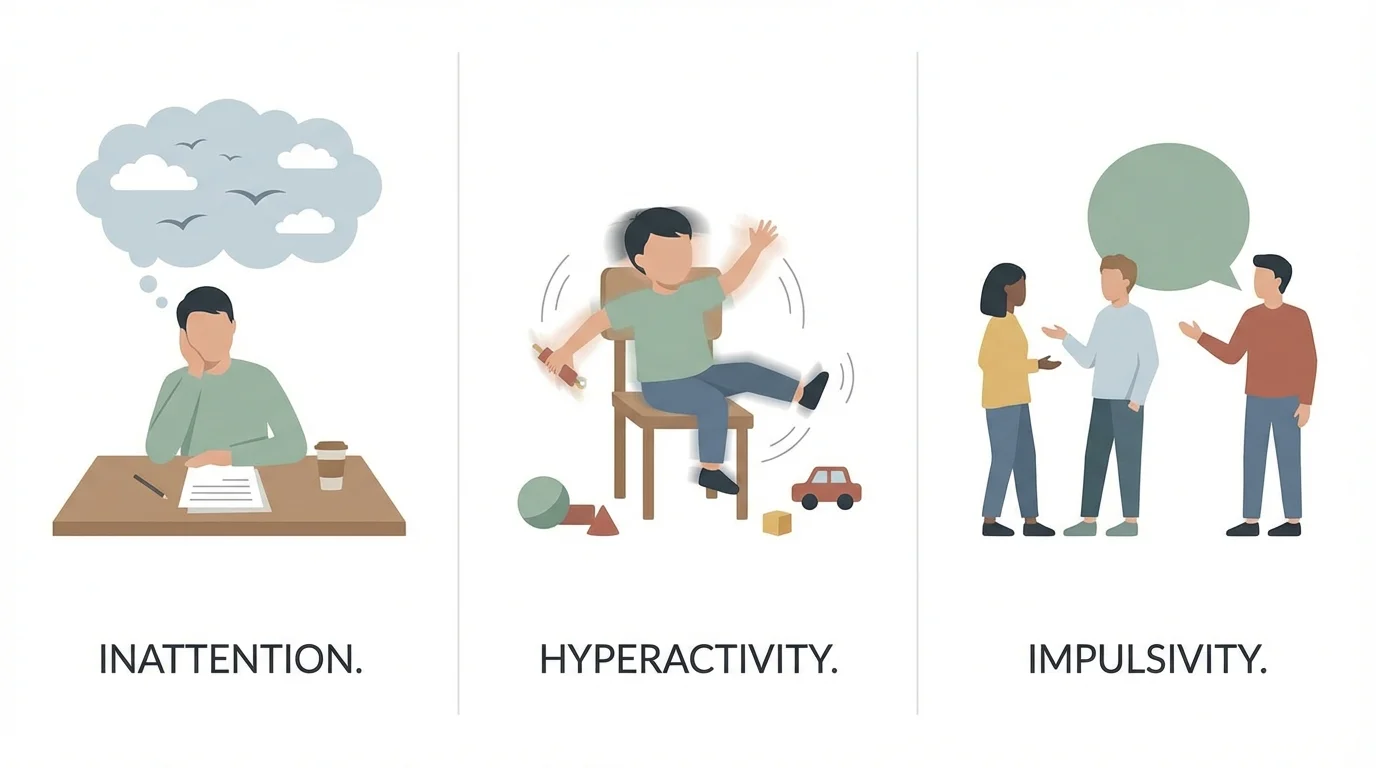
ADHD is typically classified into three main types depending on the pattern of symptoms.
Predominantly Inattentive Type This form of ADHD mainly involves problems with attention and focus. Individuals may struggle to follow instructions, organize tasks, and stay engaged in activities that require sustained mental effort.
Predominantly Hyperactive-Impulsive Type People with this type show high levels of physical activity and impulsive behavior. They may talk excessively, interrupt others frequently, and find it difficult to remain seated or calm.
Combined Type This is the most commonly diagnosed type. Individuals experience a mix of inattentive symptoms and hyperactive-impulsive behaviors.
ADHD Diagnosis in the UK: A Rapid Rise
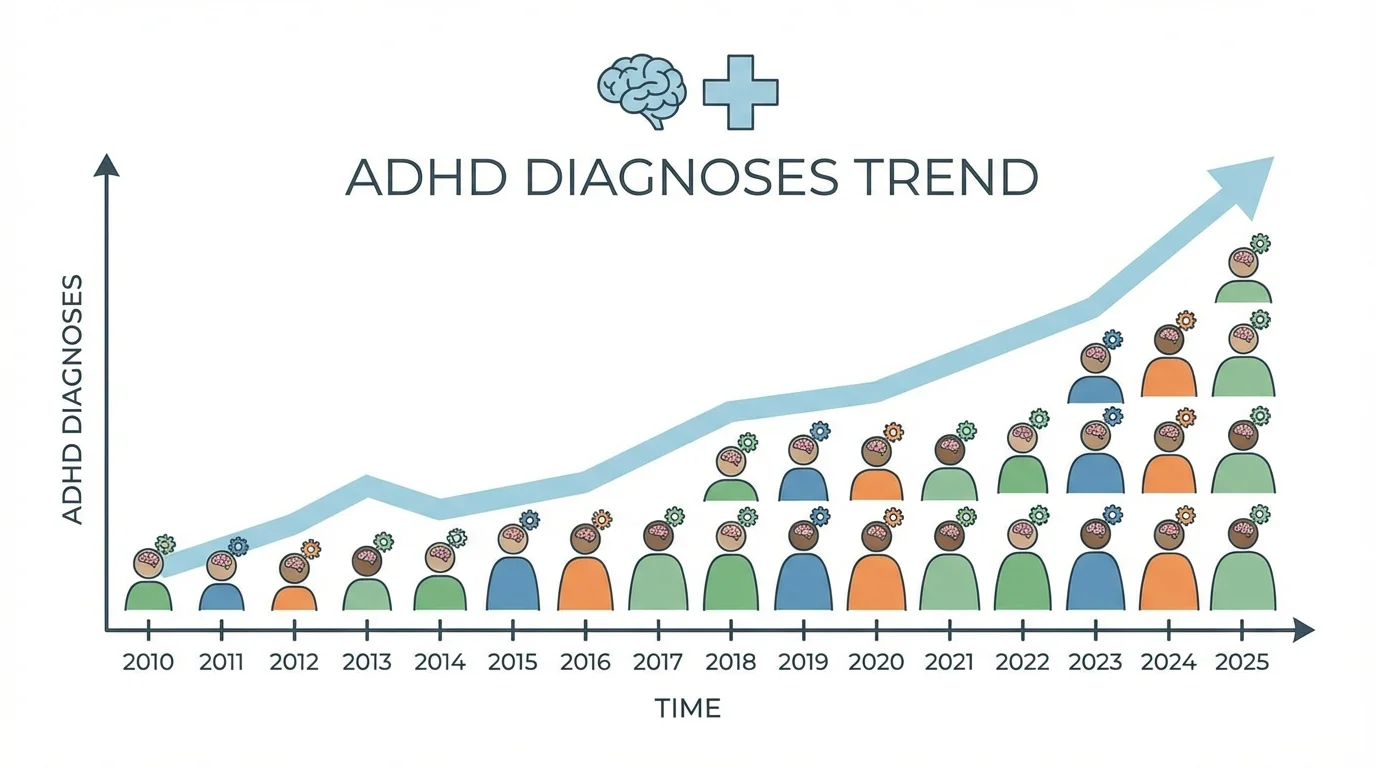
Over the past decade, the number of ADHD diagnoses in the United Kingdom has increased significantly. More people are being referred for assessment, and healthcare services are seeing higher demand for evaluations than in previous years.
Healthcare professionals and policy reports have noted that awareness of ADHD has improved, leading more individuals and families to seek medical advice when symptoms appear. As a result, diagnosis rates have steadily increased, especially in children and young adults.
The rise has been particularly noticeable in the period leading up to 2026, when healthcare data and NHS service reports indicated that waiting lists for ADHD assessments had grown considerably. Many patients now face long waiting periods before receiving an official diagnosis.
Certain demographic groups have shown particularly strong increases in diagnosis rates. Children and teenagers remain the largest group receiving diagnoses, but adult diagnoses have grown rapidly as awareness of adult ADHD has improved.
ADHD Diagnosis Statistics in the UK
Various healthcare studies and NHS data have highlighted the scale of ADHD in the UK population.
- ADHD is estimated to affect around 3% to 4% of adults and about 5% of children in the UK
- Diagnosis rates have increased steadily since the early 2010s
- The number of referrals for ADHD assessments has grown significantly in recent years
There are also differences in diagnosis rates between genders.
- Boys are more frequently diagnosed during childhood
- Girls are often diagnosed later due to less visible symptoms
- Adult diagnosis rates show a more balanced gender distribution
Key Factors Behind the ADHD Diagnosis Surge
Several factors have contributed to the growing number of ADHD diagnoses in the United Kingdom. These changes are related to social awareness, healthcare improvements, and broader cultural shifts.
Increased Awareness and Public Understanding
Public awareness of ADHD has improved significantly over the past decade. Educational campaigns, online content, and advocacy groups have helped explain the symptoms and impact of ADHD.
- Mental health charities have promoted better understanding of neurodevelopmental conditions
- Social media platforms have increased discussions around ADHD experiences
- Schools and workplaces are more aware of attention-related difficulties
As awareness grows, more individuals recognize potential symptoms and seek professional help.
Better Screening and Diagnostic Tools
Advances in diagnostic guidelines and psychological assessments have improved the accuracy of ADHD evaluations.
- Standardized diagnostic frameworks help clinicians identify symptoms more clearly
- Psychological questionnaires and behavioral assessments provide structured evaluations
- Clinicians now have better training in recognizing ADHD symptoms
These improvements allow healthcare professionals to identify ADHD more effectively.
Adult ADHD Recognition
For many years, ADHD was considered primarily a childhood condition. However, research has shown that symptoms can continue into adulthood for many individuals.
- Adults who struggled with attention or organization during childhood may seek diagnosis later in life
- Workplace challenges often lead adults to seek professional assessment
- Greater awareness has encouraged adults to discuss symptoms with healthcare providers
This shift has contributed significantly to the recent increase in diagnoses.
Reduced Stigma Around Mental Health
Mental health stigma has decreased across many parts of society, making it easier for individuals to seek support.
- Public conversations around mental health have become more common
- People are more comfortable discussing psychological conditions
- Healthcare services now emphasize early intervention and support
As stigma decreases, more people feel confident seeking assessment.
Impact of the Pandemic and Lifestyle Changes
The COVID-19 pandemic brought major changes to work, education, and daily routines. For many people, remote work and online schooling made attention difficulties more noticeable.
- Remote learning environments highlighted concentration challenges for students
- Adults working from home experienced new difficulties with organization and productivity
- Increased mental health awareness encouraged people to explore potential diagnoses
These factors contributed to increased referrals for ADHD assessments.
ADHD Diagnosis Process in the UK
Diagnosing ADHD in the UK involves a structured clinical process carried out by trained specialists. A diagnosis cannot usually be made through a single test and instead requires a detailed evaluation.
Referral Pathways
Most ADHD assessments begin with a referral from a General Practitioner (GP).
- The GP reviews the patient’s symptoms and medical history
- If ADHD is suspected, the GP refers the patient to a specialist service
- Specialists may include psychiatrists, psychologists, or ADHD clinics
Patients may access diagnosis through the NHS or private healthcare providers.
Assessment and Evaluation
The diagnostic assessment usually involves multiple stages to ensure accurate evaluation.
- Clinical interviews with the patient
- Questionnaires assessing attention and behavioral patterns
- Review of childhood history and educational experiences
- Input from family members, teachers, or partners when relevant
Specialists evaluate whether symptoms meet diagnostic criteria and whether they significantly affect daily life.
Waiting Times for ADHD Diagnosis
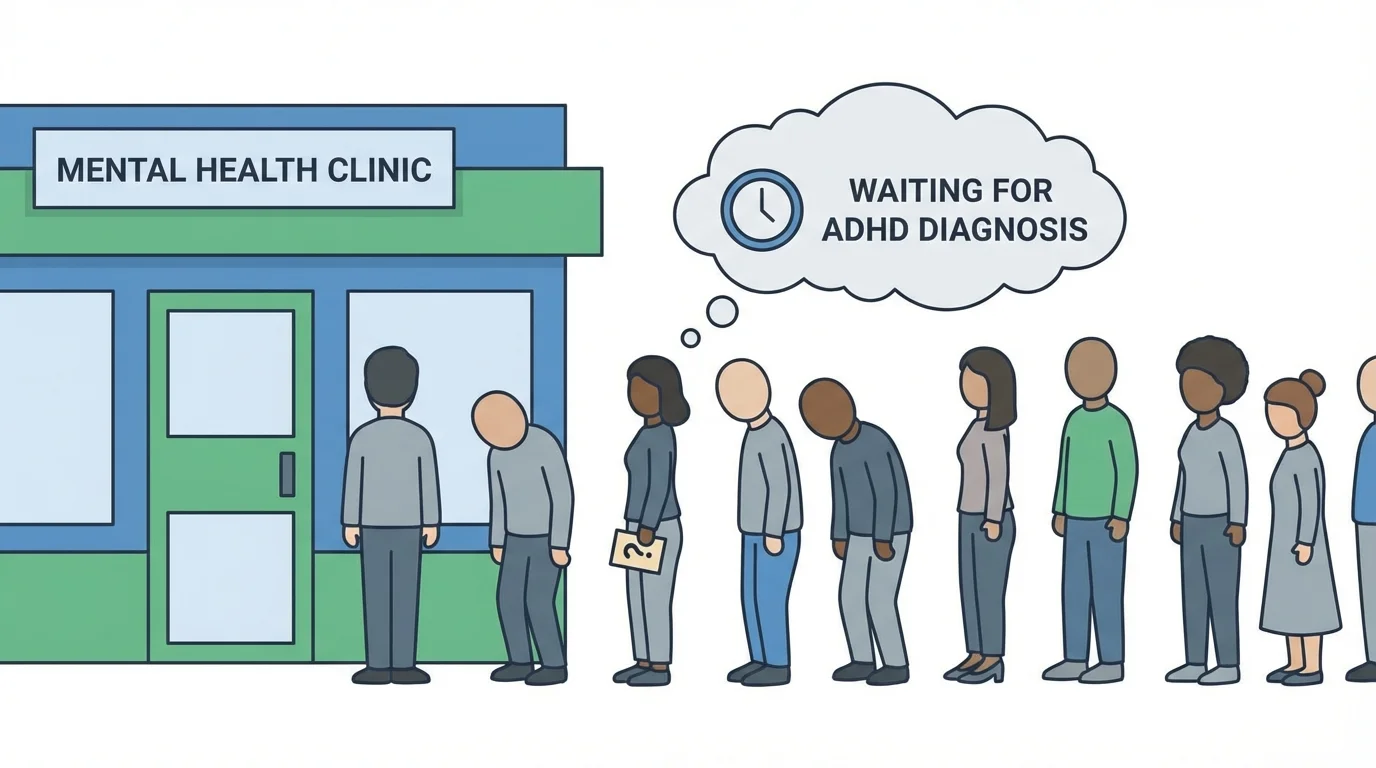
Waiting times for ADHD assessments in the UK have become a major concern in recent years.
- NHS waiting lists in some areas can extend for many months or even years
- Regional differences affect access to specialist services
- Increased demand has placed pressure on mental health services
Due to long waiting times, some individuals seek private assessments.
Demand for ADHD Services in the UK
Demand for ADHD-related healthcare services has increased rapidly as awareness of the condition has grown.
Increasing Demand for Mental Health Support
More individuals are seeking support for attention difficulties and related symptoms.
- Schools are referring more children for evaluation
- Adults are increasingly requesting ADHD assessments
- Mental health services are receiving higher numbers of referrals
This demand reflects broader changes in mental health awareness.
Pressure on NHS Services
The rise in ADHD diagnoses has created additional pressure on healthcare systems.
- Specialist clinics have experienced large increases in referrals
- Healthcare providers face challenges managing waiting lists
- Resources must be allocated for assessments, treatment, and follow-up care
Healthcare policymakers continue to explore ways to expand services.
Growth of Private ADHD Clinics
Private ADHD clinics have expanded as demand has increased.
- Patients may choose private assessments to reduce waiting times
- Private clinics often offer faster appointments
- However, private services involve additional costs
This growth reflects the gap between demand and public healthcare capacity.
ADHD Prescription Growth in the UK
As diagnosis rates have increased, prescriptions for ADHD medications have also grown across the UK.
Rise in ADHD Medication Prescriptions
Healthcare data shows a steady rise in prescriptions for ADHD treatments.
- More diagnosed patients require medication management
- Prescriptions have increased alongside diagnosis rates
- Monitoring and follow-up appointments are necessary for treatment
Medication is one of the most common treatment options used to manage ADHD symptoms.
Common ADHD Medications Prescribed
Doctors may prescribe different medications depending on the patient’s needs.
- Stimulant medications that improve attention and focus
- Non-stimulant medications that help regulate brain activity
Medication choices depend on medical history, age, and symptom severity.
Regional Prescription Patterns
Prescription rates vary across different parts of the UK.
- Some regions have higher diagnosis and treatment rates
- Access to specialists influences prescription levels
- Local healthcare policies may also affect treatment patterns
These regional differences reflect variations in healthcare access.
The Impact of ADHD Diagnosis Growth
The rapid increase in ADHD diagnoses has both positive effects and challenges for individuals and healthcare systems.
Positive Impacts
Growing recognition of ADHD can lead to better outcomes for individuals.
- Earlier diagnosis allows timely support and treatment
- Improved awareness helps reduce misunderstanding of symptoms
- Patients gain access to educational and workplace accommodations
These changes can improve quality of life for many individuals.
Challenges and Concerns
Despite the benefits, some challenges remain.
- Debates exist around the possibility of overdiagnosis
- Medication shortages have occasionally affected supply
- Healthcare systems face increasing demand for services
Balancing access to care with sustainable healthcare resources remains an important issue.
ADHD Treatment and Support Options
Managing ADHD often requires a combination of medical treatment and supportive strategies.
Medication Management
Medication is commonly used to help regulate attention and impulse control.
- Doctors prescribe medication based on individual needs
- Regular monitoring ensures effectiveness and safety
- Adjustments may be made over time
Behavioural Therapy
Therapy can help individuals develop strategies for managing symptoms.
- Cognitive behavioural therapy (CBT) supports emotional regulation
- Coaching programs help with organization and productivity
- Skills training can improve daily functioning
Educational and Workplace Support
Support systems play an important role in helping people with ADHD succeed.
- Schools may provide learning accommodations
- Universities offer academic support services
- Employers may implement workplace adjustments
These measures help individuals manage symptoms more effectively.
ADHD in Adults: A Growing Focus
Adult ADHD has received increasing attention in recent years as research has highlighted its long-term effects.
Many adults who were not diagnosed in childhood are now seeking evaluation. Some individuals discover ADHD after experiencing persistent challenges with organization, time management, or concentration.
Adult ADHD can affect many aspects of life, including career development, relationships, and financial management. Diagnosis allows adults to understand their experiences and access appropriate treatment.
Healthcare services have begun expanding adult ADHD clinics to meet growing demand.
How the Healthcare System Is Responding
Healthcare providers in the UK are implementing strategies to address the increase in ADHD diagnoses and service demand.
- NHS programs aim to expand specialist clinics
- Training programs help healthcare professionals recognize ADHD symptoms
- Policy discussions focus on improving referral pathways
These efforts aim to ensure patients receive appropriate support while maintaining healthcare system sustainability.
Tips for Individuals Seeking ADHD Diagnosis in the UK
For individuals who believe they may have ADHD, understanding the diagnostic process can help them take the first steps toward assessment.
- Monitor symptoms and note how they affect daily life
- Speak with a GP about attention difficulties or behavioral concerns
- Ask about referral options for ADHD assessments
- Explore support groups and educational resources
Seeking professional advice is an important step toward receiving appropriate support.
Conclusion
ADHD diagnoses in the United Kingdom have increased significantly in recent years, reflecting greater awareness, improved diagnostic practices, and growing recognition of adult ADHD. This surge has led to increased demand for mental health services, longer waiting times for assessments, and a rise in medication prescriptions.
While the increase in diagnoses allows more individuals to access treatment and support, it also highlights challenges within healthcare systems that must adapt to meet growing needs. Expanding diagnostic services, improving mental health resources, and continuing research into ADHD will play a key role in addressing these challenges.
As understanding of ADHD continues to evolve, the focus remains on ensuring that individuals receive accurate diagnosis, effective treatment, and the support needed to manage symptoms and improve quality of life.