Biometric enrollment is the process through which an individual’s biological characteristics are captured, verified, and recorded to establish a trusted identity. In an era where governments and institutions increasingly rely on digital systems, biometric enrollment has become a core requirement for building reliable and inclusive identity frameworks.
Foundational ID systems depend on accurate identity creation at the very first interaction with a person. Without strong enrollment practices, identity systems risk duplication, exclusion, and data integrity issues. Biometric enrollment provides a structured way to ensure that each individual is uniquely and correctly represented within an identity ecosystem.
What Is Biometric Enrollment?
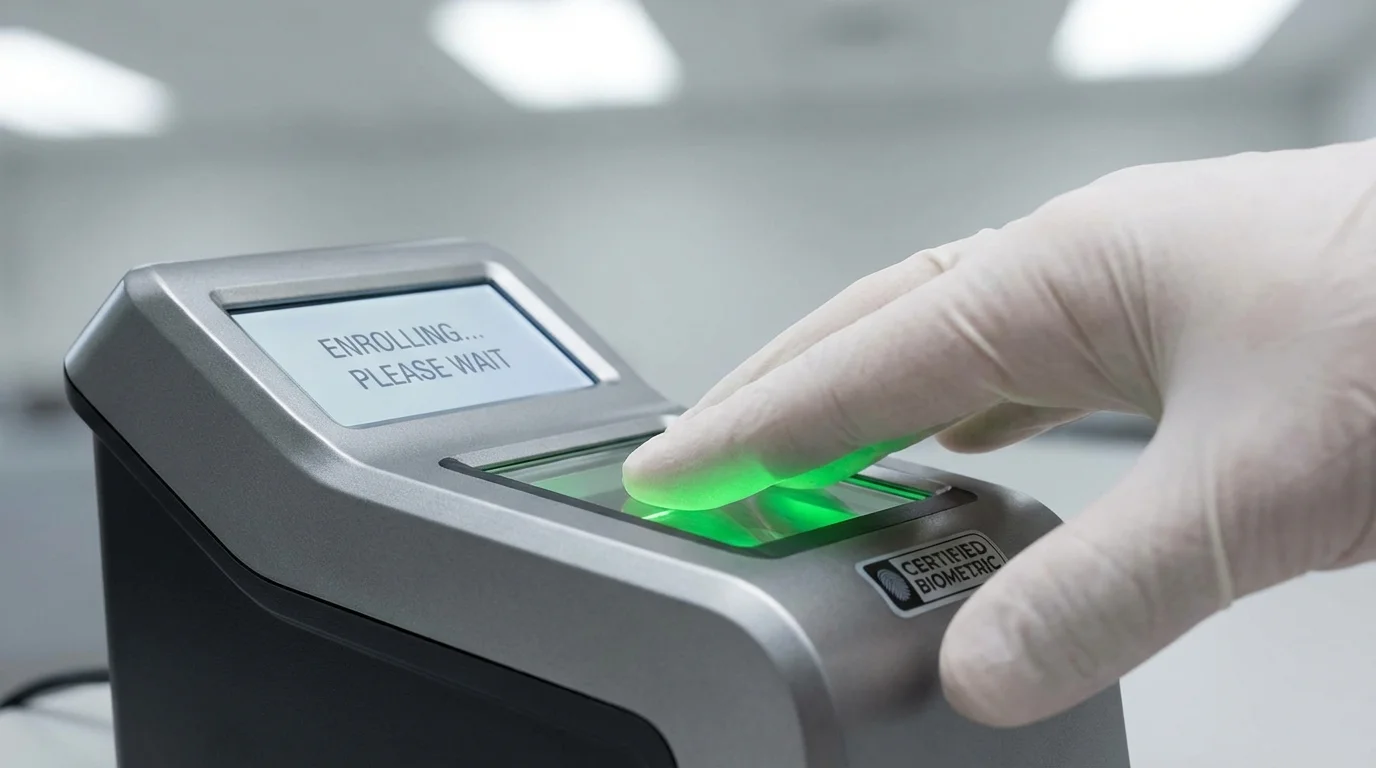
Biometric enrollment refers to the initial process of collecting and registering an individual’s biometric traits along with basic demographic information. This enrollment creates a digital identity record that can later be used for identification and authentication.
Unlike authentication, which verifies identity during repeated use, enrollment is a one-time or limited event that establishes identity at its source.
Key components of biometric enrollment include:
- Capture of biometric traits such as fingerprints, face images, or iris scans
- Collection of basic demographic information (such as name and date of birth)
- Quality assessment to ensure captured biometrics meet system requirements
- Secure storage of biometric templates rather than raw images
The success of any biometric system depends heavily on the accuracy and integrity of this initial enrollment stage.
Understanding Foundational ID Systems
A foundational ID system is a government-backed identity system designed to serve as the primary and authoritative proof of identity for residents. It acts as the base layer upon which multiple services and functional IDs can be built.
Foundational ID systems are not designed for a single service. Instead, they support identity verification across sectors such as healthcare, banking, welfare, and education.
Characteristics of foundational ID systems include:
- Universal or near-universal population coverage
- Lifelong identity validity
- Ability to support multiple use cases
- Centralized identity management framework
By design, these systems require highly reliable enrollment mechanisms to ensure each person is enrolled only once.
Why Biometric Enrollment Is Central to Foundational ID Systems
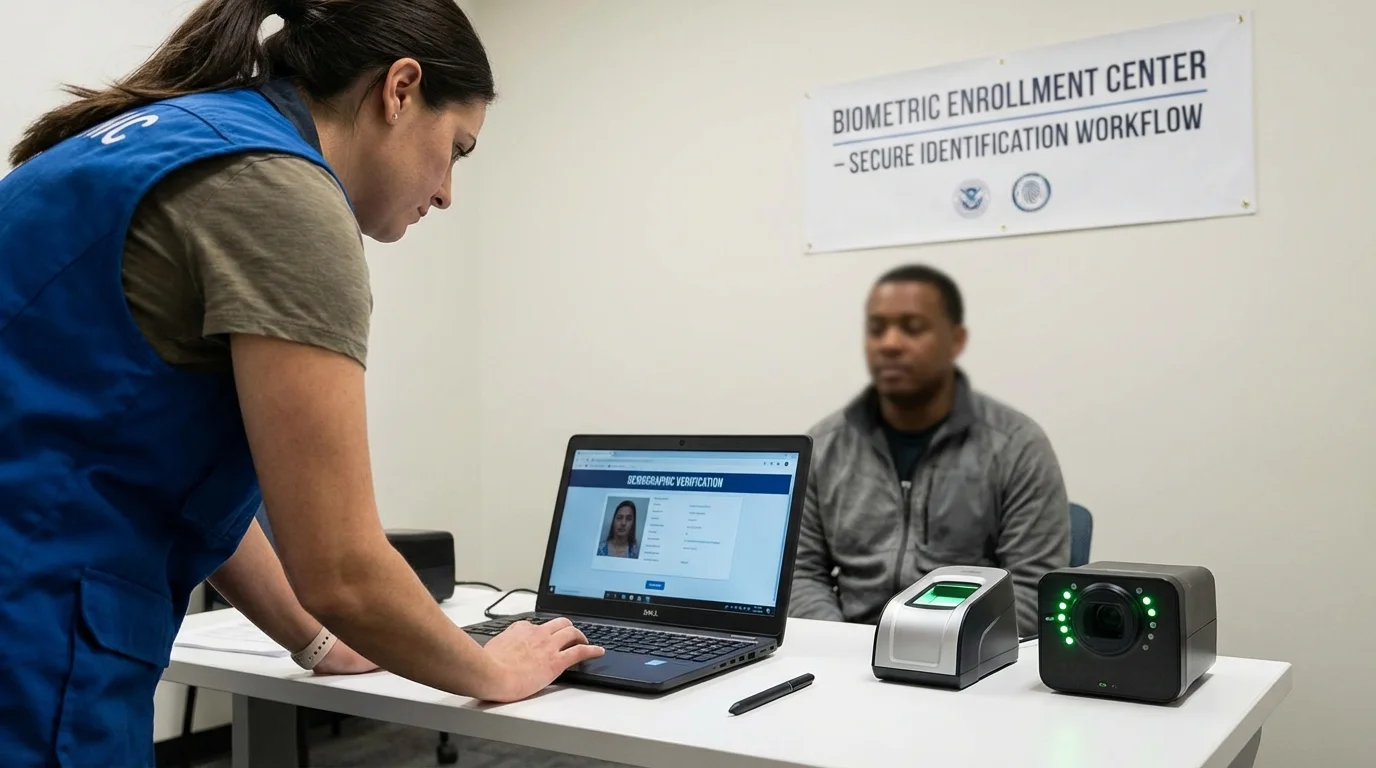
Biometric enrollment plays a critical role in ensuring that a foundational ID system maintains integrity, accuracy, and trust at scale. Traditional identity methods alone cannot reliably prevent duplicate or fraudulent identities in large populations.
Biometrics provide a measurable and verifiable way to link one person to one identity record.
Biometric enrollment enables foundational ID systems to:
- Ensure uniqueness by preventing multiple registrations
- Establish a trusted identity baseline
- Reduce identity fraud and impersonation
- Maintain consistency across services and databases
Without biometric enrollment, foundational ID systems would struggle to function reliably in large and diverse populations.
Key Biometric Modalities Used in Enrollment
1. Fingerprint Biometrics
Fingerprint biometrics are one of the most widely used modalities for enrollment due to their long history and broad acceptance.
Fingerprint enrollment involves capturing multiple impressions of a person’s fingers to create a biometric template that can be matched against others in the system.
Key characteristics of fingerprint enrollment include:
- High accuracy when capture quality is maintained
- Established standards and interoperability
- Challenges with worn or damaged fingerprints in some populations
2. Facial Biometrics

Facial biometrics rely on capturing a standardized facial image that can be converted into a biometric template. This modality is widely used due to its non-intrusive nature.
Facial enrollment is especially useful in environments where contact-based biometrics may not be practical.
Key aspects of facial biometric enrollment include:
- Use of cameras or mobile devices
- Support for assisted and remote enrollment
- Dependence on proper lighting and pose control
3. Iris Biometrics
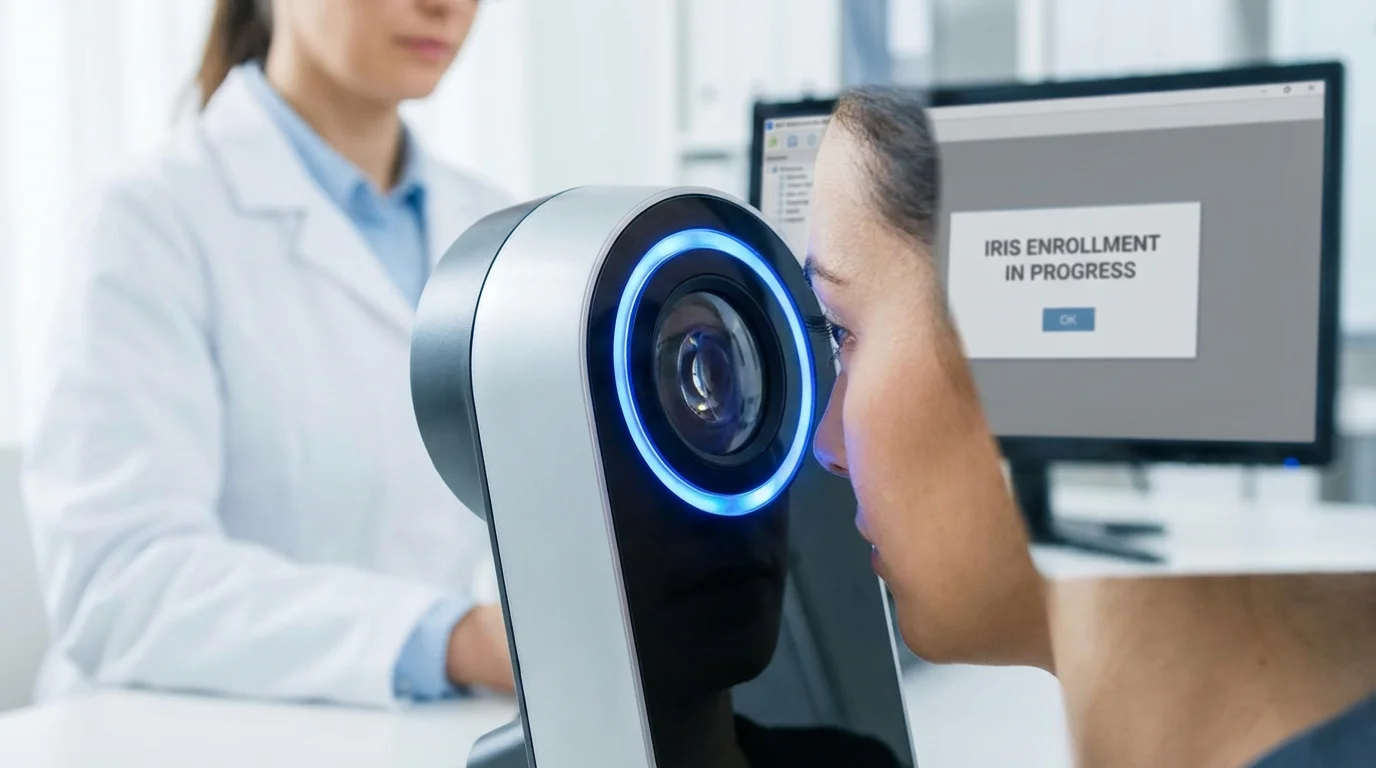
Iris biometrics involve capturing high-resolution images of the colored ring around the eye. The iris pattern is highly stable and unique.
This modality is often used in systems where high accuracy is required across large populations.
Key characteristics of iris enrollment include:
- Very low false match rates
- Stability over time
- Requirement for specialized capture devices
The Biometric Enrollment Process Explained
The biometric enrollment process follows a structured sequence to ensure data accuracy and integrity. Each step is designed to minimize errors and prevent duplication.
The typical enrollment workflow includes:
- Pre-enrollment data collection and eligibility checks
- Biometric capture using certified devices
- Real-time quality assessment of captured biometrics
- Demographic data verification
- De-duplication checks against existing records
- Secure storage of biometric templates and identity issuance
Any weakness in this process can directly affect the reliability of the entire ID system.
Importance of Enrollment Quality and Standards
Enrollment quality directly impacts system performance. Poor-quality biometric capture can lead to false matches, authentication failures, and exclusion.
To ensure consistency, enrollment processes must follow established standards and operating procedures.
Critical quality factors include:
- Standardized capture environments
- Certified biometric devices
- Trained and monitored enrollment operators
- Compliance with international biometric standards
High-quality enrollment reduces long-term operational and maintenance challenges.
Security and Privacy in Biometric Enrollment
Biometric data is sensitive by nature and requires strong safeguards throughout the enrollment lifecycle. Security and privacy protections are essential for maintaining public trust.
Enrollment systems must ensure that biometric data is protected from unauthorized access or misuse.
Key security and privacy measures include:
- Secure data capture mechanisms
- Encryption during data transmission
- Controlled access to biometric databases
- Clear data usage and retention policies
Strong governance frameworks help balance identity verification needs with individual rights.
Inclusivity and Accessibility in Biometric Enrollment
Foundational ID systems aim to include all residents, which makes inclusive enrollment strategies essential. Some populations face challenges with traditional biometric capture methods.
Enrollment programs must adapt to diverse physical, geographic, and social conditions.
Inclusivity considerations include:
- Mobile and offline enrollment solutions
- Alternative biometric options for individuals with worn fingerprints
- Special procedures for children and the elderly
- Gender- and disability-sensitive enrollment practices
Inclusive enrollment strengthens the legitimacy and reach of identity systems.
Role of Biometric Enrollment in Digital Public Infrastructure
Biometric enrollment enables digital public infrastructure by providing a reliable identity layer that services can depend on.
Once enrolled, individuals can access multiple services using the same foundational identity.
Key areas supported by biometric enrollment include:
- Social welfare and benefit distribution
- Financial inclusion and KYC processes
- Healthcare and insurance systems
- Education and civic services
Reliable enrollment ensures that services reach the intended beneficiaries.
Global Examples of Biometric Enrollment in Foundational ID Systems
Several large-scale identity programs demonstrate the role of biometric enrollment in foundational ID systems. One prominent example is the Aadhaar system managed by UIDAI, which uses multimodal biometrics to establish unique identities.
International organizations such as the World Bank have also supported digital ID initiatives worldwide, emphasizing inclusion, security, and interoperability.
These implementations highlight the importance of standardized enrollment processes and strong governance.
Challenges in Implementing Biometric Enrollment at Scale
Large-scale biometric enrollment programs face operational, technical, and social challenges. Managing enrollment across millions of people requires careful planning and execution.
Common challenges include:
- Infrastructure limitations in remote areas
- Variations in biometric quality across populations
- Legal and regulatory compliance requirements
- Building and maintaining public trust
Addressing these challenges is critical for long-term system success.
Conclusion
Biometric enrollment forms the foundation upon which reliable and inclusive identity systems are built. By ensuring uniqueness, accuracy, and trust, enrollment enables foundational ID systems to function at scale.
Strong enrollment frameworks support service delivery, digital governance, and social inclusion. As identity systems expand and evolve, biometric enrollment will remain a critical component in establishing secure and trusted identities for individuals worldwide.