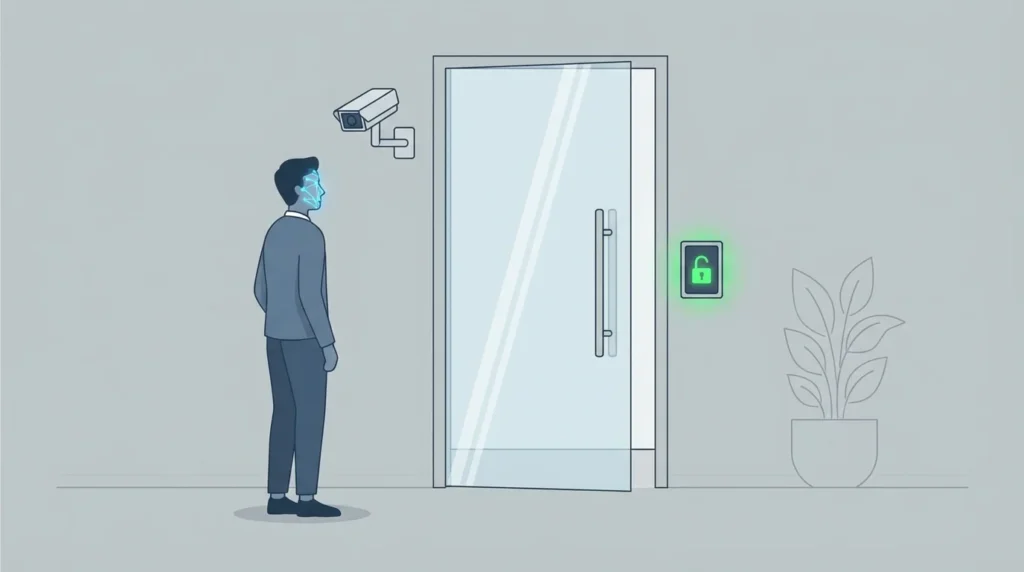
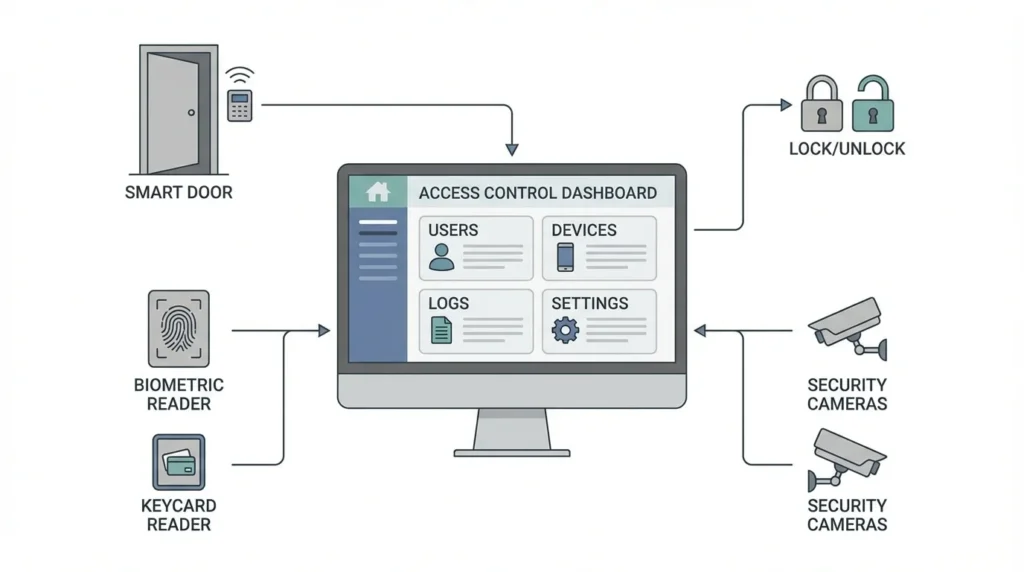
Security needs are changing rapidly in both personal and public spaces. As digital systems expand and physical environments become more connected, traditional security methods like passwords, PINs, and ID cards are no longer enough on their own. These methods can be forgotten, stolen, shared, or hacked. Biometric security has emerged as a practical response to these challenges by using unique human characteristics to verify identity. It is increasingly seen as a reliable way to improve safety, reduce fraud, and build trust across personal devices, organizations, and public infrastructure.
What Is Biometric Security?
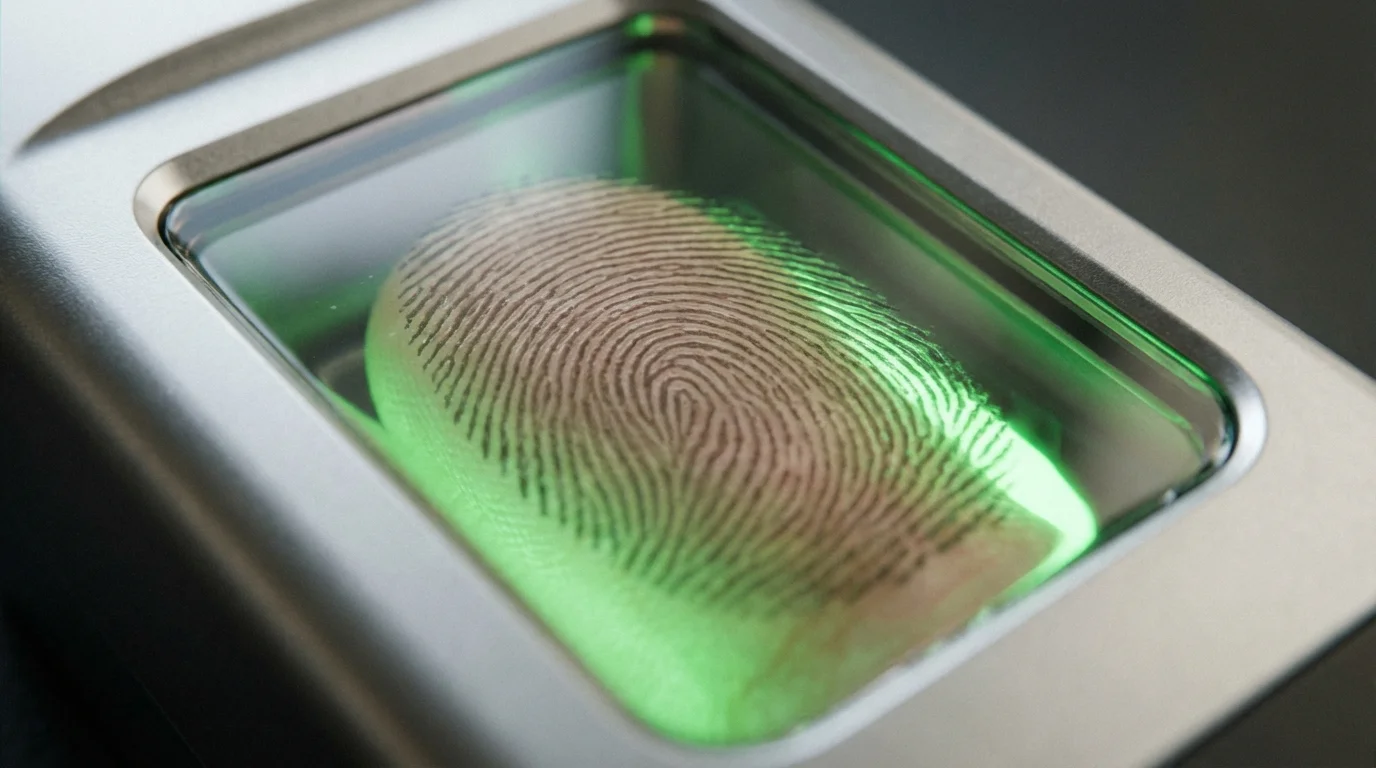
Biometric security is a method of identity verification that relies on unique biological or behavioral characteristics of an individual. These characteristics are measured, stored in a secure format, and later compared during authentication.
Biometric authentication works by capturing a biometric sample, such as a fingerprint or facial image, converting it into a digital template, and matching it against a stored template. Access is granted only when the match meets a predefined accuracy threshold.
Unlike traditional security methods, biometric security is directly linked to the individual. Passwords and cards can be shared or lost, but biometric traits are inherent to a person, making unauthorized access more difficult.
Types of Biometric Technologies
Biometric technologies are commonly divided into physiological and behavioral categories based on what aspect of the individual is measured.
Physiological Biometrics
Physiological biometrics are based on physical characteristics that remain relatively stable over time.
- Fingerprint recognition analyzes ridge patterns and minutiae points on a finger
- Facial recognition maps facial features such as distance between eyes, nose shape, and jawline
- Iris and retina scanning examine unique patterns in the eye
- Palm and vein recognition use vein structures beneath the skin that are difficult to replicate
Behavioral Biometrics
Behavioral biometrics focus on patterns in how a person performs specific actions.
- Voice recognition analyzes speech patterns and vocal characteristics
- Keystroke dynamics measure typing rhythm and speed
- Gait recognition studies the way a person walks
- Signature recognition evaluates writing speed, pressure, and stroke order
How Biometric Security Enhances Personal Safety
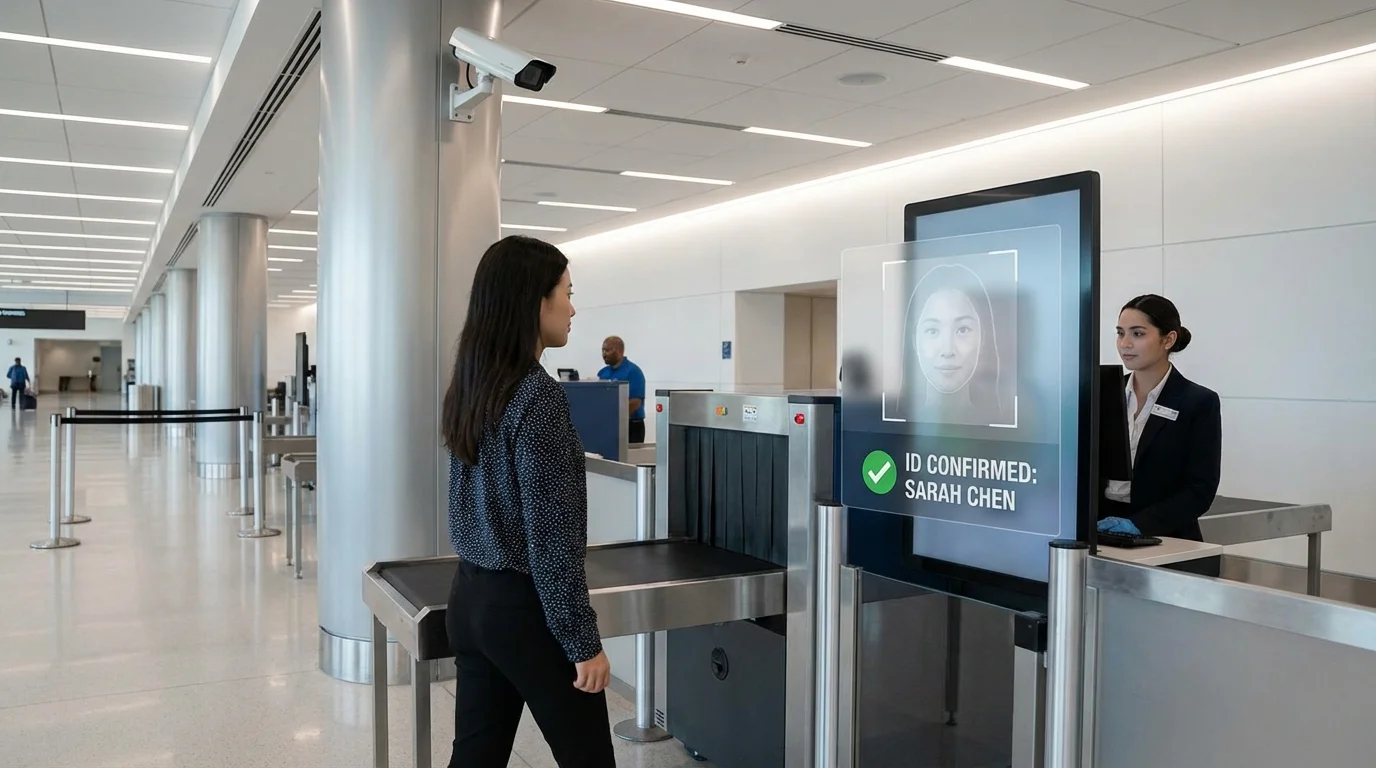
Biometric security plays a growing role in protecting individuals in daily life. It secures access to smartphones, laptops, and personal accounts, reducing the risk of unauthorized use.
Biometric authentication is widely used in banking and digital payments to verify users before transactions. This reduces dependence on passwords and one-time codes that can be intercepted or guessed.
By tying access directly to the user, biometric systems help prevent identity theft and reduce fraud. Even if personal information is leaked, biometric traits cannot be easily reused without the individual’s physical presence.
Role of Biometric Security in Public Safety
In public safety, biometric security supports identification, monitoring, and response efforts. Law enforcement agencies use biometrics to identify suspects, verify identities, and link individuals to criminal records more accurately.
At borders and immigration checkpoints, biometric systems help confirm traveler identities, detect fraudulent documents, and improve processing efficiency. These systems support large-scale identity verification without relying solely on manual checks.
Biometric technologies are also used in surveillance and crowd monitoring to identify persons of interest and enhance situational awareness in public spaces. In disaster situations, biometrics assist in identifying missing persons and reuniting families when other identification methods fail.
Biometric Security in Critical Sectors
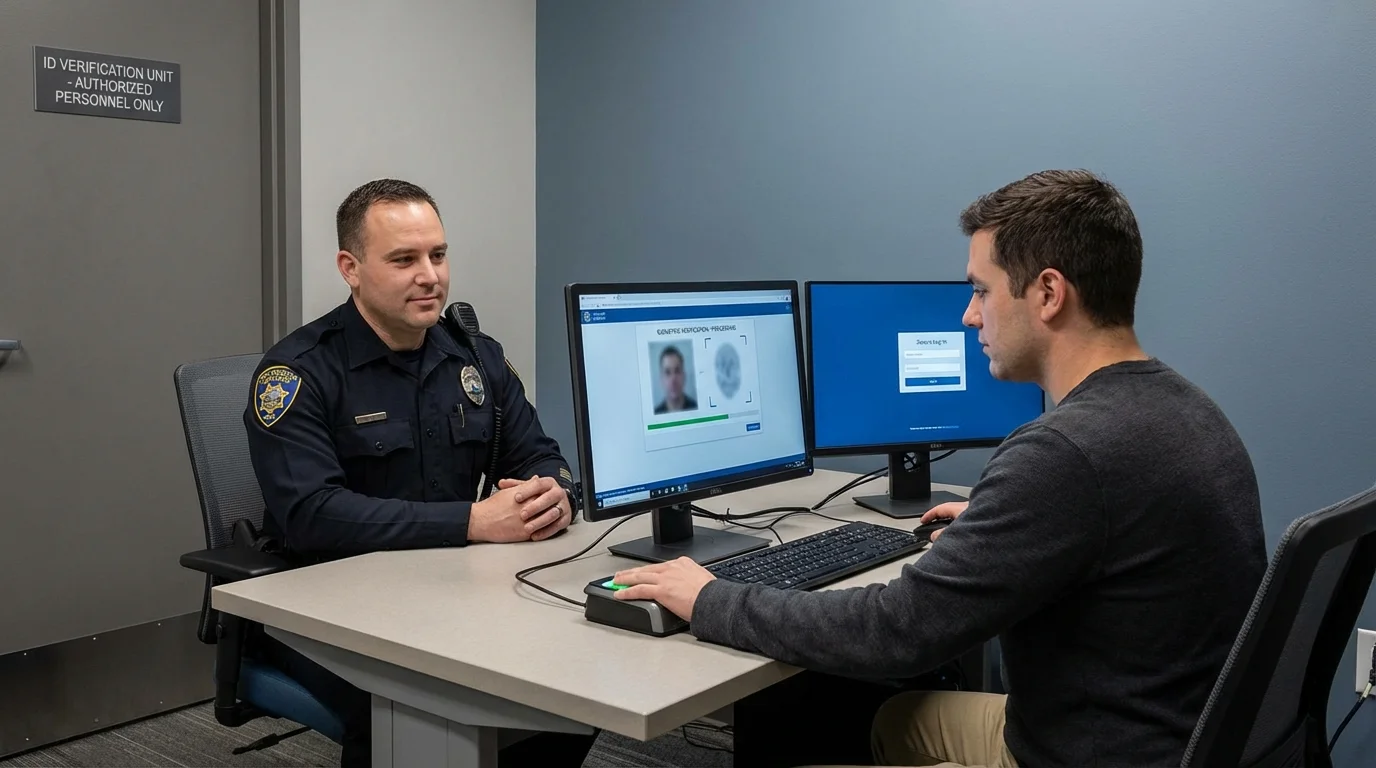
Biometric security is applied across multiple sectors where accurate identification is essential.
Government and Defense
Governments use biometric systems for national identity programs and secure access control. These systems help ensure that public services and sensitive facilities are accessed only by authorized individuals.
- National ID enrollment and verification
- Secure entry to defense and government buildings
Healthcare
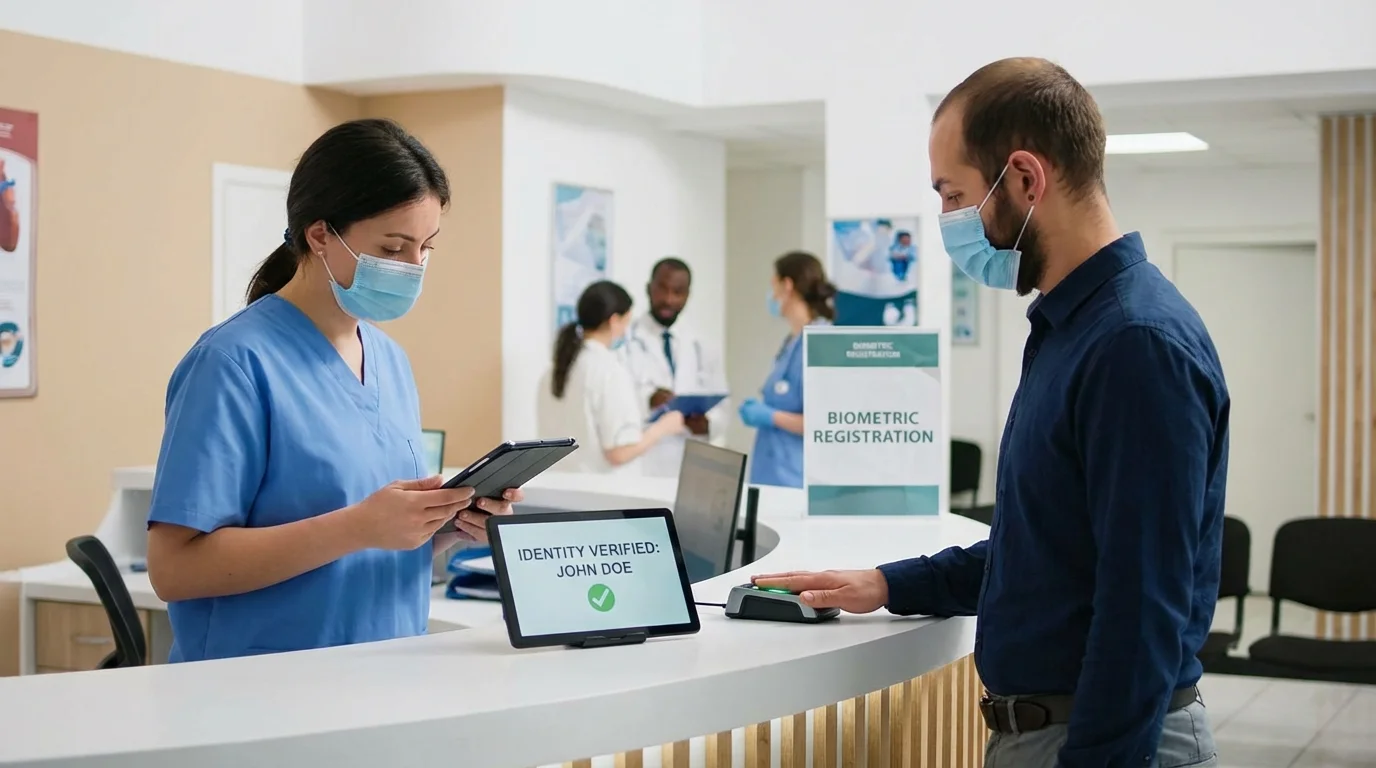
In healthcare, biometric security improves patient identification and protects medical records. Accurate identification reduces errors in treatment and helps prevent medical identity fraud.
- Patient check-in and record access
- Secure access to clinical systems
Banking and Financial Services
Financial institutions rely on biometrics to authenticate customers and protect transactions. This adds an extra layer of security beyond traditional credentials.
- Account login verification
- Fraud detection and transaction approval
Corporate and Enterprise Security
Organizations use biometric systems to manage employee access and improve workplace safety. These systems reduce reliance on physical badges and shared credentials.
- Office and facility access control
- Attendance and workforce management
Advantages of Biometric Security Systems
Biometric security systems offer several practical benefits that support their growing adoption.
- High accuracy when properly designed and maintained
- Improved convenience by eliminating the need to remember passwords
- Strong resistance to forgery compared to physical tokens
- Reduced operational risks from lost or stolen credentials
Challenges and Limitations of Biometric Security
Despite its benefits, biometric security is not without challenges. Privacy concerns arise from the collection and storage of sensitive biometric data.
System accuracy can be affected by environmental conditions, user behavior, or changes in physical traits. False acceptance and false rejection can impact user trust if not carefully managed.
Implementation costs can be higher than traditional systems, especially when specialized hardware and infrastructure are required. Ongoing maintenance and system updates are also necessary to ensure reliability.
Biometric Data Privacy and Ethical Considerations
Biometric data is highly sensitive because it is permanently linked to an individual. Responsible collection and storage practices are essential to protect user rights.
Organizations must ensure informed user consent and be transparent about how biometric data is used, stored, and retained. Secure storage and encryption are critical to prevent misuse or unauthorized access.
Ethical concerns are particularly important in public surveillance contexts, where large-scale biometric use can impact civil liberties. Clear regulations and oversight are needed to balance security needs with individual privacy.
Biometric Security vs Traditional Security Methods
Compared to traditional security methods, biometric systems offer stronger identity assurance. Passwords and cards rely on something a user knows or possesses, while biometrics rely on who the user is.
Biometric systems provide a smoother user experience by reducing friction during authentication. They also scale more effectively for large populations where managing credentials can be complex.
Over time, biometric security can be cost-efficient by reducing losses from fraud and lowering administrative overhead associated with credential management.
How Organizations Can Implement Biometric Security Effectively
Successful implementation starts with selecting the right biometric technology based on use case, risk level, and user population. Compatibility with existing systems is essential for smooth integration.
Strong data security practices must be in place to protect biometric templates and comply with applicable regulations. User training and clear communication help build trust and ensure correct system usage.
- Conduct risk and feasibility assessments
- Implement secure storage and access controls
- Educate users on system purpose and benefits
Impact of Biometric Security on the Future of Safety
Biometric security is reshaping how safety is approached in both personal and public contexts. It raises the standard for identity verification and supports more reliable access control systems.
By strengthening authentication and reducing fraud, biometric technologies contribute to safer digital and physical environments. Their future impact depends on responsible adoption that balances security, privacy, and public trust.
Conclusion
Biometric security represents a significant shift in how identity and access are managed. By leveraging unique human characteristics, it offers a practical response to modern security challenges. While it introduces new considerations around privacy and ethics, careful design and governance can address these concerns. As technology continues to advance, biometric security is set to play a central role in shaping the future of personal and public safety.
FAQs
Is biometric security safer than passwords?
Biometric security is generally safer than passwords because it relies on unique physical or behavioral traits that are difficult to copy or guess. Passwords can be reused, shared, or stolen, while biometric authentication requires the actual presence of the authorized person.
Can biometric data be hacked?
Biometric systems can be targeted like any digital system, but they usually store biometric data as encrypted templates, not raw images. When proper security controls are used, the risk of misuse is reduced, though no system can be considered completely risk-free.
Are biometric systems accurate for large populations?
Modern biometric systems are designed to work accurately at scale. Accuracy depends on system quality, environmental conditions, and proper configuration. Using high-quality sensors and well-trained algorithms helps maintain reliable performance even with large user groups.
What happens if biometric data is compromised?
If biometric data is compromised, it cannot be changed like a password. This is why secure storage, encryption, and limited access are critical. Many systems use template protection methods to reduce the risk of biometric data being reused.
Is biometric security legal and regulated?
Yes, biometric security is subject to laws and regulations in many regions. These regulations typically focus on user consent, data protection, and responsible usage. Organizations must follow applicable data protection and privacy rules when collecting and using biometric information.