Identity proofing is the process of confirming that an individual is truly who they claim to be before allowing them access to systems, facilities, or sensitive information. In the private sector, robust identity proofing underpins secure hiring, compliance, and the safety of proprietary assets. While traditional document checks have sufficed in the past, the rise of insider fraud and identity theft has made stronger, biometric-based approaches essential for organizations seeking to enhance trust and security.
Understanding the Cost and Impact of Identity Fraud
Insider fraud and identity misuse cost the global economy trillions of dollars each year, with sectors like finance and healthcare especially vulnerable due to the sensitive nature of their operations. Fraudsters routinely use stolen identities or forged documents to bypass conventional checks. Biometric identity proofing offers a business-critical solution, tightening defenses against such risks and streamlining the audit process for both internal and regulatory governance.
What Is Biometric Identity Proofing?
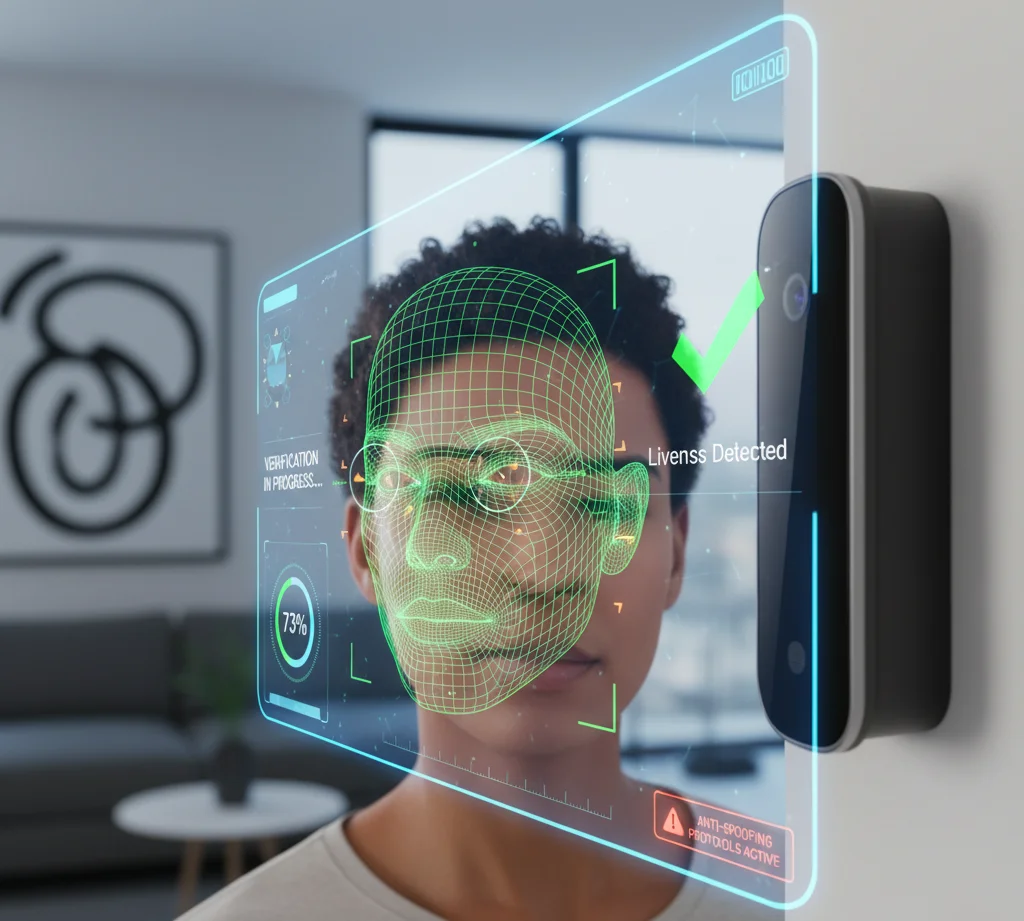
Biometric identity proofing uses unique physical traits such as fingerprints, facial features, or iris patterns to link a claimed identity to an actual person with a high degree of accuracy. These modalities are inherent to individuals and, when coupled with liveness or spoof detection techniques, are extremely difficult to fake or steal. Both one-to-one (verifying a single identity claim) and one-to-many (screening for duplicates or watchlist matches) approaches are used to elevate assurance beyond what documents alone can provide.
Key Methods of Biometric Identity Proofing
- Facial Recognition with Liveness Detection: Compares selfies to government IDs, using liveness tests to prevent spoofing with photos or deepfakes. Modern solutions can distinguish between live presentations and static images for stronger verification.
- Fingerprint Biometrics: Widely adopted due to speed and accuracy; fingerprints can be used to cross-check criminal databases in supported regions or compare against internal employment records, helping to expose attempts at identity fraud.
- Iris Recognition: Offers precise, secure identification particularly suited for high-security environments or privileged access, thanks to the singularity of iris patterns and their resistance to spoof attacks.
Industries That Benefit Most
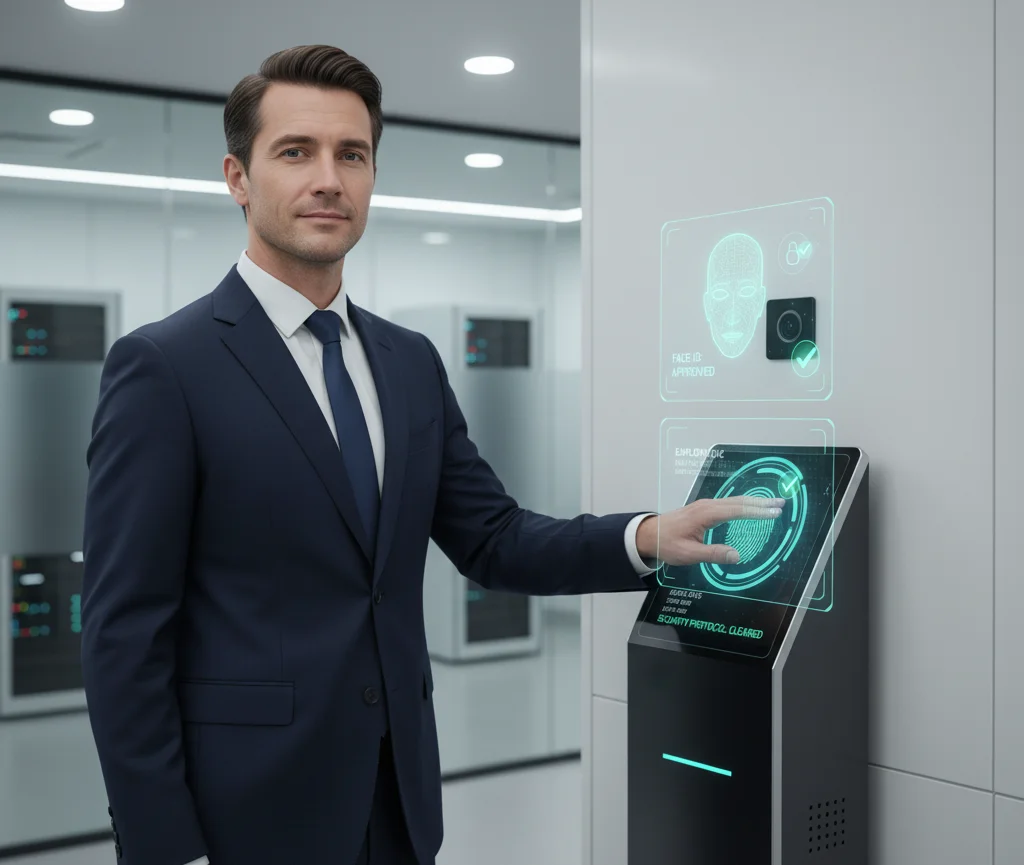
- Banking, Insurance, and Financial Services: Employee background checks powered by biometrics help satisfy regulatory demands and safeguard assets against internal fraud, all while supporting Zero Trust and KYC initiatives.
- Healthcare: Ensures clinicians’ credentials are correctly associated and delivered, minimizing the risk of fraudulent hires and preserving both patient safety and data security.
- Energy, Transportation, and Construction: With distributed teams and transient staff, these sectors gain better workforce trust and access control through rapid, reliable biometric verification during hiring and onboarding.
The Identity Proofing Process: Step-by-Step
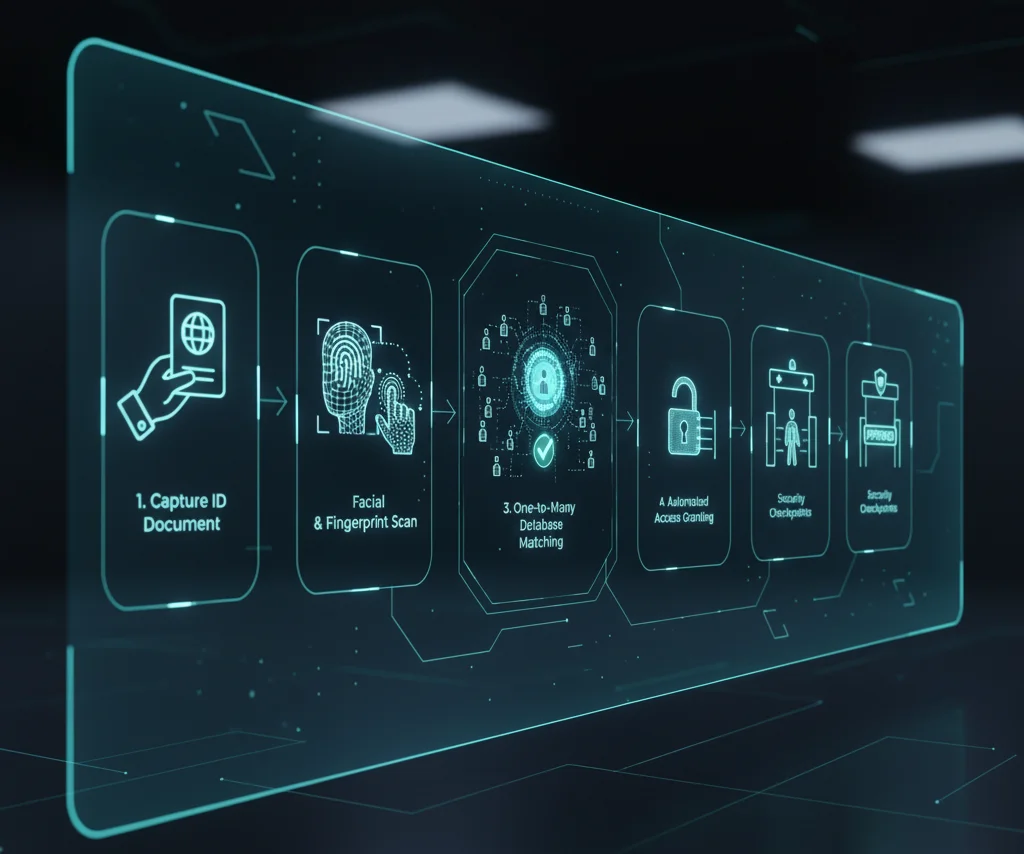
- Pre-Hire and Onboarding
-
-
- Capture and verify identity documents
- Gather biometric samples (e.g., face, fingerprints) via secure channels
- Cross-check data for liveness and authenticity
-
- Database and Watchlist Matching
-
-
- Compare against internal employment logs for re-hires
- Screen against external watchlists or criminal databases where supported
-
- Identity and Access Management Binding
-
-
- Link the verified identity to company IAM systems
- Enable seamless access control and future-proof compliance
-
- Ongoing Monitoring
-
- Periodically re-proof identity at sensitive junctures (e.g., promotions, role changes)
- Monitor for anomalous behavior or risk scenarios
Regulatory Framework and Compliance
- NIST Guidelines (SP 800-63A): U.S. standards define assurance levels and evidence requirements for robust digital identity proofing programs.
- Sectoral Regulations: Financial and government-adjacent industries follow strict employee screening requirements, with FFIEC and other guidelines shaping best practices.
- Privacy and Security: Ensure GDPR-compliant collection, encrypted storage, data minimization, and consent documentation for all biometric information.
Also Read: Biometrics in Healthcare: Improved Safety and Privacy for Patients
Best Practices for Effective Deployment
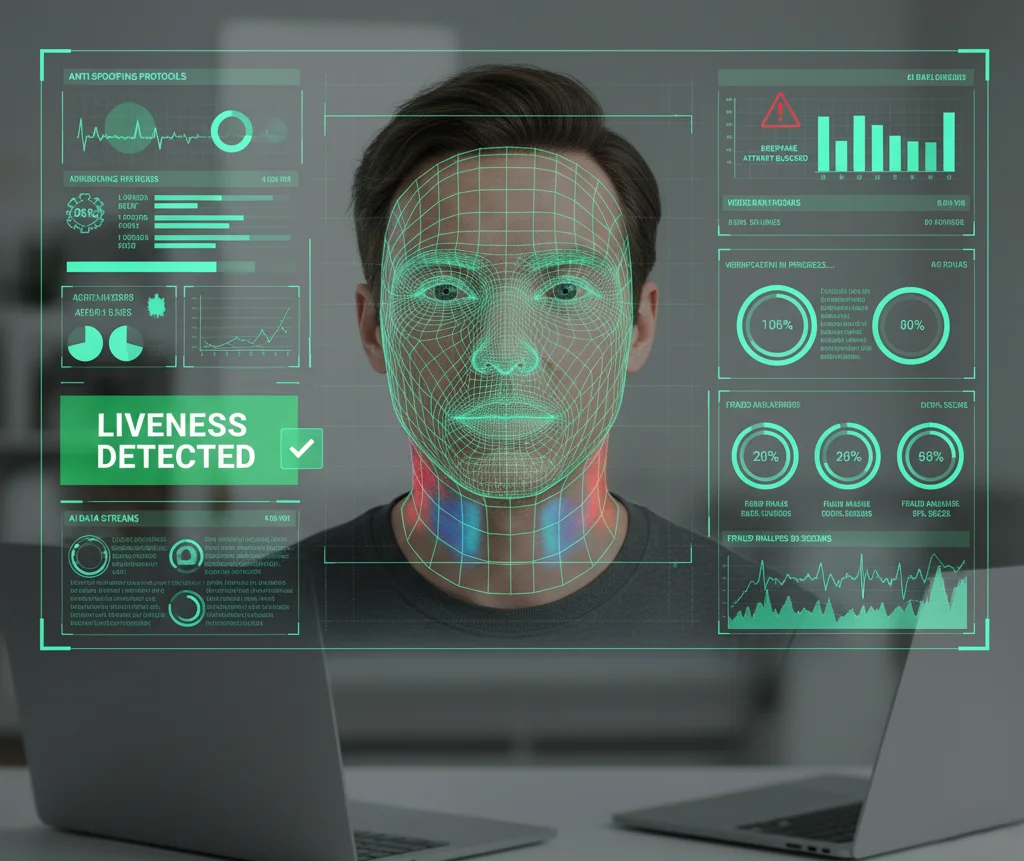
- Perform risk and technology assessments aligned to each role’s security profile
- Choose certified liveness and anti-spoofing technologies
- Encrypt and strictly control biometric data at all stages
- Ensure transparency and informed consent for all applicants/employees
- Integrate biometric verification into existing HR and IAM workflows for minimal disruption
Advantages Over Traditional Methods
- Biometric verification is far more resistant to impersonation and document fraud attempts than text-based credentials or document checks alone
- Faster, simplified onboarding reduces cycle times and operational overhead
- One-to-many search capabilities detect duplicate or hidden identities that paper checks cannot
Overcoming Implementation Challenges
- User Acceptance: Design frictionless, accessible biometric capture experiences, offering fallback alternatives and user education to address concerns
- Integration: Adopt standards-based APIs for connecting biometric tools with HR, payroll, and access control systems
- Governance: Regularly audit technology, review privacy policies, and update processes in line with evolving legal and business risks
Conclusion
Biometric identity proofing equips private sector organizations with the security and trust needed to combat modern hiring and insider fraud threats. By aligning programs with industry standards, deploying advanced liveness detection, and respecting privacy rights, firms strengthen hiring, boost compliance, and future-proof their security posture in the digital age.