The growing caseloads of parolees and probationers have created a crisis for supervisory officers, whose traditional monitoring methods are increasingly strained. GPS ankle bracelets, frequent in-person check-ins, and RF systems struggle to keep pace with the rising demand, often at the expense of effective supervision and rehabilitation. This blog explores how mobile biometrics are transforming offender monitoring, offering a scalable, efficient, and humane alternative.
The Challenge: Why Traditional Offender Monitoring Falls Short
The exponential growth in offender populations has outpaced the resources allocated for supervision, leading to limitations in current systems. Costly GPS ankle bracelets require maintenance and stigmatize offenders while in-person check-ins are time-consuming and inefficient. These challenges hinder officer capacity, increase the risk of violations, and stifle community reintegration efforts.
Mobile Biometrics: The Game-Changing Solution
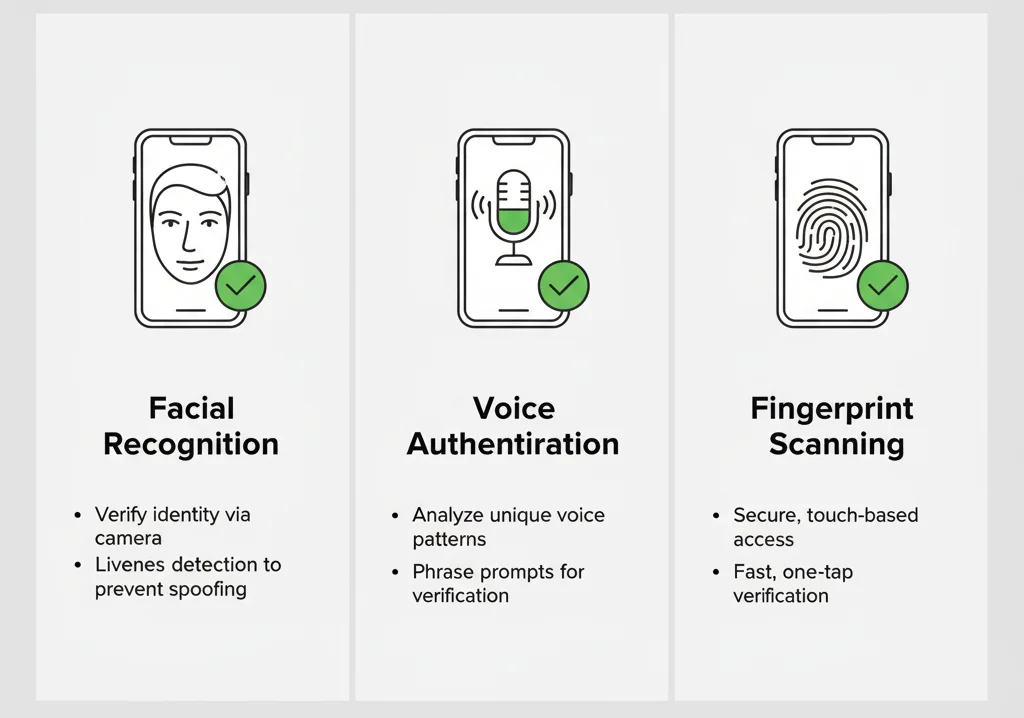
Mobile biometrics utilize facial recognition, voice verification, fingerprint scanning, and multimodal authentication through smartphones—devices already owned by 77% of Americans. These technologies enable live, remote, and accurate identity verification, combining location tracking with biometric checks to ensure compliance while offering offenders greater freedom and dignity.
Key Benefits of Mobile Biometric Offender Monitoring
- For Law Enforcement: Reduced paperwork, real-time alerts, better data analytics, and more focus on rehabilitation.
- For Offenders: Less stigma, greater autonomy, and incentives for good behavior.
- For the Justice System: Cost reduction, scalability, high accuracy, and enhanced public safety.
The Technology Behind Mobile Biometric Monitoring
Biometric modalities like facial recognition and voice verification ensure robust, spoof-resistant identity confirmation. Location verification via GPS and geofencing complements biometric checks for comprehensive monitoring while advanced liveness detection prevents spoofing attempts. These layers of security foster trust and reliability.
Also Check: What is Biometric System Accuracy Testing?
Addressing Concerns and Challenges
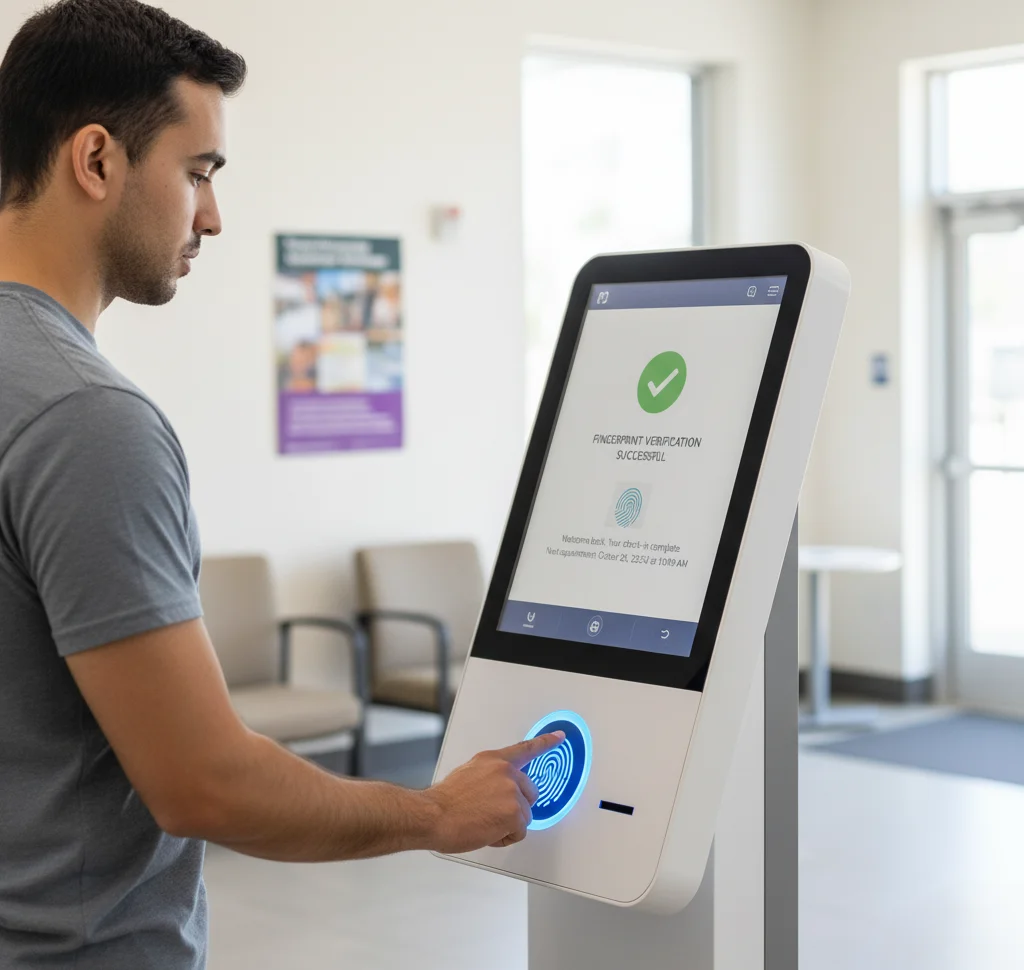
Privacy and data security are paramount—biometric data must adhere to strict standards and regulations such as GDPR. Technical reliability requires stable connectivity and support across devices. Ethical considerations include voluntariness, fairness, and transparency, ensuring technology enhances rehabilitation rather than just surveillance.
The Future of Offender Monitoring Technology
Emerging innovations like AI analytics, wearable biometric devices, and blockchain security will further enhance monitoring precision. Customization based on offense severity and rehabilitation progress will enable a more tailored supervision approach. Expanding these technologies beyond parole to border security and mental health support will broaden their impact.
Implementation Considerations for Agencies
Transitioning requires careful planning: phased rollouts, officer training, budget analysis, and stakeholder engagement are essential. Addressing legal frameworks and standardizing practices across jurisdictions will facilitate broader adoption and consistent enforcement.
Conclusion
Mobile biometrics represent the future of offender supervision—more efficient, respectful, and effective. They can reduce costs, improve compliance, and support the overarching goal of successful community reintegration. Agencies and policymakers should consider pilot programs and regulatory updates to harness this transformative technology effectively. Ultimately, technology can help create a more humane and effective justice system that balances accountability with opportunity for rehabilitation.