Fingerprint scanners are widely used for identity verification, access control, attendance systems, banking, and government programs. As biometric systems deal with sensitive personal data, their accuracy, security, and reliability are critical. This is where standards and certifications play an important role. They help ensure that fingerprint scanners perform consistently, meet quality benchmarks, and follow security and privacy requirements. In this guide, we explain what fingerprint scanner standards and certifications are, why they matter, and how they apply across different industries.
What Are Fingerprint Scanner Standards and Certifications?
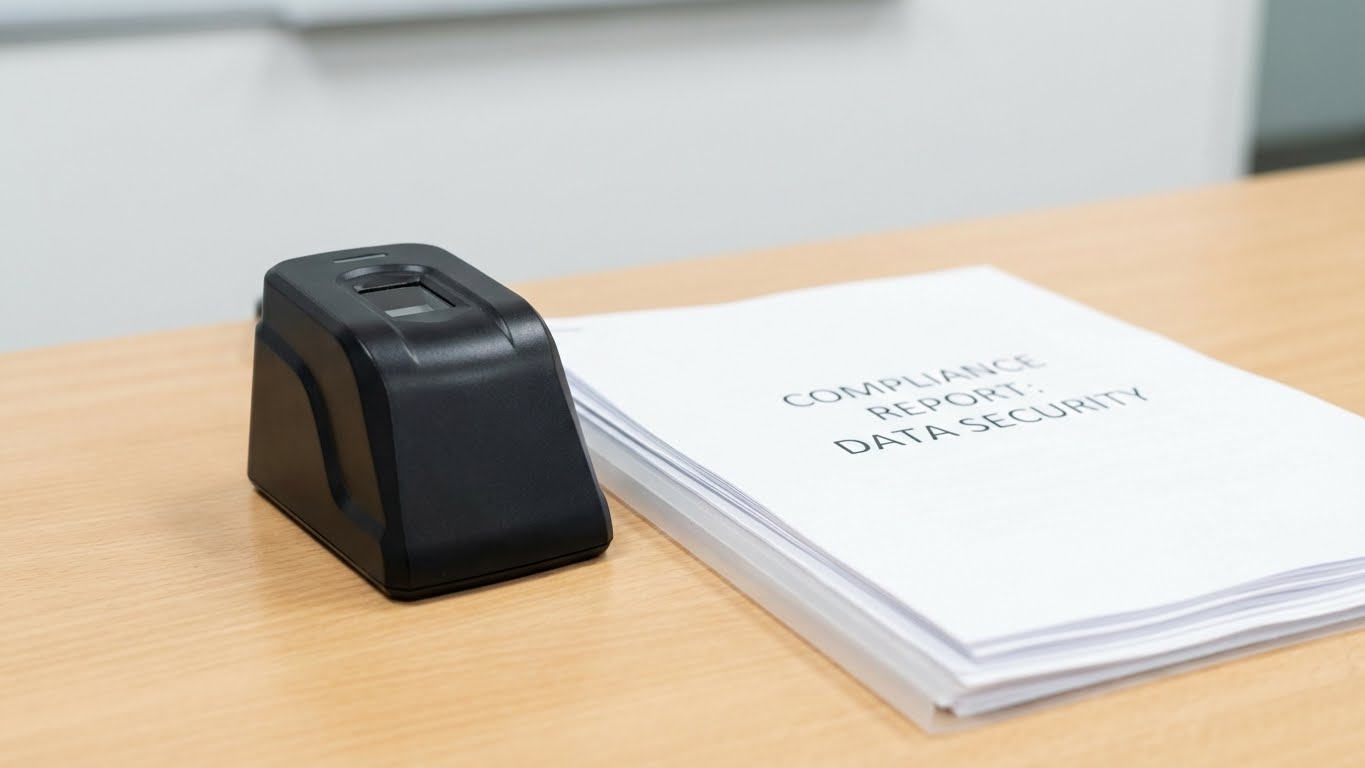
Fingerprint scanner standards and certifications define how biometric devices should capture, process, store, and transmit fingerprint data.
Fingerprint scanner standards are technical specifications created by recognized organizations. They define formats, performance metrics, quality benchmarks, and interoperability rules so that systems work consistently across vendors and applications.
Fingerprint scanner certifications are formal validations issued after testing a device against specific standards. Certification confirms that a fingerprint scanner meets predefined technical, security, or regulatory requirements.
Standards and certifications serve different purposes but work together:
- Standards describe how fingerprint systems should function.
- Certifications confirm that a specific device follows those standards.
- Regulatory bodies and testing labs enforce and validate compliance.
Why Fingerprint Scanner Standards and Certifications Are Important

Standards and certifications ensure that fingerprint scanners can be trusted in real-world applications where identity accuracy is essential.
- They help improve system reliability and performance consistency across different environments and users.
- They strengthen security by reducing the risk of false matches, spoofing, and unauthorized access.
- They support interoperability, allowing fingerprint scanners to work with databases and systems from different vendors.
- They help organizations meet legal and regulatory requirements, especially in government, finance, and healthcare sectors.
- They build trust among users, enterprises, and authorities by ensuring devices meet recognized benchmarks.
Key International Fingerprint Scanner Standards
ISO/IEC Standards for Fingerprint Recognition
The International Organization for Standardization (ISO) and the International Electrotechnical Commission (IEC) publish widely accepted biometric standards.
- ISO/IEC 19794-2 defines the data format for fingerprint minutiae, ensuring consistent representation of fingerprint features.
- ISO/IEC 19794-4 specifies fingerprint image data formats, supporting interoperability between systems that store or exchange fingerprint images.
- ISO/IEC 29794 focuses on biometric sample quality, defining how fingerprint image quality should be assessed to improve matching accuracy.
These standards are commonly used in international biometric systems and cross-border identity programs.
ANSI and INCITS Biometric Standards
The American National Standards Institute (ANSI) oversees standardization efforts in the United States.
INCITS (InterNational Committee for Information Technology Standards) develops biometric standards aligned with ANSI guidelines.
These standards help ensure compatibility between fingerprint scanners and identity systems used in U.S.-based and international applications.
NIST Fingerprint Standards
The National Institute of Standards and Technology (NIST) provides guidelines and testing frameworks for biometric systems.
NIST standards focus on fingerprint image quality, interoperability, and performance testing.
They are widely used as benchmarks for evaluating fingerprint scanner accuracy and reliability, especially in government and law enforcement environments.
Major Fingerprint Scanner Certifications
FBI PIV and Appendix F Certification
FBI PIV (Personal Identity Verification) certification is required for fingerprint scanners used in U.S. federal identity programs.
Appendix F defines image quality specifications that fingerprint scanners must meet to ensure accurate enrollment and verification.
This certification is commonly required for:
- Government ID programs
- Secure access control systems
- Law enforcement and federal applications
STQC Certification (India)
Standardisation Testing and Quality Certification (STQC) is an Indian government body responsible for biometric device certification.
- STQC certification is mandatory for fingerprint scanners used in Aadhaar-based authentication systems.
- It ensures devices meet UIDAI requirements for accuracy, security, and interoperability.
This certification is essential for applications in banking, telecom, public services, and welfare programs in India.
Common Criteria (CC) Certification
Common Criteria certification evaluates the security features of IT products, including biometric devices.
- It defines Evaluation Assurance Levels (EALs) that measure how thoroughly a product’s security has been tested.
- Higher EAL levels indicate more rigorous testing, often required in high-security environments.
- CC certification is used when fingerprint scanners are part of critical infrastructure or sensitive systems.
CE and FCC Compliance
- CE marking indicates compliance with European safety, health, and electromagnetic compatibility requirements.
- FCC certification ensures that electronic devices meet electromagnetic interference regulations in the United States.
These certifications confirm that fingerprint scanners are safe to use and do not interfere with other electronic systems.
Performance and Quality Standards for Fingerprint Scanners
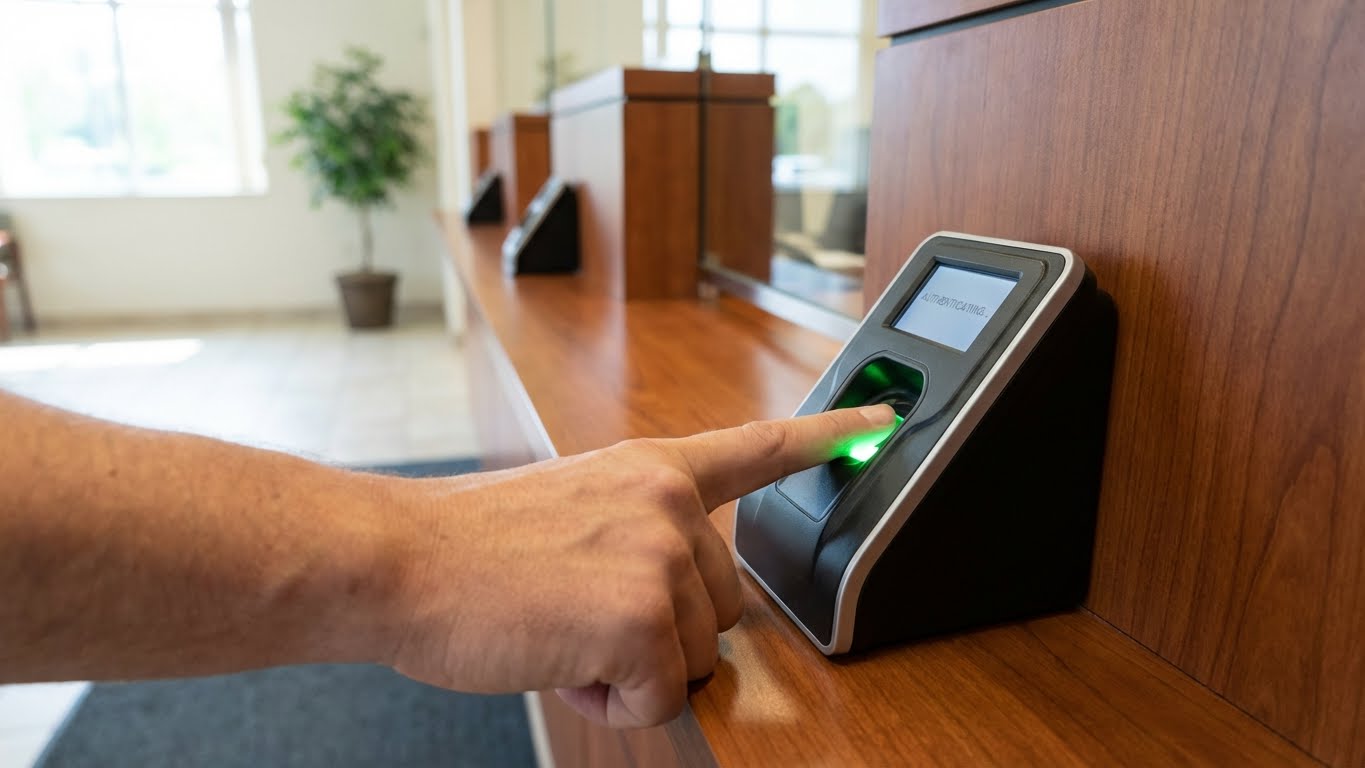
Performance standards define how well a fingerprint scanner captures and processes biometric data.
- Image resolution requirements specify minimum DPI levels to ensure fingerprints are detailed enough for accurate matching.
- False Acceptance Rate (FAR) measures how often unauthorized users are incorrectly accepted.
- False Rejection Rate (FRR) measures how often authorized users are incorrectly rejected.
- Liveness detection benchmarks help prevent spoofing by ensuring the fingerprint comes from a real, living person.
- Environmental durability standards define operating conditions such as temperature, humidity, and dust resistance.
Security and Data Protection Compliance
- Fingerprint scanners must protect biometric data throughout its lifecycle.
- Secure storage standards ensure fingerprint templates are stored safely and cannot be reconstructed into original images.
- Encryption requirements protect biometric data during transmission and storage.
- Template protection techniques reduce the risk of biometric data misuse or theft.
- Compliance with data protection regulations ensures fingerprint systems follow privacy and consent principles.
- Privacy-by-design approaches integrate security and privacy considerations into system architecture from the start.
Fingerprint Scanner Standards by Application Area
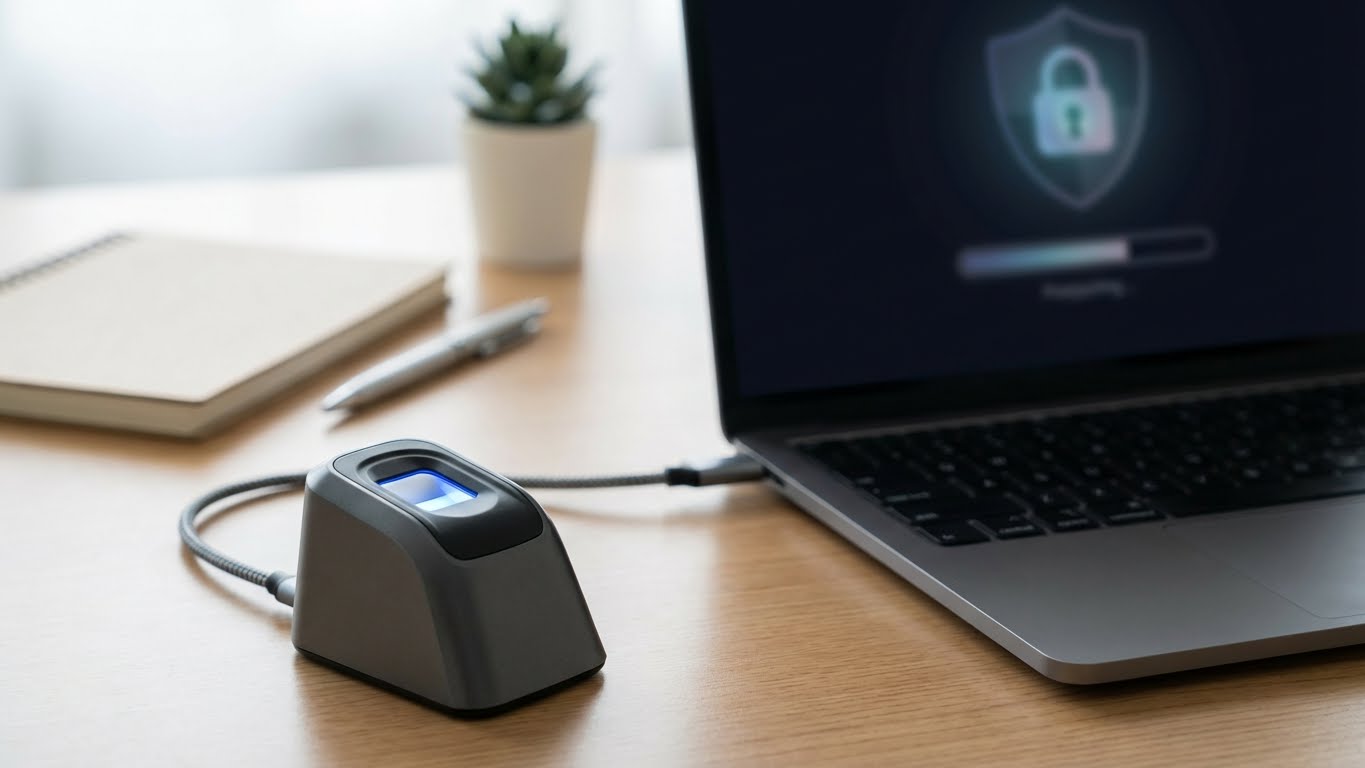
Government and National ID Programs
- Government programs require strict compliance with international and national biometric standards.
- Mandatory certifications ensure accuracy, interoperability, and long-term reliability.
- Standardized systems allow fingerprint data sharing across agencies.
Banking and Financial Services
- Banks use fingerprint scanners for customer authentication and KYC processes.
- Compliance standards help reduce fraud and identity theft risks.
- Certified devices ensure consistent performance across branches and digital services.
Enterprise Access Control
- Organizations use fingerprint scanners to manage employee access and attendance.
- Standards ensure reliable authentication and system integration.
- Certified devices help meet internal security and compliance policies.
Healthcare and Education
- Healthcare and education systems require secure and privacy-compliant identity verification.
- Standards help protect sensitive personal and institutional data.
- Certified scanners support accurate user identification while meeting regulatory requirements.
How to Choose a Certified Fingerprint Scanner
Choosing the right fingerprint scanner depends on the intended application and regulatory environment.
- Organizations should identify which standards and certifications are required for their industry or region.
- Certification claims should be verified through official documentation or testing authority listings.
- Cost, performance, durability, and compliance should be balanced based on operational needs.
- Vendors should be asked about certification scope, renewal status, and supported standards.
Common Misconceptions About Fingerprint Scanner Certifications
- Certification does not guarantee perfect accuracy in every real-world condition.
- Multiple certifications do not automatically mean better performance for all use cases.
- Lab-tested performance may differ from results in uncontrolled environments.
- Understanding certification scope helps set realistic expectations for deployment.
Conclusion
Fingerprint scanner standards and certifications are essential for ensuring accuracy, security, and trust in biometric systems. They provide clear benchmarks for performance, interoperability, and compliance across industries. By understanding these standards and choosing certified devices, organizations can deploy fingerprint scanners that meet regulatory requirements and deliver reliable identity verification. Staying informed about evolving standards is critical as biometric technologies continue to advance.