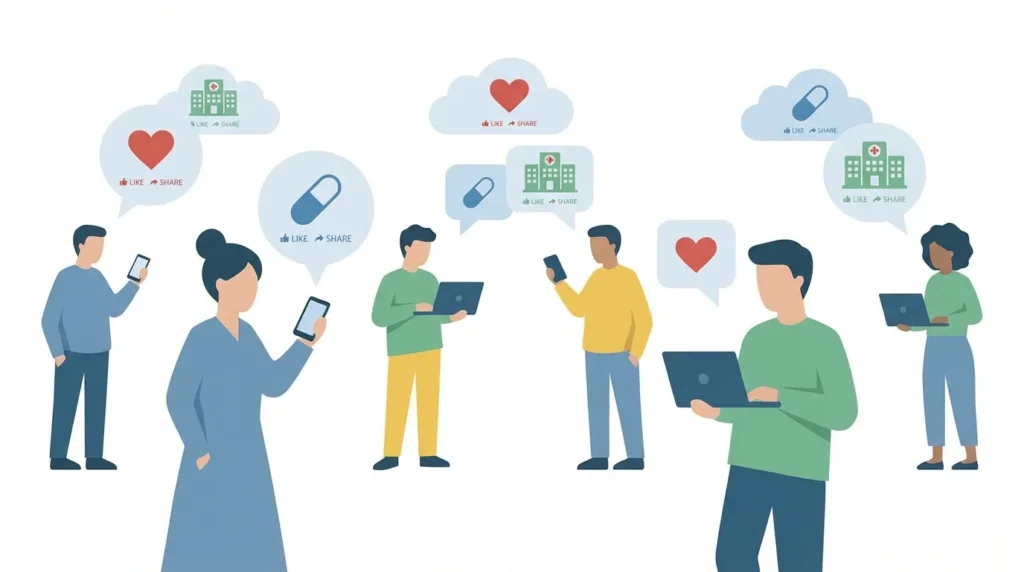
Remote identity verification (IDV) has become a pivotal element in today’s digital economy. As more businesses onboard customers and employees from a distance, the shift from traditional, in-person identity verification to remote processes is accelerating. This transformation is driven by the demand for seamless user experiences, global workforce trends, regulatory compliance requirements, and advances in technology. This blog explores where remote identity verification is headed in 2025 and beyond, highlighting key trends, innovations, and challenges.
Current State of Remote Identity Verification Technology
How Remote Identity Verification Works Today
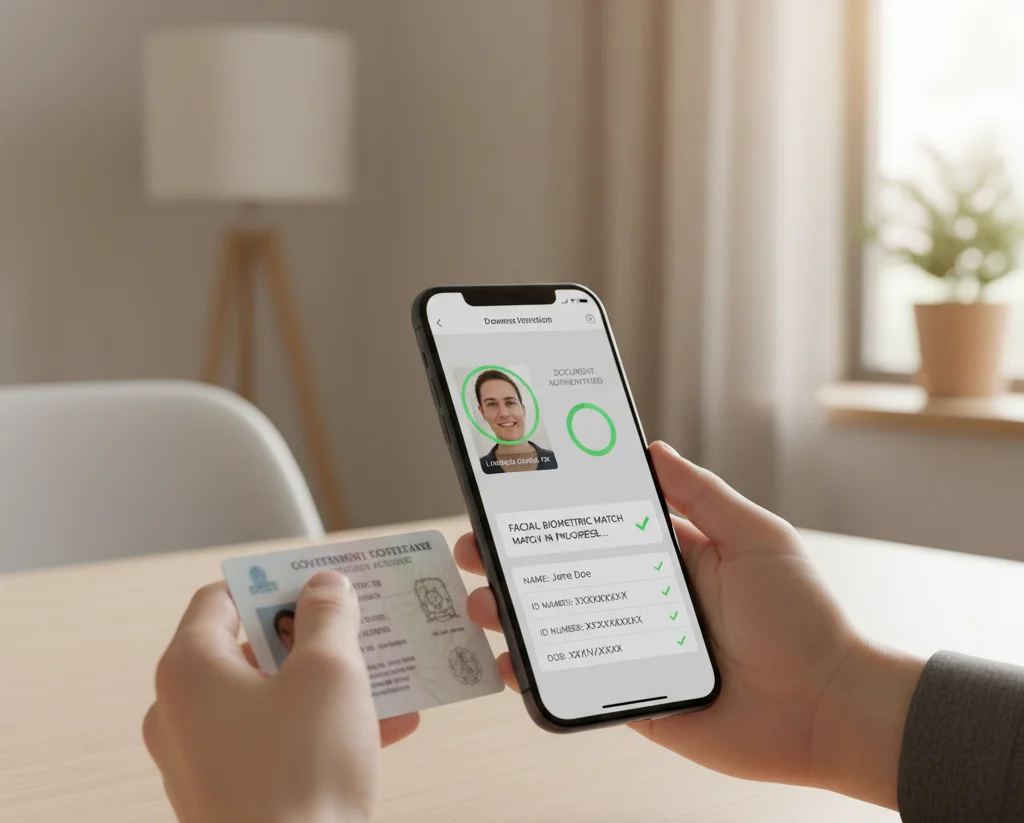
Remote IDV typically involves verifying government-issued IDs along with biometric checks, such as facial recognition and liveness detection, to ensure the individual is genuinely present. Modern systems use document authentication techniques—including machine-readable zones (MRZ), RFID chip reading, and hologram inspection—to validate authenticity. Liveness detection ensures verification against spoofing attacks like deepfakes or static images.
Core Technologies Powering Remote IDV
- Optical Character Recognition (OCR) for reading document data
- AI-powered facial recognition for biometric matching
- Machine learning algorithms for fraud detection
- Multi-factor authentication (MFA) integrating behavioral analytics
- Human-in-the-loop (HITL) systems for handling exceptions
Current Use Cases
Remote IDV is widely adopted for customer onboarding, Know Your Customer (KYC) compliance in banking, remote worker employment eligibility, government service access, healthcare portal security, and age verification for online services.
Emerging Trends in 2025

AI-Powered Deepfakes and Fraud Detection
With a marked rise in AI-generated deepfakes and synthetic identities, fraud detection is evolving rapidly. Verification systems now leverage real-time AI models and enhanced document authentication to combat sophisticated fraud techniques, maintaining the integrity of remote processes.
Advanced Biometric Technologies
Facial recognition remains the cornerstone of biometric verification, with increasing use of multimodal biometrics—combining fingerprint, iris scan, and voice recognition for stronger assurance. Liveness detection is becoming more passive and frictionless, improving user experience without compromising security.
Multi-Factor Verification (MFV)
Continuous, risk-based multifactor verification is replacing one-time checks. Behavioral analysis, contextual signals, and session monitoring enable adaptive verification flows, heightening security throughout digital interactions.
Decentralized Identity and Self-Sovereign Identity (SSI)
Blockchain technologies and decentralized ID frameworks empower users with control over their digital identities. Verifiable credentials stored in secure digital wallets enable seamless and privacy-preserving identity reuse across industries, reducing dependency on centralized databases.
Regulatory Framework Evolution
The upcoming release of standards like NIST SP 800-63-4 and frameworks such as Europe’s eIDAS 2.0 reinforce stringent remote proofing criteria, risk-based assessments, and fraud mitigation measures. Compliance is becoming a key factor driving technology adoption and innovation.
Passwordless and Privacy-First Authentication
Moving beyond passwords, privacy-first biometric authentication using federated learning and on-device processing is gaining traction, minimizing centralized data storage and enhancing data privacy.
Key Innovations Transforming the Landscape

AI Integration in Identity Verification
Artificial intelligence enables real-time decision-making, continuous learning, and behavioral biometrics, reducing processing time by over 80% in some implementations while improving accuracy and fraud detection.
Liveness Detection Evolution
Liveness checks now include advanced 3D face scanning, motion sensors, and environmental cues, effectively detecting spoofing attacks in video-based and mobile-first verification scenarios.
Document Authentication Advancements
Verification systems are increasingly adept at dynamic security feature detection, such as holograms and laser images, and can authenticate a global variety of documents with unprecedented accuracy.
Mobile-First Verification Solutions
Smartphone-based capture tools with native biometric support and real-time feedback optimize the user experience, streamlining remote identity proofing for mass adoption.
Also Read: Next Level of Banking Security with Biometric Facial Recognition
Challenges and Considerations
Scam Prevention Challenges
The rise of sophisticated fraud tools like deepfakes demands ongoing innovation in fraud detection techniques and adaptive security protocols.
False Rejection Rates
Balancing stringent security with user convenience is critical to minimize false rejections, especially accounting for variables like lighting or user demographics.
Privacy and Data Security Concerns
Protecting biometric data and complying with global privacy laws such as GDPR remain paramount, requiring encryption, secure data handling, and transparency.
Technical and Implementation Challenges
Device compatibility, network reliability, system integration, and the need for manual reviews in edge cases continue to pose hurdles.
Future Outlook and Predictions
Technology Integration Roadmap
Future systems will integrate AI, biometrics, and blockchain for hybrid, fast, and scalable remote verification, incorporating real-time cross-database validation and automated decision-making augmented with human oversight.
Industry-Specific Innovations
Sectors like finance, healthcare, border control, HR onboarding, and e-commerce will see tailored solutions that improve security and user experience.
Global Standardization Efforts
Efforts to align international identity frameworks aim at seamless cross-border credential acceptance, interoperable systems, and unified regulations to build trust in digital identities worldwide.
User Experience Enhancements
Verification processes will become frictionless, multi-lingual, and accessibility-friendly, with adaptive workflows personalized by risk level.
Best Practices for Implementing Remote IDV
Choosing the Right Technology Stack
Organizations should evaluate solutions based on scalability, compliance alignment, security features, and cost-effectiveness.
User Experience Optimization
Providing clear instructions, real-time feedback, and mobile-first design can significantly improve completion rates and customer satisfaction.
Security Hardening
Employ multi-layer verification, continuous threat monitoring, and regular security audits to stay ahead of fraud attempts.
Compliance and Governance
Continuous adherence to KYC/AML compliance, data privacy standards, audit documentation, and staff training is essential for sustainable IDV programs.
Conclusion
Remote identity verification is no longer a compliance requirement—it’s a strategic imperative for organizations in a digital-first world. With rising fraud threats and evolving regulations, adopting innovative technologies like AI-powered biometrics, decentralized identities, and privacy-first authentication is key. The future promises faster, safer, and user-friendly identity verification that supports business growth and builds trust in digital interactions. Organizations aiming to thrive must embrace these advancements to secure their operations and deliver superior user experiences.