Managing employee attendance is one of the most important yet challenging tasks for any business. As organizations grow, manual attendance registers, ID cards, or PIN-based systems often lead to errors, manipulation, and unnecessary administrative work. These traditional methods lack accuracy, transparency, and real-time visibility. A biometric attendance system offers a modern, secure, and reliable way to track employee attendance using unique biological traits, helping businesses improve efficiency, discipline, and overall workforce management.
What Is a Biometric Attendance System?
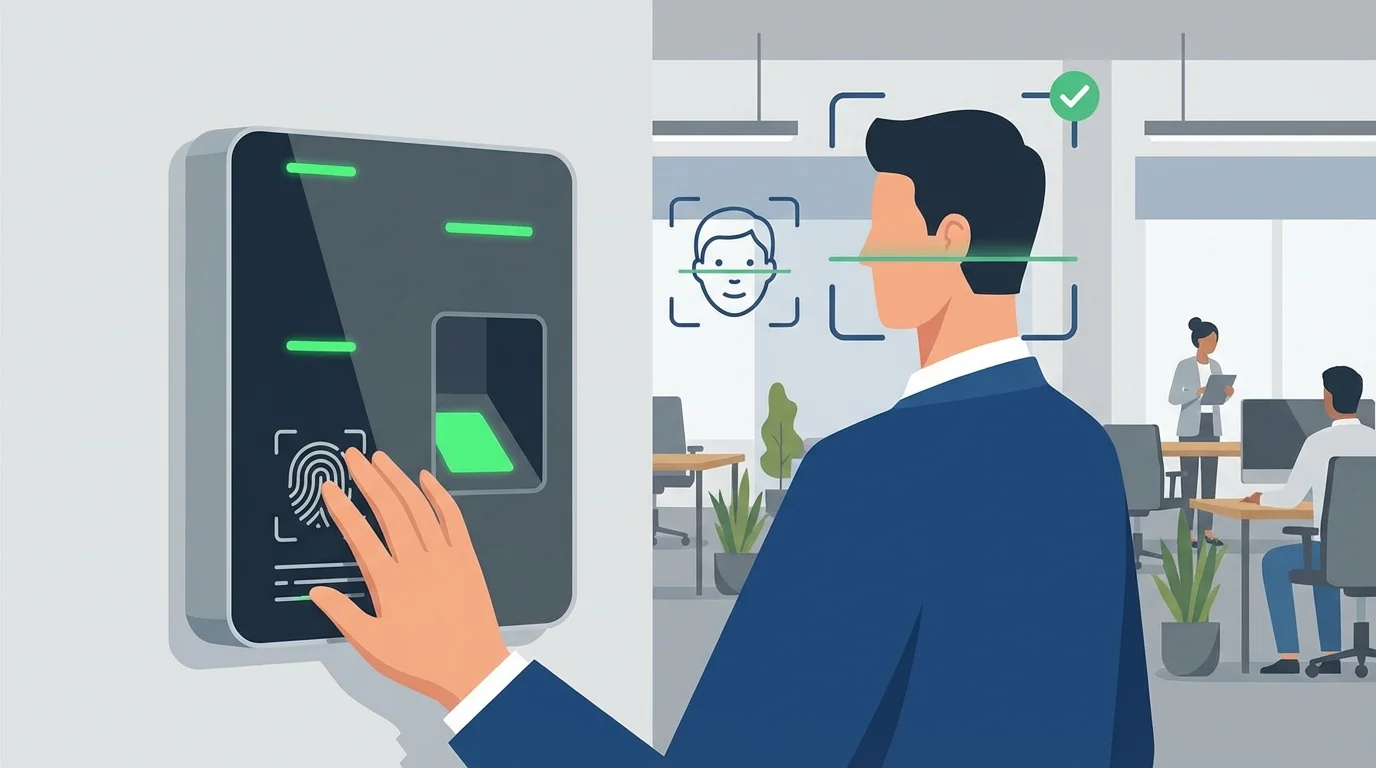
A biometric attendance system is a digital attendance solution that records employee working hours by identifying unique physical or behavioral characteristics such as fingerprints, facial features, or iris patterns. Since biometric data is unique to each individual, it ensures accurate identification and prevents misuse.
The system works by enrolling employees’ biometric data into a database and matching it during daily punch-in and punch-out. Unlike traditional systems, biometric attendance does not rely on cards, passwords, or manual entries, making it more secure and dependable for businesses of all sizes.
Types of Biometric Attendance Systems
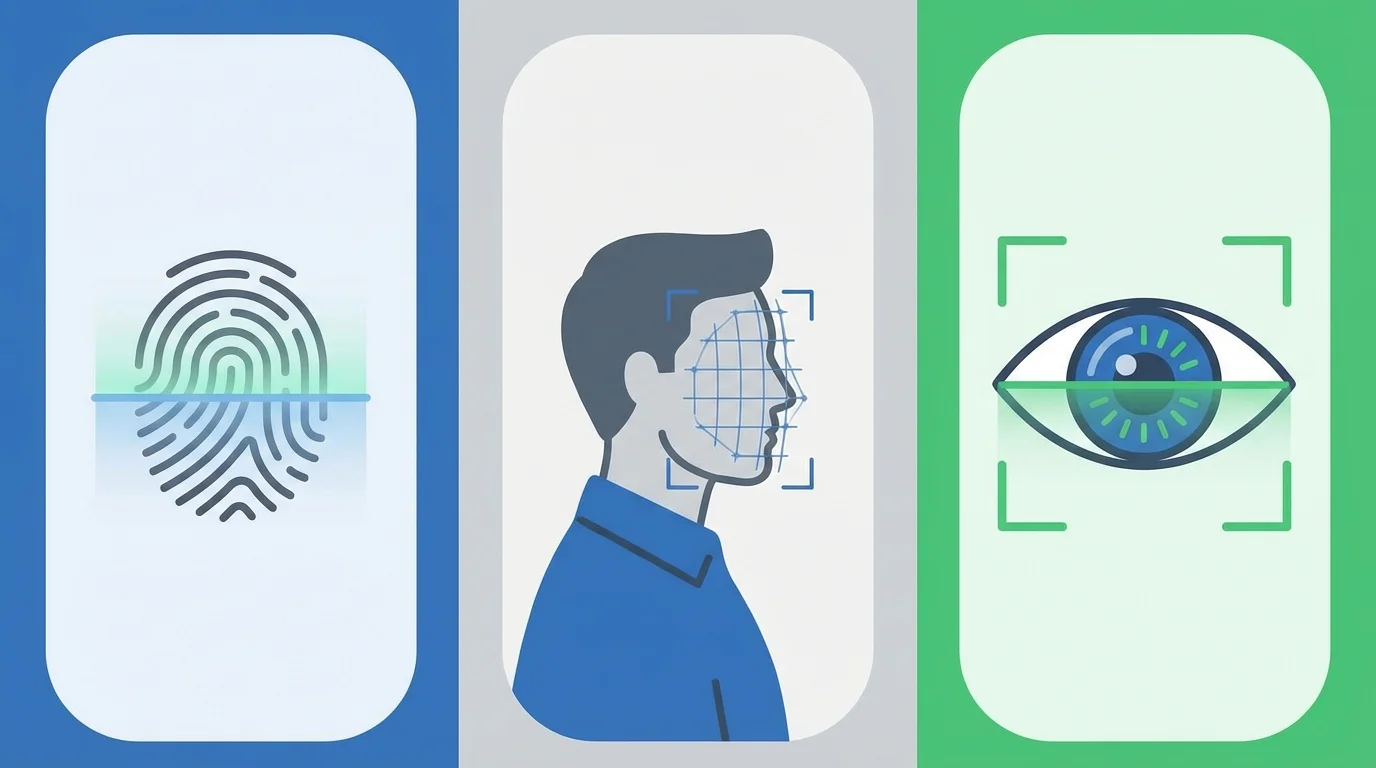
Fingerprint-Based Attendance
Fingerprint-based systems identify employees by scanning the ridges and patterns of their fingerprints. This is one of the most commonly used biometric technologies due to its simplicity and affordability.
- Widely used in offices, factories, and small businesses
- Easy to deploy and simple for employees to use
- Offers reliable accuracy for daily attendance tracking
Facial Recognition Attendance
Facial recognition systems use advanced algorithms to identify employees by analyzing facial features. These systems allow touchless attendance, which is especially useful in hygiene-sensitive environments.
- Enables contactless punch-in and punch-out
- Suitable for offices, hospitals, and public-facing workplaces
- Works well for fast-moving or high-traffic entry points
Iris and Retina Scan Systems
Iris and retina scan systems identify individuals by analyzing unique patterns in the eye. These systems are known for their high level of accuracy and security.
- Used in high-security environments
- Extremely difficult to duplicate or manipulate
- Suitable for organizations with strict access requirements
Multi-Modal Biometric Systems
Multi-modal systems combine two or more biometric methods, such as fingerprint and facial recognition, to improve accuracy and reliability.
- Reduces errors caused by single-mode limitations
- Offers higher security and flexibility
- Ideal for large organizations with diverse workforce needs
How a Biometric Attendance System Works
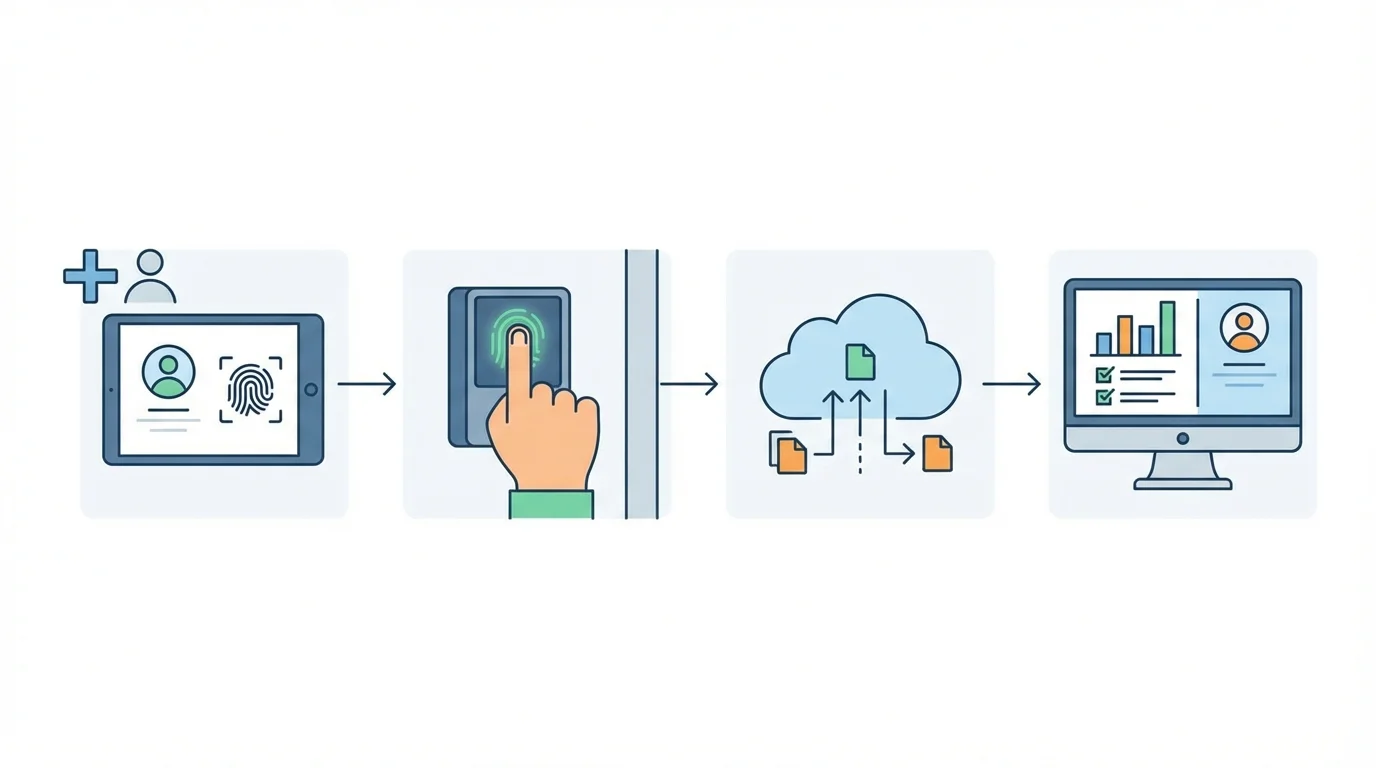
A biometric attendance system follows a structured process to record and manage attendance data accurately. The process starts with enrolling employees and continues with daily usage and data management.
- Employee biometric data is captured during enrollment
- Employees punch in and out using the biometric device
- The system matches live data with stored records
- Attendance data is stored digitally and synced with software
- Reports are generated for HR and payroll processing
Key Challenges in Traditional Attendance Systems
Traditional attendance methods often fail to meet the needs of modern businesses. These systems rely heavily on manual processes, which increases the chances of errors and misuse.
- Buddy punching and proxy attendance
- Manual calculation errors
- Time-consuming data entry and record maintenance
- No real-time attendance visibility
- Difficulty managing multiple locations or shifts
Major Benefits of a Biometric Attendance System for Businesses
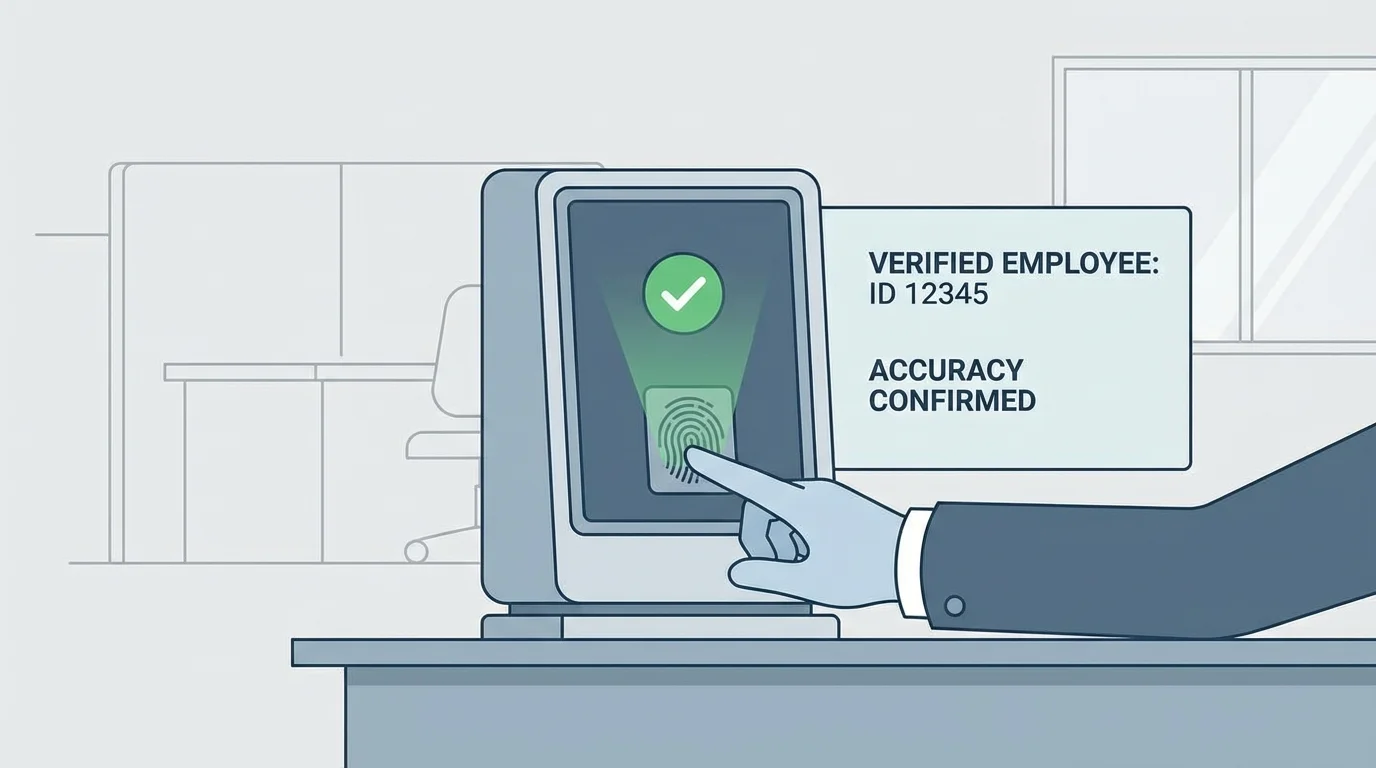
Eliminates Buddy Punching and Time Fraud
Biometric systems ensure that only the actual employee can mark attendance, as biometric traits cannot be shared or duplicated.
- Prevents proxy attendance
- Ensures fair tracking of work hours
- Reduces time theft
Improves Attendance Accuracy
Since attendance is recorded automatically, there is minimal scope for errors or manipulation.
- Accurate punch-in and punch-out records
- Reliable data for salary calculations
- Consistent attendance logs
Saves Time and Administrative Effort
Automating attendance reduces the workload of HR teams and supervisors.
- No manual registers or spreadsheets
- Faster report generation
- Reduced administrative dependency
Enhances Workplace Discipline
When employees know attendance is accurately tracked, punctuality and discipline naturally improve.
- Encourages timely reporting
- Creates transparency in attendance policies
- Reduces attendance-related conflicts
Seamless Payroll and HR Integration
Biometric systems can be integrated with HR and payroll software for smooth operations.
- Accurate overtime and leave calculations
- Fewer payroll disputes
- Faster salary processing
Real-Time Attendance Monitoring
Managers can view attendance data instantly, helping them make better decisions.
- Live attendance dashboards
- Quick identification of absenteeism
- Improved workforce planning
Supports Multi-Location and Remote Workforce
Modern biometric systems support centralized attendance tracking across locations.
- Centralized data access
- Better control over distributed teams
- Useful for organizations with branches or sites
Improves Security and Access Control
Biometric attendance systems can also function as access control solutions.
- Restricted entry to sensitive areas
- Enhanced workplace security
- Single system for attendance and access
Industry-Wise Use Cases of Biometric Attendance Systems
Biometric attendance systems are adaptable and suitable for various industries with different workforce requirements.
- Corporate offices for daily attendance tracking
- Manufacturing units for shift-based workers
- Educational institutions for staff attendance
- Hospitals and healthcare centers for controlled access
- Retail stores and warehouses for workforce management
- Construction and field teams for on-site attendance
Impact of Biometric Attendance on Business Productivity
Accurate attendance data directly affects productivity and operational efficiency. By removing inefficiencies, businesses can focus on growth and performance.
- Reduced absenteeism
- Improved accountability
- Better workforce utilization
- Data-driven management decisions
Data Security and Privacy Considerations
Since biometric data is sensitive, businesses must ensure proper security measures are in place. Modern biometric systems use secure storage and access controls to protect employee information.
- Encrypted storage of biometric data
- Restricted access to authorized personnel
- Clear data usage policies
- Compliance with applicable data protection laws
How to Choose the Right Biometric Attendance System for Your Business
Selecting the right system depends on business needs, workforce size, and operational complexity.
- Size and type of workforce
- Required biometric technology
- Compatibility with HR and payroll software
- Cloud-based or on-premise deployment
- Scalability for future growth
- Vendor support and maintenance services
Cost vs ROI: Is a Biometric Attendance System Worth It?
While biometric systems involve initial investment, the long-term benefits often outweigh the costs. Reduced time theft, accurate payroll, and lower administrative overhead contribute to strong returns.
- One-time hardware and setup cost
- Reduced payroll leakage
- Long-term administrative savings
- Improved operational efficiency
Implementation Best Practices
Proper implementation ensures smooth adoption and maximum benefits from the system.
- Train employees during onboarding
- Communicate clear attendance policies
- Perform regular system maintenance
- Monitor reports and optimize usage
Conclusion
A biometric attendance system is more than just an attendance tool; it is a foundation for accurate workforce management, improved discipline, and operational efficiency. By eliminating manual errors, preventing attendance fraud, and providing real-time insights, biometric systems help businesses save time, reduce costs, and build transparency. For organizations looking to modernize their attendance process and support long-term growth, adopting a biometric attendance system is a practical and future-ready decision.