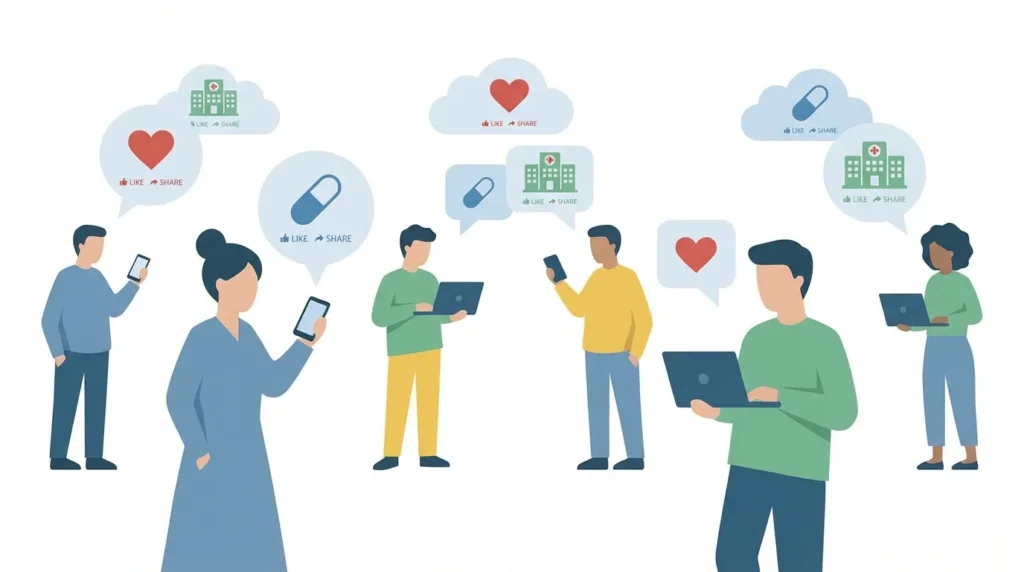
Financial inclusion means giving everyone fair access to banking and financial services. But even today, millions of people across the world remain unbanked. They do not have bank accounts, cannot apply for loans, and cannot receive government benefits directly in their accounts.
Why? Because traditional banking often requires ID documents, physical branch visits, and complex verification steps.
Biometrics is changing this. With tools like fingerprint scanning and facial recognition, banks can verify a person’s identity easily and securely — even if they don’t have formal documents. This is helping banks reach people who were previously left out.
What Is Financial Inclusion?
Financial inclusion ensures that every person can access basic financial services such as savings accounts, loans, insurance, and online payments.
Why Financial Inclusion Matters
- It supports economic growth.
- It reduces poverty.
- It helps people manage money safely.
- It enables access to government services and subsidies.
Key Barriers to Financial Inclusion
- Lack of ID documents
- Long distance from bank branches
- Low awareness and digital literacy
- Fear of fraud and security issues
- High onboarding costs for banks
These challenges keep millions outside the formal financial system.
What Are Biometrics in Banking?

Biometrics refers to the use of unique human characteristics for identification. Instead of using passwords or paper IDs, banks can verify people through their biological traits.
Common Types of Biometrics
- Fingerprint scanning
- Facial recognition
- Iris scanning
- Voice recognition
- Behavioral biometrics (typing pattern, phone movement)
How Biometrics Work
A biometric system captures a person’s unique trait (like a fingerprint). It converts that into a digital format and compares it with stored data. If it matches, identity is verified instantly.
Why Traditional Banking Verification Fails the Unbanked

Traditional verification methods rely heavily on documents and physical processes. For many people, this is not possible.
Common Problems with Traditional KYC
- Many people, especially in rural or low-income areas, do not have government IDs.
- Manual verification is slow and expensive.
- Identity fraud is common.
- Elderly or low-literacy users struggle with paperwork.
- People must travel long distances to reach bank branches.
These barriers stop millions from opening a bank account.
How Biometrics Help Improve Financial Inclusion
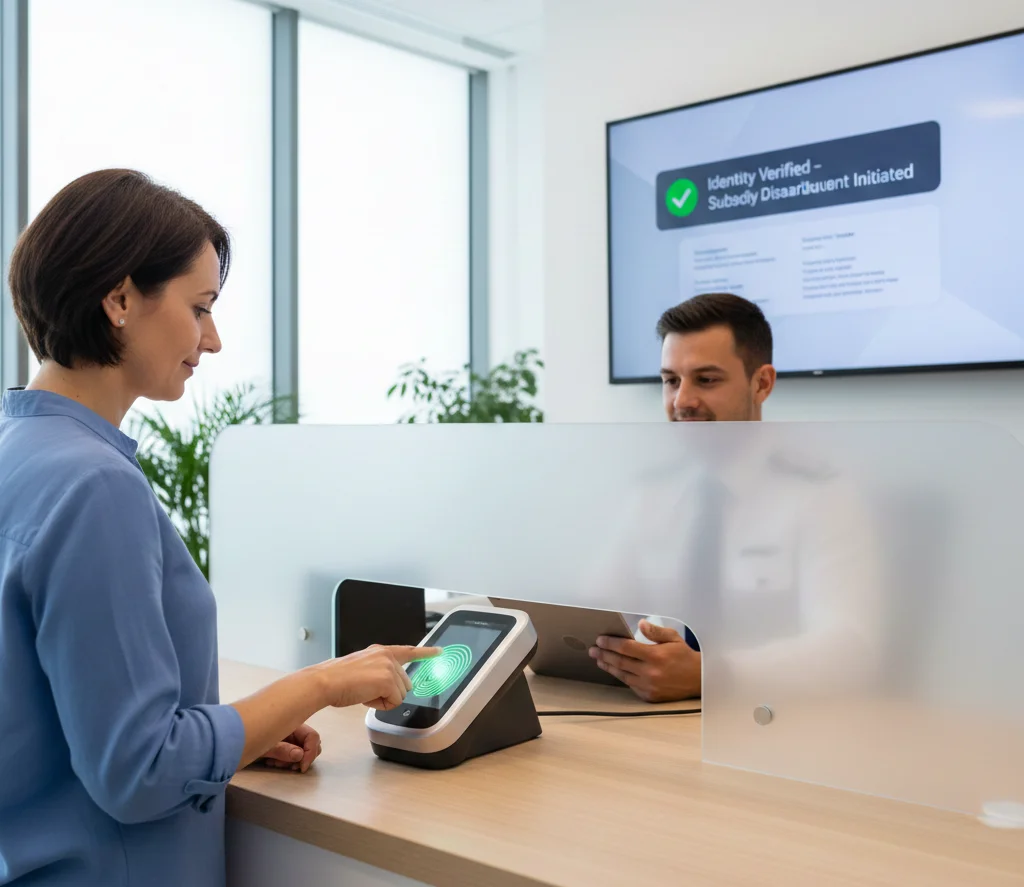
1. Enables Banking Access Without Paper IDs
Biometric identity can serve as a primary verification method. Even if someone has no documents, their fingerprint or face can confirm who they are.
2. Speeds Up Customer Onboarding (Faster eKYC)
Biometric eKYC can verify identity within minutes. This reduces onboarding time dramatically and encourages more people to join the banking system.
3. Reduces Fraud and Identity Theft
Biometrics cannot be easily copied or shared. This lowers fraud risks and increases trust in digital and branchless banking.
4. Expands Banking Reach to Remote Areas
Mobile banking agents equipped with biometric devices can verify identities right at a customer’s doorstep. This eliminates the need for a physical bank branch.
5. Improves Accessibility for Elderly and Low-Literacy Users
No need to remember passwords or PINs. Biometrics provide a simple, user-friendly authentication method.
6. Supports Government Subsidy Distribution & Social Welfare
Biometric authentication ensures benefits reach the correct individuals. It reduces duplication, fraud, and leakage of funds.
7. Boosts Trust in Digital Banking
When people feel safe using digital tools, they are more likely to adopt banking apps, mobile wallets, and online payments.
Real-World Applications of Biometrics in Financial Inclusion
Banking Sector
- Opening new bank accounts
- Biometric ATMs
- Loan applications and approvals
Fintech & Mobile Wallets
- Secure login and payments
- Instant digital onboarding
- Risk-free remote verification
Microfinance Institutions
- Biometric verification before loan disbursement
- Safe repayment authentication
Government & Public Sector
- Aadhaar-based authentication (India)
- Biometric welfare distribution
- National digital ID programs empowering banking access
Benefits of Biometrics for Banks and Customers
Benefits for Banks
- Lower operational and onboarding costs
- Strong fraud prevention
- Faster customer onboarding
- Better compliance with KYC/AML regulations
Benefits for Customers
- Easy, password-free banking
- Higher security and trust
- Access to services they could not use before
- Faster subsidy deposit and transaction processing
Challenges and Risks of Using Biometrics

1. Privacy Concerns
Biometric data is sensitive. Strong data protection laws and secure systems are essential.
2. Cybersecurity Threats
Hackers may target databases. Banks must use encryption and secure storage.
3. Accuracy Issues for Certain Populations
- Laborers may have worn-out fingerprints.
- Poor lighting can affect facial recognition.
4. Infrastructure Limitations
Some remote areas lack internet or reliable power. Banks must use solutions that work offline or in low connectivity.
Best Practices for Implementing Biometrics in Financial Inclusion
- Use multiple biometric methods for higher accuracy.
- Follow strict data privacy rules (GDPR, local laws).
- Adopt secure cloud-based biometric systems.
- Ensure devices work in offline or low-network conditions.
- Educate customers about biometrics and security practices.
- Collaborate with fintech and government identity platforms.
Conclusion
Biometrics solve one of the biggest challenges in financial inclusion — identity verification. By removing barriers like paperwork, passwords, and long verification times, biometrics help millions join the formal financial system.
They make banking safer, faster, and more accessible. As technology evolves, biometrics will play an even bigger role in building a financially inclusive world where no one is left behind.