Warehouse security is one of the most critical aspects of maintaining a successful and efficient supply chain in 2025. In today’s rapidly evolving business environment, warehouses are more than just storage spaces—they are high-activity hubs containing valuable inventory, sensitive data, and personnel. Ensuring robust warehouse security means protecting assets, safeguarding employees, and enabling smooth business operations. This blog explores essential tips to boost warehouse security through physical, technological, and procedural measures, helping you build a secure and efficient warehouse for the future.
Why Warehouse Security is Critical
Warehouse security is a multidisciplinary concern that impacts various facets of a business, influencing inventory protection, employee safety, operational efficiency, and overall business continuity.
Protection of Valuable Inventory
The inventory stored in warehouses represents a significant investment and directly impacts a company’s ability to meet customer demand. Theft, whether internal or external, can lead to substantial financial losses and disrupt supply chains, highlighting the importance of secure facilities.
Employee Safety and Work Environment
A secure warehouse is also a safe warehouse. Implementing security measures reduces the risk of accidents, unauthorized access, and potential violence, ensuring employees work in a protected environment.
Operational Efficiency
Security measures support operational efficiency by minimizing disruptions such as theft-related investigations or downtime caused by security breaches. They help ensure that warehouse processes remain smooth and uninterrupted.
Business Continuity and Bottom Line
Effective security protects the bottom line by preventing losses, reducing insurance costs, and supporting ongoing business operations. The long-term success of a business depends heavily on the reliability and security of its warehouse activities.
Physical Security Measures for Warehouse Protection
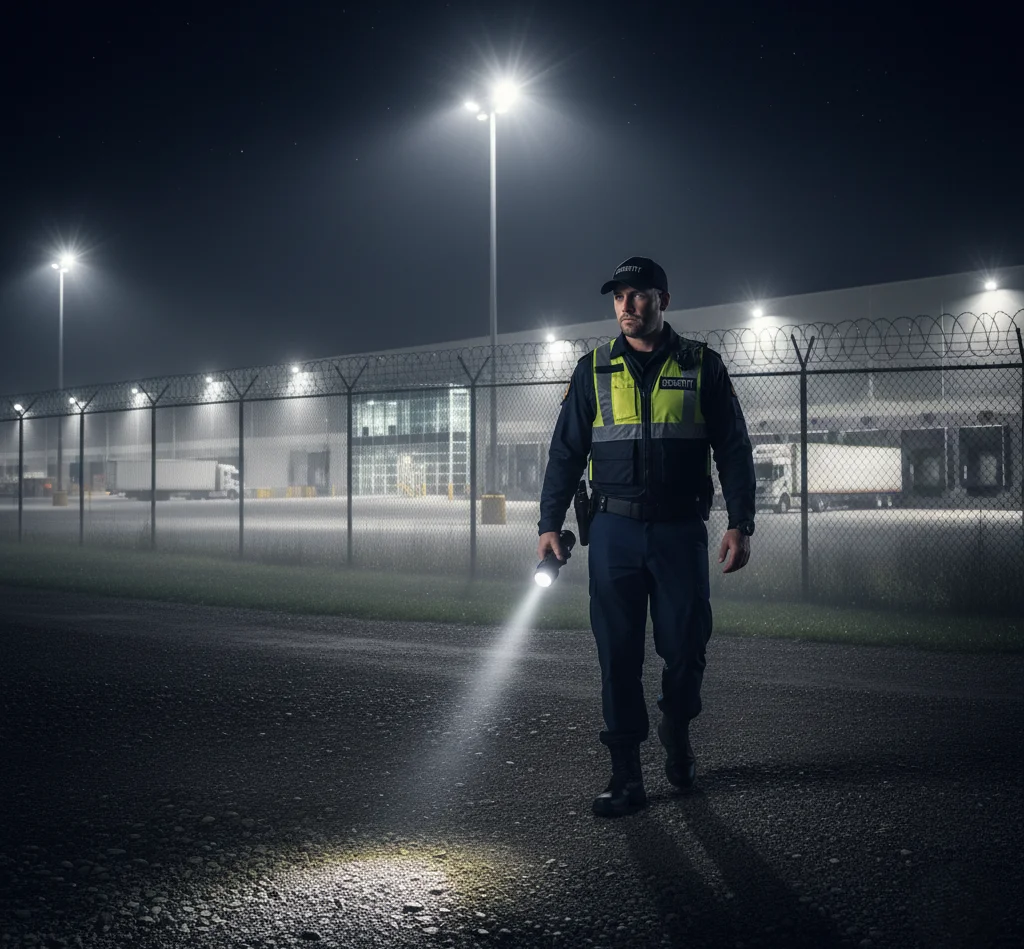
Physical security is the foundation of warehouse protection, involving barriers, access controls, monitoring, and on-site security personnel.
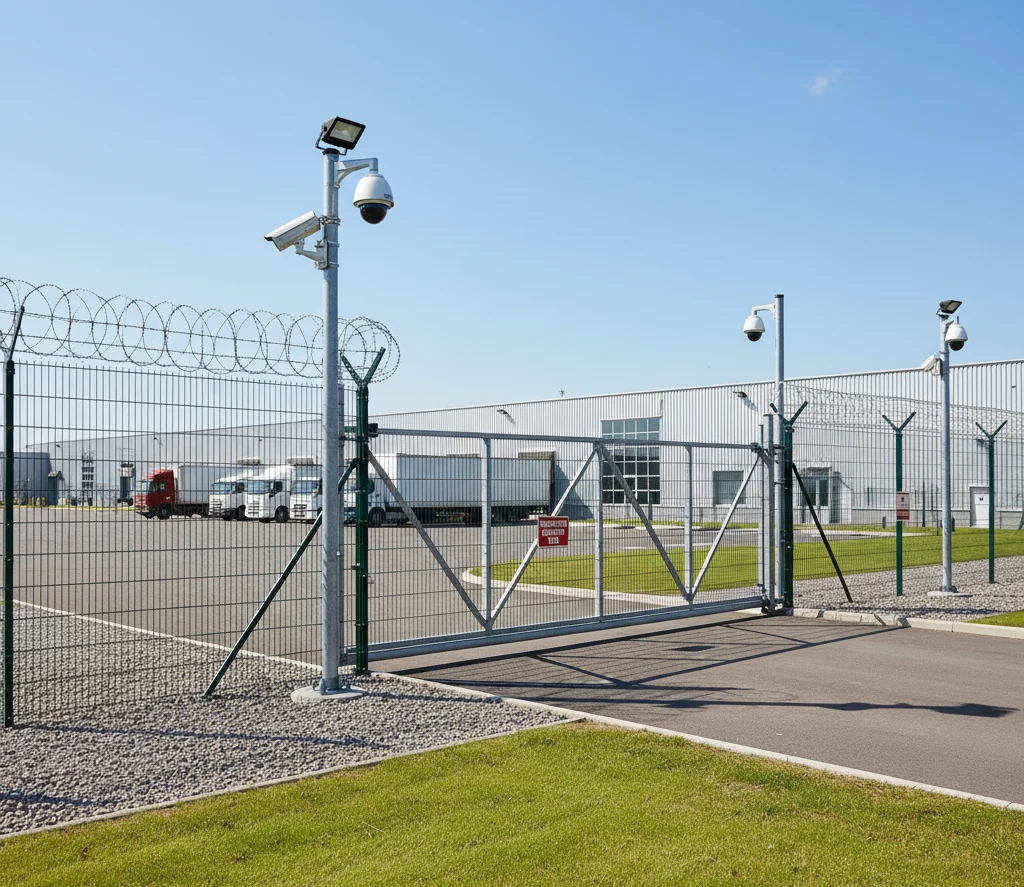
Securing the Warehouse Perimeter
A secure perimeter deters unauthorized physical access before intruders reach the warehouse. Common perimeter security measures include:
- Sturdy fencing and gates combined with locks or electronic controls
- Use of barriers to prevent vehicle access where inappropriate
- Signs denoting a secured area to discourage trespassing
Effective Access Control Systems
Controlling who enters and exits the warehouse ensures that only authorized personnel gain access. Modern access control involves:
- Biometric solutions such as fingerprint or facial recognition for precise identification
- Role-based access control limiting entry according to job function
- Integration of access systems with warehouse workflow systems for real-time tracking
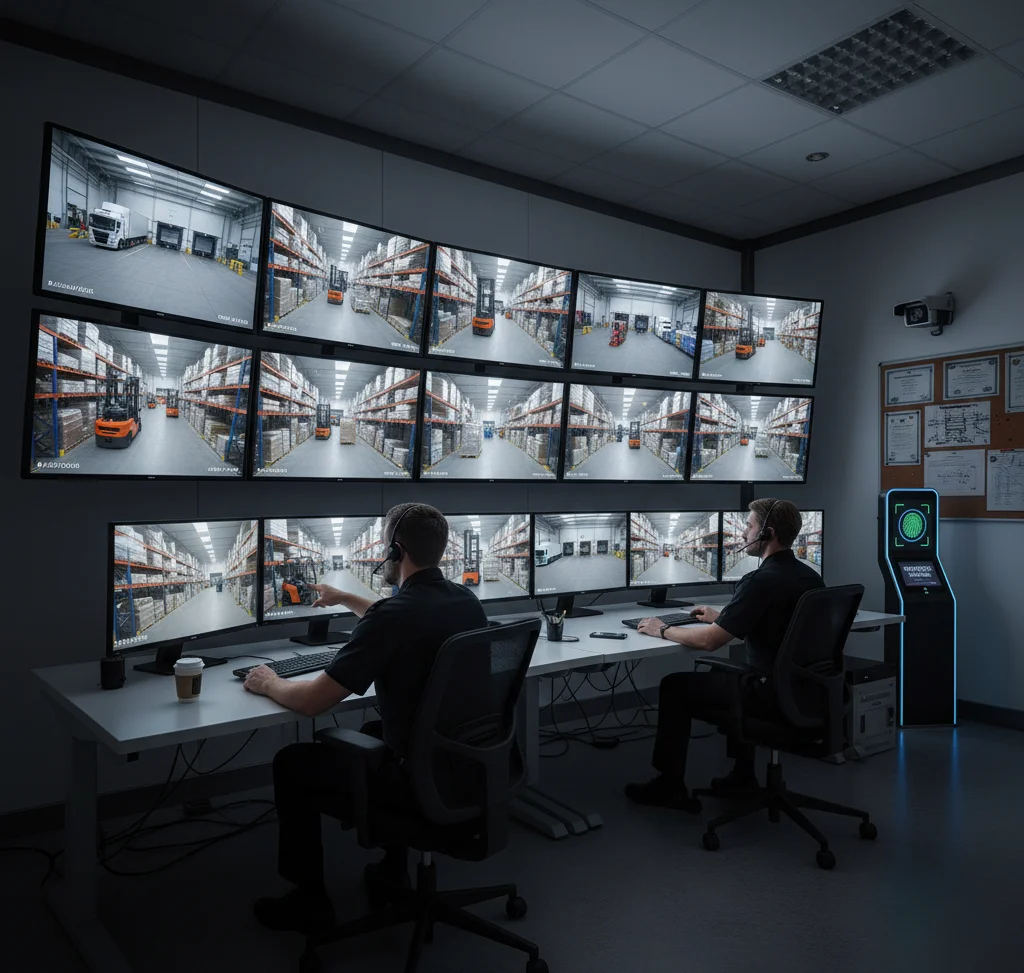
Comprehensive Surveillance Systems
Surveillance is critical for active monitoring and documenting security incidents. Important features include:
- Strategically placed CCTV cameras covering entrances, exits, loading docks, and storage areas
- Use of advanced technologies like motion detection and AI-powered anomaly detection
- Real-time monitoring to enable immediate response to threats
Alarm and Intrusion Detection Systems
These systems alert personnel of breaches or emergencies promptly:
- Intrusion alarms notify security teams during unauthorized access attempts
- Integration with fire safety alarms to address another critical risk category
- Continuous monitoring linking alarms to security centers or local authorities
Security Personnel and On-Site Presence
Trained security staff provide a human layer capable of identifying and responding to incidents as they occur:
- Patrols can detect vulnerabilities not always obvious through technology alone
- Staff respond in real time to alarms and suspicious activities
- Their presence itself acts as a strong deterrent
Proper Lighting and Visibility
Adequate lighting improves visibility and discourages intruders:
- Bright outdoor lighting around perimeter and parking areas
- Interior lighting to remove dark spots reducing hiding places
- Use of motion-activated lights to save energy while improving security
Technological and Digital Security Solutions
In addition to physical security, protecting digital assets and operations is essential.
Cybersecurity Infrastructure
Warehouse operations depend increasingly on digital systems vulnerable to cyberattacks:
- Secure IT networks and servers to prevent unauthorized access
- Deployment of firewalls, anti-malware, and intrusion detection software
- Training employees on cybersecurity best practices
Advanced Inventory Tracking Systems
Accurate inventory management helps detect discrepancies, theft, or operational failure:
- Real-time RFID and barcode scanning technologies for tracking
- Integration with enterprise resource planning (ERP) systems for centralized data
- Automated alerts for inventory anomalies
Integration of Physical and Digital Security
A unified security strategy integrates:
- Physical security cameras and access control systems linked to digital monitoring dashboards
- Centralized alerts that combine physical breaches with digital anomalies
- Streamlined management enabling fast, coordinated response
Internal Protocols and Operational Security
Internal policies are vital to supporting physical and technological security.
Robust Internal Security Measures
Internal protocols ensure controlled access and proper conduct:
- Defined access rights and visitor policies
- Employee background checks and training on security procedures
- Strict asset handling and documentation requirements
Loading Dock and Goods Handling Security
Security at goods entry and exit points reduces risks of theft or misplacement:
- Verification of shipments with logs and electronic checks
- Supervision of loading/unloading activities
- Clear documentation maintained for audit trail
Regular Security Audits and Reviews
Continuous improvement is necessary through:
- Periodic assessments identifying current security gaps
- Testing alarms, cameras, and other systems regularly
- Updating procedures and technology as threats evolve
Implementing a Comprehensive Warehouse Security Strategy
Step-by-Step Implementation
Start with detailed evaluation:
- Assess existing vulnerabilities and risk factors
- Prioritize security investments according to risk impact
- Use phased rollouts to implement improvements efficiently
Integrating Physical, Technological, and Procedural Measures
Develop a holistic approach:
- Coordinate across physical infrastructure, IT, and human resources
- Ensure all security components communicate and reinforce each other
- Promote cross-department collaboration for maximum effectiveness
Training and Employee Awareness
Engage employees actively in security by:
- Conducting regular training on protocols and new technologies
- Encouraging reporting of suspicious activities
- Building a culture that values security as everyone’s responsibility
Common Warehouse Security Risks and Prevention
Theft and Unauthorized Access
Most warehouses face external and internal theft risks:
- Use layered defenses such as access control plus surveillance
- Implement audit trails and inventory reconciliation
Operational Disruptions
Security breaches can halt operations unexpectedly:
- Mitigate risks with contingency and business continuity plans
- Maintain emergency response teams and protocols
Data Breaches and Cyber Threats
Digital security complements physical safety:
- Protect sensitive data with encryption and access controls
- Keep software updated and perform regular security testing
Warehouse Security Tools and Technologies to Consider
Biometric Access Control Solutions
Biometrics offer precise authentication:
- Fingerprint scanners and facial recognition reduce risks of lost or shared credentials
- These systems often integrate with attendance and workforce management
Advanced Surveillance Technology
New trends include:
- AI monitoring to detect suspicious behaviors
- Cloud storage for scalable and secure video recording
Inventory Management Software
Software solutions improve accuracy and insights:
- Real-time visibility strengthens loss prevention
- Analytics assist in identifying patterns or issues
FAQs
1. What is the most important aspect of warehouse security?
A comprehensive system integrating physical, digital, and procedural measures is vital for effective security.
2. How much should businesses budget for warehouse security?
Budgets vary by size and risk level; prioritizing key vulnerabilities ensures effective use of funds.
3. Can small warehouses implement comprehensive security?
Yes, scalable solutions exist that fit different sizes and budgets without compromising security.
4. How often should security systems be updated?
Regular reviews and updates should occur annually or whenever new risks emerge.
5. What is the role of employees in warehouse security?
Employees are frontline defenders who must follow protocols and report suspicious activities.
6. How do access control systems improve efficiency?
They streamline entry logs and prevent unauthorized delays, integrating smoothly with workflows.
Conclusion
Boosting warehouse security in 2025 requires a strategic, integrated approach combining robust physical barriers, cutting-edge technology, and well-defined internal procedures. Protecting valuable inventory, ensuring employee safety, and maintaining uninterrupted operations depend on effective security measures. By following these essential tips and continuously reviewing your security strategy, you can safeguard your warehouse against evolving threats, support business continuity, and promote long-term success.