Identity and Access Management (IAM) plays a critical role in protecting digital systems, data, and physical resources. As organizations rely more on digital platforms, the risk of unauthorized access, data breaches, and identity theft continues to increase. Traditional authentication methods like passwords and access cards are no longer sufficient to handle modern security threats.
Biometrics offers a more secure and reliable way to verify identities by using unique physical or behavioral traits. When integrated into IAM systems, biometrics can significantly improve security, reduce access risks, and enhance user experience across both digital and physical environments.
What Is Identity and Access Management (IAM)?

Identity and Access Management is a framework of policies, technologies, and processes used to ensure that the right individuals have the appropriate access to systems, applications, and data.
IAM focuses on managing digital identities and controlling access throughout a user’s lifecycle, from onboarding to role changes and exit.
- Defines and manages user identities
- Controls access based on roles and permissions
- Ensures users access only what they are authorized to
- Helps organizations maintain security and compliance
Common Challenges in Traditional IAM Systems

Traditional IAM systems often rely on passwords, PINs, or access cards. While these methods are widely used, they introduce several security and operational challenges.
These challenges grow as organizations scale and manage more users, devices, and applications.
- Weak or reused passwords increase security risks
- Passwords are vulnerable to phishing and credential theft
- Users struggle with remembering multiple login credentials
- High volume of password reset requests increases IT workload
- Access cards and tokens can be lost, stolen, or shared
What Are Biometrics?
Biometrics refers to the use of unique physical or behavioral characteristics to verify an individual’s identity. These characteristics are difficult to duplicate, making biometric authentication more secure than traditional methods.
Instead of relying on something a user knows or carries, biometrics verifies who the user actually is.
- Uses unique human traits for authentication
- Reduces reliance on passwords and physical credentials
- Offers higher accuracy in identity verification
- Enables fast and user-friendly authenticatio
Types of Biometric Authentication Used in IAM
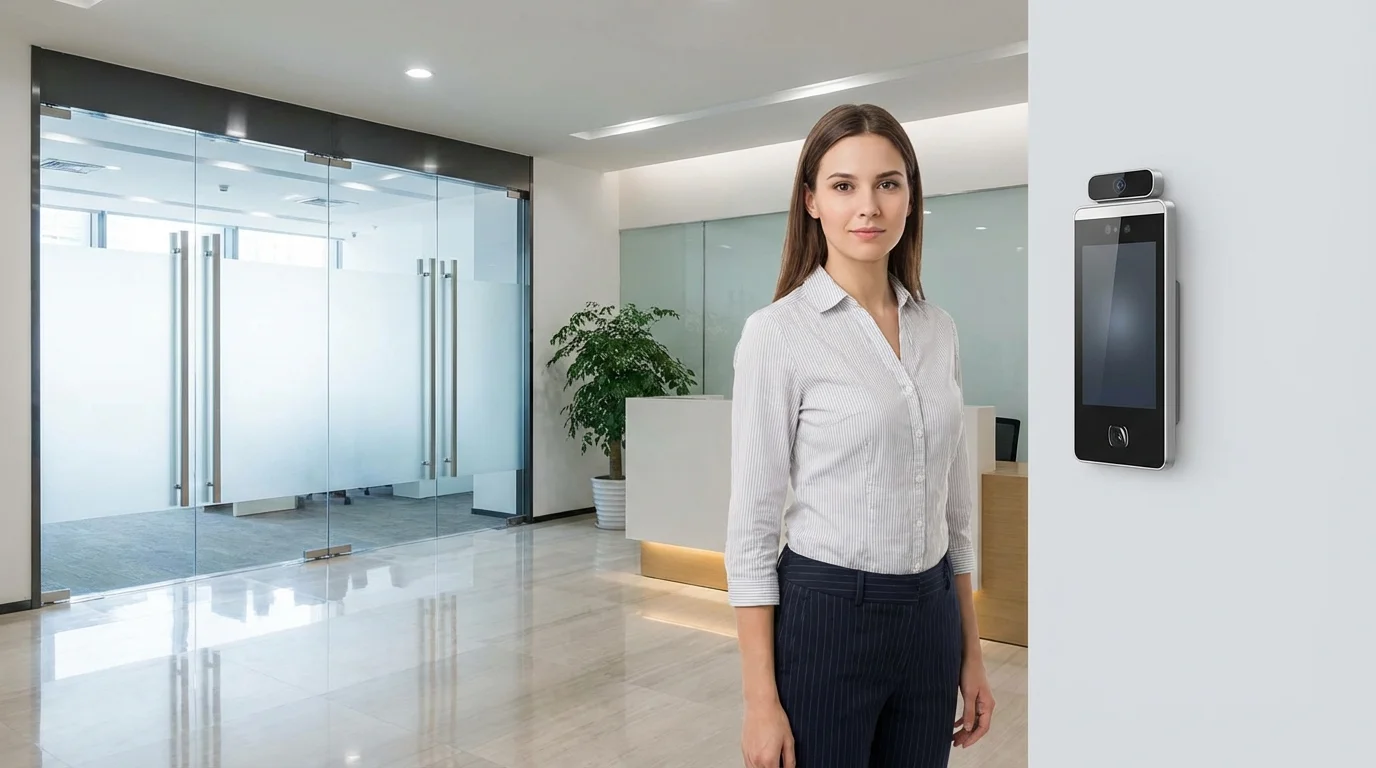
Different biometric technologies are used within IAM systems depending on security needs, environment, and user convenience.
Each type offers its own balance of accuracy, usability, and deployment complexity.
- Fingerprint recognition: Uses fingerprint patterns for identity verification
- Facial recognition: Analyzes facial features to authenticate users
- Iris and retina scanning: Identifies users based on eye patterns
- Voice recognition: Uses voice characteristics for authentication
- Behavioral biometrics: Tracks behavior such as typing rhythm or movement patterns
How Biometrics Improve Identity and Access Management
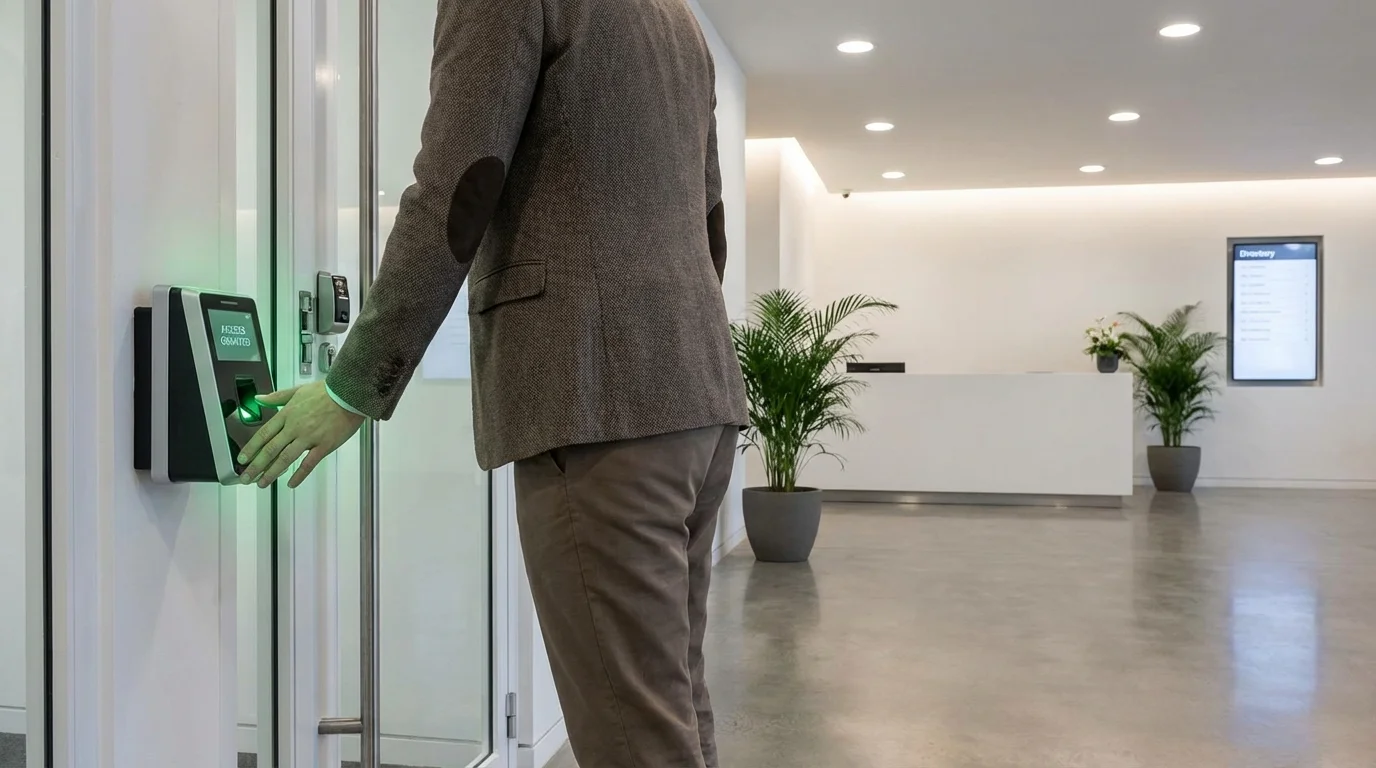
Biometrics strengthens IAM by improving identity verification accuracy and reducing the weaknesses of traditional authentication methods.
By tying access directly to an individual’s unique traits, biometric IAM systems minimize unauthorized access and credential misuse.
- Verifies identity with higher confidence
- Prevents access using stolen or shared credentials
- Enables faster login and authentication processes
- Reduces dependency on passwords
- Improves overall access accuracy and reliability
Key Benefits of Using Biometrics in IAM
Integrating biometrics into IAM provides both security and operational benefits for organizations and users.
These benefits apply across industries, including enterprises, healthcare, finance, and public services.
- Stronger protection against identity fraud
- Improved user experience with faster authentication
- Reduced password reset and IT support costs
- Better compliance with security and access policies
- Easy scalability across systems and devices
Biometrics and Multi-Factor Authentication (MFA)

Biometrics is commonly used as a factor within Multi-Factor Authentication systems. MFA requires users to verify their identity using more than one method.
Biometrics enhances MFA by adding a strong identity-based factor.
- Acts as a secure “something you are” factor
- Can be combined with PINs, passwords, or access cards
- Reduces risk even if one factor is compromised
- Improves security without increasing user effort
Use Cases of Biometrics in Identity and Access Management
Biometric IAM solutions are used in both digital and physical access scenarios, improving security and efficiency.
These use cases demonstrate how biometrics supports identity verification across different environments.
- Employee access to enterprise systems
- Customer login for digital platforms and services
- Secure entry to physical buildings and restricted areas
- Access control in healthcare and financial institutions
- Identity verification in government and public systems
Security and Privacy Considerations of Biometric IAM
While biometrics improves security, it also requires careful handling of sensitive data. Organizations must protect biometric information and respect user privacy.
Proper system design and data protection practices are essential for safe implementation.
- Biometric data is stored in encrypted formats
- Templates are used instead of raw biometric images
- Access to biometric data is strictly controlled
- User consent and transparency are critical
- Compliance with data protection regulations is necessary
Challenges of Implementing Biometrics in IAM
Despite its advantages, biometric IAM adoption can present technical and operational challenges.
Organizations must evaluate these challenges before implementation.
- Initial investment in hardware and software
- False acceptance or rejection risks in some environments
- User concerns about privacy and data usage
- Integration complexity with existing IAM systems
Best Practices for Implementing Biometrics in IAM
Following best practices ensures biometric IAM systems are secure, reliable, and trusted by users.
A balanced approach improves both security and usability.
- Select biometric methods suitable for the environment
- Use biometrics as part of layered security, not alone
- Apply strong data encryption and access controls
- Regularly test and update biometric systems
- Educate users about biometric security and privacy
Conclusion
Biometrics has become a powerful tool for improving Identity and Access Management by addressing the limitations of traditional authentication methods. By using unique human traits for verification, biometric IAM systems enhance security, reduce unauthorized access, and simplify the user experience.
As digital access requirements continue to grow, biometrics helps organizations strike a balance between strong security, operational efficiency, and user convenience. When implemented responsibly, biometric-based IAM provides a reliable foundation for modern identity and access control systems.