Physical security is the foundation of protecting people, property, and physical assets from harm. While digital threats often get more attention today, physical risks such as theft, unauthorized access, vandalism, and safety incidents still exist in every environment. From homes and offices to factories and public spaces, physical security helps ensure that people feel safe and assets remain protected.
For beginners, physical security may sound complex, but it is built on simple and practical ideas. This guide explains physical security step by step, using clear language and real-world logic, so anyone can understand how it works and why it matters.
What Is Physical Security?
Physical security refers to the methods, systems, and practices used to protect physical spaces, people, and tangible assets from threats. These threats may include unauthorized entry, damage, theft, or harm to individuals.
Physical security focuses on controlling who can access a place, monitoring activities within that space, and reducing the chances of incidents that could cause loss or danger.
- Physical security deals with real-world spaces and objects.
- It focuses on prevention, detection, and response.
- It applies to homes, businesses, institutions, and public areas.
Why Physical Security Matters
Physical security plays a vital role in everyday safety and operations. Without proper physical protection, even the best digital systems or business plans can fail.
- It protects people by reducing the risk of injury or violence.
- It safeguards valuable assets such as equipment, inventory, and documents.
- It helps prevent business disruptions caused by theft or damage.
- It supports legal and regulatory responsibilities related to workplace safety.
- It builds trust among employees, customers, and visitors.
When physical security is weak, risks increase and recovery from incidents becomes more difficult.
Core Components of Physical Security
1. Access Control
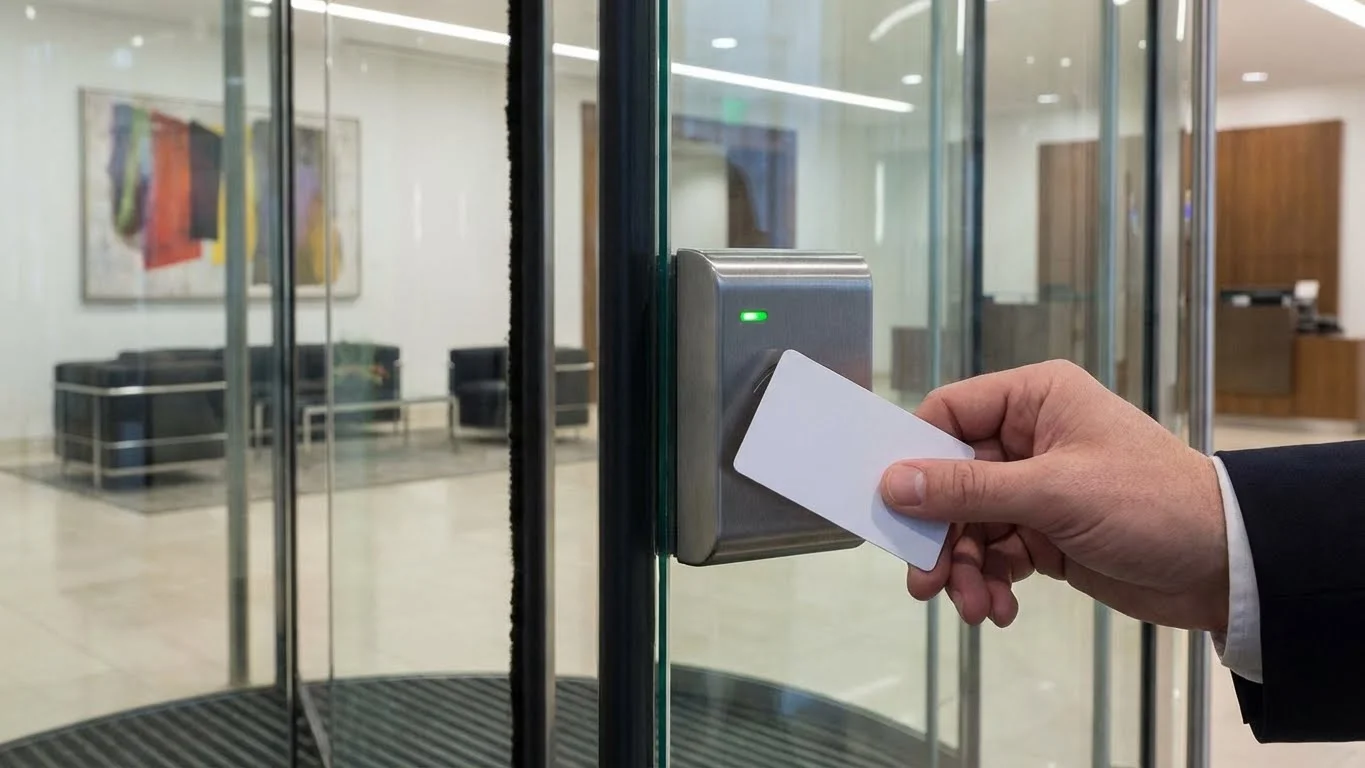
Access control is about deciding who is allowed to enter or exit a specific area. It ensures that only authorized individuals can access sensitive or restricted spaces.
- Physical keys and locks are the most basic form of access control.
- Access cards and badges help manage entry for employees and visitors.
- Biometric systems use fingerprints or facial features to verify identity.
- Controlled access reduces the risk of unauthorized entry.
- Entry and exit logs help track movement within a facility.
2. Surveillance Systems
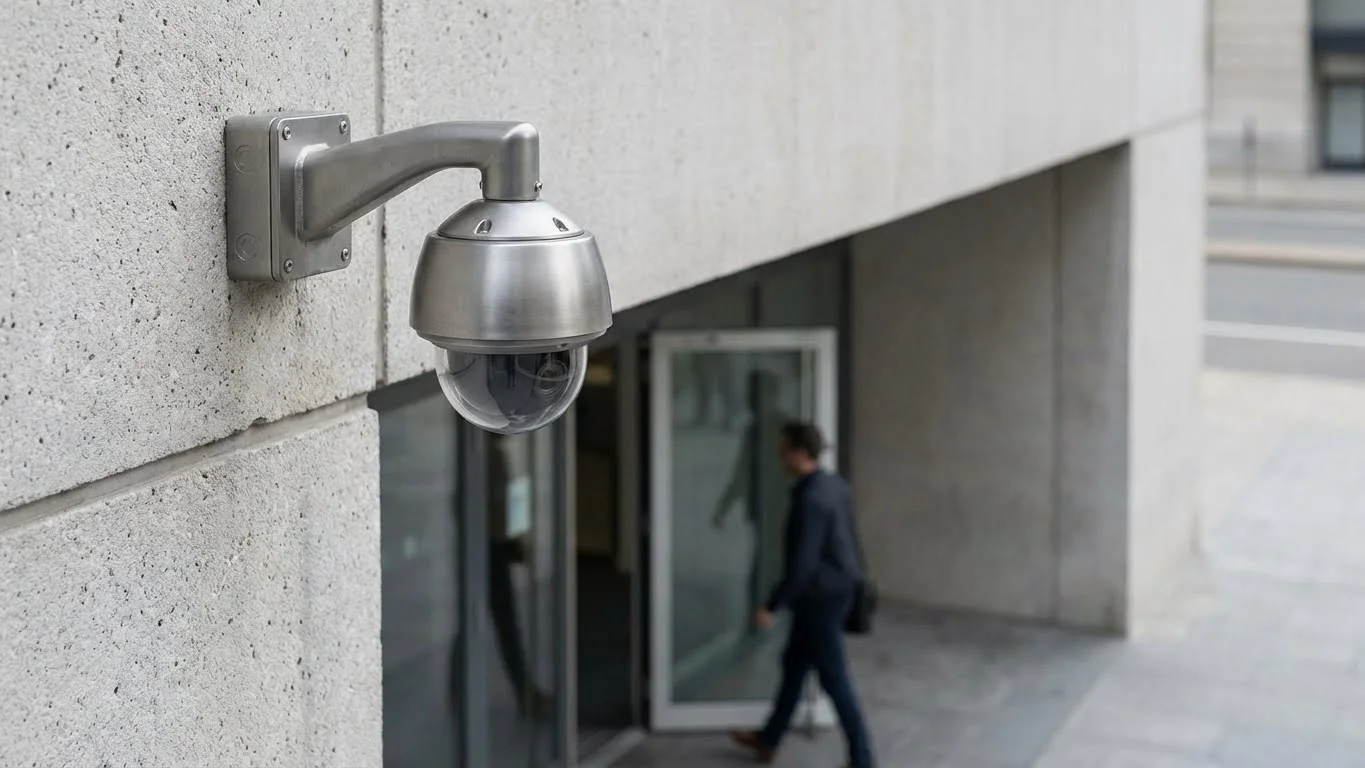
Surveillance systems are used to monitor activities and record events in and around a physical space. They act as both a preventive and investigative tool.
- Cameras help discourage theft and unwanted behavior.
- Recorded footage supports incident investigation.
- Live monitoring allows quick response to suspicious activity.
- Surveillance systems are commonly placed at entrances, exits, and high-risk areas.
- Visibility of cameras increases awareness and caution.
3. Physical Barriers
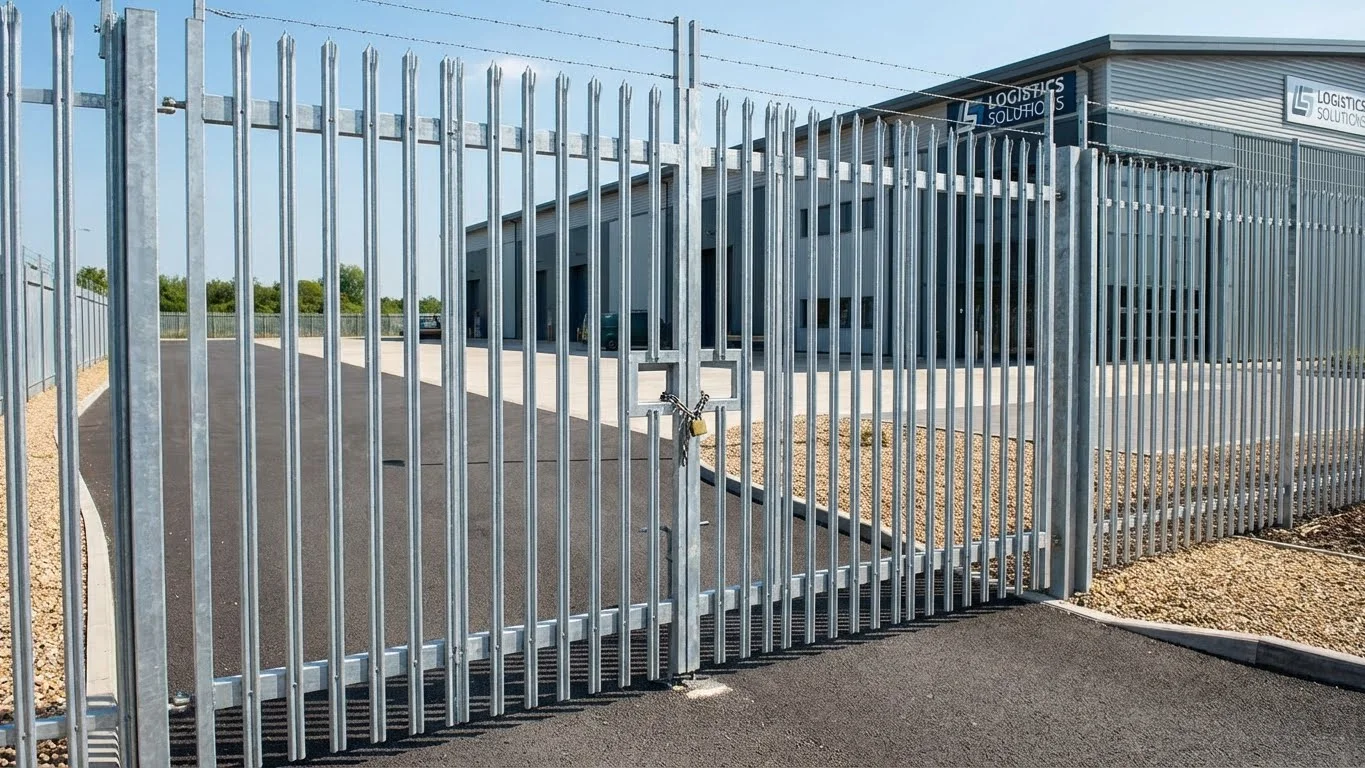
Physical barriers create a visible and physical boundary between secure and non-secure areas. They slow down or stop unauthorized access.
- Fences and gates define property boundaries.
- Doors and reinforced locks protect interior spaces.
- Walls and partitions restrict movement.
- Barriers provide time for detection and response.
- Strong barriers reduce casual or opportunistic intrusion.
4. Security Personnel
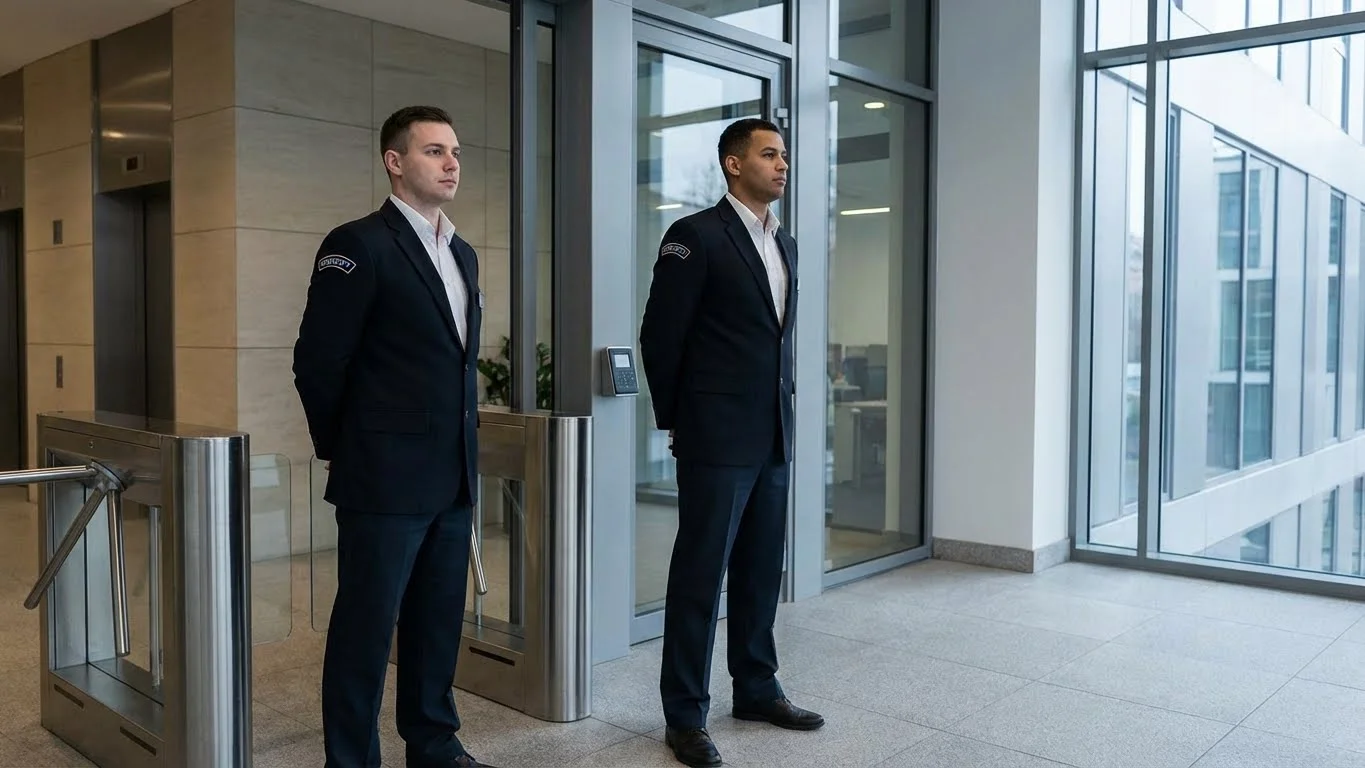
Security personnel provide a human layer of protection. Their presence adds judgment, decision-making, and immediate response capabilities.
- Security guards monitor entrances and patrol areas.
- They handle visitor checks and access verification.
- Trained personnel can respond to emergencies quickly.
- Human oversight helps manage situations technology cannot.
- Visible security staff can deter potential threats.
5. Lighting and Environmental Design
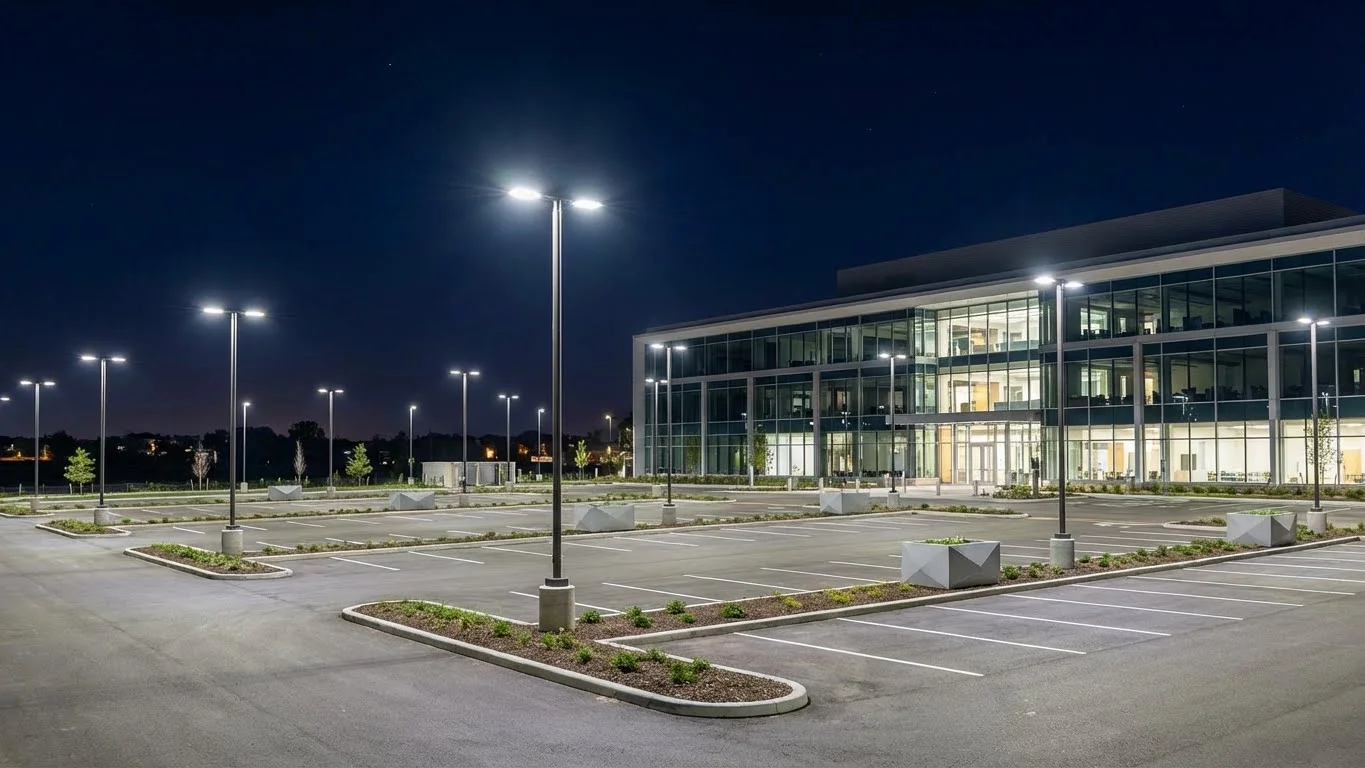
Lighting and environmental design influence how safe a space feels and how easily activities can be observed.
- Proper lighting improves visibility at night.
- Well-lit areas discourage hiding and suspicious behavior.
- Clear sightlines reduce blind spots.
- Organized layouts improve movement control.
- Environmental design supports natural surveillance.
Types of Physical Security Systems
Physical security systems vary depending on the environment and level of risk involved.
- Residential systems focus on protecting homes and families.
- Commercial systems secure offices, shops, and workplaces.
- Industrial systems protect factories, warehouses, and equipment.
- Critical infrastructure security covers power plants and transport hubs.
- Public place security focuses on crowd safety and access control.
Each type addresses specific needs based on usage and risk.
Common Physical Security Threats
Physical security threats come from both human actions and environmental factors.
- Theft involves stealing physical property or assets.
- Unauthorized access occurs when individuals enter restricted areas.
- Vandalism causes damage to property or facilities.
- Workplace violence poses risks to employees and visitors.
- Natural events such as fires or floods can disrupt operations.
Understanding these threats helps in planning effective protection measures.
Physical Security Measures for Beginners
Beginners can improve physical security by starting with simple and practical steps.
- Securing doors and windows properly.
- Limiting access to sensitive areas.
- Using basic surveillance where needed.
- Keeping entry points visible and well-lit.
- Educating occupants about security awareness.
Common mistakes include relying on only one security measure or ignoring regular checks.
Physical Security Risk Assessment
A physical security risk assessment helps identify where protection is needed most.
- Assets are identified based on value and importance.
- Threats are analyzed based on likelihood.
- Vulnerabilities are areas where security is weak.
- Risks are evaluated by combining threats and vulnerabilities.
- Regular reviews help adapt to changing conditions.
This process supports informed decision-making.
Physical Security Policies and Procedures
Policies and procedures define how physical security is managed daily.
- Security policies set rules for access and behavior.
- Visitor management procedures control guest entry.
- Emergency plans guide actions during incidents.
- Training ensures everyone understands their role.
- Clear procedures reduce confusion during emergencies.
Consistency and clarity are key to effectiveness.
Physical Security vs Cybersecurity
Physical security and cybersecurity protect different areas but work best together.
- Physical security protects buildings and physical assets.
- Cybersecurity protects data and digital systems.
- Physical access can impact digital security.
- Both are needed for complete protection.
- Integrated planning reduces overall risk.
Ignoring either area can weaken overall security.
Challenges in Physical Security
Managing physical security comes with practical challenges.
- Limited budgets can restrict system upgrades.
- Human error can create vulnerabilities.
- Systems require regular maintenance.
- Security must balance protection and convenience.
- Adapting to new threats takes time.
Recognizing these challenges helps set realistic expectations.
Best Practices for Effective Physical Security
Best practices focus on consistency, balance, and improvement.
- Using multiple layers of protection.
- Regularly inspecting security systems.
- Combining technology with human oversight.
- Updating policies as conditions change.
- Encouraging awareness among occupants.
Small improvements over time lead to stronger security.
FAQs
1. What is the most basic form of physical security?
Locks, doors, and controlled access points are the most basic forms of physical security.
2. Is physical security necessary for small businesses?
Yes, small businesses also face risks such as theft and unauthorized access.
3. How much does physical security cost?
Costs vary based on size, risk, and system complexity, ranging from simple locks to advanced systems.
4. Can physical security prevent all threats?
No system can prevent all threats, but proper measures significantly reduce risk.
Conclusion
Physical security is an essential part of protecting people, property, and everyday operations. For beginners, understanding the basics helps build a strong foundation without unnecessary complexity. By focusing on access control, surveillance, barriers, and awareness, anyone can improve safety in their environment. Starting small, staying consistent, and reviewing security regularly makes physical protection more effective and manageable over time.