Running a small business means wearing many hats—managing customers, operations, marketing, and staff simultaneously. Among these complexities, onboarding new employees and securing access to physical and digital workspaces are particularly time-consuming and error-prone tasks. Traditional methods like manual document verification, physical access cards, and passwords often slow down processes and expose businesses to security risks.
Biometric technology offers a modern solution that streamlines onboarding and authentication while enhancing security. This blog explores how small businesses can leverage biometrics to simplify hiring and protect their assets efficiently.
Understanding Biometric Technology for Small Business
What Are Biometrics?
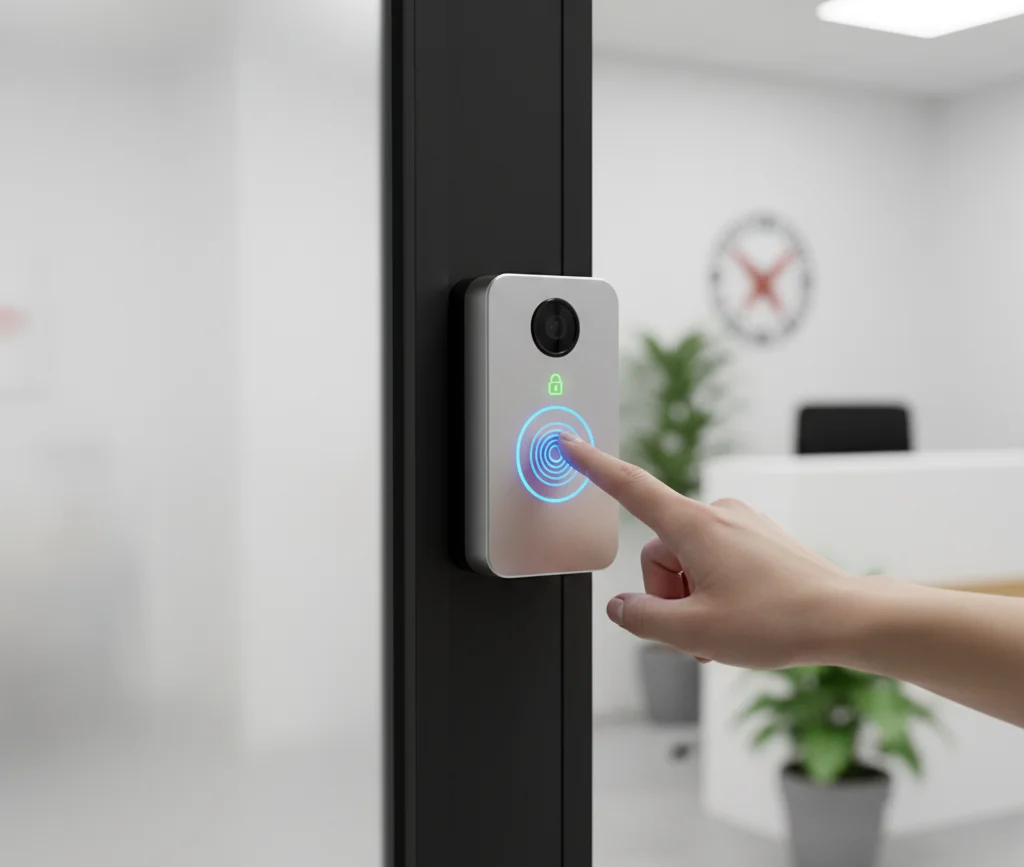
Biometrics uses unique physical or behavioral traits—such as fingerprints, facial features, iris patterns, or voice recognition—to identify and authenticate individuals. Unlike passwords or key cards, which can be lost, forgotten, or stolen, biometric identifiers are inherently personal and difficult to replicate.
Contrary to common belief, biometric technology is no longer exclusive to large enterprises. Affordable and scalable solutions now make biometrics accessible and practical for small businesses across industries.
Why Small Businesses Should Care
Small businesses, especially those in retail, hospitality, construction, and services, often face high staff turnover and administrative burdens. Biometric systems reduce these pain points by providing fast, scalable identity verification and access control without needing costly infrastructure.
Biometrics in Employee Onboarding
Traditional Onboarding Pain Points
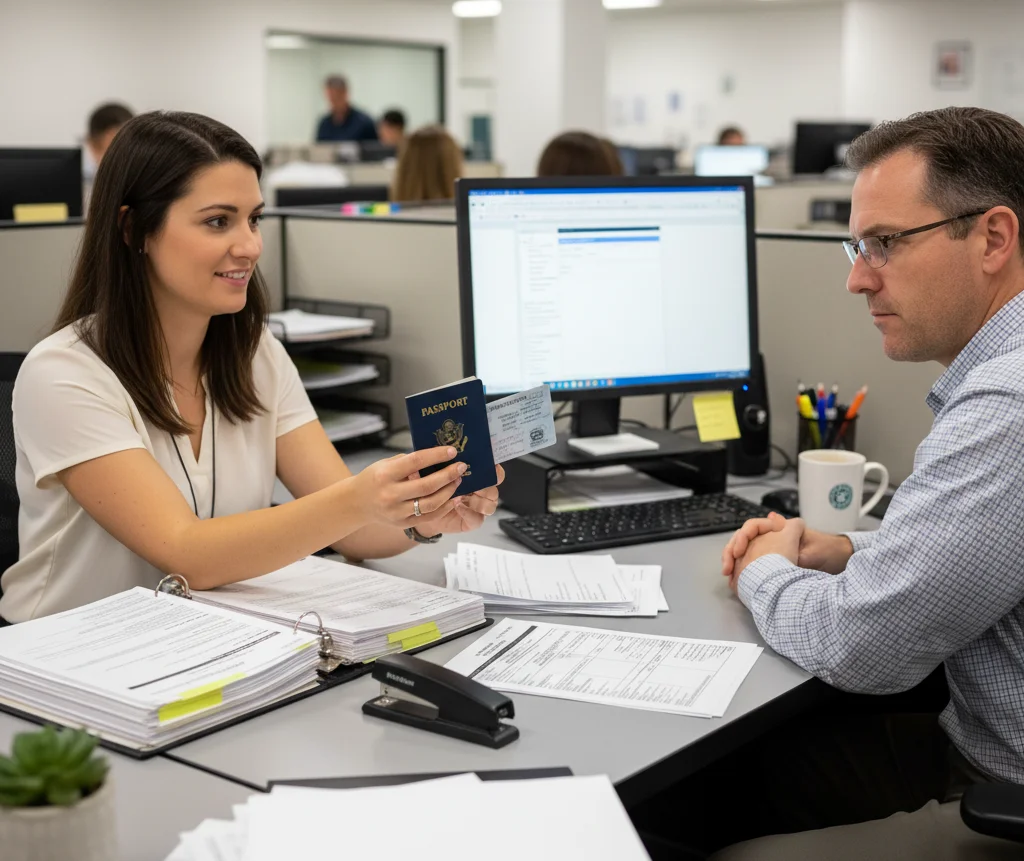
Onboarding frequently involves in-person document verification, photocopying, and issuing physical keys or cards. This process can create delays, increase costs, and burden small business owners already juggling numerous responsibilities.
Remote Identity Proofing and Verification
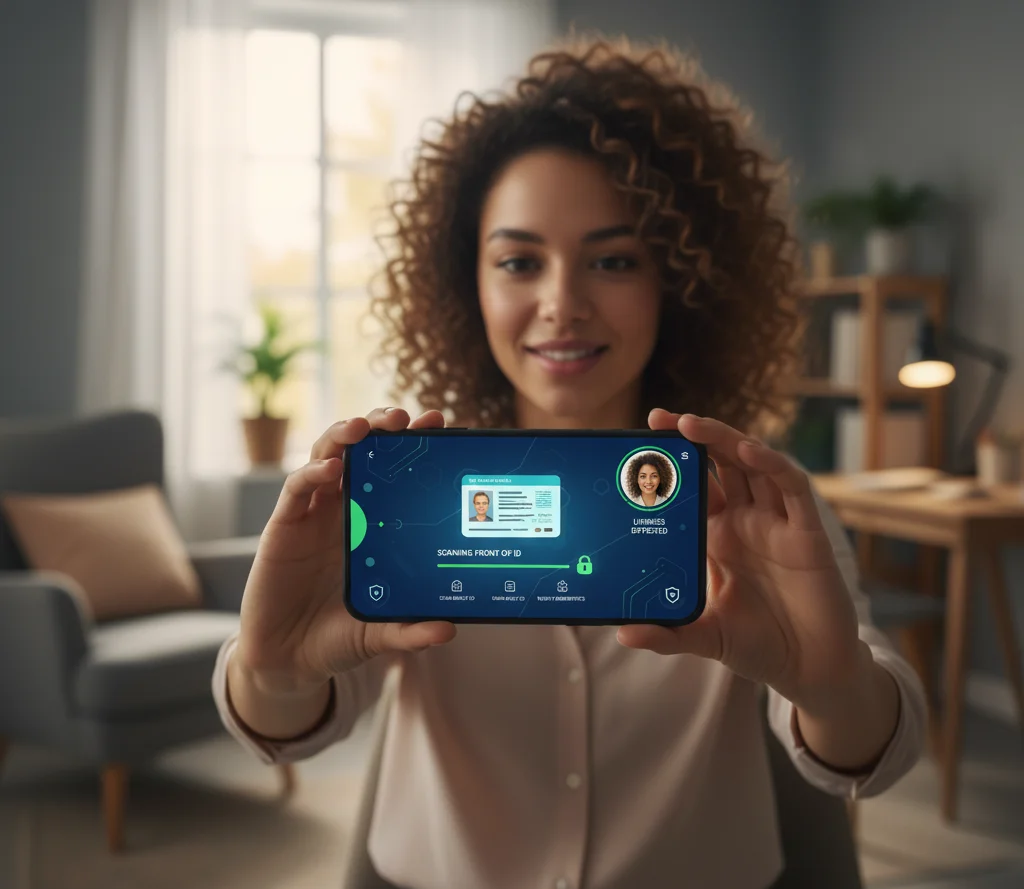
Modern biometric platforms enable remote onboarding by verifying identity documents such as driver’s licenses and passports through secure, biometric-enabled apps. New hires can be authenticated remotely by matching selfies with official IDs using liveness detection safeguards against fraud.
This approach saves time and money by eliminating the need for physical presence and streamlining document authentication.
Document Processing Automation
Biometrics integrates with digital workflows, allowing businesses to automate collection and processing of tax forms and background checks. Data is encrypted and securely stored, reducing manual effort and errors typical in paper-based systems.
Integration with Background Checks
By combining biometric verification with automated background screening, businesses can confidently onboard verified candidates ensuring compliance and reducing the chance of identity fraud or hiring mistakes.
Biometric Authentication for Small Business Access Control
Physical Security Challenges
Managing keys, keycards, and passwords is cumbersome and risky. Lost credentials can lead to unauthorized access and costly replacements, especially in businesses with frequently changing staff.
Biometric Access Solutions
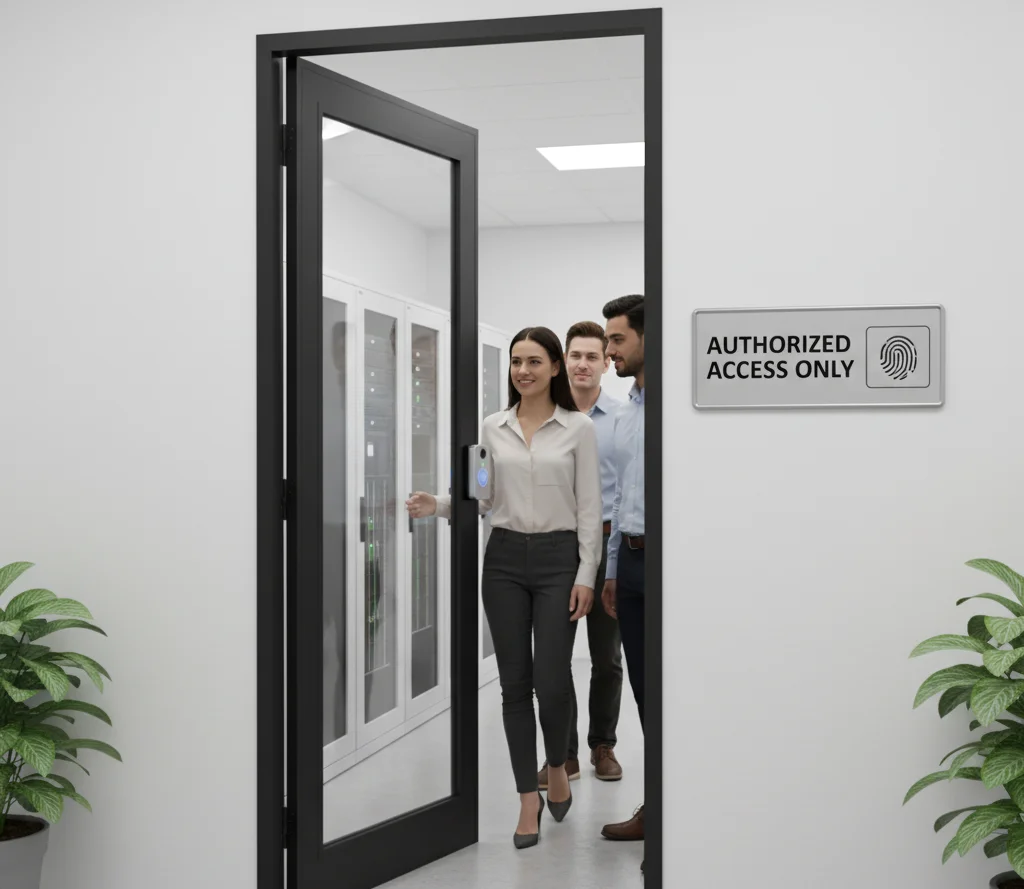
Biometric authentication—using fingerprint scans or facial recognition—provides seamless, secure access to physical facilities. Employees no longer need cards or codes, improving convenience while enhancing security with non-transferable authentication.
Virtual/Logical Access Control
Beyond physical spaces, biometric authentication secures access to computers, databases, and cloud services. Employees can log in to sensitive systems using biometric scans, safeguarding customer data and proprietary information.
Cloud-Based Biometric Platforms
Cloud-enabled biometrics remove the need for heavy local infrastructure and allow small businesses to adopt flexible, scalable solutions. Cloud systems facilitate quick enrollment and authentication processes integrated into everyday business operations.
Key Benefits of Biometrics for Small Business Operations
Enhanced Security
Biometric identifiers are hard to forge, reducing unauthorized access and data breaches. Combined with multi-factor authentication, biometrics significantly boost protection against cyber threats and fraud.
Time and Cost Savings
Automated onboarding and biometric access cut down administrative overhead, reducing time spent on manual authentication checks and credential management. This enables small business owners to focus on core activities.
Improved Employee Experience
Biometrics offer employees quick and easy access without the frustration of forgotten credentials or misplaced keys. Mobile-friendly onboarding and secure logins increase productivity and satisfaction.
Accurate Record-Keeping
Biometric systems create detailed audit trails supporting regulatory compliance and internal audits. This transparency protects businesses legally and operationally.
Implementation Considerations for Small Businesses
Security and Privacy
Storing biometric data requires adherence to privacy laws such as GDPR and BIPA. Ensuring encrypted storage and transparent user consent is vital for legal compliance and trust.
Multi-Factor Authentication
For sensitive operations, combining biometrics with passwords or PINs adds extra security layers. Liveness detection prevents spoofing attempts, further securing authentication processes.
Integration and Deployment
Small businesses should select biometric solutions compatible with existing HR and IT systems. Mobile-based and cloud platforms offer cost-effective, easy deployment options.
Employee Training and Adoption
Clear communication on biometric usage and privacy safeguards helps staff embrace the technology, alleviating concerns and facilitating smooth transitions.
Conclusion
Biometrics is transforming the onboarding and authentication experience for small businesses, offering enterprise-grade security with simplicity and speed. By adopting biometric solutions, small businesses can streamline hiring, safeguard assets, and improve operational efficiency—all without excessive complexity or cost.
Evaluating biometric technologies today positions your business for secure, scalable growth tomorrow.