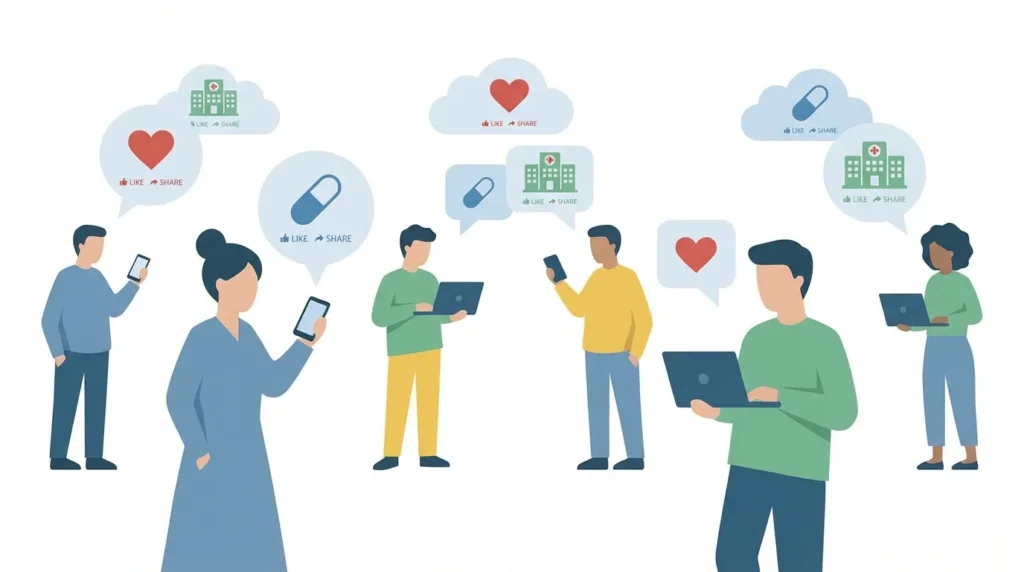
Social media has become one of the most influential platforms where people openly talk about their health experiences, medical treatments, and healthcare services. Millions of patients, caregivers, and healthcare professionals share their opinions and concerns online every day. These conversations provide valuable information about public health trends, patient satisfaction, and healthcare challenges.
Because of this growing digital activity, healthcare organizations are increasingly paying attention to what people are saying online. Instead of relying only on traditional surveys or clinical reports, healthcare providers can now analyze online discussions to understand real-world patient experiences. This shift has made social media a powerful source of healthcare information.
One of the most effective ways to analyze these online conversations is through social media listening. By tracking and studying discussions on different platforms, healthcare organizations can gain meaningful insights that help them improve patient care, communication, and healthcare strategies. This blog explores how social media listening works and why it plays an important role in transforming healthcare insights.
What Is Social Media Listening?
Social media listening is the process of tracking and analyzing conversations that happen on social media platforms and other online communities. It helps organizations understand what people are saying about specific topics, brands, services, or industries.
In healthcare, social media listening allows hospitals, pharmaceutical companies, healthcare researchers, and public health organizations to understand patient experiences and public opinions about health issues. These insights can help healthcare providers make better decisions and improve their services.
Social media listening is often confused with social media monitoring, but they are not the same. Monitoring focuses on tracking mentions, comments, and messages related to a brand or topic. Social media listening goes deeper by analyzing these conversations to identify patterns, sentiment, and trends.
How social media listening works:
- Collects conversations and posts from social media platforms
- Tracks specific keywords, hashtags, or health-related topics
- Analyzes sentiment to understand whether conversations are positive, negative, or neutral
- Identifies patterns, trends, and common concerns
- Generates insights that help organizations make informed decisions
Many organizations use specialized tools that automate the collection and analysis of social media data. These tools help researchers and healthcare professionals understand large volumes of online discussions more efficiently.
Why Social Media Matters in Healthcare Today
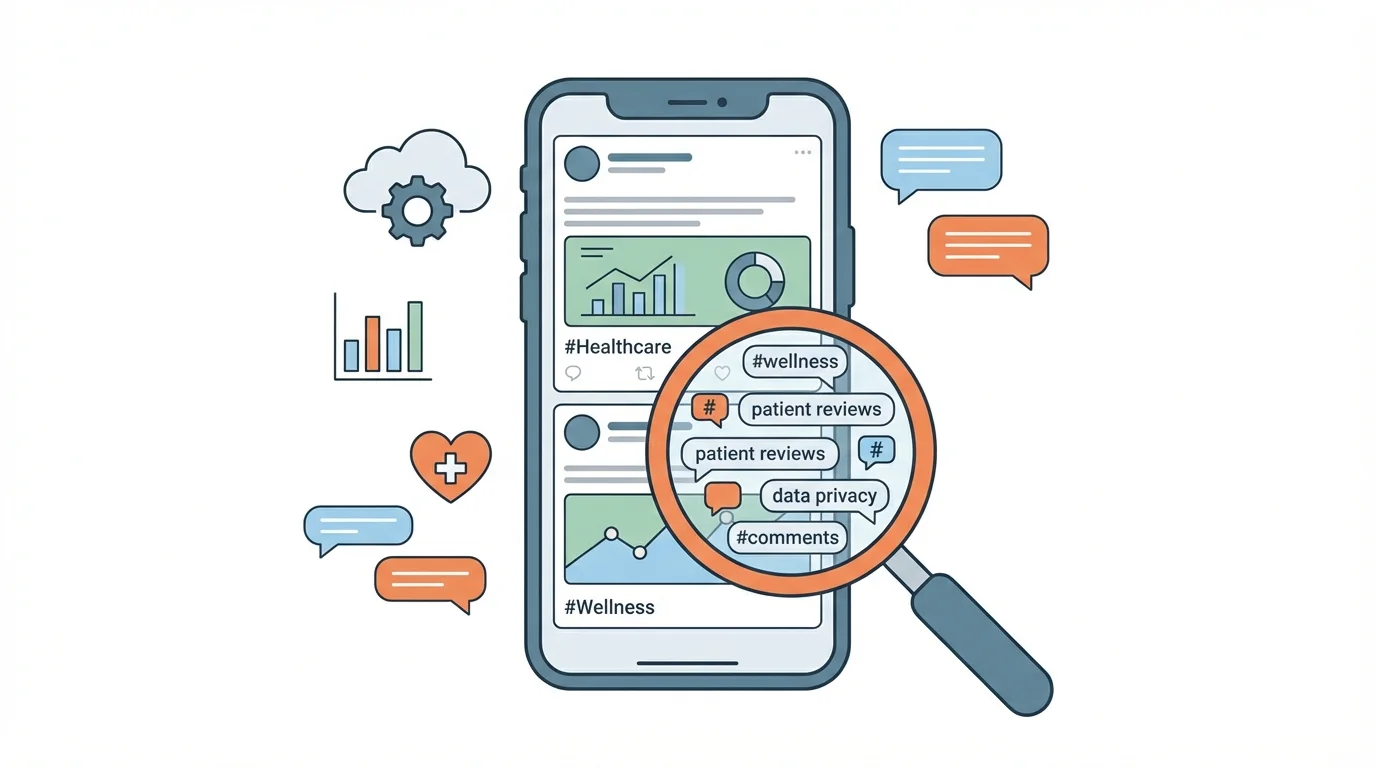
Social media has changed how people search for health information and discuss medical topics. Patients no longer rely only on doctors or medical websites for information. Many individuals now share their health experiences online and seek advice from digital communities.
Healthcare conversations on social media are increasing because these platforms allow people to discuss personal experiences openly. Patients share stories about treatments, symptoms, recovery journeys, and interactions with healthcare providers. These discussions provide valuable insights into patient perspectives that may not appear in traditional healthcare data.
Key reasons why social media matters in healthcare today:
- Patients use social media to discuss symptoms, treatments, and healthcare experiences.
- Online communities provide emotional support for individuals dealing with health conditions.
- People often search for recommendations about doctors, hospitals, and medical treatments online.
- Public health campaigns and awareness programs are widely shared on social media.
- Health organizations can communicate directly with patients and the public.
Because so many healthcare conversations happen online, social media has become an important channel for understanding public health concerns and patient needs.
What Are Healthcare Insights?
Healthcare insights refer to valuable information that helps healthcare organizations understand patient behavior, healthcare trends, and medical challenges. These insights are used to improve healthcare services, medical research, and public health initiatives.
Traditionally, healthcare insights were gathered through clinical data, surveys, patient feedback forms, and medical research studies. While these sources remain important, they may not always reflect real-time patient experiences or public opinions.
Social media provides an additional layer of information because it captures spontaneous conversations about health. By analyzing these conversations, healthcare organizations can identify emerging concerns, treatment experiences, and public perceptions about healthcare systems.
Types of healthcare insights organizations often seek include:
- Patient satisfaction and feedback about healthcare services
- Public opinions about medications and treatments
- Common symptoms and health concerns discussed online
- Reactions to health policies or medical announcements
- Patient experiences with healthcare providers and hospitals
Real-time healthcare insights are valuable because they help healthcare organizations respond quickly to patient needs and public health concerns.
How Social Media Listening Works in Healthcare
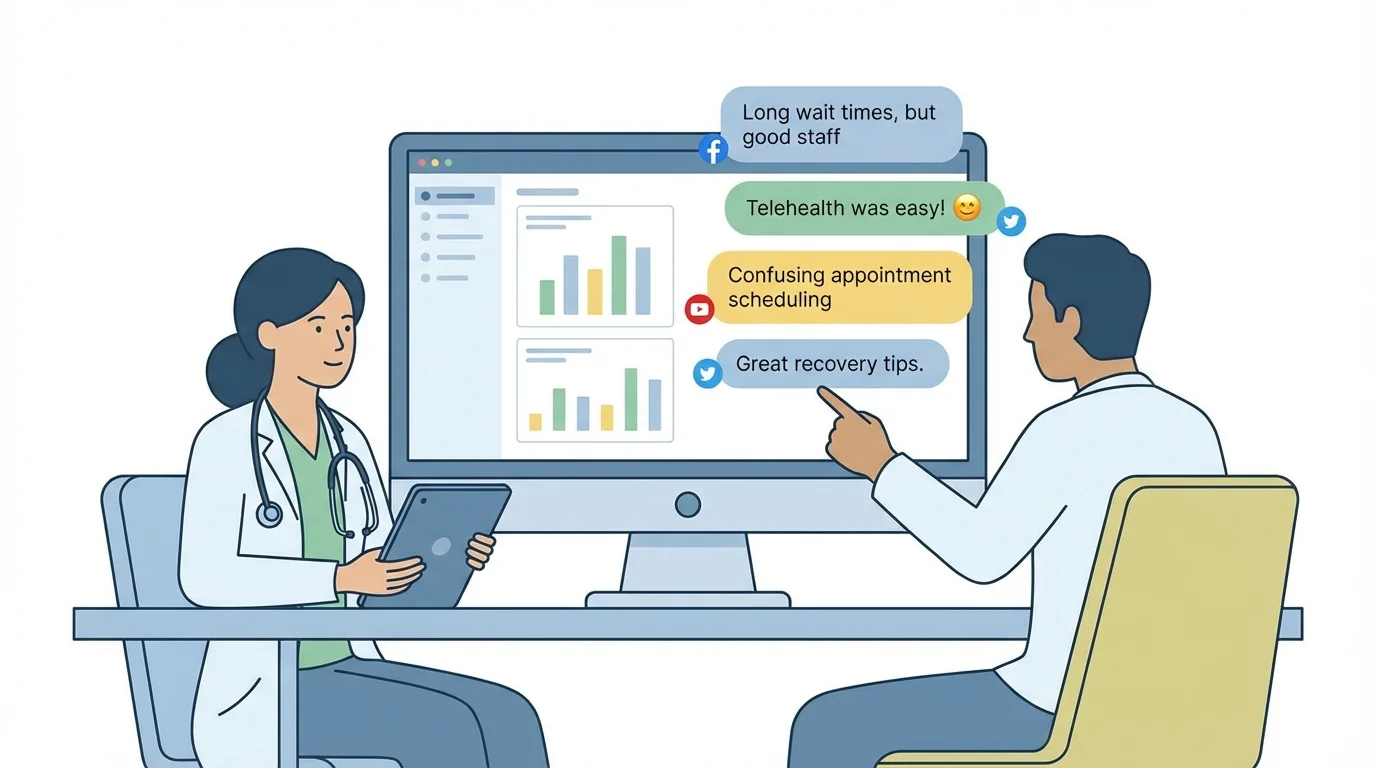
Social media listening in healthcare involves a systematic process of collecting, analyzing, and interpreting digital conversations. The goal is to transform large volumes of social media data into meaningful healthcare insights.
The process typically involves several steps that allow healthcare organizations to track relevant discussions and understand patient sentiment.
Identifying relevant keywords and topics
Healthcare organizations first identify the keywords, hashtags, and topics they want to monitor. These may include disease names, medication names, hospital names, healthcare services, or public health campaigns.
Tracking conversations and mentions
Once keywords are defined, social listening tools collect posts and discussions from different social media platforms. These tools gather mentions of the selected keywords across large volumes of online content.
Analyzing sentiment and trends
Advanced technologies such as artificial intelligence and natural language processing analyze the collected data. These technologies help determine whether conversations are positive, negative, or neutral. They also identify recurring topics and emerging trends.
Extracting actionable insights
After analyzing the data, organizations interpret the results to identify patterns and meaningful insights. These insights can help healthcare providers improve services, address patient concerns, and design better communication strategies.
Technologies involved in healthcare social listening include:
- Artificial intelligence for automated data analysis
- Natural language processing to interpret human language
- Data analytics platforms for identifying patterns and trends
- Visualization tools that help present insights clearly
These technologies allow healthcare organizations to process large amounts of information quickly and accurately.
Key Benefits of Social Media Listening in Healthcare
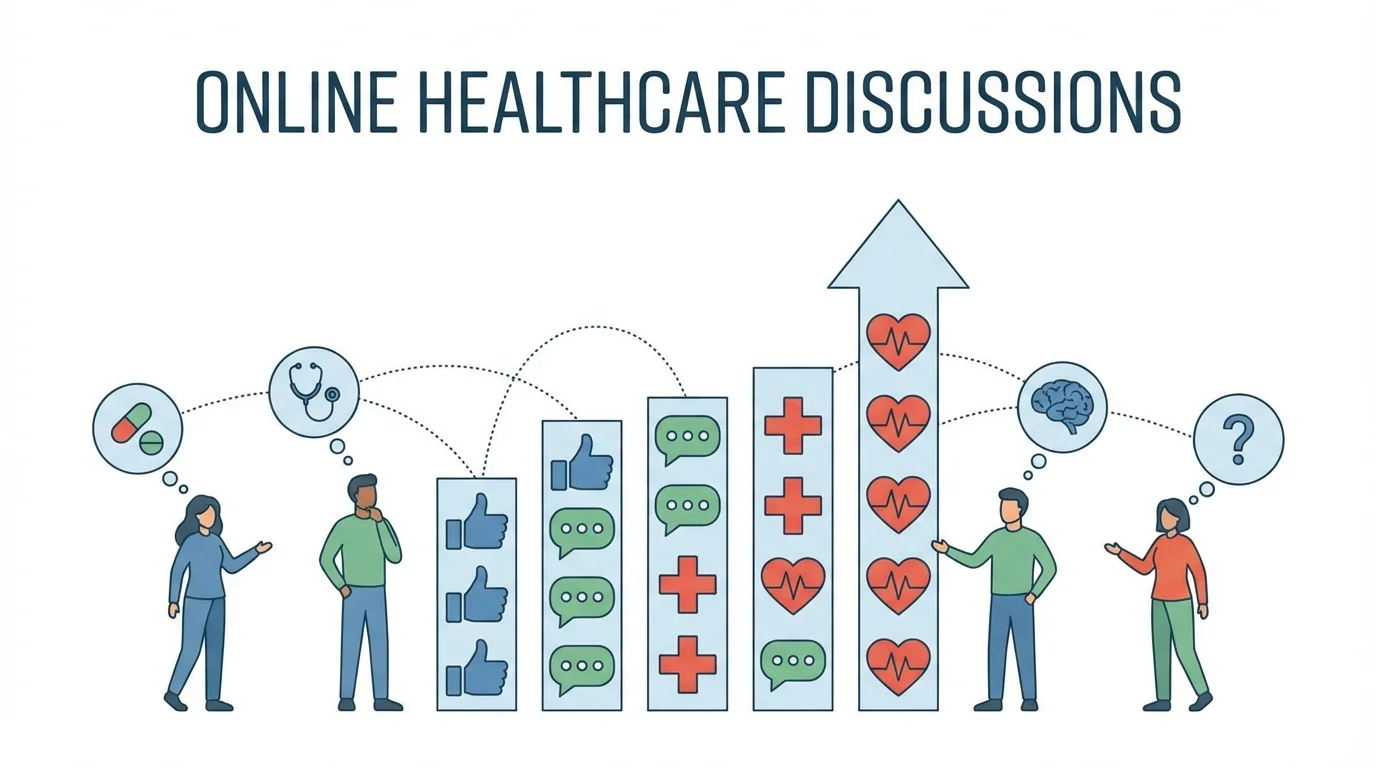
1. Understanding Patient Needs and Concerns
Social media listening helps healthcare organizations understand what patients are experiencing and what concerns they have about healthcare services or treatments.
By analyzing patient conversations, healthcare providers can identify common problems that patients face. These insights help organizations improve their services and provide better patient care.
Important benefits include:
- Identifying common patient complaints and concerns
- Understanding expectations related to healthcare services
- Discovering frequently asked questions about treatments or conditions
- Learning how patients describe their healthcare experiences
This understanding helps healthcare organizations focus on patient-centered care.
2. Tracking Public Health Trends
Social media conversations can reveal emerging health trends before they appear in official reports. When many users begin discussing certain symptoms or diseases, healthcare organizations can detect early signals of public health issues.
Public health agencies and researchers sometimes use social media data to monitor health trends and track the spread of diseases.
Examples of insights that can be identified include:
- Increase in discussions about certain symptoms
- Growing public concern about specific health conditions
- Reactions to public health announcements
- Awareness levels about health campaigns
Tracking these conversations helps healthcare authorities respond more quickly to public health challenges.
3. Improving Patient Engagement
Healthcare organizations can use social media listening to better understand patient expectations and communicate more effectively.
When organizations know what patients are discussing, they can create content that addresses those topics. They can also respond to patient feedback and provide helpful information.
Benefits of improved patient engagement include:
- Building stronger relationships with patients
- Addressing patient concerns quickly
- Providing accurate health information
- Encouraging open communication between patients and providers
This engagement helps healthcare organizations build trust with their communities.
4. Supporting Healthcare Research
Social media discussions provide researchers with large amounts of real-world data about patient experiences. This information can support medical research and healthcare studies.
Researchers can analyze patient discussions to understand treatment experiences, side effects, and patient expectations.
Research advantages include:
- Access to large volumes of patient opinions
- Understanding real-world treatment experiences
- Identifying unmet medical needs
- Observing patient behavior outside clinical environments
These insights can complement traditional research methods and improve healthcare knowledge.
5. Enhancing Healthcare Communication Strategies
Healthcare organizations need effective communication strategies to share health information with the public. Social media listening helps them understand which topics people care about and how they respond to healthcare messages.
When organizations analyze social conversations, they can design more relevant and effective health campaigns.
Benefits for communication strategies include:
- Identifying popular health topics
- Understanding audience preferences
- Creating targeted health awareness campaigns
- Improving public health messaging
These insights help organizations communicate important health information more effectively.
Common Sources of Healthcare Data on Social Media
Healthcare discussions take place across many digital platforms. Each platform offers unique insights because users interact in different ways.
Important sources of healthcare conversations include:
- Social media platforms such as Twitter (X), Facebook, Instagram, and LinkedIn
- Online health communities where patients discuss medical conditions
- Patient forums focused on specific diseases or treatments
- Blogs where individuals share personal healthcare journeys
- Review platforms where patients rate hospitals, clinics, and doctors
These platforms provide a wide range of opinions, experiences, and discussions that healthcare organizations can analyze.
Social Media Listening Tools Used in Healthcare
Social media listening tools help organizations collect and analyze online conversations efficiently. Without these tools, it would be difficult to process the large volume of data generated on social media.
Healthcare organizations use these tools to track keywords, measure sentiment, and identify trends in patient conversations.
Key features that healthcare organizations often look for in social listening tools include:
- Real-time monitoring of social media discussions
- Keyword and hashtag tracking
- Sentiment analysis capabilities
- Data visualization and reporting tools
- Integration with analytics platforms
Examples of widely used social listening tools include:
- Brandwatch
- Sprout Social
- Talkwalker
- Hootsuite Insights
- Meltwater
These tools help healthcare organizations transform raw social media data into useful insights.
Challenges of Using Social Media Listening in Healthcare
Data Privacy Concerns
Healthcare information is highly sensitive. When analyzing social media conversations, organizations must ensure that they handle personal information responsibly.
Key privacy considerations include:
- Protecting patient confidentiality
- Avoiding misuse of personal health data
- Following data protection regulations
- Ensuring ethical data collection practices
Healthcare organizations must always prioritize privacy and security when using social listening data.
Misinformation on Social Media
Social media platforms sometimes contain inaccurate or misleading health information. This misinformation can spread quickly and influence public opinion.
Challenges related to misinformation include:
- Difficulty identifying reliable information
- Spread of incorrect medical advice
- Confusion among patients about treatments
- Increased need for fact-checking and verification
Healthcare organizations must carefully analyze and verify information before using social media insights.
Data Overload
Social media generates massive amounts of data every day. Analyzing this data can be challenging because it requires advanced tools and analytical expertise.
Organizations often face challenges such as:
- Processing large volumes of data
- Filtering relevant information from noise
- Identifying meaningful insights within complex datasets
Effective analytics tools and strategies are necessary to manage this data effectively.
Ethical Considerations
Ethical responsibility is essential when analyzing healthcare conversations. Even though social media posts are public, organizations must use this information responsibly.
Important ethical considerations include:
- Respecting patient privacy and dignity
- Avoiding manipulation of health discussions
- Ensuring transparency in data use
- Using insights to improve healthcare outcomes rather than exploit patient information
Responsible practices help maintain trust between healthcare organizations and the public.
Best Practices for Effective Healthcare Social Media Listening
Healthcare organizations can improve the effectiveness of social media listening by following structured strategies.
Best practices include:
- Define clear goals and objectives before starting social listening initiatives
- Choose reliable social listening tools that provide accurate analytics
- Focus on relevant keywords, medical terms, and healthcare topics
- Combine social media insights with traditional healthcare data sources
- Follow ethical guidelines and respect patient privacy at all times
When these practices are followed, social media listening can provide valuable insights that support healthcare improvements.
How Healthcare Organizations Can Use These Insights
Healthcare insights gathered from social media can be used in several ways to improve healthcare services and public health strategies.
Organizations can apply these insights to make better decisions and create patient-centered healthcare solutions.
Key ways healthcare organizations use these insights include:
- Improving patient services by addressing common concerns and complaints
- Designing healthcare awareness campaigns based on public interests
- Supporting healthcare policy decisions with real-world patient feedback
- Identifying gaps in healthcare services or patient education
- Strengthening relationships between healthcare providers and patients
These applications help healthcare organizations deliver more responsive and effective healthcare services.
Conclusion
Social media has transformed how people communicate about health, treatments, and healthcare services. Millions of conversations happening online every day provide valuable insights into patient experiences and public health concerns.
Social media listening allows healthcare organizations to analyze these conversations and convert them into meaningful healthcare insights. By understanding patient perspectives, tracking health trends, and improving communication strategies, healthcare providers can enhance the quality of care they deliver.
Although there are challenges such as privacy concerns, misinformation, and data overload, responsible and ethical use of social media listening can provide powerful benefits for the healthcare industry. As digital conversations continue to grow, social media listening will remain an important tool for understanding patient voices and improving healthcare outcomes.