In today’s fast-changing digital world, biometric applications have become a major part of our daily lives. From unlocking your smartphone with a fingerprint to verifying your identity at the airport, biometrics are everywhere.
These technologies help identify or authenticate people based on their unique physical or behavioral traits. As data security, privacy, and convenience become more important, biometric systems are being used in almost every sector — including finance, healthcare, education, and government.
In this blog, we’ll explain what biometric applications are, how they work, the different types, popular examples, and key use cases across industries.
What Are Biometric Applications?
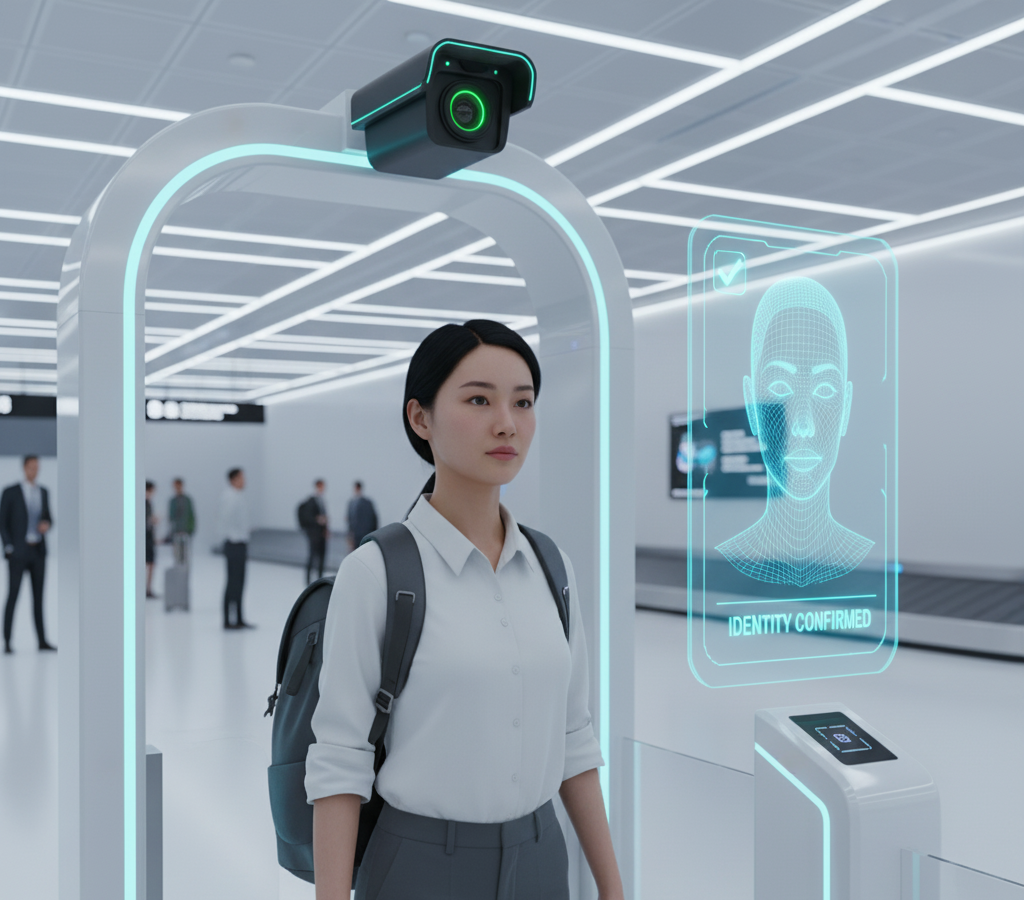
Biometric applications are technologies that identify or verify individuals using their unique biological or behavioral features. These can include fingerprints, facial features, voice patterns, or even the way you type or walk.
Biometric systems generally involve three main steps:
- Data Capture – The biometric data (like a fingerprint or facial scan) is collected using sensors or cameras.
- Template Creation – The system converts the captured data into a digital code or template.
- Matching Process – When verification is needed, the system compares the new scan with the stored template to confirm identity.
Biometric applications are now used worldwide for both authentication (verifying a person) and identification (finding out who someone is). Their use continues to grow rapidly because they are more secure and convenient than traditional passwords or ID cards.
How Do Biometric Applications Work?
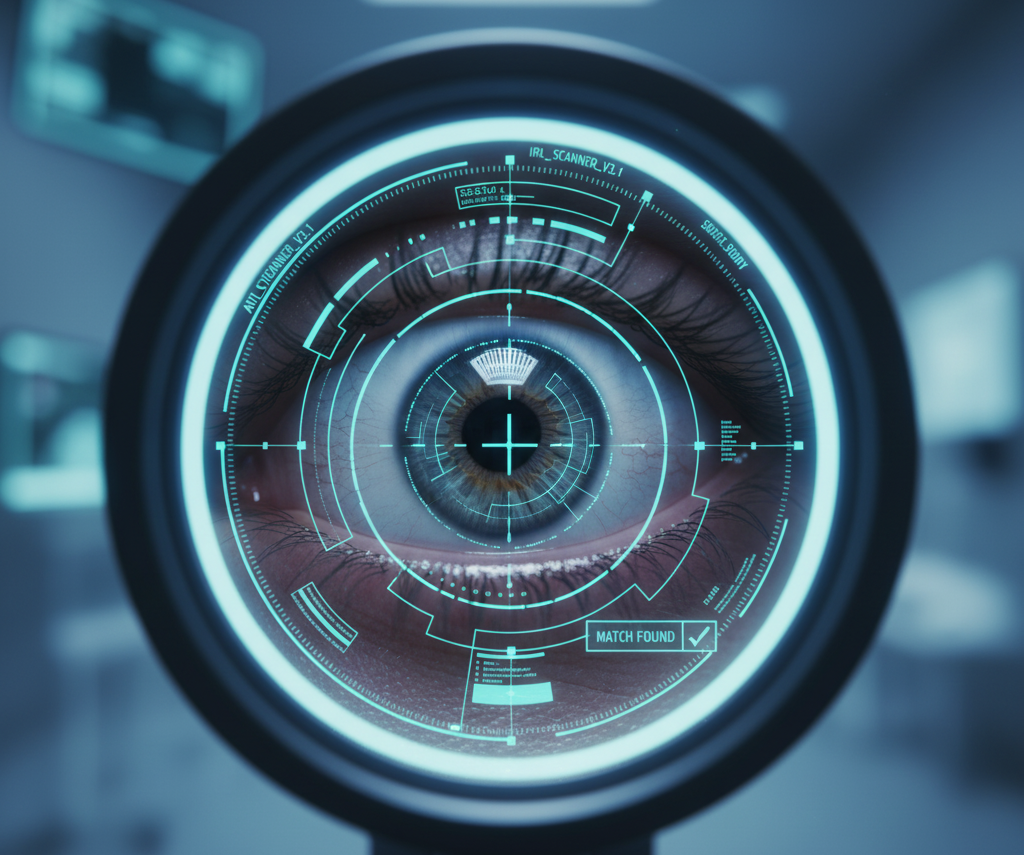
Biometric systems use a combination of hardware, software, and databases to recognize people accurately. Here’s how the process typically works:
- Enrollment: The system collects a person’s biometric data (e.g., fingerprint) and stores it securely.
- Storage: This data is converted into a digital template and stored in a secure database.
- Verification or Identification:
- In verification, the system checks if the person’s biometric data matches their stored template (e.g., unlocking a phone).
- In identification, the system searches for a match in a large database (e.g., airport security systems).
Example: When you unlock your phone using a fingerprint, the sensor captures your print and compares it to the stored data. If both match, access is granted.
Types of Biometric Applications
Biometric systems can be divided into two main categories: physiological and behavioral biometrics.
Physiological Biometrics
These rely on physical characteristics that remain mostly constant over time.
Fingerprint Recognition
- One of the most common biometric types.
- Used in smartphones, time attendance systems, and security locks.
- Easy to use, fast, and cost-effective.
Facial Recognition
- Analyzes facial features like the distance between eyes or nose shape.
- Common in airports, surveillance systems, and retail analytics.
- Can recognize users even in real-time videos.
Iris and Retina Scans
- Scans the unique patterns in the iris or retina of the eye.
- Very accurate and secure, used in banking and defense.
Hand Geometry Recognition
- Measures the size and shape of a person’s hand.
- Often used in industrial workplaces and access control systems.
DNA Recognition
- Compares genetic material for identity verification.
- Mostly used in forensics and law enforcement.
Behavioral Biometrics
These depend on how a person behaves rather than their physical traits.
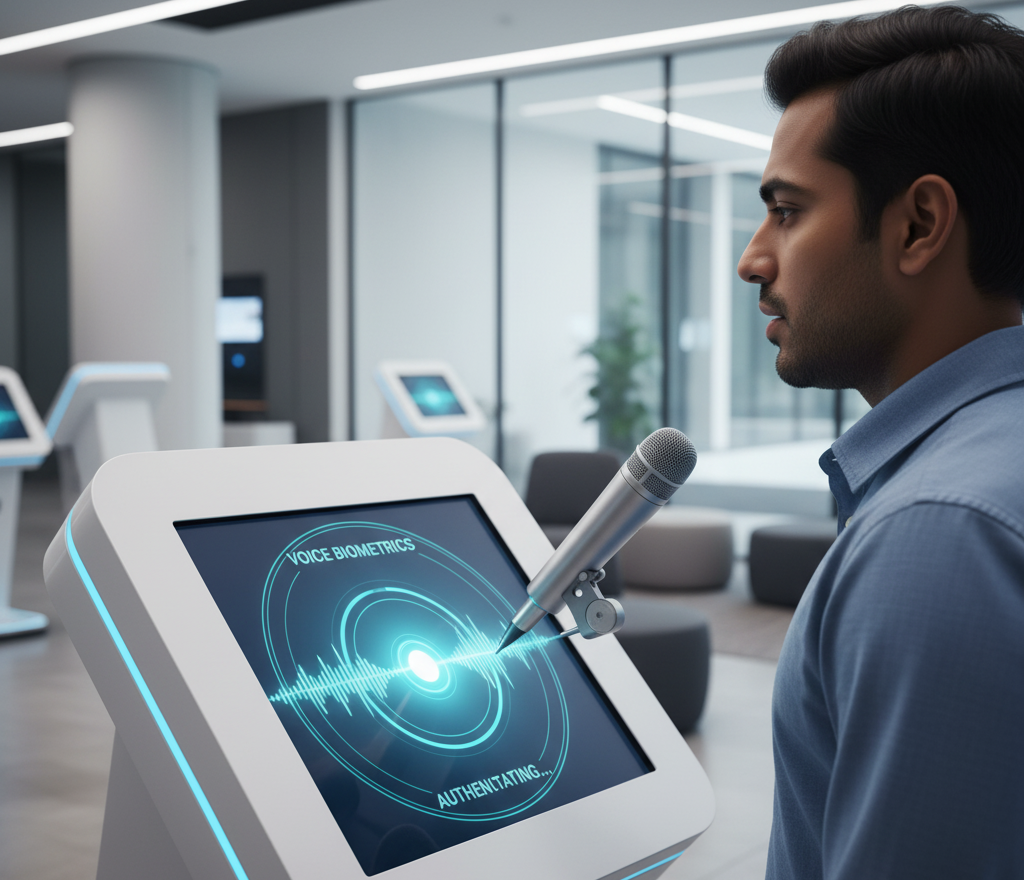
Voice Recognition
- Analyzes tone, pitch, and speech patterns.
- Used in call centers, smart assistants, and mobile banking.
Signature Recognition
- Identifies users based on how they sign documents.
- Common in legal, banking, and administrative processes.
Keystroke Dynamics
- Monitors typing rhythm, speed, and pressure on keyboards.
- Helps detect online fraud or impersonation.
Gait Recognition
- Recognizes a person by their walking style.
- Used in healthcare (for rehabilitation) and security surveillance.
Also Read: What Are Biometrics and Biometric Processes [2025 Complete Guide]
Key Examples of Biometric Applications
Here are some real-world examples of how biometrics are used today:
- Smartphones: Fingerprint and facial recognition for device unlocking and payment authentication.
- Airports and Border Control: Facial and iris scans for faster passenger verification and improved security.
- Banking and Payments: Biometric ATMs and mobile banking apps use fingerprints or voice for secure transactions.
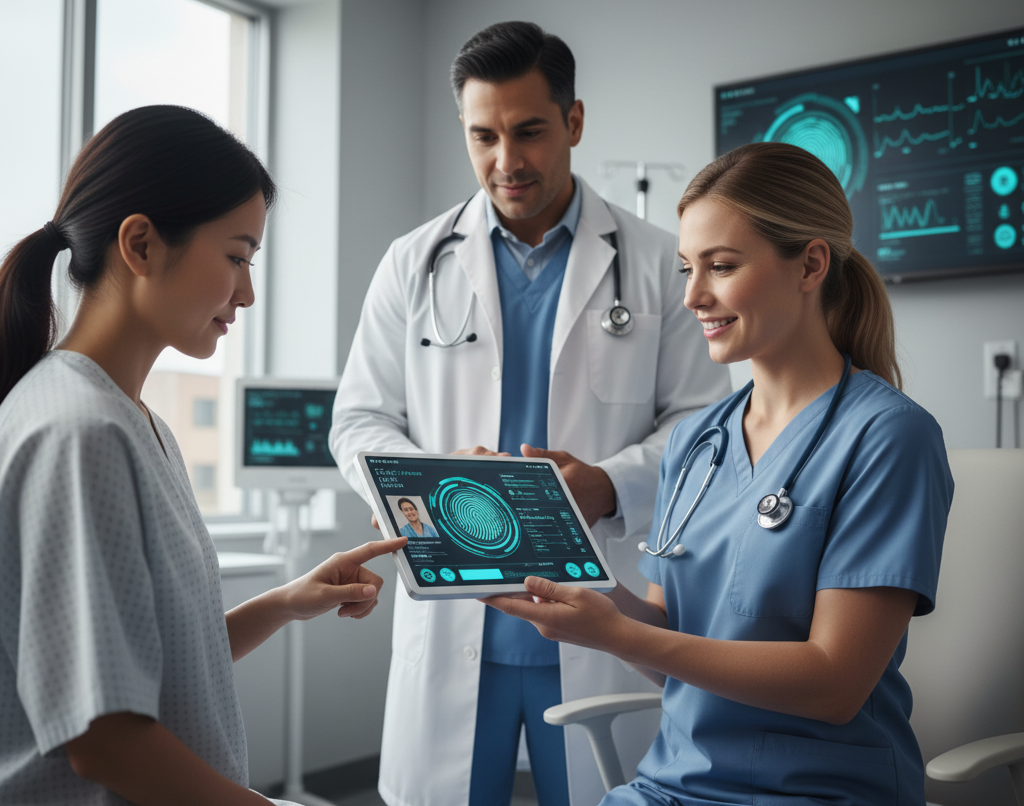
- Healthcare: Hospitals use biometrics for patient identification and secure access to medical records.
- Workplaces: Fingerprint and facial recognition systems for time and attendance tracking.
- Education: Schools and colleges use biometrics to mark attendance and prevent exam fraud.
- Law Enforcement: DNA and facial recognition for identifying criminals and solving cases.
Major Use Cases Across Industries
Security and Access Control
Biometric systems provide strong security for both digital and physical access. They replace passwords, ID cards, and keys, offering faster and more reliable verification.
Financial Services
Banks and payment providers use biometrics to prevent identity theft and ensure safe transactions. For example, fingerprint-enabled ATMs or voice-verified banking calls improve both security and convenience.
Healthcare
Biometric applications help hospitals ensure that the right patient receives the correct treatment. They also prevent unauthorized access to medical data.
Government and Public Sector
Governments use biometrics for national ID programs, border control, and voter registration. India’s Aadhaar system is a great example of large-scale biometric identification.
Retail and E-commerce
Facial recognition can help identify returning customers, offering personalized product recommendations. Some stores use biometrics for seamless checkout experiences.
Education
Schools and universities use fingerprint or facial recognition to record attendance, manage library access, and prevent exam impersonation.
Benefits of Biometric Applications
Biometric technologies provide several advantages across industries:
- High Security: Unique physical or behavioral traits are difficult to copy.
- User Convenience: No need to remember passwords or carry ID cards.
- Speed: Instant identity verification reduces waiting time.
- Fraud Prevention: Reduces risks of identity theft or fake authentication.
- Scalability: Can integrate easily with IoT, AI, and cloud-based systems.
Challenges and Limitations
Despite their benefits, biometrics come with some challenges:
- Privacy Concerns: Storing personal data can raise privacy and ethical issues.
- Cost: Setting up and maintaining biometric systems can be expensive.
- Accuracy Issues: Factors like lighting, injuries, or aging may affect recognition.
- Data Breaches: If biometric databases are hacked, it can lead to serious security risks.
Conclusion
Biometric applications are transforming how we identify and authenticate people in the digital world. From banking to healthcare and education, they offer a secure, fast, and user-friendly way to verify identity.
However, it’s also important to address privacy and ethical concerns as these systems become more advanced. The future of biometrics lies in creating a balance between innovation, security, and user trust.
Biometrics are not just about technology — they are about building a safer, smarter, and more connected world.
FAQs
1. What are biometric applications used for?
Biometric applications are used to identify or verify individuals based on their unique traits, such as fingerprints, faces, or voices.
2. What are the main types of biometrics?
The two main types are physiological biometrics (like fingerprints, facial recognition, iris scans) and behavioral biometrics (like voice, typing, or walking patterns).
3. How secure are biometric systems?
They are generally very secure, as each person’s biometric data is unique. However, security also depends on how the data is stored and protected.
4. Where are biometric applications most commonly used?
They are widely used in smartphones, banking, government IDs, healthcare, and law enforcement.
5. What are the challenges in using biometric technologies?
The main challenges are privacy issues, high setup costs, and the risk of data breaches.
6. What is the future of biometric authentication?
The future includes AI-powered multi-modal biometrics, improved accuracy, and stronger privacy protection methods.