What truly makes us human? From our earliest days walking upright to dominating the digital era, human characteristics define who we are as a species. These traits span the biological, psychological, social, and cultural realms. Today, they find new expression as we navigate digital identities enhanced by technology. This blog explores the diverse characteristics that make us human, tracing their evolution and examining how they underpin our digital selves.
Biological Human Characteristics
Physical Traits
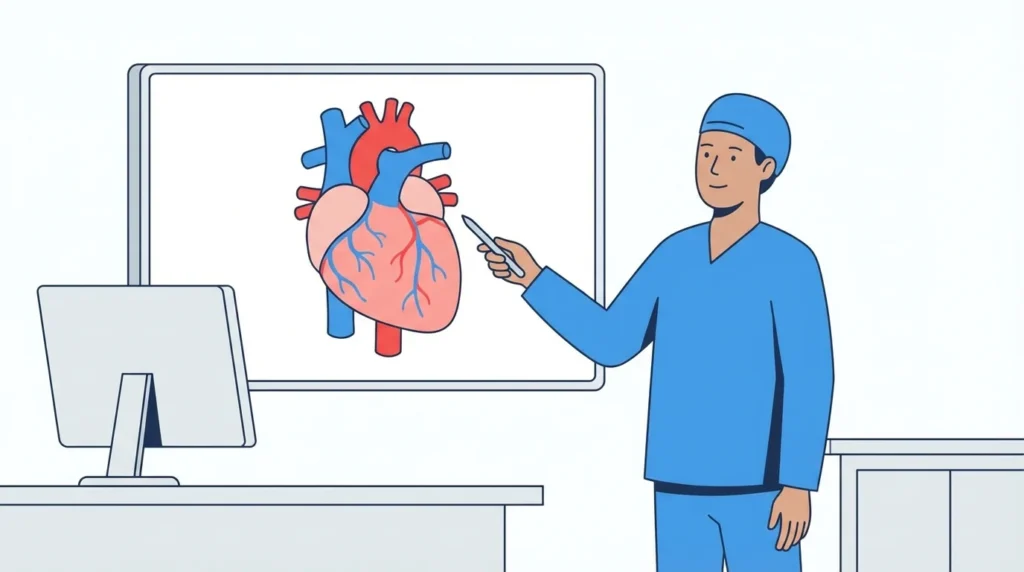
Humans possess distinctive physical attributes that separate us from other species. Key traits include:
- Upright Posture and Skeletal Structure: Our bipedal locomotion, supported by a unique skeletal framework, allows advanced mobility and manual dexterity.
- Advanced Brain Structure and Cognitive Capabilities: The human brain’s neocortex enables complex thinking, reasoning, and problem-solving abilities beyond other animals.
- Dexterity and Opposable Thumbs: Our hands are capable of precise manipulation, tool use, and crafting, essential for survival and development.
- Vocal Tract and Speech Capabilities: The evolved vocal apparatus facilitates sophisticated spoken language.
- Longevity and Extended Childhood Development: Longer lifespans and prolonged development periods nurture learning and socialization.
Genetic Makeup
Our genetic blueprint plays a crucial role in shaping who we are:
- DNA and Genetic Inheritance: Our genomes carry hereditary information that contributes to physical and some behavioral traits.
- Evolutionary Adaptations: Millions of years of evolution have fine-tuned human physiology and cognitive functions to suit diverse environments.
- Comparison with Other Species: Genetic similarities with primates underscore shared heritage, while differences highlight unique human traits.
Psychological Human Characteristics
Cognitive Abilities
The human mind exhibits remarkable complexity:
- Self-awareness and Consciousness: Humans understand themselves as separate entities with introspective thought.
- Abstract Thinking and Complex Reasoning: Ability to process ideas beyond the immediate senses, including hypothetical and symbolic concepts.
- Memory Formation and Knowledge Retention: Capacity to remember, learn, and pass knowledge through generations.
- Problem-solving and Innovation: Creative responses to challenges drive advancement.
Emotional Intelligence
Human emotions shape behavior and social interaction:
- Capacity for Complex Emotions: Empathy, compassion, joy, fear, and other emotions influence decision-making and relationships.
- Emotional Expression and Regulation: Humans communicate emotions verbally and non-verbally and manage them adaptively.
- Moral and Ethical Awareness: Understanding right and wrong guides social conduct.
- Creativity and Imagination: Emotions fuel art, storytelling, and innovation.
Social Human Characteristics
Communication and Language
Communication is central to human society:
- Complexity of Human Language: Structured languages with grammar support nuanced idea exchange.
- Symbolic Thinking and Abstract Communication: Use of symbols, metaphors, and writing extend communication beyond the immediate.
- Role of Language in Building Relationships: Facilitates coordination, empathy, and social bonding.
Relationship Building
Humans thrive in communities:
- Capacity for Deep Social Bonds: Friendships, families, and social groups provide emotional support.
- Cooperation and Collaboration: Shared tasks enable survival and prosperity.
- Tribal and Community Structures: Group identities shape behaviors and cultural norms.
- Cultural Inheritance and Knowledge Sharing: Transmission of customs and knowledge sustains societies.
Cultural Human Characteristics
Cultural Identity
Culture defines collective identities:
- Traditions and Belief Systems: Passed-down rituals and customs provide meaning and continuity.
- Values and Ethical Principles: Shared standards guide behavior.
- Artistic Expression and Creativity: Music, visual arts, literature enrich collective life.
- Religious and Spiritual Practices: Spiritual beliefs address existential questions.
Social Structures
Organized collective life shapes individual roles:
- Family Systems and Kinship: Define social responsibilities and support networks.
- Governance and Social Hierarchies: Structures regulate behavior and maintain order.
- Educational Systems: Enable knowledge transmission and skill development.
The Bridge: From Physical to Digital
How Human Traits Translate to Digital Space
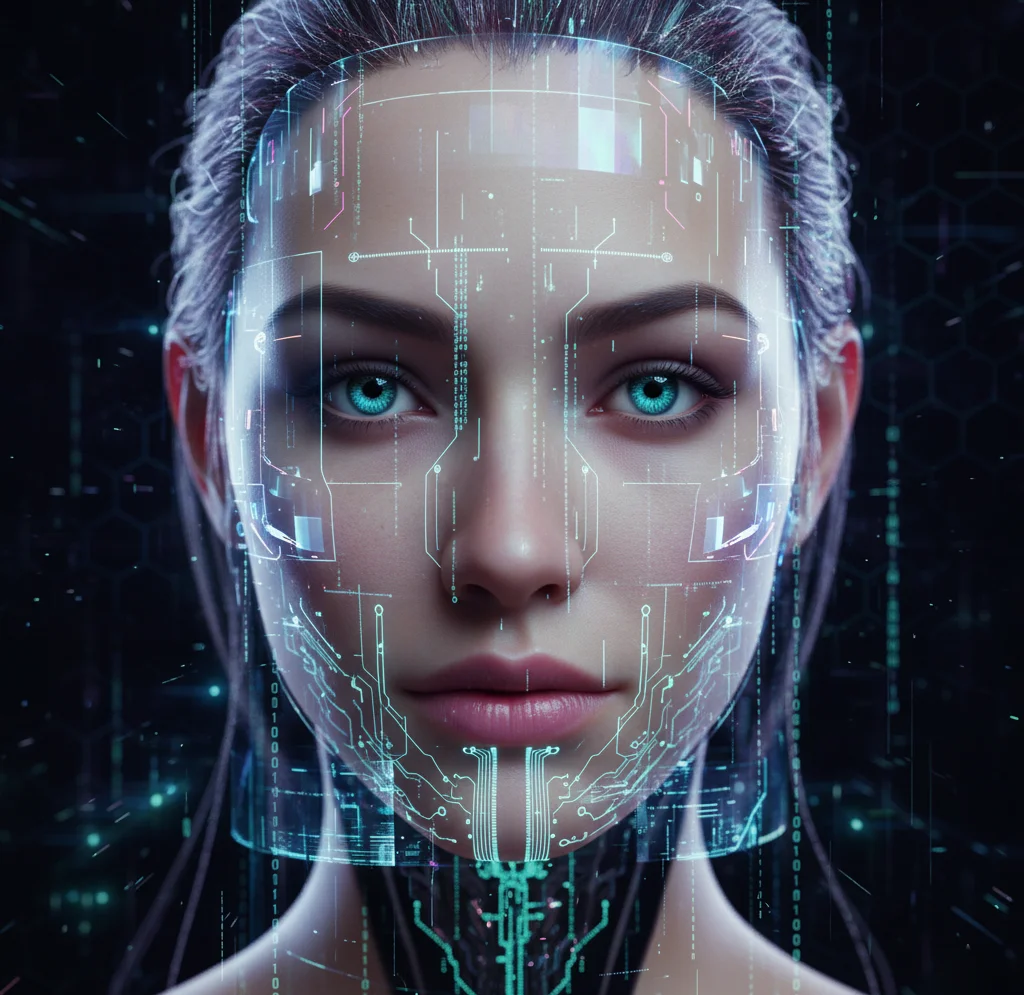
Our fundamental traits manifest in new ways online:
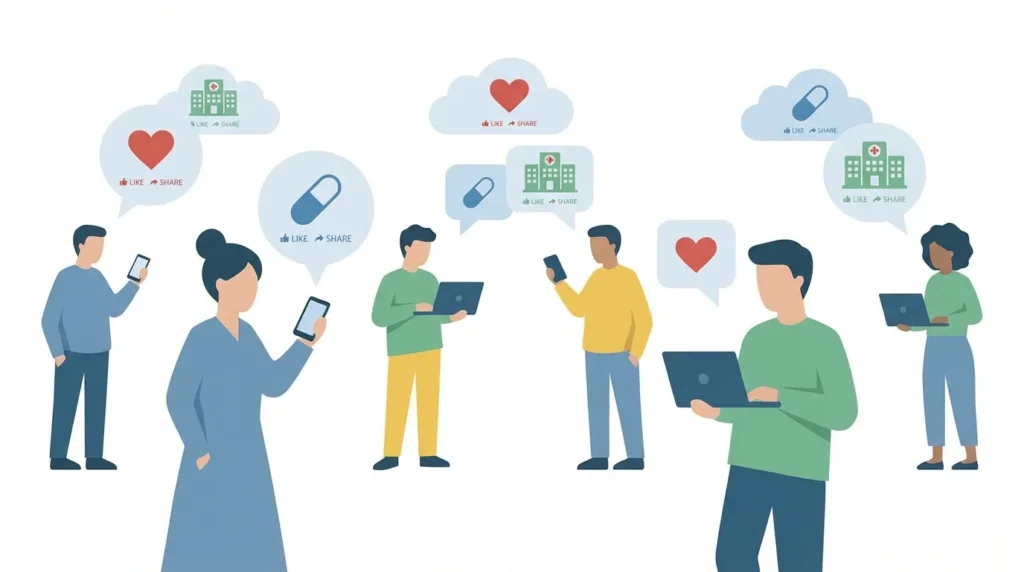
- Self-awareness Becoming Digital Personas: Online identities reflect aspects of the self.
- Communication Evolving to Online Platforms: Social media and messaging apps replicate human interaction.
- Creativity Expressed Through Digital Content: People create and share art, stories, and ideas digitally.
- Social Bonds Maintained in Virtual Environments: Digital communities foster relationships.
The Role of Technology in Amplifying Human Traits
Technology extends human capabilities:
- Extending Human Capabilities Through Tools: Digital tools enhance memory, communication, and creativity.
- Creating New Forms of Expression: Multimedia and virtual realities offer novel experiences.
- Enabling Global Connectivity: Geographic barriers diminish through digital networks.
Digital Identity: Biometric Technologies
Physiological Biometrics
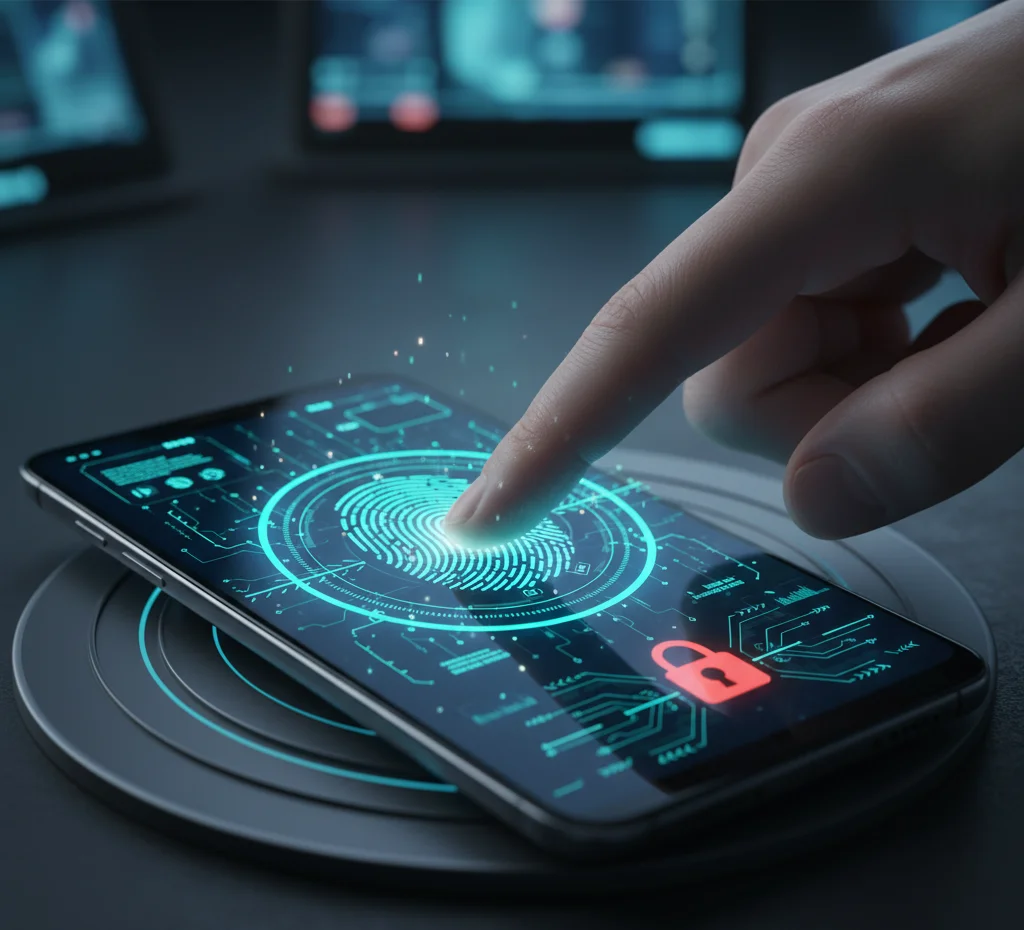
Biometrics use unique biological markers to verify identity:
- Fingerprint Recognition: Utilizes fingerprint patterns for authentication.
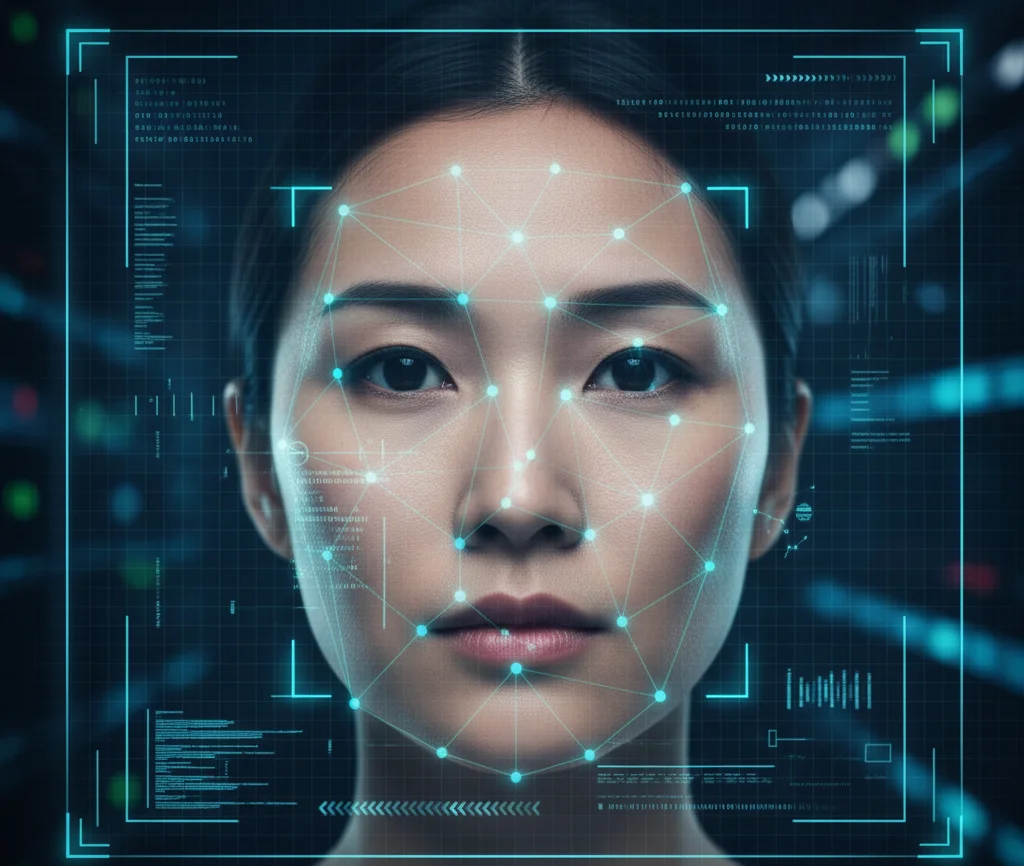
- Facial Recognition Technology: Maps facial features for identity confirmation.
- Iris and Retinal Scanning: Uses unique eye patterns.
- Voice Recognition Patterns: Identifies individuals via voice characteristics.
- DNA Analysis: The ultimate biometric identifier based on genetics.
Also Read: What Is an International Civil ID and Why It Matters
Behavioral Biometrics
These examine unique ways individuals behave:
- Typing Patterns and Keystroke Dynamics: Distinctive typing rhythm and speed.
- Gait Recognition: Unique walking patterns.
- Mouse and Touchscreen Usage Patterns: Behavior in interacting with devices.
- Voice Dynamics and Speech Patterns: Variations in tone and style.
- Signature Dynamics: Way a person signs documents.
How Biometrics Capture Human Identity
- Encoding Unique Human Characteristics: Biometric data captures traits distinct to each person.
- Security and Authentication Applications: Used in smartphones, banking, and border control.
- Real-World Use Cases: ID verification at airports, secure access to devices, and financial transactions.
Real-World Applications of Human Characteristics in Digital Identity
1. Banking and Financial Services
- Fingerprint Authentication at ATMs
- Facial Recognition for Mobile Banking
2. Government and Border Control
- Biometric Passports
- Immigration and Border Screening Systems
- Identity Verification for Government Services
3. Healthcare
- Patient Identification and Privacy Protection
- Access Control to Medical Records
- Telemedicine Identity Verification
4. E-Commerce and Consumer Services
- Mobile Payment Authentication
- Account Security and Fraud Prevention
- Personalized User Experiences
The Digital Self: Privacy and Ethical Considerations
Privacy Concerns
- Data Collection and Storage: Risks associated with storing sensitive biometric data.
- Identity Theft and Spoofing: Potential for fraudulent access.
- Regulatory Frameworks: Rules like GDPR, CCPA, and BIPA protect consumer rights.
Ethical Implications
- Consent and Data Ownership: Importance of informed consent.
- Equity and Accessibility Issues: Ensuring fair use across populations.
- Bias in Biometric Systems: Addressing inaccuracies and discrimination.
- Cultural and Social Impacts: Considering societal influences and reactions.
Frequently Asked Questions
Q1: What are the main categories of human characteristics?
A: Biological, psychological, social, and cultural traits define humans.
Q2: How do biometrics work for identity verification?
A: By capturing unique physical or behavioral characteristics, biometrics confirm identity.
Q3: What’s the difference between physiological and behavioral biometrics?
A: Physiological biometrics use physical traits; behavioral biometrics analyze actions.
Q4: How are human characteristics protected in digital systems?
A: Through encryption, strict regulations, and privacy controls.
Q5: What are the privacy risks of biometric technologies?
A: Risks include data breaches, misuse, and unauthorized surveillance.
Q6: What does the future of digital identity look like?
A: Trends include AI integration, decentralized identities, and enhanced security.
Q7: Are biometric systems accurate and reliable?
A: Modern systems have high accuracy but face challenges like bias and spoofing.
Q8: What is self-sovereign identity?
A: A new model giving individuals full control over their digital identity.
Conclusion
Human characteristics—from our biological essence to our digital identities—form the core of who we are. As technology evolves, these traits find new forms and applications, powering security, personalization, and connection in the digital age. Understanding this journey helps us appreciate the complex interplay between our nature and innovation. Balancing advancements with privacy and ethics ensures our digital selves reflect the richness of human identity.