Identity verification has become a critical part of processes like hiring, licensing, immigration, and public safety in an increasingly digital and mobile world. Traditional paper-based methods often struggle to keep up with the need for speed, accuracy, and security, especially when large volumes of background checks are involved. Live Scan digital fingerprinting addresses these challenges by capturing and transmitting fingerprints electronically, significantly improving processing time and data quality.
Live Scan is used across government and commercial sectors to support fingerprint-based background checks, replacing ink-and-card systems with a faster, cleaner, and more reliable approach. This blog explains what Live Scan is, how the technology works, what the process looks like step by step, and where it is used, based strictly on documented sources and industry practice.
What is Live Scan?
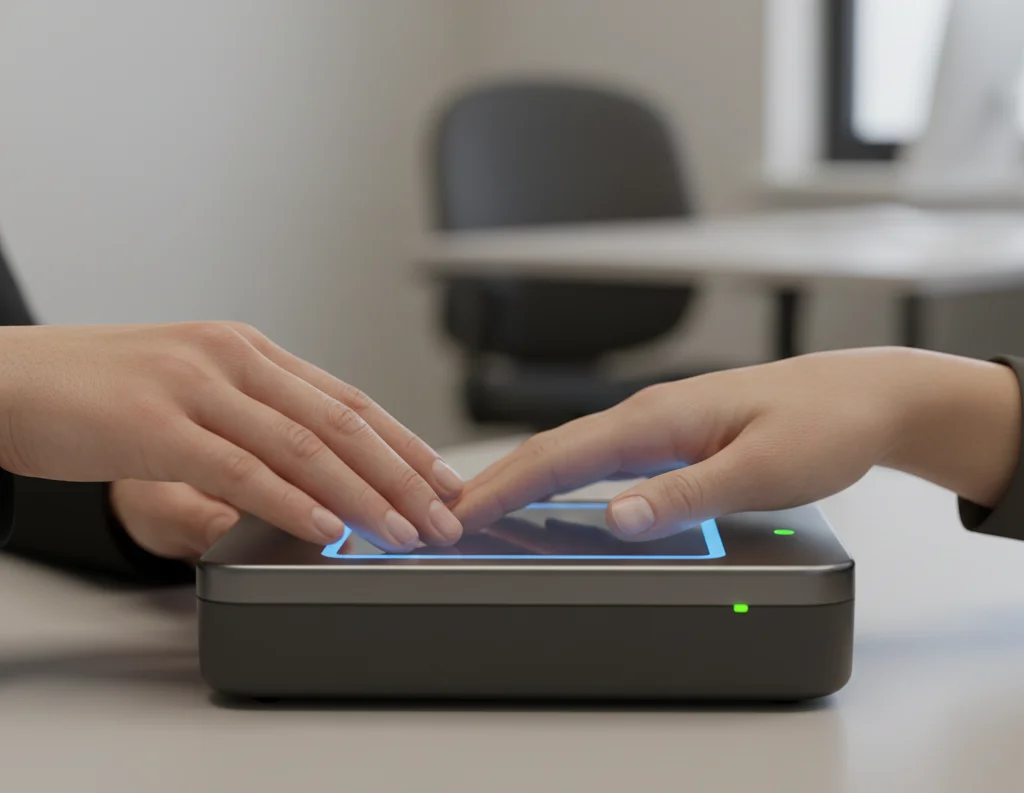
Live Scan is an electronic fingerprinting method that captures an individual’s fingerprints digitally and transmits them directly to state or federal agencies for background checks. Instead of rolling fingers in ink and pressing them on paper cards, fingerprints are scanned via a sensor, converted to a high‑quality digital image, and securely sent to systems such as state repositories or the FBI.
Compared to traditional ink-and-paper fingerprinting, Live Scan is faster, cleaner, and less prone to smudging or illegible prints. Agencies can receive submissions almost instantly over secure networks, which reduces mailing delays and manual handling while improving match accuracy in automated fingerprint identification systems.
Live Scan plays a key role in modern identity and background screening because it provides a standardized, high‑quality way to collect biometric data at scale. Many jurisdictions now require Live Scan for fingerprint-based checks tied to employment, licensing, or public safety, making it a default method in many regulated workflows.
The Technology Behind Live Scan
Live Scan systems combine specialized hardware and software to capture, validate, encrypt, and transmit fingerprint data. A typical setup includes a fingerprint scanner, dedicated software, and a connected workstation or integrated terminal that communicates with back‑end databases.
At a high level, a Live Scan system usually consists of:
- Fingerprint scanner: An optical, capacitive, or similar biometric sensor that captures rolled and flat (plain) fingerprint images directly from the fingers.
- Live Scan software: Application software that guides the operator, performs real‑time quality checks, formats data according to agency standards, and encrypts submissions.
- Workstation or terminal: A computer or all‑in‑one device that runs the software, interfaces with peripherals (e.g., scanner, camera, signature pad), and handles network communication.
Modern scanners support multiple fingerprint capture modes, including individual rolled impressions, flat impressions, and multi‑finger “slap” captures. Rolled prints capture the full ridge detail as the finger rolls from one side to the other, while plain impressions capture the central portion of the fingertip with a simple press. Multi‑finger slaps allow simultaneous capture of several fingers, which speeds up processing and supports cross-validation of identity.
Some Live Scan devices incorporate or integrate with liveness detection mechanisms designed to distinguish live skin from spoof materials such as molds or printed replicas. These techniques might analyze skin properties, response to pressure, or other physical characteristics to reduce the risk of presentation attacks. While not every unit includes advanced liveness features, this capability is increasingly common in higher‑security deployments and integrated biometric platforms.
The software layer performs critical checks and transaction handling during a Live Scan session. It evaluates ridge clarity, contrast, and completeness in real time, prompting the operator to recapture any finger that does not meet quality thresholds specified by agencies such as the FBI or state repositories. Once all required prints and associated demographic data are accepted, the system packages them in standardized formats (such as EBTS‑compliant records) and transmits them via secure, encrypted channels to designated systems like AFIS or ABIS.
How Live Scan Works: Step-by-Step Process
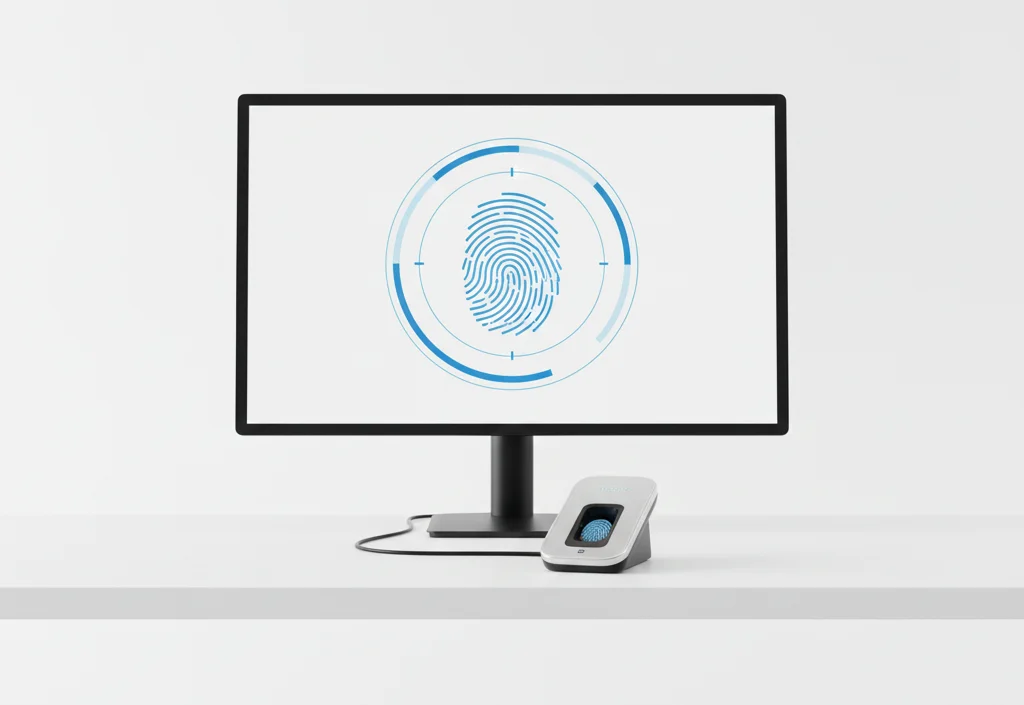
Live Scan fingerprinting follows a structured workflow designed to satisfy the requirements of the requesting agency and the applicable regulations. While exact steps vary by jurisdiction, the core stages are broadly similar across providers and states.
1. Pre-scan requirements
Before the actual fingerprint capture, the applicant typically completes specific forms or receives a request identifier from the agency that requires the background check. These forms often include the requesting agency’s details, the purpose of the check (such as employment or licensing), and any billing or routing numbers that tell the destination system how to handle the submission.
Applicants must bring valid government-issued identification (such as a driver’s license or passport) so the Live Scan operator can verify identity. In some jurisdictions, the applicant may also need appointment confirmation, payment, or additional documentation if required by the regulatory body.
2. The fingerprint scanning session
Once documentation and identity are confirmed, the certified Live Scan operator guides the applicant through the fingerprint capture process. The applicant is positioned at the scanner, and each finger is placed on the platen according to on‑screen prompts or operator instructions.
During the session, the system captures rolled impressions, flat impressions, and any required multi‑finger slaps, depending on the agency’s standards. The software evaluates each image as it is taken, indicating whether it meets quality criteria or needs to be retaken because of smudging, low contrast, or improper placement. In many routine cases, the actual scanning segment of the appointment can be completed within several minutes when there are no quality issues.
Throughout the process, the operator may also capture a photograph or digital signature if the requesting agency requires biometric photos or signed acknowledgments as part of the submission. All of this information is bound to the fingerprint record to form a single transaction for the background check.
3. Transmission to agencies
After all data elements are collected and validated, the operator initiates the electronic submission. The Live Scan system encrypts the transaction and sends it to the designated state or federal repository, such as a state Department of Justice, a state police system, or the FBI’s fingerprint database.
The receiving agency ingests the record and runs the fingerprints against criminal history databases or other authorized repositories to look for matching records. The turnaround time for results can vary widely depending on the jurisdiction, workload, and whether both state and federal checks are requested, ranging from near real‑time responses to several days or weeks.
The entire Live Scan appointment, including administrative steps and fingerprint capture, typically takes only a few minutes under normal circumstances. However, factors like high traffic at the site, complex forms, or repeated quality failures can extend the total visit time beyond the scanning itself.
Applications of Live Scan Technology
Live Scan is used wherever reliable fingerprint-based background checks or identity verification are mandated or strongly recommended. Many of these use cases are defined in law, regulation, or policy, especially where public safety or vulnerable populations are involved.
1. Employment background screening
Employers in regulated or sensitive sectors often rely on Live Scan to satisfy statutory or policy-driven background check requirements. Examples include roles in childcare, elder care, financial services, law enforcement, and other positions of trust where fingerprint-based checks are mandated by state or federal rules.
In such scenarios, the employer or a designated agency provides the codes or identifiers needed on the Live Scan form so that the results are routed back to the correct organization. This enables more informed hiring decisions by revealing disqualifying criminal history when that information is legally authorized for disclosure.
2. Professional licensing and certification
In many jurisdictions, boards that license professionals such as teachers, healthcare workers, real estate agents, and security personnel require applicants to complete a Live Scan check. The fingerprints are used to confirm identity and to determine whether the applicant’s criminal history is compatible with the responsibilities of the licensed role.
Licensing authorities usually specify which Live Scan service providers can be used and how applicants should fill out the forms, including agency identifiers and routing numbers. This alignment reduces administrative errors and ensures the results are delivered to the correct licensing body for evaluation.
3. Volunteer background checks

Organizations that work with children, seniors, or other vulnerable groups may require volunteers to undergo Live Scan fingerprinting, depending on local law and organizational policy. This is particularly common in schools, youth programs, and certain non‑profits where risk management practices emphasize background screening.
Using Live Scan for volunteers enables organizations to conduct more thorough checks than name-only screenings, which can be affected by aliases or incomplete demographic data. Fingerprint-based background checks add another layer of assurance that individuals in close contact with vulnerable populations have been vetted in accordance with applicable standards.
4. Visa and immigration processing
Some immigration and visa processes require applicants to submit fingerprints as part of biometric enrollment and background checks. In jurisdictions that use Live Scan or equivalent electronic systems, fingerprints are captured digitally and forwarded to national databases for identity verification and security screening.
Digital capture supports faster sharing of biometric data with relevant authorities and reduces the chance of errors that might otherwise delay applications. This approach aligns with broader global trends toward biometric identity management in immigration and border control.
5. Adoption and foster care checks
Adoption and foster care processes typically involve rigorous background screening of prospective parents or caregivers. Live Scan may be required to ensure that fingerprint-based criminal history checks are performed before children are placed in a home.
Using electronic fingerprinting enables child welfare agencies to receive information more quickly than with traditional ink card submissions. Faster and more reliable results support more timely placement decisions while maintaining safeguards intended to protect children.
Also Check: What Is a Fingerprint Background Check? A Complete Guide
Benefits of Live Scan Over Traditional Methods
Live Scan has been widely adopted because it offers clear advantages over ink‑and‑card fingerprinting in terms of speed, quality, and operational efficiency. These benefits are reflected in agency guidelines and in the shift of many processes to electronic-only submissions.
1. Speed and efficiency
With traditional methods, fingerprint cards must be physically mailed to agencies, manually scanned, and then processed, adding days or weeks to turnaround times. Live Scan eliminates postal delays by transmitting fingerprint records electronically, often within seconds or minutes of capture.
This reduction in handling not only speeds up background checks but also enables agencies to process higher volumes with the same or fewer resources. For applicants and organizations, faster results can accelerate hiring, licensing, or approval decisions tied to the checks.
2. Accuracy and minimized errors
Ink-based fingerprinting is susceptible to smudging, incomplete impressions, and inconsistent pressure, all of which can degrade image quality. Poor-quality cards may be rejected, forcing applicants to repeat the process and causing additional delays.
Live Scan systems apply automated quality checks on each capture and prompt for immediate recapture if the standards are not met. This continuous feedback generally results in clearer, more consistent images that improve match reliability in fingerprint databases and reduce the need for resubmissions.
3. Enhanced security and privacy of data
Physical fingerprint cards can be misplaced, copied, or accessed by unauthorized parties during transit or storage if procedures are not followed. Live Scan replaces much of this manual handling with encrypted, electronic transmission directly from the capture device to authorized agencies.
Many Live Scan workflows are governed by detailed security standards and audit controls at both the provider and agency level. These controls typically address data encryption, access management, logging, and retention, helping to protect sensitive biometric and personal information throughout its lifecycle.
4. Convenience for individuals and organizations
Live Scan is generally perceived as more convenient for applicants than inked fingerprinting because the appointment is shorter and the process is cleaner. In many regions, there are multiple Live Scan service locations, and some providers offer mobile units that travel to employers, schools, or events to process groups on site.
For organizations, electronic fingerprinting simplifies coordination and record‑keeping because submissions and results are tracked electronically instead of via paper cards. This can streamline compliance workflows and reduce administrative overhead in programs that require recurring or large‑scale checks.
5. Environmental benefits
Ink-and-card fingerprinting relies on physical materials such as ink, paper cards, and envelopes, which must be manufactured, transported, and eventually disposed of. Over time, these manual processes can generate substantial paper usage and waste for high‑volume programs.
By shifting most transactions to digital capture and electronic transmission, Live Scan reduces reliance on physical fingerprint cards and associated shipping materials. While the overall environmental impact depends on many factors, electronic submissions typically contribute less paper waste than traditional methods at scale.
Finding a Live Scan Provider
Locating a Live Scan provider is usually straightforward in jurisdictions where electronic fingerprinting is widely deployed. Applicants can often choose from a mix of government-run locations and private vendors that are certified by state or federal authorities.
Many state or local justice departments maintain online directories or locator tools where users can search for authorized Live Scan sites by city, zip code, or county. Private fingerprinting networks and some background check service providers also publish lists of their participating locations and contact details.
In addition to fixed sites, some vendors operate mobile Live Scan services that bring equipment to workplaces, schools, or community locations. This model is particularly useful when organizations need to process large groups—such as new hires, volunteers, or license applicants—within a short timeframe at a single location.
To prepare for a Live Scan appointment, applicants should:
- Bring a valid government-issued photo ID, such as a driver’s license or passport, for identity verification.
- Bring the correct request or referral form from the employer, agency, or licensing body, including any required codes or identifiers.
- Confirm fees, accepted payment methods, and whether an appointment is required before arriving.
Following these steps reduces the likelihood of delays and ensures that the fingerprints and results are correctly linked to the intended background check.
Conclusion
Live Scan is a digital fingerprinting solution that captures high‑quality fingerprint images and transmits them electronically for background checks, offering clear advantages over traditional ink‑and‑card methods. By combining specialized scanners, quality‑driven software, and secure transmission protocols, Live Scan supports faster, more accurate, and more convenient identity verification across employment, licensing, volunteer, immigration, and child‑welfare contexts.
Its evolution from manual paper-based workflows to fully electronic systems reflects broader trends in biometrics and digital identity, where speed, security, and scalability are essential. As Live Scan technology continues to develop and integrate with other biometric and information systems, it is positioned to remain a central tool for organizations and agencies that depend on trustworthy fingerprint-based checks.