The world of mobile technology evolves constantly, bringing simpler, faster, and smarter ways to stay connected. One such advancement is the eSIM, a feature now available in many modern smartphones and devices. The move from traditional physical SIM cards to embedded SIM technology marks a significant shift in how we manage network connectivity, especially as the Internet of Things (IoT) expands.
In this comprehensive guide, we will explore what an eSIM is, how it works, why it matters in today’s digital world, its advantages and drawbacks, and how to stay secure while using one.
What is an eSIM?
An eSIM stands for Embedded Subscriber Identity Module. It is a small programmable chip permanently embedded into a mobile device’s hardware, unlike a physical SIM card that must be inserted or removed manually.
Its key purpose remains the same:
To securely identify a user on a mobile network and enable cell connectivity.
Instead of replacing SIM cards physically, users can now digitally download and activate mobile network profiles on their device. This makes it possible to switch carriers, update plans, and use international networks without ever handling a SIM tray.
The adoption of eSIMs is growing rapidly across:
- Smartphones
- Smartwatches
- Laptops and tablets
- Connected cars
- Health wearables
- Smart home and IoT systems
As industries move toward compact, secure, and efficient digital systems, eSIM technology is becoming the new standard.
How Does an eSIM Work?
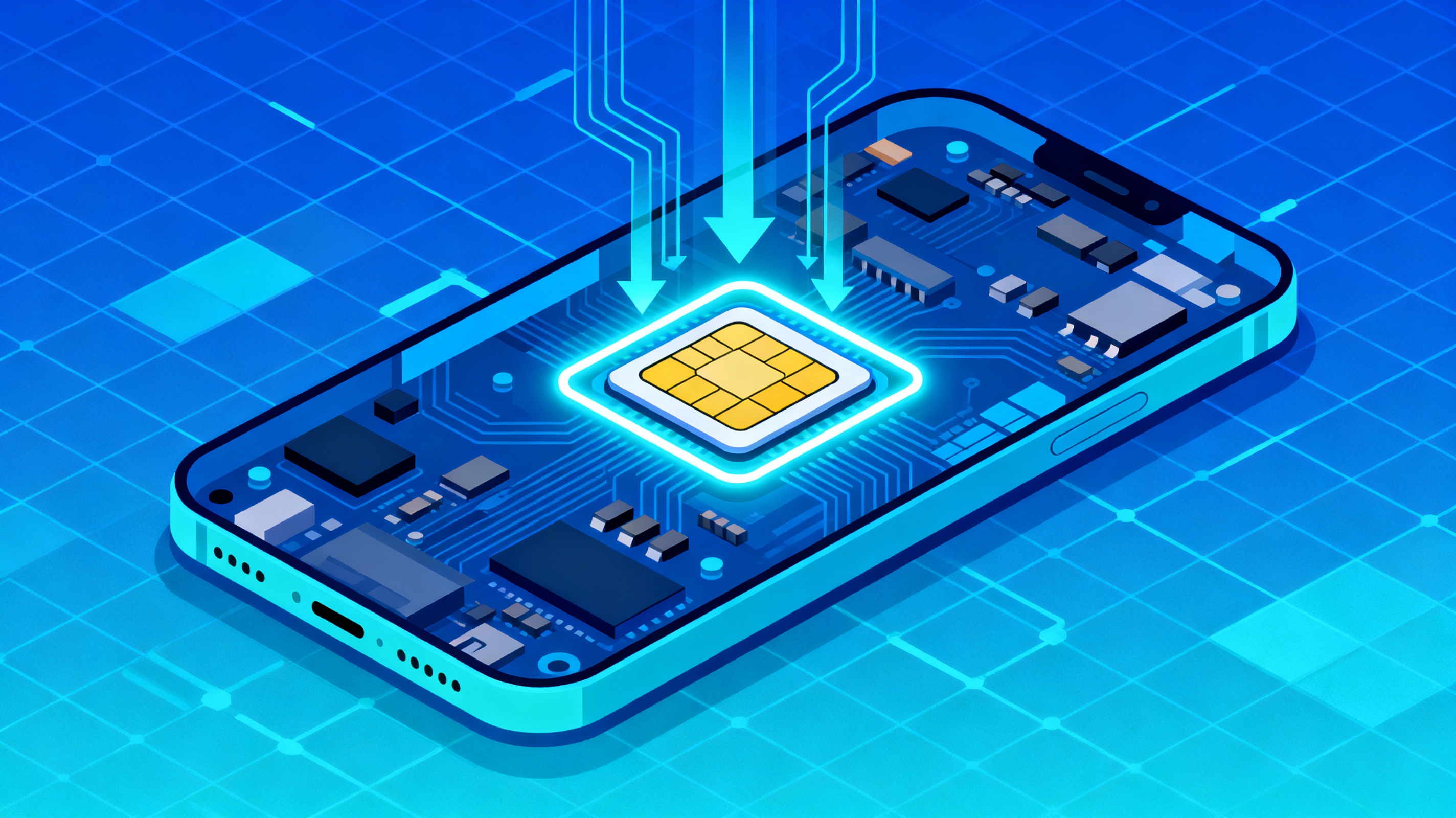
To understand eSIM technology, let’s briefly recap how a SIM works.
A SIM contains:
- International Mobile Subscriber Identifier (IMSI)
- Authentication key
- Network carrier information
This data validates your device on a service provider’s network, allowing calls, messaging, and mobile data access.
With an eSIM:
- The SIM functionality is built into the device’s motherboard.
- Network profiles are installed through QR codes, mobile apps, or directly from carrier settings.
- There is no physical card to insert, remove, or lose.
This digital provisioning process is secure and convenient and enables multiple mobile profiles on one device.
Key Uses of eSIM Technology
International Travel
Travelers often face challenges with roaming fees and SIM card availability. eSIM solves these issues by offering:
- Ability to download local data plans instantly
- Avoidance of expensive international roaming
- No need to search for kiosks or provide ID documents to buy SIM cards
Switching between home and travel numbers becomes seamless and hassle-free.
Personal and Business Connectivity
Many professionals juggle separate phone numbers for work and personal life. With an eSIM:
- You can store multiple numbers on one device
- You can switch between profiles instantly
- No need for multiple phones or SIM swapping
This feature is especially useful for business travelers and remote workers.
Internet of Things and Future Devices
eSIMs are becoming a crucial part of connected ecosystems:
- Smart vehicles with built-in network access
- GPS trackers for logistics
- Wearables that function independently of phones
As IoT grows, eSIMs will provide fast and scalable mobile connectivity without physical limitations.
Advantages of an eSIM
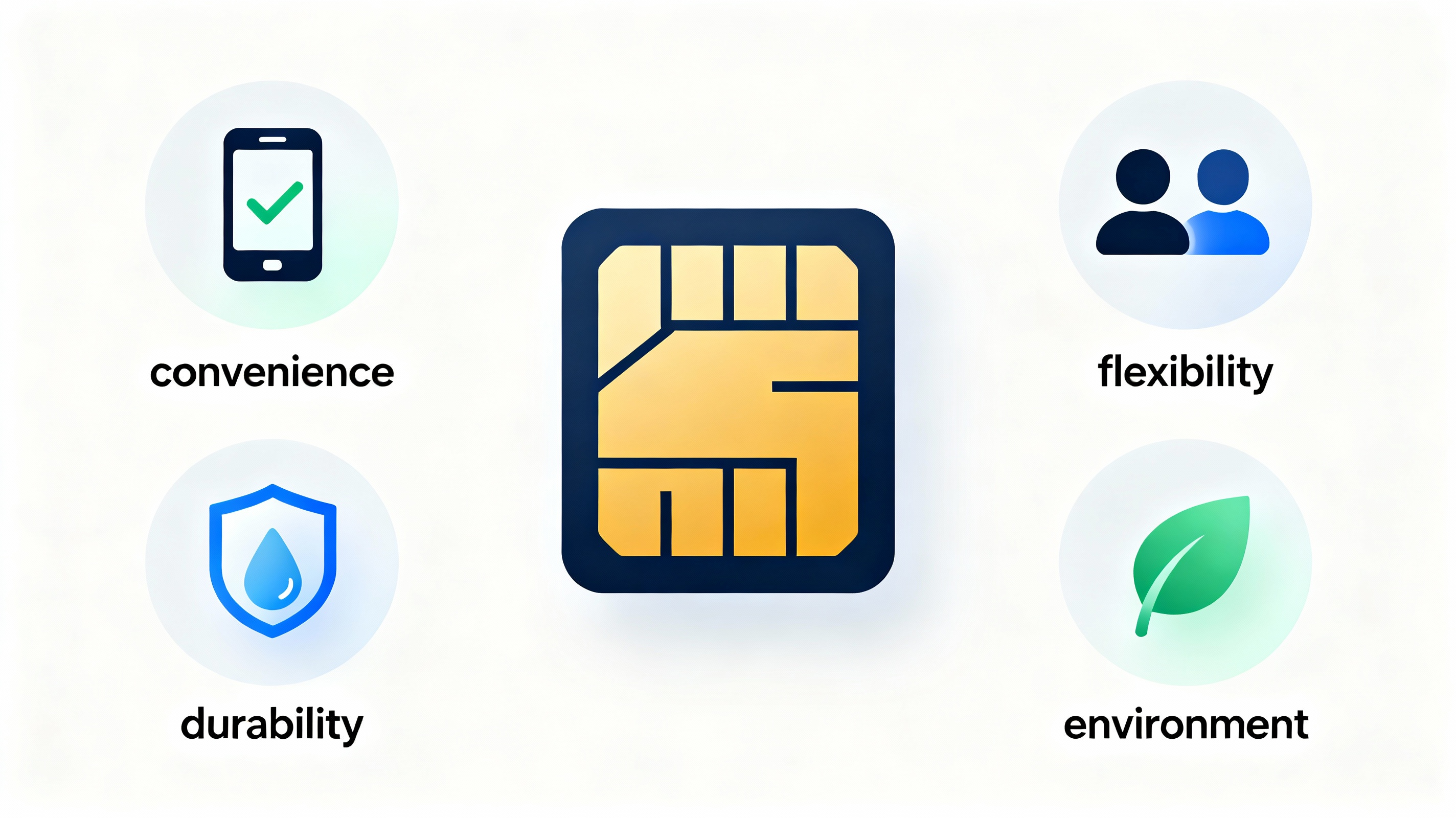
Convenience
Activation happens digitally through a carrier app or QR code. Users no longer depend on:
- Visiting stores
- Physically inserting SIM cards
- Carrying tiny cards when switching devices
Flexibility
Devices can store multiple cellular profiles, allowing:
- Different numbers for different purposes
- Regional plans optimized for location
- Instant carrier switching
This flexibility supports a modern mobile lifestyle.
Durability and Better Device Design
Because there is no slot:
- Water and dust resistance improves
- Less chance of damage or SIM card wear
- More internal space for better battery and hardware
Manufacturers are leaning heavily into this technology as it enables sleeker models.
Environmental Benefits
Traditional SIM cards contribute to plastic waste and emissions during manufacturing. eSIMs:
- Eliminate SIM plastics entirely
- Reduce packaging and logistics waste
This helps build a more sustainable tech world.
Disadvantages of eSIM
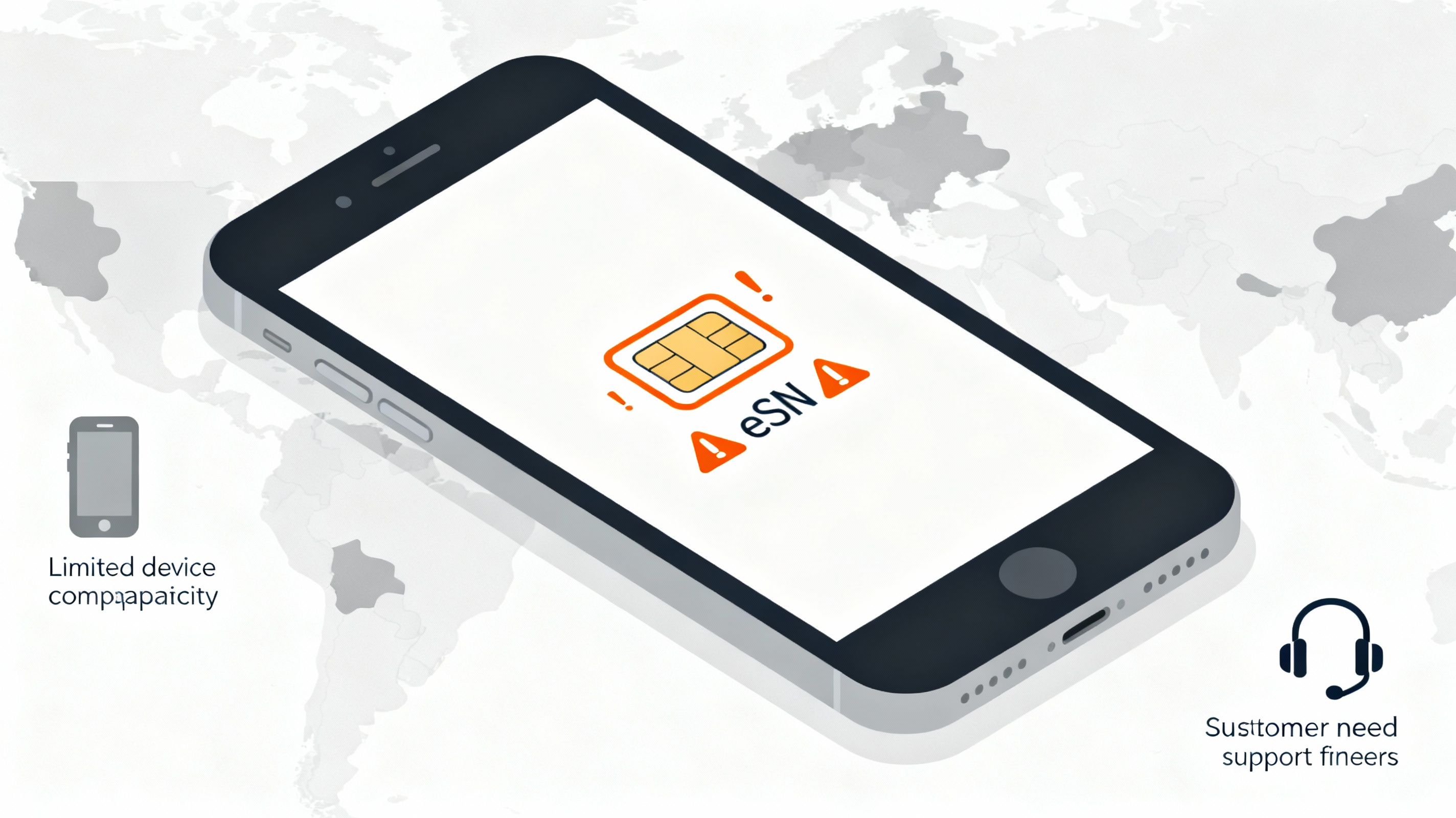
Despite its benefits, eSIM adoption is still growing and has a few limitations:
Compatibility
Not all devices support eSIM yet, particularly older or budget models.
Availability
Some countries and mobile carriers do not yet offer eSIM services.
Recovery Challenges
If a phone is damaged or lost:
- Transferring a number can require carrier assistance
- The process is sometimes more complex than swapping a physical SIM
As technology improves, this is expected to become more seamless.
Are eSIMs Secure?
eSIMs eliminate physical security risks like SIM theft or cloning by removing the card entirely. Remote provisioning through secure authentication makes it significantly harder for attackers to tamper with SIM data.
However, as with any connected device, cyber risks still exist.
Also Read: What Is Doxing? Definition and Explanation
Some of the primary threats include:
- Malware attacks targeting sensitive information
- Phishing attempts leading to unauthorized access
- Data leaks from apps with excessive permissions
- Public Wi-Fi interception during activation or plan downloads
- Spyware installed to monitor activity and location
These risks highlight the importance of strong mobile cybersecurity practices.
How to Protect Your eSIM and Mobile Data
You can enhance mobile and eSIM safety by following best practices:
Steps to Stay Secure
- Always update your operating system and apps
- Use strong and unique passwords with biometric locking
- Avoid connecting to untrusted public Wi-Fi networks
- Review app permissions and remove unnecessary access
- Enable device tracking to protect lost or stolen phones
- Install a trusted mobile security app for malware defense
- Be cautious with links and attachments received via SMS or email
Security awareness remains your strongest protection.
Why eSIM Is Ideal for Travelers
When traveling, staying connected securely is essential. eSIM technology helps avoid:
- High international roaming charges
- Fake free Wi-Fi networks used by cybercriminals
- Identity risks associated with registering local SIM cards
Travelers can download a plan before arriving at their destination and activate instant data while landing. The convenience and safety make it a powerful option for global mobility.
Future of eSIM Technology
The tech industry is rapidly transitioning toward eSIM-only products:
- Leading smartphone manufacturers now release eSIM-exclusive models
- Vehicles and smart wearables are incorporating permanent mobile connectivity
- The global shift toward IoT will accelerate adoption
As availability expands, eSIMs will likely replace SIM cards entirely in the near future.
Conclusion
The eSIM represents the next generation of mobile connectivity. It simplifies how users access network services, improves device durability, supports global connectivity and offers major convenience to both individuals and businesses.
While cybersecurity risks still apply, smart usage and proper mobile protection can ensure a secure experience. With widespread adoption already underway, the shift to eSIM technology signals a more flexible and efficient digital future.
Whether you are a frequent traveler, a remote worker, or an everyday smartphone user, eSIM offers a modern way to stay connected effortlessly and safely.
FAQs
What is the difference between an eSIM and a traditional SIM?
A traditional SIM is physical and must be inserted into the device. An eSIM is embedded, activated digitally, and cannot be physically removed.
Can I use multiple numbers on a single phone with an eSIM?
Yes, many smartphones support multiple eSIM profiles, allowing separate numbers for work and personal use.
Do all mobile phones support eSIM?
Currently, only selected mid-range and premium smartphones support eSIM. Budget models may still require physical SIMs.
Can an eSIM reduce roaming charges?
Yes, travelers can download local data plans from carriers to avoid expensive roaming costs.
Is an eSIM more secure?
Generally, yes. It reduces risks like physical theft or SIM swapping attacks but still requires cybersecurity awareness and protection.
How do I activate an eSIM?
Activation usually happens by scanning a QR code or installing a digital SIM profile through your carrier’s app or phone settings.
Can I transfer my eSIM to a new phone?
Yes, but the process may require assistance from your network provider, depending on their policies and technology support.