An International Civil ID is a government-issued identity document that uniquely identifies an individual across borders and within national systems. In today’s fast-paced digital world, understanding what an International Civil ID is and why it matters is essential for citizens, governments, and organizations. Civil ID systems have been increasingly adopted worldwide, transforming how identities are verified and managed to foster transparency, security, and inclusive access to services.
What Is International Civil ID?
International Civil ID refers to a legal identity document that establishes a person’s unique identity through official verification, registration, and secure management of personal data. These systems often use a combination of:
- A unique identification number
- Biometric data such as fingerprints, facial recognition, or iris scans
- Personal information like name, date of birth, citizenship, and residency status
- Embedded digital security features like smart cards or contactless chips
Civil ID systems come in several forms, including national ID cards, voter IDs, social welfare identification programs, and increasingly digital IDs that complement or replace paper-based documents.
How International Civil ID Systems Work
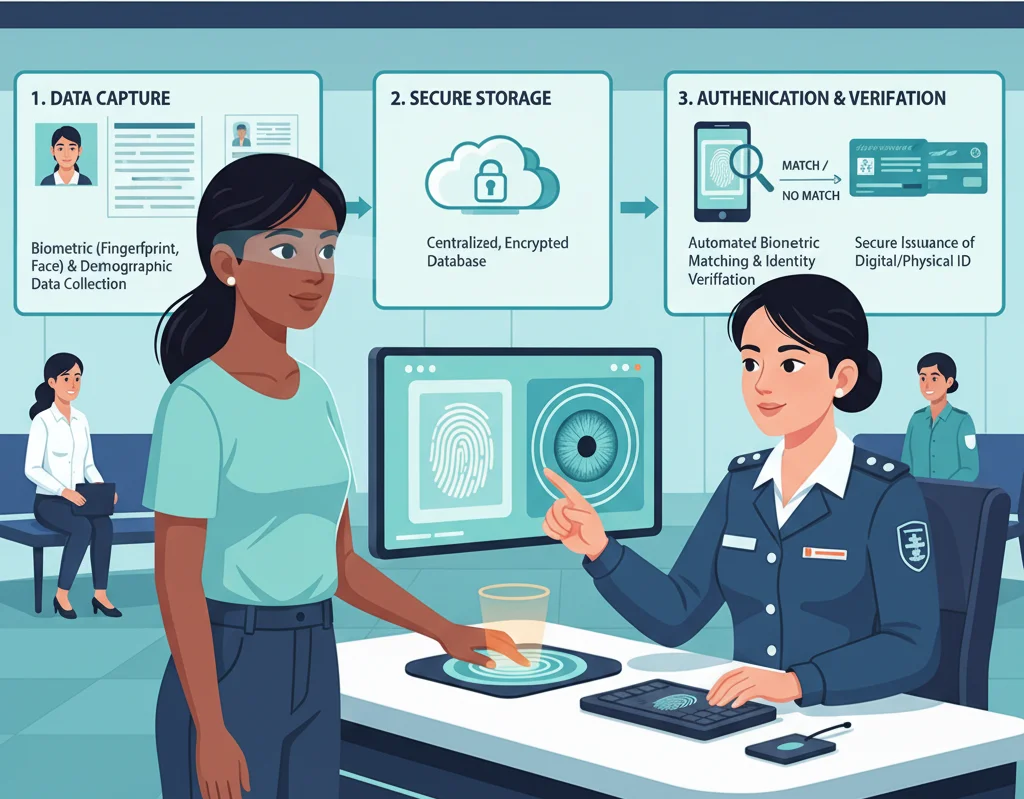
Typically, an individual registers for a Civil ID by submitting biometric data and personal details at authorized enrollment centers. The data is stored in centralized or federated databases that support identity authentication and fraud prevention. Technologies such as biometric matching and smart card verification help governments authenticate identities securely.
Notable examples include:
- India’s Aadhaar program, the largest biometric ID system globally
- The UAE’s Civil ID system, with a 15-digit unique identification number
- Kuwait’s Mobile ID initiative providing digital identity services via smartphones
- Various European countries implementing advanced digital ID cards with biometric chips
Key Benefits of International Civil ID
For Governments:
- Accurate and efficient citizen identification and identity authentication
- Enhanced transparency and fraud prevention in social and welfare programs
- Improved border security and voting system integrity
- Better tax administration and service delivery
For Citizens:
- Simplified and secure access to government and financial services
- Remote access capabilities allowing online authentication for various transactions
- Environmental benefits through reduced reliance on paper documentation
- Financial inclusion by enabling easier banking and formal economy participation
Also Read: Tracking Time-and-Attendance with Biometrics: A Modern Approach to Workforce Management
Global Implementation: Current Landscape
International Civil ID adoption spans the globe:
- Asia: India, UAE, Israel, and Iraq have implemented biometric Civil ID systems
- Europe: Countries like Belgium, Netherlands, and Italy lead in digital ID usage
- Africa: Several nations are investing in biometric national ID programs
- Latin America and the Caribbean are expanding digital civil registries
These efforts align with international standards, such as ISO biometric data protocols and ICAO’s biometric travel document regulations.
Why International Civil ID Matters
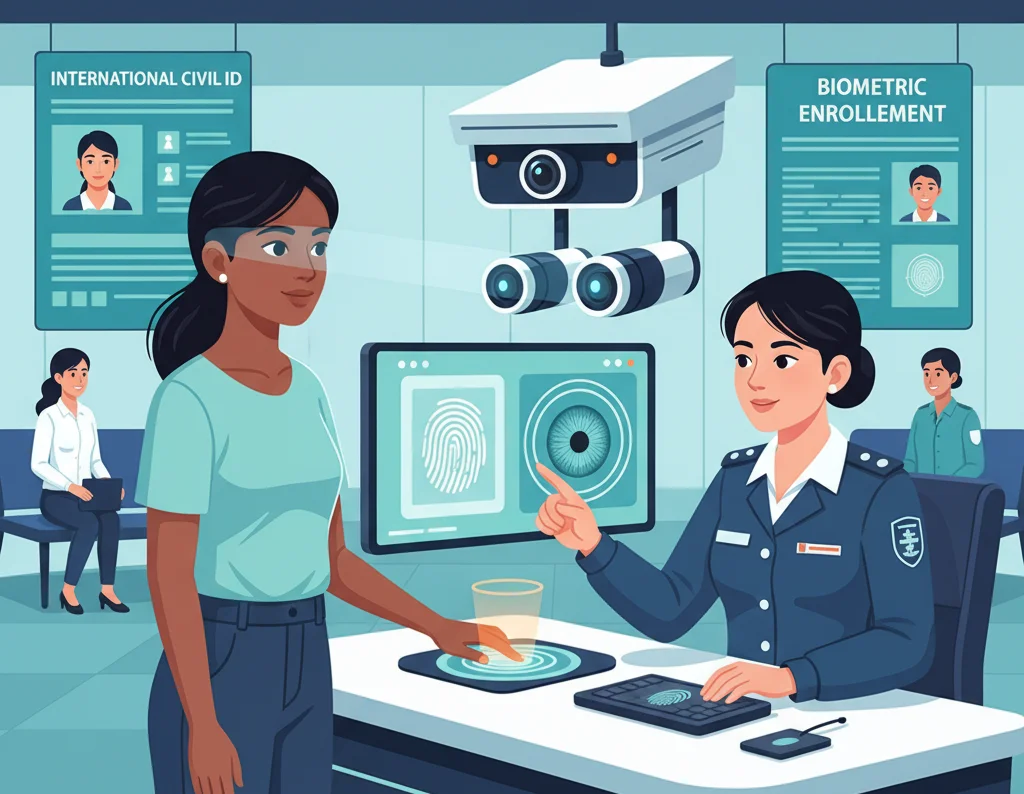
International Civil ID systems support key global development goals, including the United Nations’ Sustainable Development Goal 16.9, which aims to provide a legal identity for all by 2030. They are foundational to modern e-government initiatives, enabling secure digital services and fostering economic growth through financial inclusion. In public health and safety, civil ID systems aid in delivering healthcare and managing crises effectively. Moreover, they help address the global challenge of over one billion people lacking officially recognized identity.
Challenges and Considerations
Technical Challenges:
- Infrastructure limitations in rural and underserved areas
- High costs and complexity of biometric system deployment
- Interoperability between legacy and modern systems
Privacy and Security Risks:
- Potential for data breaches and misuse of personal data
- Concerns about government surveillance and data tracking
- Risks of unauthorized access leading to identity theft
Implementation Barriers:
- Insufficient government capacity and expertise in low-resource settings
- Public mistrust and low awareness of digital ID benefits
- Risk of excluding vulnerable populations lacking documentation
Legal and Regulatory Issues:
- Need for strong data protection regulations
- Challenges in cross-border ID recognition and mutual trust
- Requirement for transparent governance and accountability mechanisms
Best Practices for Successful Implementation
Successful International Civil ID systems emphasize:
- Robust civil registration as a foundation
- Inclusive design tailored for marginalized groups
- Privacy-by-design to protect user data and prevent misuse
- Transparent communication and active public engagement
- Continuous security audits and legislative oversight
Conclusion
International Civil ID is a transformative technology that promises to enhance governance, citizen engagement, and economic participation globally. While the complexity and challenges involved are significant, thoughtful implementation balancing security, privacy, and inclusivity will unlock vital benefits for societies worldwide. Governments and stakeholders must collaborate closely to realize this vision and ensure identity systems empower all citizens.