Global travel has grown rapidly over the past few decades. Every year, millions of people cross international borders for work, education, tourism, and business. With this increase in movement, governments face a major challenge: how to keep borders secure while ensuring that genuine travelers are not delayed or inconvenienced.
Traditional border security methods mainly depend on physical documents such as passports, visas, and manual checks by immigration officers. While these methods worked in the past, they are no longer sufficient to handle modern security threats like identity fraud, forged documents, and illegal entry. To solve these challenges, many countries have introduced biometrics into their visa and border control systems. Biometrics help verify a traveler’s identity accurately and play a key role in shaping the future of border security.
What Is Biometrics for Visa?
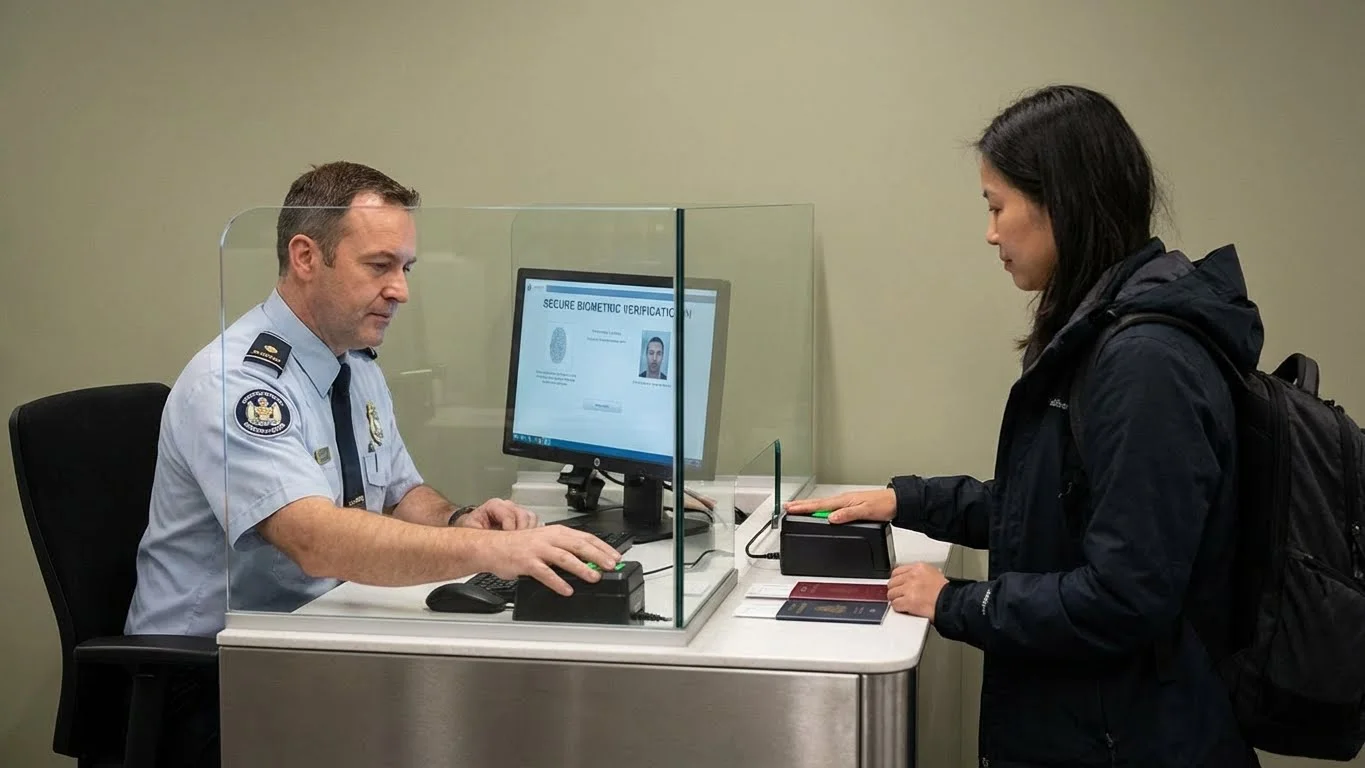
Biometrics for visa refers to the use of unique physical or behavioral characteristics of a person to confirm their identity during the visa application and border entry process. These characteristics are unique to each individual and are difficult to copy, steal, or fake.
When someone applies for a visa, biometric data is collected to ensure that the person submitting the application is the same person who will later travel. This creates a strong link between the individual and their visa record. Unlike traditional identification methods that rely only on documents, biometric systems verify identity based on who the person is, not just what documents they carry.
Types of Biometrics Used in Visa Processes
Fingerprint Biometrics
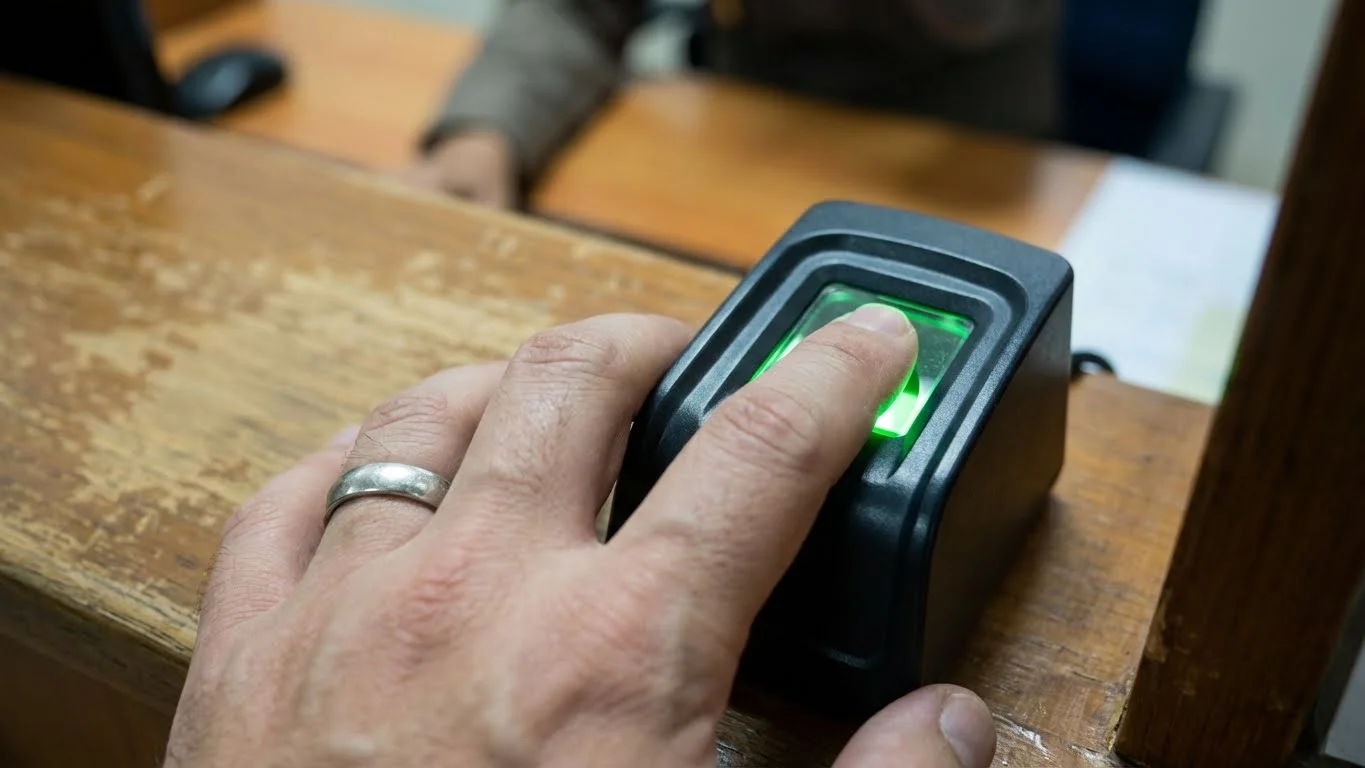
Fingerprint biometrics use the unique patterns found on a person’s fingertips. These patterns do not change significantly over time, which makes fingerprints a reliable method of identification.
- Commonly collected during visa applications
- Easy to capture and compare
- Effective for identifying repeat or duplicate applicants
Facial Recognition
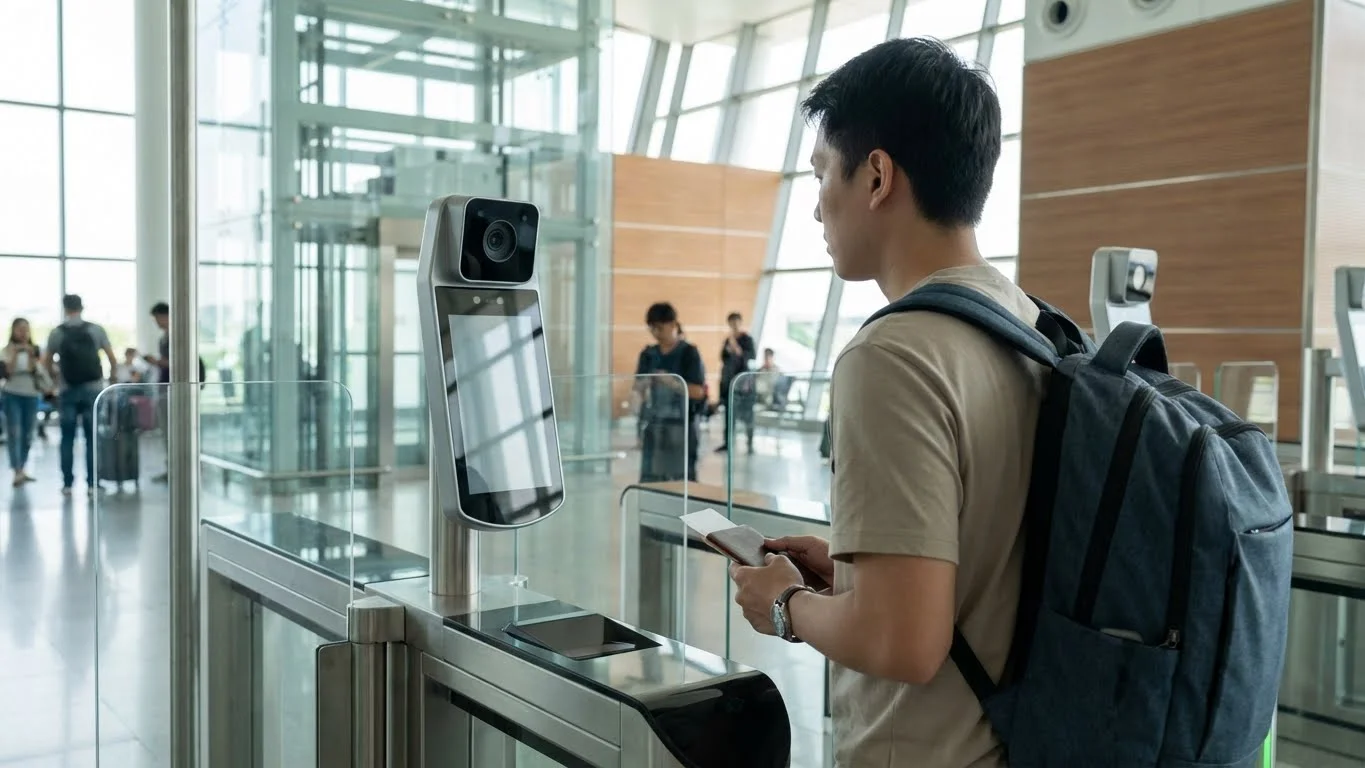
Facial recognition technology uses digital images of a person’s face to analyze features such as the distance between the eyes, the shape of the nose, and the structure of the jaw.
- Widely used at visa centers and border checkpoints
- Helps match travelers with stored visa records
- Allows quick and contactless identity verification
Iris and Retina Scans
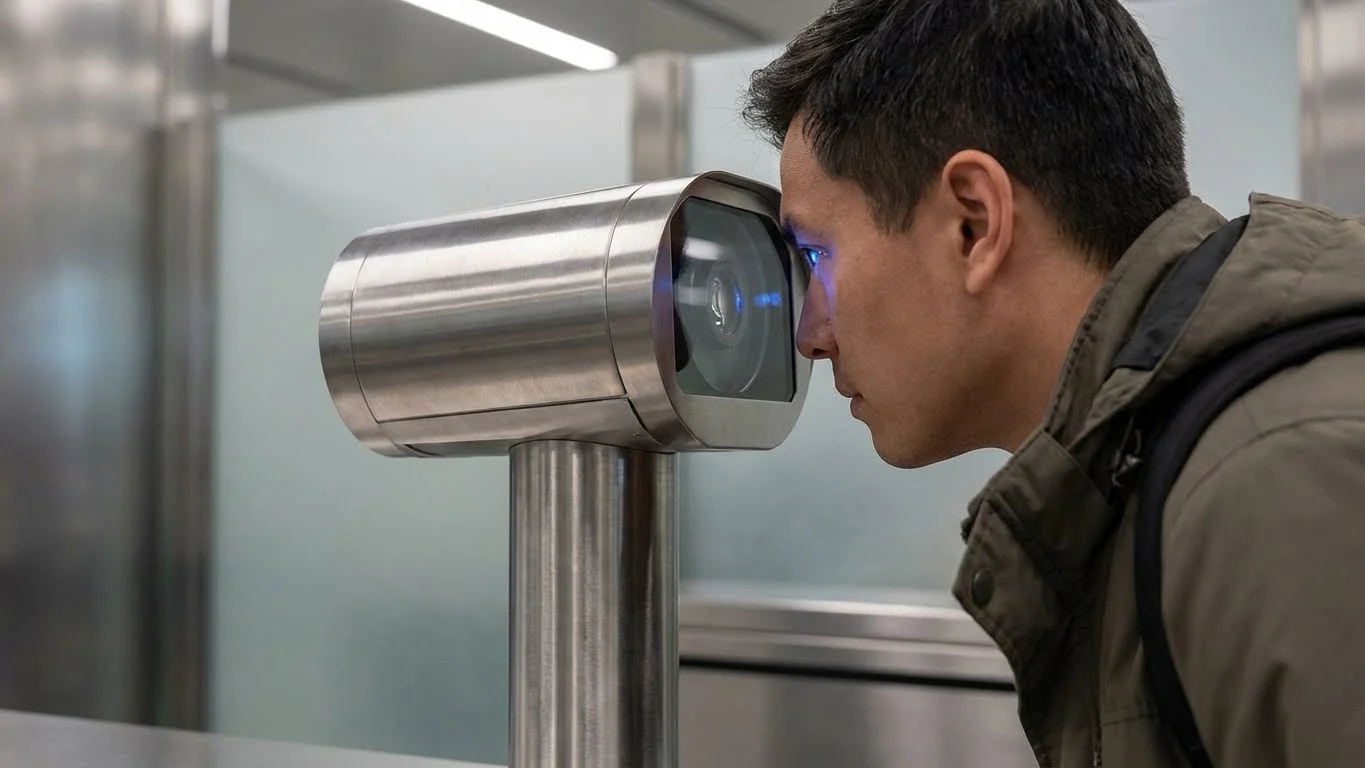
Iris and retina scans focus on the unique patterns found in the eye. These biometric methods are highly accurate because eye patterns are extremely difficult to replicate.
- Used mainly in high-security situations
- Provide very precise identity matching
- Less common due to higher cost and equipment needs
Voice and Signature Biometrics (Emerging Use)
Voice and signature biometrics analyze how a person speaks or signs their name rather than what they say or write.
- Still limited in use for visa processes
- Mainly used as an additional layer of verification
- Often combined with other biometric methods
How Biometrics Work in the Visa Application Process
Biometrics are integrated into multiple stages of the visa and travel journey to ensure consistent identity verification.
- The applicant submits a visa application with personal details
- Biometric data is collected at a designated visa center
- The data is securely stored in official systems
- Authorities use the data during background checks
- The same biometric data is verified again at border entry
This step-by-step process helps ensure that the visa holder and the traveler are the same person.
Why Biometrics Are Important for Visa and Border Security
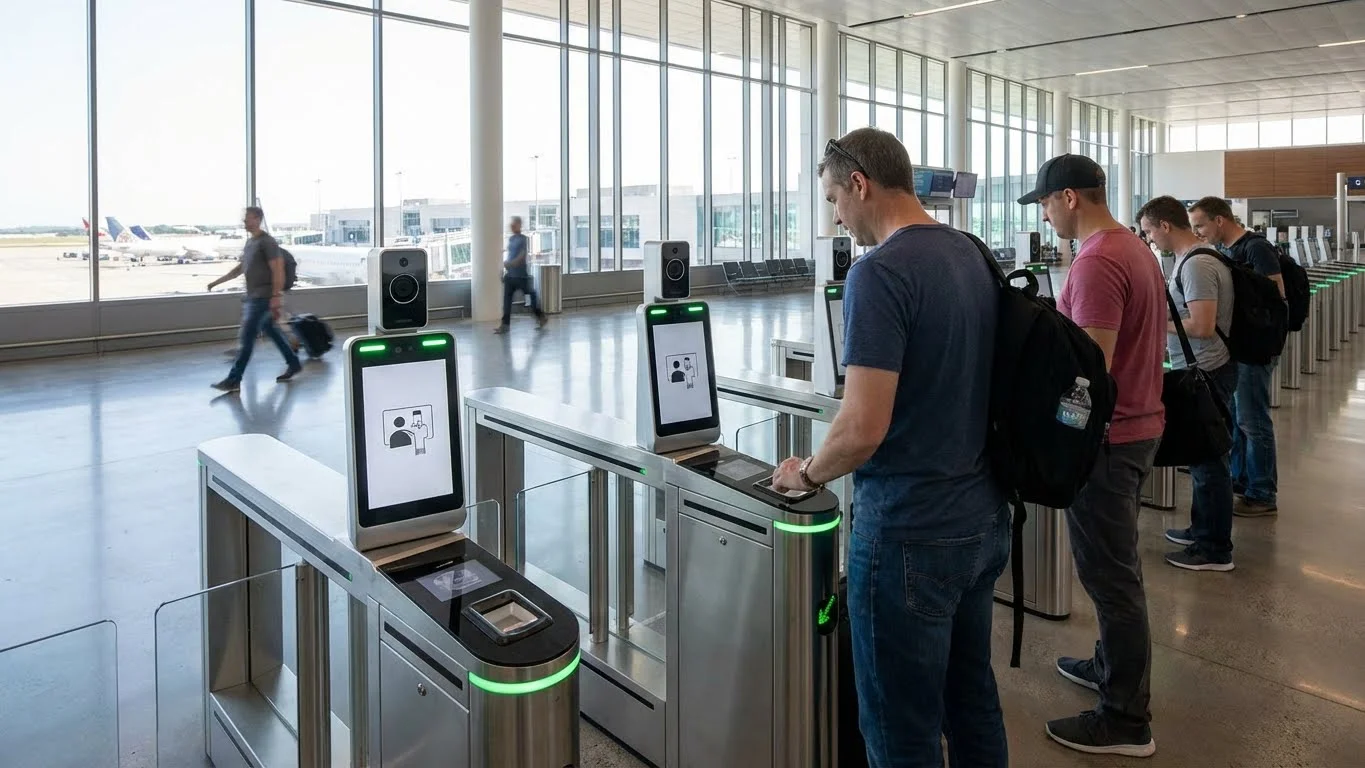
Biometrics play a critical role in strengthening border security by reducing dependence on documents alone.
- Helps prevent identity fraud and impersonation
- Detects individuals using multiple or fake identities
- Reduces errors caused by manual checks
- Improves accuracy in traveler identification
By relying on biometric data, border authorities can identify risks more effectively while allowing genuine travelers to pass through smoothly.
Role of Biometrics at Airports and Borders
At airports and border checkpoints, biometric systems are used to verify travelers quickly and securely. These systems are often integrated with immigration counters and automated gates.
- Biometric checks confirm traveler identity
- Passport and visa data are matched with stored records
- Automated systems reduce waiting times
- Manual checks are required only when needed
This improves efficiency without compromising security.
Benefits of Using Biometrics for Visa Systems
Biometric visa systems provide several advantages for governments, immigration authorities, and travelers.
- Stronger national and border security
- Faster processing during visa application and entry
- Reduced chances of human error
- Consistent and reliable identity verification
- Smoother travel experience for passengers
These benefits make biometrics a practical and effective solution for modern border management.
Challenges and Concerns with Biometric Visa Systems
Privacy and Data Protection
Biometric data is highly sensitive because it is directly linked to an individual’s identity.
- Risk of data misuse or unauthorized access
- Need for strict data protection measures
- Importance of secure storage systems
Accuracy and Bias Issues
While biometric systems are advanced, they are not perfect.
- Possibility of false matches or mismatches
- Technical limitations in certain conditions
- Continuous need for system testing and improvement
Infrastructure and Cost Challenges
Setting up biometric systems requires investment and planning.
- High initial setup and maintenance costs
- Requirement for trained staff and equipment
- Dependence on reliable technology infrastructure
Global Adoption of Biometrics for Visa and Border Control
Many countries across the world have adopted biometric systems as part of their visa and immigration processes. These systems are often designed to meet international standards, allowing smoother cooperation between countries.
- Growing use of biometric verification worldwide
- Increased collaboration between immigration authorities
- Gradual expansion of biometric checkpoints
As technology becomes more accessible, global adoption continues to increase.
Biometrics vs Traditional Border Security Methods
Traditional border security methods rely heavily on physical documents and manual inspection. While these methods still exist, they have limitations.
- Manual checks depend on visual inspection
- Documents can be forged or stolen
- Human error can occur during verification
Biometric systems confirm identity based on physical traits, making them more accurate, faster, and harder to manipulate.
Ethical and Legal Considerations
The use of biometric data must be handled responsibly to maintain public trust.
- Clear consent from visa applicants
- Transparency about how data is collected and used
- Compliance with data protection regulations
- Balancing national security with individual rights
Ethical and legal safeguards are essential for the long-term success of biometric systems.
What Travelers Should Know About Biometric Visa Requirements
Travelers should understand how biometrics affect their visa and travel experience.
- Biometric data is often mandatory for visas
- Data is collected during the application process
- The same data may be checked again at the borders
- Cooperation helps ensure smooth travel
Being informed helps travelers avoid confusion and delays.
Conclusion
Biometrics for visas have become a vital part of modern border security. By using unique physical characteristics, biometric systems provide accurate identity verification and help prevent fraud and security threats. Although challenges like privacy, cost, and accuracy remain, the benefits of biometrics are clear.
As technology continues to improve, biometrics will play an even greater role in shaping the future of border security. The goal is to create borders that are not only safer but also faster and more efficient for travelers around the world.