The way we access digital content has evolved dramatically over the past two decades. At one time, downloading large media files such as movies, music albums, or game updates was slow and unreliable using traditional file transfer protocols. Then came BitTorrent, a technology that revolutionized online file sharing by making downloads significantly faster and more efficient.
But with its power and convenience also came controversy, legal concerns, and significant cybersecurity risks. So, what exactly is BitTorrent, and is using it safe? This comprehensive guide breaks down how BitTorrent works, its legal implications, security concerns, and how to use it responsibly.
What Is BitTorrent? What is the Peer-to-Peer Transfer Protocol
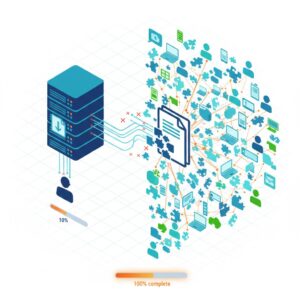
BitTorrent is an internet transfer protocol designed for efficient file sharing. It differs from common protocols like http and ftp, which download files from a central server. Instead, BitTorrent uses a peer-to-peer (P2P) system, where each user downloading a file also shares parts of it with others at the same time.
Rather than one large download stream, the file is broken into many small data chunks. These chunks are sourced from multiple other users, called seeders and peers:
- Seeders are users who have the full file and are actively uploading it.
- Peers are users who are still downloading and sharing chunks simultaneously.
Because the file is downloaded from multiple sources at once, the speed increases significantly. The more seeders available, the faster the transfer.
Example Scenario
If you download a game patch using http, it comes from a single server. If thousands of people download it simultaneously, the server slows down.
In contrast, with BitTorrent, the load is shared among many users, preventing congestion and decreasing wait times.
History and Evolution of BitTorrent Usage
BitTorrent peaked around 2005, when estimates suggested it accounted for nearly 35 percent of all internet traffic. By 2008, this number rose again due to growing online sharing communities.
However, as high-speed internet became widespread and streaming services like Netflix, Prime Video, and Spotify emerged, BitTorrent traffic declined significantly. By 2015, it contributed to only around 3 percent of North American downloads.
Even so, BitTorrent remains widely used today for:
- Large software distributions
- Game patches and mods
- Public domain media
- Open-source content
The technology is far from obsolete — it has simply become more specialized and cautious in its usage due to legal and security concerns.
Is Torrenting Legal? The Truth Behind the Debate
Torrenting itself is not illegal. BitTorrent is simply a file transfer method. The question of legality depends entirely on what content you download.
Legal Uses
- Open-source software (like Linux distributions)
- Public domain movies, music, and books
- Game patches and modding tools distributed with permission
Illegal Uses
- Copyrighted movies, TV shows, and games
- Subscription-only software and media shared without permission
- Pirated content from unauthorized sources
Copyright holders often track illegal downloads by monitoring IP addresses visible in the torrent swarm.
Some users have received warnings, fines, or settlement notices from their internet service providers.
Key takeaway
Torrenting is legal. Pirating copyrighted files is not.
Legitimate Uses for BitTorrent
Not all torrenting is associated with piracy. Many legitimate reasons exist for using BitTorrent:
Software Distribution
Developers use torrents to distribute:
- Operating systems like Linux
- Open-source applications
- Large game update files
This reduces server strain and speeds up downloads.
Access to Public Domain Media
Classic films, independent music, documentaries, and educational material are often shared legally through torrent networks.
Preservation and Modding Culture
Older video games often require fan-made patches and compatibility fixes. Torrents allow communities to keep them alive long after developers discontinue support.
Is BitTorrent Safe? Security Risks You Must Understand

Even when downloading legal content, torrenting carries risks if users are not careful.
Here are the primary threats:
Malware and Virus Infections
Cybercriminals often disguise malicious files as:
- Popular movies
- Cracked software
- Fake installers or game mods
Opening these files can lead to:
- Ransomware infections
- System hijacking
- Data theft
Privacy Exposure
Torrenting reveals your IP address to all other users in the same download swarm. This means:
- Hackers can target your device
- Advertisers can track you
- Copyright enforcement agents can monitor downloads
ISP Monitoring
Many internet providers throttle speeds or issue warnings if they detect torrent usage, especially if the network sees high data activity.
Legal Scrutiny
Even accidental downloading of copyrighted files can get users flagged in copyright tracking systems.
How to Use BitTorrent Safely and Responsibly
Torrenting can be safer with smart security practices. Follow these protective steps:
Use Only Legal and Trusted Torrent Sources
Legitimate sites often have:
- Verified content
- Community moderation
- Trusted uploader badges
Install Strong Security Software
A reliable antivirus program can block:
- Trojans
- Ransomware
- Spyware hidden in torrents
Keep Your Operating System Updated
Security patches protect your device from known cyber vulnerabilities.
Use a VPN for Privacy Protection
A Virtual Private Network:
- Masks your IP address
- Makes your online activity anonymous
- Encrypts your internet traffic
This prevents tracking but does not give permission to download copyrighted content.
Scan All Files Before Opening
Especially executable files such as:
- .exe
- .msi
- .apk
- .zip archives
Avoid Piracy Sites
These often contain fake ads, pop-ups, and malicious scripts.
How Does Torrenting Work? A Simple Guide
If you plan to use BitTorrent safely, here is a step-by-step overview:
- Install a reputable BitTorrent client
- Visit a trusted torrent tracker to obtain legal files
- Open the torrent file or magnet link in your client
- The file downloads in chunks from multiple sources
- Once complete, your device continues seeding unless you stop sharing
Being a responsible seeder helps the P2P network remain fast and efficient.
BitTorrent vs. Streaming: Which Is Better?
| Feature | BitTorrent | Streaming |
| Speed | Faster for large files | Depends on internet bandwidth |
| Ownership | Files are stored locally | No ownership, temporary access |
| Legal Risk | High with copyrighted media | Low if using legal services |
| Internet Usage | Heavy downloading | Continuous data streaming |
Streaming is generally safer, but torrenting remains beneficial when permanent local access is needed.
Conclusion
BitTorrent is a brilliant and powerful technology that democratized digital content delivery. It remains popular among tech-savvy users and communities that rely on open-source and public domain media.
However, using BitTorrent without caution exposes your computer, privacy, and legal standing to unnecessary risks. Responsible usage requires:
- Staying on the legal side of content downloads
- Maintaining strong cybersecurity practices
- Being aware of transparency within peer networks
If you choose to torrent, do so safely, ethically, and protect your device at all times.
FAQs
Is torrenting illegal?
No, torrenting is legal. Downloading copyrighted material without permission is illegal.
Can I hide my IP address while torrenting?
A VPN can help mask your IP address, but it does not make illegal activity acceptable.
Can torrents damage my computer?
Yes, if files contain malware. Always scan before opening.
Why does my internet provider slow down torrents?
Many ISPs throttle P2P traffic to reduce network congestion or discourage piracy.
Is streaming from torrent-based sites safer?
Not necessarily. Streaming sites can still deliver malware through malicious ads or scripts.
Do I always have to seed after downloading?
No, but seeding helps support the network and improves download speeds for others.

Debabrata Behera is a passionate blogger who writes about digital trends, personal growth, and practical insights, helping readers stay informed, inspired, and ready to achieve success in life.