The internet has made it easier than ever to connect with people across the world. Social media platforms, dating apps, and online communities allow individuals to build friendships, relationships, and professional connections without geographical boundaries. However, this convenience has also created opportunities for deception. One of the most common and emotionally damaging forms of online deception is catfishing.
Understanding what catfishing online means, how it works, and how to protect yourself is essential for anyone who interacts with others on digital platforms. Whether you are active on social media or exploring online dating, being aware of catfishing risks can help you stay safe and emotionally secure.
What Does Catfishing Mean?
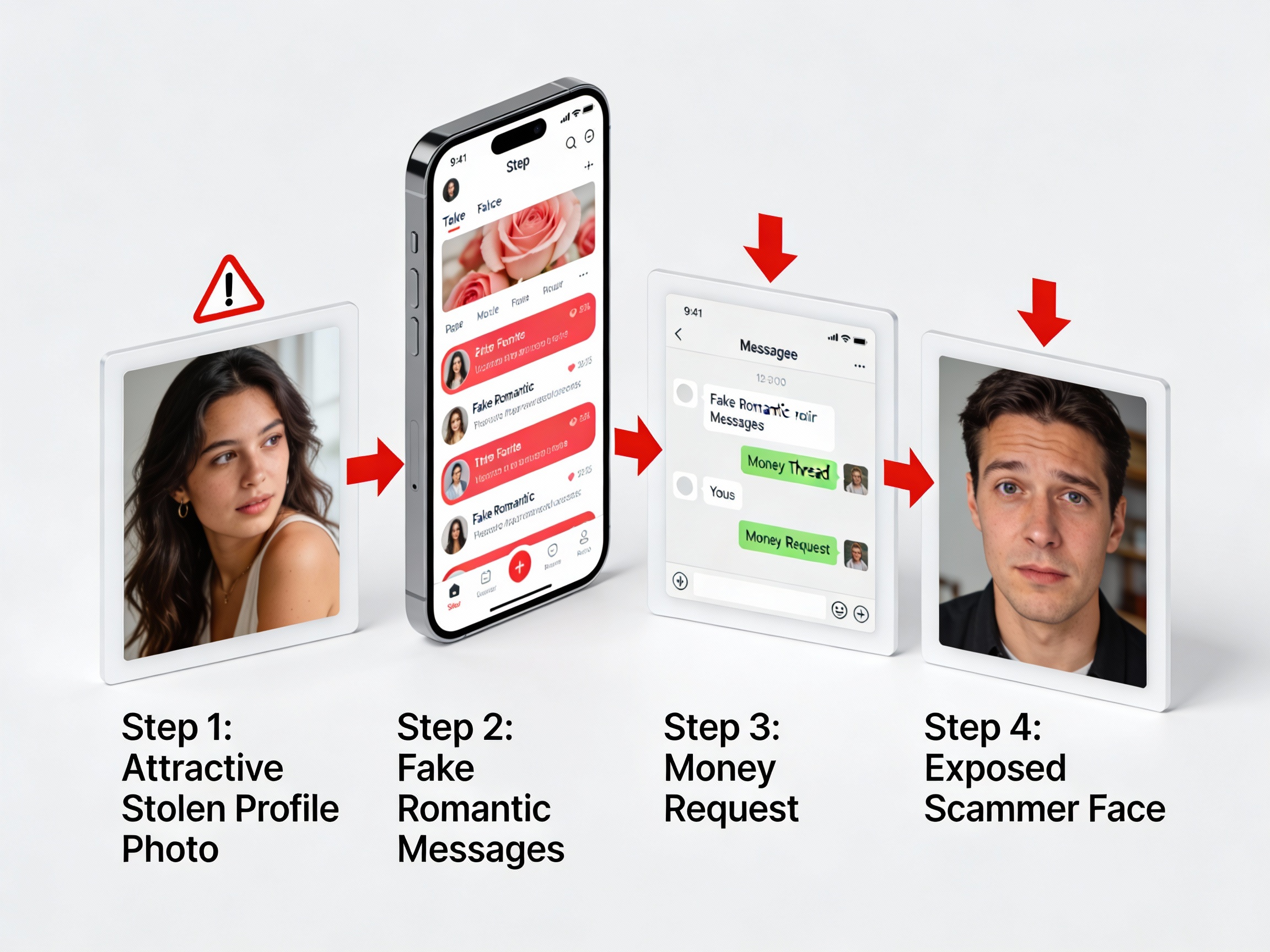
To understand catfishing, it is important to first define the concept clearly. The catfishing meaning refers to the act of creating a false online identity to deceive others. This fake identity may use stolen photos, fabricated personal details, or completely fictional profiles to appear real and trustworthy.
In simple terms, what is catfishing? It is a form of online impersonation where someone pretends to be another person to manipulate, mislead, or exploit a victim. The catfish meaning on social media has become widely recognized due to the rise of online scams and emotional manipulation cases.
The term cat fishing meaning gained popularity after real-life cases were highlighted in documentaries and television shows that exposed how individuals were emotionally and financially exploited by people they had never met in real life. Today, catfishing is no longer limited to dating platforms. It can happen on social media, professional networking sites, gaming platforms, and even online support groups.
A catfish account meaning typically refers to a profile that does not represent a real person or misrepresents the individual behind it. These accounts often look convincing, making them difficult to identify at first glance.
Why Do People Catfish Online?

People engage in catfishing for various reasons, and not all of them are the same. However, most catfishing activities are driven by harmful intentions. Understanding these motivations can help you recognize suspicious behavior early.
Financial Gain and Romance Scams
One of the most common reasons behind catfishing is financial exploitation. Scammers often pose as attractive, successful, or emotionally supportive individuals to build trust with their victims. Over time, they create a strong emotional bond and gradually introduce financial requests.
These requests may begin with small amounts and escalate into significant sums. Victims are often manipulated into believing they are helping someone they care about. In many cases, victims realize the deception only after suffering serious financial losses.
Revenge and Reputation Damage
Some individuals catfish others as a form of revenge. This may involve impersonating someone they know to damage their reputation, create legal trouble, or cause emotional distress. Fake accounts may be used to spread false information, engage in inappropriate conversations, or manipulate social circles.
This form of catfishing can be particularly harmful because it affects both the victim of the impersonation and the people who interact with the fake account.
Emotional Manipulation and Control
Not all catfishing involves money. Some individuals catfish purely for emotional manipulation. They may enjoy controlling another person’s emotions, creating dependency, or causing confusion and heartbreak. These cases often involve long-term deception where the victim forms deep emotional attachments to someone who does not exist.
AI and Deepfake Catfishing
As technology evolves, catfishing has become more sophisticated. Artificial intelligence tools can generate realistic text, images, and even videos. Deepfake technology allows scammers to create convincing visual content that strengthens their deception.
This makes identifying catfishing more challenging, as fake profiles can now appear highly authentic and interactive.
How to Tell if You Are Being Catfished

Catfishing often relies on emotional vulnerability and trust. While scammers are skilled at hiding their intentions, there are common warning signs that can help you identify suspicious behavior.
Common Signs of Catfishing
A major red flag is when the scammer initiates contact unexpectedly and pushes for emotional closeness quickly. They may express affection or commitment far earlier than is reasonable.
Profiles that appear too perfect should also raise suspicion. If someone claims to be extremely wealthy, famous, or constantly traveling without clear evidence, it may be part of a fabricated story.
Minimal or inconsistent social media activity is another warning sign. Catfish accounts often have few friends, limited interactions, or recently created profiles. Their photos may look professional or staged, sometimes stolen from other accounts.
Language inconsistencies can also indicate deception. Messages may feel generic, overly rehearsed, or inconsistent with the person’s supposed background.
Avoidance of real-time communication is a major indicator. Catfish often refuse video calls, cancel meetings at the last moment, or provide excuses to avoid face-to-face interaction.
The most obvious sign appears when requests are made. These may involve money, personal information, private images, or assistance with financial transactions.
Also Read: How to Remove a Hacker from Your Smartphone
How to Avoid Being Catfished Online
Prevention is always better than recovery. While scammers are persuasive, practicing caution can significantly reduce your risk.
Be selective about accepting friend requests or messages from strangers. Avoid sharing personal details such as your address, financial information, or private images.
Always be cautious with links and attachments sent by unknown individuals. Even if the message appears friendly, it could be part of a manipulation tactic.
If you use dating platforms, choose reputable services with moderation systems and user protections. Avoid moving conversations to private messaging apps too quickly.
Verifying Profile Images
One effective method to identify catfishing is reverse image searching. By checking profile photos online, you can discover if the same images appear on multiple unrelated profiles. This often reveals stolen photos used across fake accounts.
What to Do If You’re a Victim of Catfishing
If you suspect or confirm that you are being catfished, it is important to act quickly and calmly. Remember that being deceived is not a personal failure. Catfishers are skilled manipulators.
Immediately stop all communication with the suspected account. Secure your online presence by updating passwords and enabling additional security features where possible. Monitor your financial accounts closely if any sensitive information has been shared.
Preserve evidence by saving conversations, images, and profile details. Catfishers often delete accounts once exposed, so documentation is crucial.
Report the fake account to the platform administrators and block the individual across all communication channels.
How to Recover from Being Catfished
Recovering from catfishing can be emotionally challenging. Victims may experience embarrassment, trust issues, or emotional distress. Taking time to heal is important.
Consider taking a break from social media to regain emotional balance. Lean on trusted friends, family members, or professional support if needed.
Engaging in activities that rebuild confidence and self-worth can help restore emotional resilience. Healing is a process, and it is okay to take your time.
FAQs
What is catfishing?
Catfishing is the act of creating a fake online identity to deceive others, often for emotional manipulation, financial gain, or personal control.
What does catfish mean on social media?
The catfish meaning on social media refers to profiles that misrepresent the person behind them, often using stolen images or false information.
Is catfishing illegal?
Catfishing itself may not always be illegal, but it often leads to crimes such as fraud, identity theft, or harassment, which can carry legal consequences depending on jurisdiction.
What should I do if someone uses my photos to catfish others?
Report the impersonation to the platform, inform your contacts, and strengthen privacy settings to reduce further misuse.
Conclusion
Catfishing online is a serious digital threat that affects emotional well-being, financial security, and personal trust. Understanding what is catfishing, recognizing the warning signs, and knowing how to protect yourself can significantly reduce your risk of becoming a victim.
Staying vigilant, verifying online identities, and maintaining healthy skepticism are essential in today’s digital world. By being informed and cautious, you can enjoy online connections while protecting your safety and peace of mind.