Biometric authentication systems are widely used today to verify identity using physical or behavioral traits such as fingerprints, facial features, voice, or iris patterns. These systems are used in smartphones, access control systems, banking, government services, and workplaces.
For biometric systems to work effectively, they must be accurate and reliable. Accuracy is measured using specific performance metrics that indicate how often a system makes errors. One of the most important of these metrics is False Reject Rate (FRR). FRR helps organizations understand how often genuine users are wrongly denied access by a biometric system.
What Is False Reject Rate (FRR)?
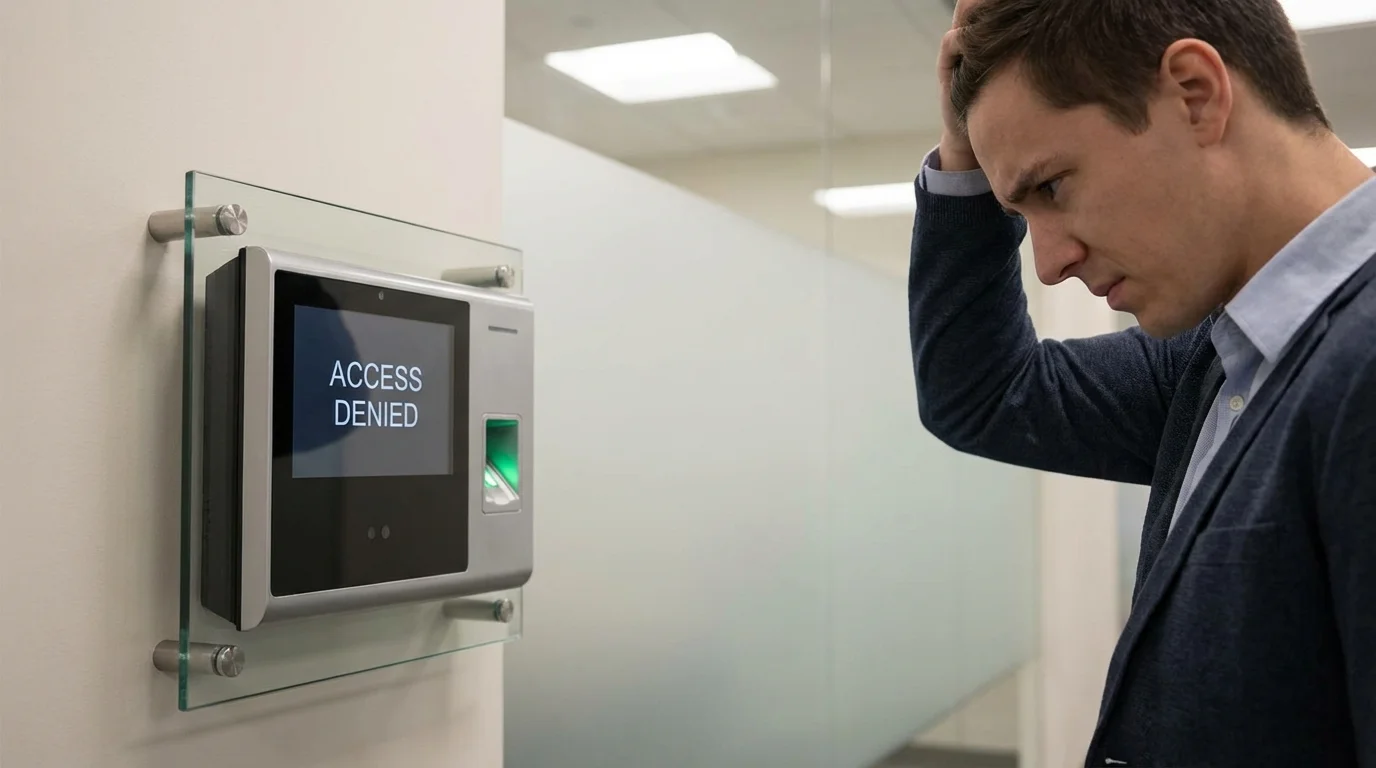
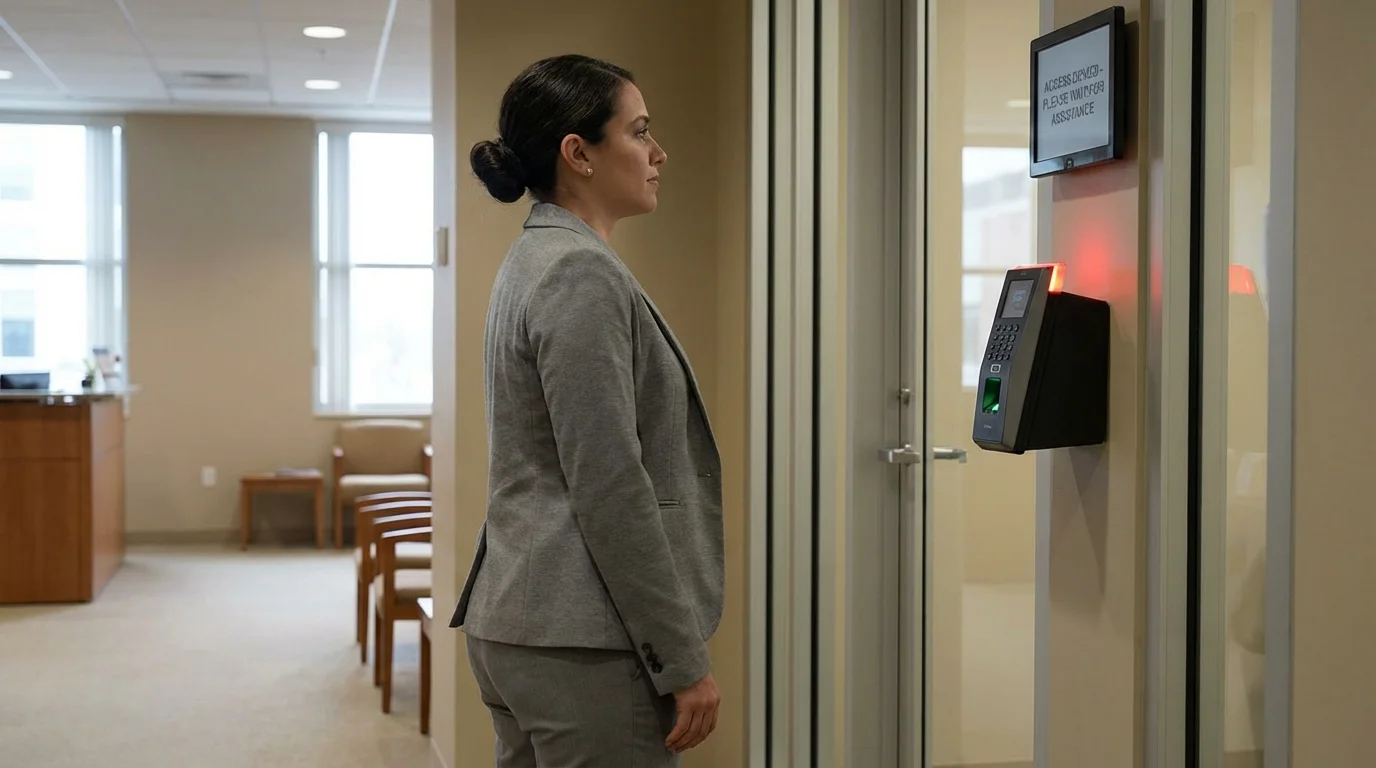
False Reject Rate (FRR) refers to the probability that a biometric system incorrectly rejects an authorized or genuine user during authentication.
In simple terms, FRR measures how often a system fails to recognize a person who is already enrolled and should be allowed access.
- FRR occurs when the system does not find a sufficient match between the stored biometric template and the newly captured biometric sample
- The user is legitimate, but access is denied
- It is expressed as a percentage or ratio of failed genuine attempts
A high FRR means the system is too strict, leading to frequent access denials for valid users.
How False Reject Rate (FRR) Works in Biometric Systems
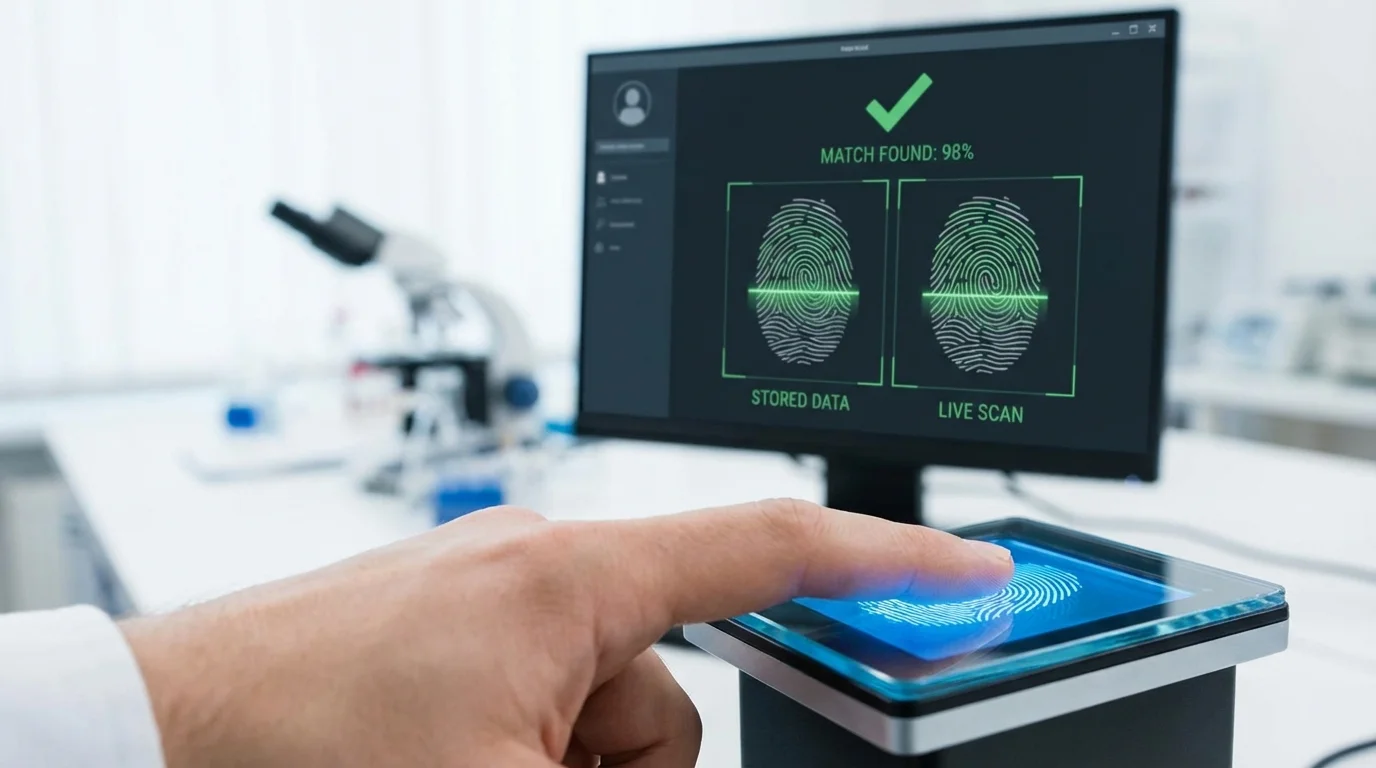
Biometric systems work by comparing a captured biometric sample with a previously stored template created during enrollment. This comparison produces a similarity score.
If the similarity score is below a predefined threshold, the system rejects the user even if the user is genuine.
- The system captures a biometric sample (fingerprint, face, voice, etc.)
- The sample is compared with the enrolled template
- A matching score is generated
- If the score is below the threshold, a false rejection occurs
The threshold setting directly influences FRR. A higher threshold increases security but also increases the likelihood of false rejections.
Common Causes of High False Reject Rate
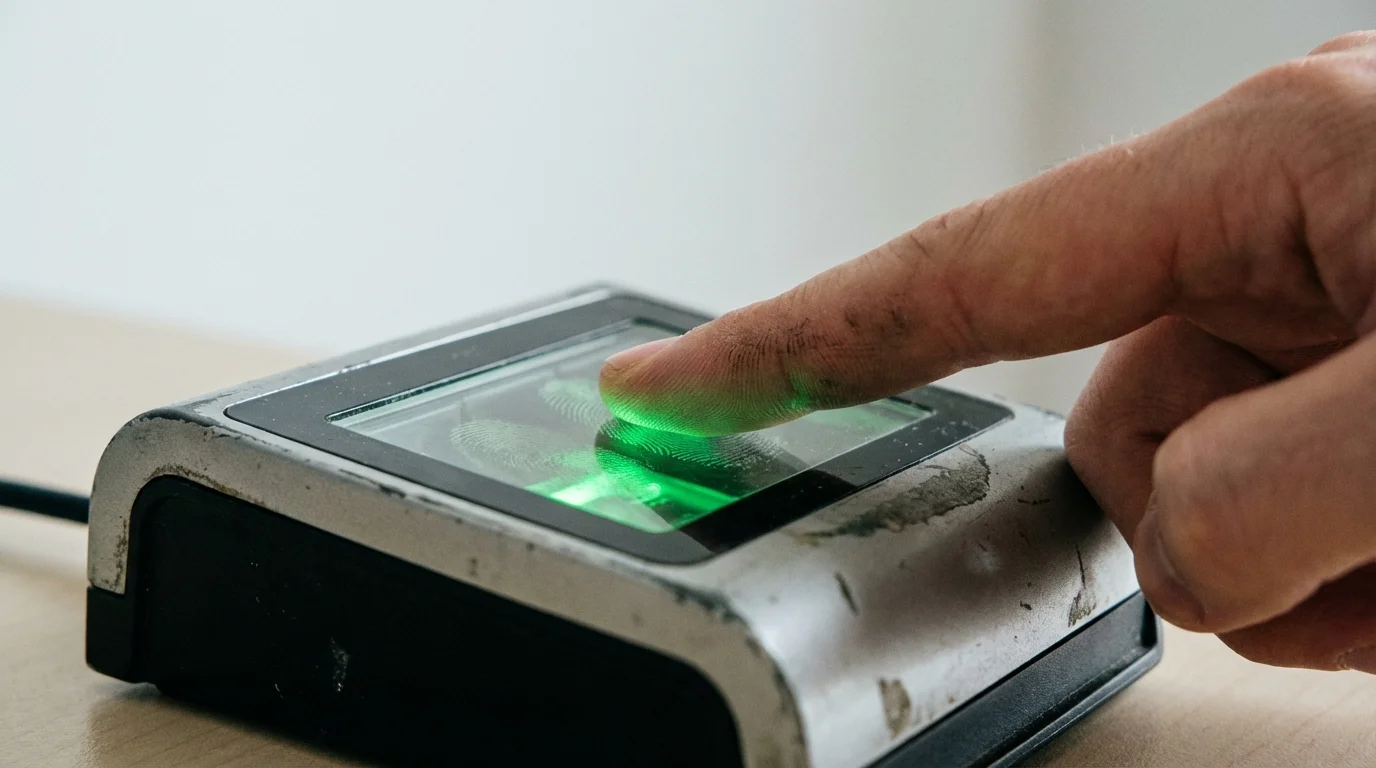
Several factors can cause a biometric system to reject valid users more often than expected.
- Poor quality biometric capture due to dirt, moisture, low lighting, or background noise
- Inconsistent placement or positioning of biometric traits during scanning
- Physical changes such as cuts on fingers, aging, facial hair, or voice changes
- Limitations in biometric sensors or outdated hardware
- Inadequate enrollment where the original biometric data was not captured clearly
When these factors combine, the system struggles to consistently recognize the same user.
FRR vs FAR: Understanding the Difference
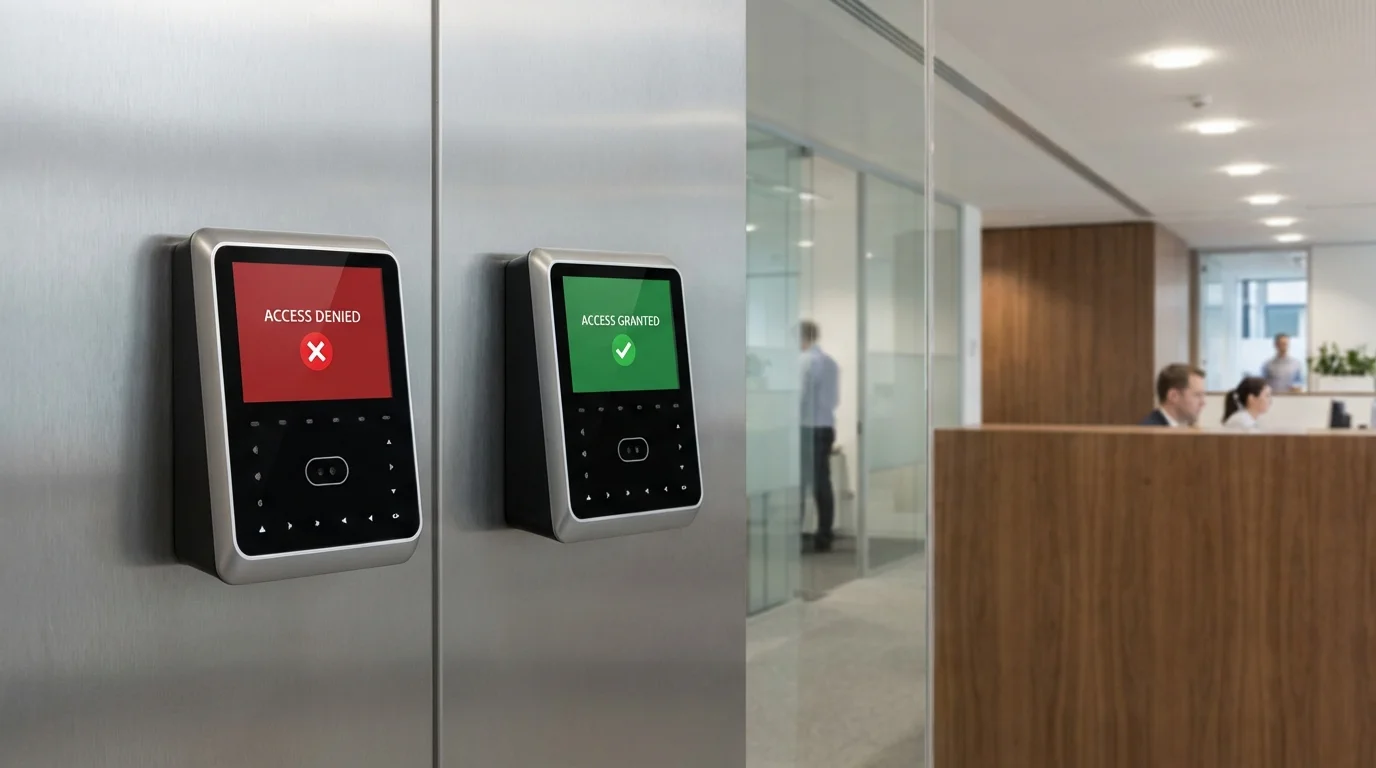
FRR is closely related to another important biometric metric called False Accept Rate (FAR). While both measure errors, they represent opposite risks.
- FRR measures how often valid users are rejected
- FAR measures how often unauthorized users are accepted
- FRR affects usability and user experience
- FAR affects security and risk exposure
Balancing FRR and FAR is essential. Reducing FRR too much can increase FAR, while reducing FAR too aggressively can raise FRR. Effective biometric systems aim for an optimal balance between the two.
Impact of False Reject Rate on User Experience and Security
A high False Reject Rate can negatively impact both users and organizations.
- Users experience frustration due to repeated access failures
- Workflows are disrupted, leading to delays and inefficiencies
- Support costs increase as users seek help for access issues
- Trust in the biometric system decreases
From a security perspective, overly strict systems may push organizations to introduce workarounds that weaken overall security.
Acceptable FRR Levels in Biometric Systems
There is no universal FRR value that suits all biometric applications. Acceptable levels depend on the purpose and risk level of the system.
- Consumer devices may tolerate slightly higher FRR for convenience
- Enterprise systems aim for a balanced FRR to ensure productivity
- High-security environments may accept higher FRR to minimize risk
Performance testing and benchmarking are commonly guided by frameworks published by organizations such as National Institute of Standards and Technology, which evaluate biometric systems under controlled conditions.
Factors That Influence FRR Across Biometric Modalities
Different biometric technologies experience FRR differently due to their unique characteristics.
- Fingerprint systems are affected by skin condition and sensor cleanliness
- Facial recognition depends on lighting, camera angle, and facial changes
- Iris and retina recognition offer low FRR but require precise alignment
- Voice recognition is influenced by background noise and health conditions
- Behavioral biometrics depend on consistent user behavior over time
Each modality requires different optimization strategies to control FRR.
How False Reject Rate Is Measured and Tested
FRR is measured during biometric system testing using controlled datasets and real-world scenarios.
- Genuine users attempt authentication multiple times
- Each failed attempt by a genuine user is counted as a false reject
- FRR is calculated as a ratio of false rejects to total genuine attempts
- Testing is done across varying conditions to ensure reliability
This testing helps organizations understand how the system performs before large-scale deployment.
Methods to Reduce False Reject Rate
Reducing FRR requires both technical and operational improvements.
- Use high-quality biometric sensors for better data capture
- Improve enrollment procedures with multiple samples
- Adjust matching thresholds carefully
- Implement multimodal biometrics for backup authentication
- Periodically update and retrain biometric models
These methods help systems recognize genuine users more consistently without compromising security.
Challenges in Managing False Reject Rate
Managing FRR is an ongoing challenge, especially as biometric systems scale.
- Diverse user populations increase variability in biometric data
- Environmental conditions cannot always be controlled
- Long-term system accuracy must be maintained
- Security requirements evolve over time
Organizations must continuously monitor and adjust systems to manage these challenges.
FRR and Compliance with Biometric Standards
Compliance with biometric standards ensures that FRR is measured and controlled consistently.
- Standards define testing methods and performance benchmarks
- FRR is often reviewed during audits and certifications
- Compliance helps ensure reliability across deployments
Adhering to standards improves transparency and trust in biometric technologies.
Conclusion
False Reject Rate (FRR) is a critical performance metric in biometric systems that measures how often genuine users are incorrectly denied access. While high FRR can frustrate users and disrupt operations, managing it carefully helps maintain trust, efficiency, and security. By understanding the causes, measurement methods, and mitigation strategies for FRR, organizations can design biometric systems that are both secure and user-friendly.