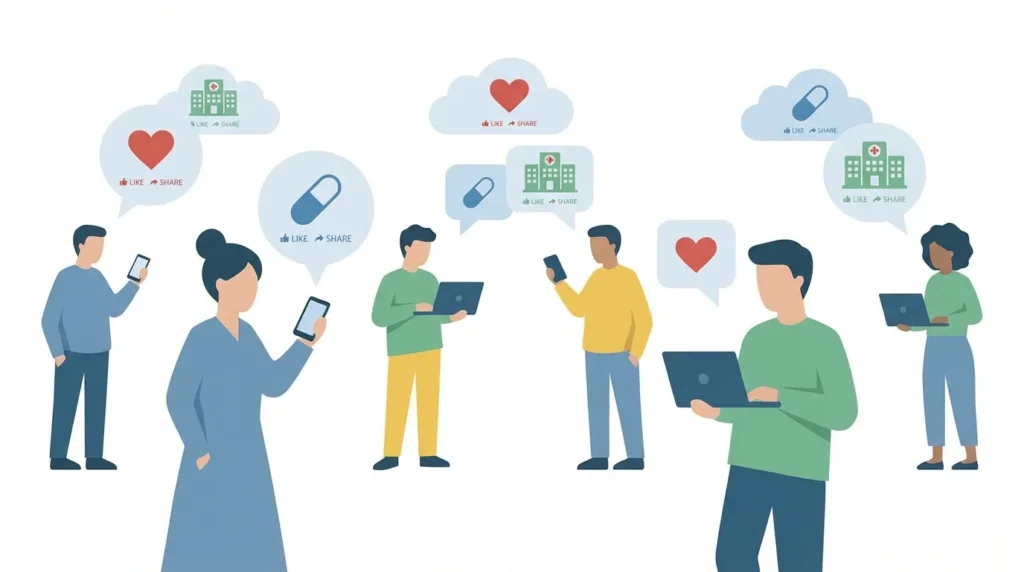
Biometric technology is becoming a major part of our daily lives. From unlocking phones to passing through airport security, we rely on advanced systems that can identify people quickly and safely. One of the most accurate and trusted methods today is iris recognition.
In this blog, you’ll learn what iris recognition is, how it works, its top benefits, and where it is used in the real world.
What Is Iris Recognition?
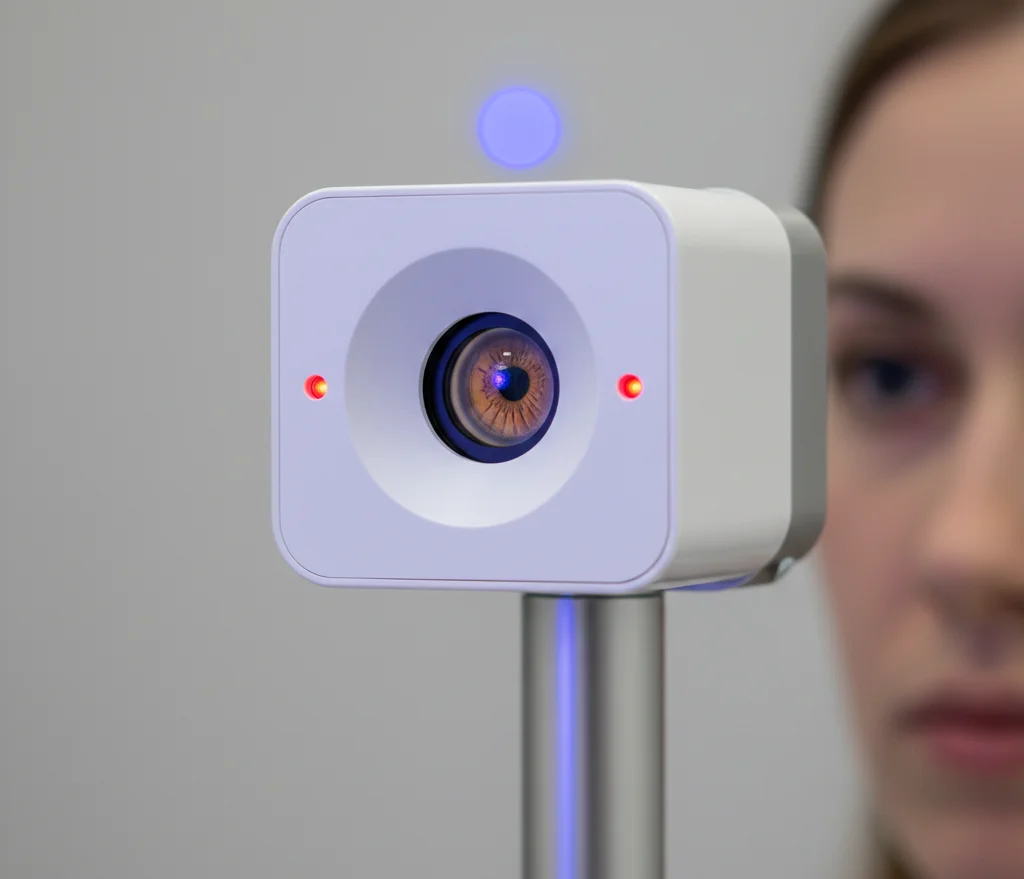
Iris recognition is a biometric technology that identifies a person by scanning the unique patterns inside their iris — the colored ring around the pupil of your eye.
Every person has a different iris pattern, even identical twins. These patterns stay the same throughout life, making iris recognition one of the most reliable biometric methods available.
Iris recognition is different from other biometric systems because:
- It is highly accurate
- It works without physical contact
- It remains stable over time
How Iris Recognition Works
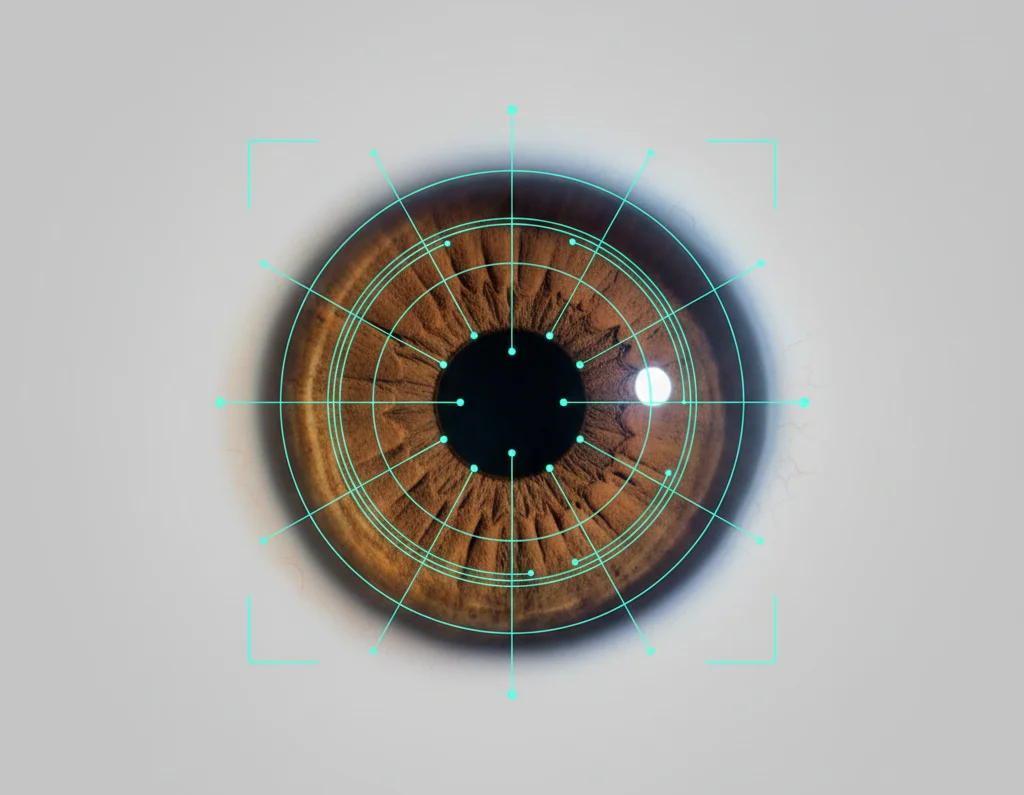
Step 1 — Iris Image Capture
The system begins by taking a clear image of your iris. It uses near-infrared (NIR) light, which helps capture the fine details of the iris without causing harm or discomfort.
Why NIR?
- It reduces reflections
- It highlights unique iris patterns clearly
Step 2 — Iris Pattern Extraction
After capturing the image, the system locates the iris and removes anything unnecessary (like eyelashes or eyelids). Then, it studies the iris texture and turns it into a digital code called an iris code.
This code represents your unique biometric signature.
Step 3 — Matching & Verification
Next, the system compares the new iris code with the codes stored in its database.
If a match is found:
- The identity is verified instantly
If no match exists:
- Access is denied
Iris recognition offers extremely low error rates, making it one of the most trusted identification technologies in the world.
Iris Recognition vs. Other Biometric Methods
Iris Recognition vs. Facial Recognition
- Iris is more accurate
- Face recognition can be affected by lighting or angles
- Iris recognition is harder to spoof
Iris Recognition vs. Fingerprint Scanning
- Iris scanning is contactless and more hygienic
- Fingerprints can wear out or get damaged
- Iris patterns remain consistent for life
Iris Recognition vs. Retina Scanning
- Retina scanning is invasive and requires very close positioning
- Iris recognition is non-invasive and works from a distance
- More comfortable for users
Benefits of Iris Recognition
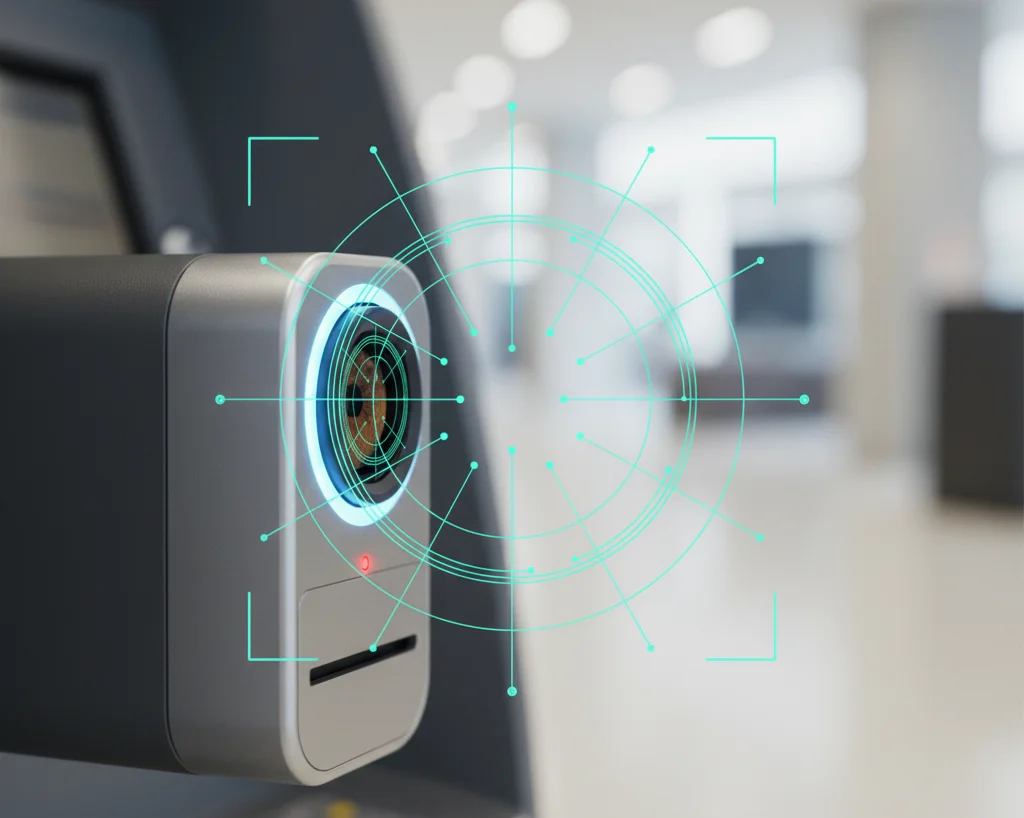
High Accuracy and Reliability
Iris patterns have thousands of unique characteristics. This makes the technology extremely precise with very low chances of mistakes.
Contactless and Hygienic
The user doesn’t need to touch any device. This is ideal for:
- Hospitals
- Airports
- Public spaces
Fast Authentication
Matching iris codes takes only a few seconds, even with large databases. This makes high-traffic environments run smoothly.
Hard to Forge or Spoof
Iris patterns are nearly impossible to duplicate. Even high-quality images cannot easily fool the system.
Works in Challenging Environments
Iris recognition works well even when:
- Light is low
- The person wears a mask
- The environment is dusty
Real-World Applications of Iris Recognition
Airports & Border Control
Many international airports use iris scanning to:
- Speed up immigration
- Strengthen passenger identity checks
- Provide faster boarding and security clearance
Banking & Financial Services
Banks use iris recognition for:
- Secure ATM access
- Customer verification during online banking
- Preventing identity fraud
Healthcare
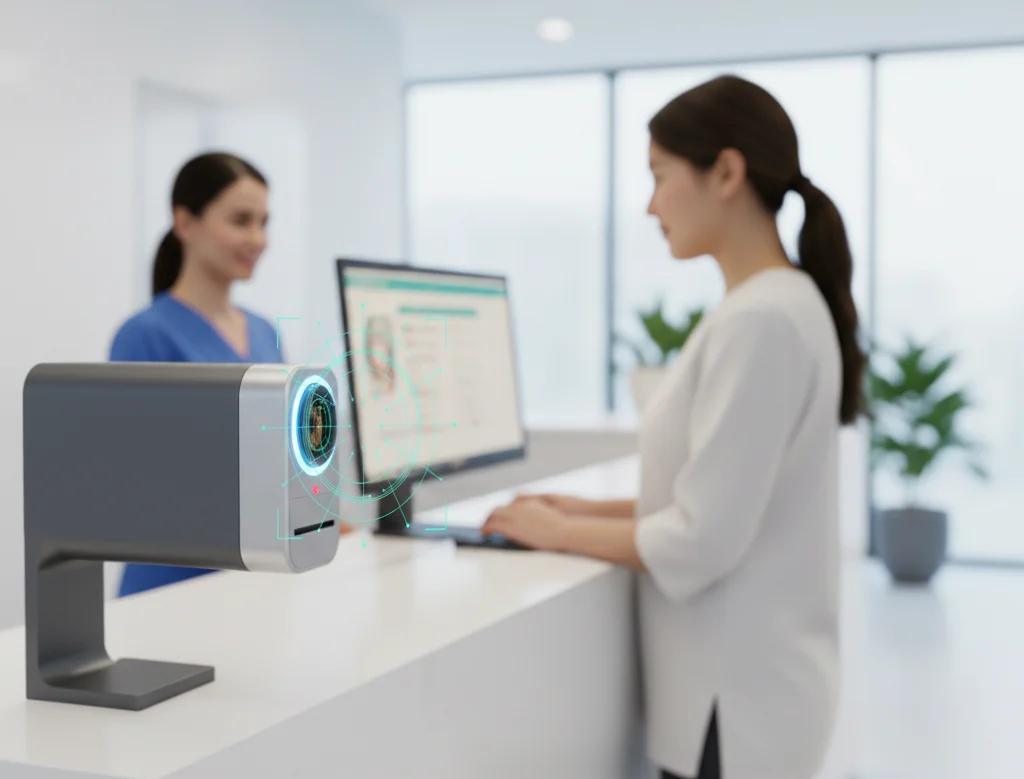
Hospitals use iris authentication to:
- Verify patient identity
- Protect medical records
- Control access to restricted areas
Government & National ID Programs
Countries like India use iris recognition for national identity systems such as Aadhaar. It helps with:
- Citizen verification
- Distribution of government benefits
- Secure identification for public services
Law Enforcement & Public Safety
Law enforcement agencies use iris recognition for:
- Criminal identification
- Tracking repeat offenders
- Managing prison entry and exit systems
Corporate & Enterprise Security
Companies use iris recognition to secure:
- Server rooms
- Research labs
- High-security areas
Consumer Devices
Modern smartphones and laptops are starting to include iris scanners. This allows users to:
- Unlock devices
- Secure payment apps
- Use iris-based logins
Challenges and Limitations of Iris Recognition
High Initial Setup Costs
The cameras and software used for iris scanning are more expensive than other biometric systems.
Privacy Concerns
Users may worry about how their biometric data is stored and who can access it. Organizations must follow strict data protection policies.
Performance Limitations
The system may face challenges when:
- Lighting is extremely bright
- A user has certain eye diseases
- The iris is partially covered
Conclusion
Iris recognition is one of the most secure, accurate, and fast biometric technologies available today. From airports to smartphones, it is helping create a safer and more convenient world.
As digital security becomes more important, iris recognition will continue to grow and play a key role in identity verification across industries.