In the digital world, most modern devices are designed with certain restrictions to protect users, maintain software integrity, and preserve the manufacturer’s ecosystem. However, not every user wants to operate within those limitations. This need for deeper control, customization, and independence has led to the rise of a practice known as jailbreaking.
Understanding what jailbreaking is, how it works, its advantages, disadvantages, legality, risks, and long-term consequences is essential for anyone who uses smartphones, tablets, or other locked-down electronics. This detailed guide provides a complete explanation of jailbreaking and why it continues to be a major topic in cybersecurity, mobile customization, and digital ownership.
Jailbreaking is often associated with enthusiasts who want their devices to do more than what brands allow. But jailbreaking is far more than a hobbyist tool. It is a technological process that alters the way devices function at their core. For everyday users, the term may seem mysterious or complex. However, the concept is simple: it is about breaking free from limitations.
The practice originally gained prominence in the early years of the iPhone, when users felt restricted by the limited features and lack of customization options. Since then, jailbreaking has expanded into other devices and become part of a broader conversation about digital freedom, device ownership, cybersecurity risks, and legal considerations.
What Is Jailbreaking?
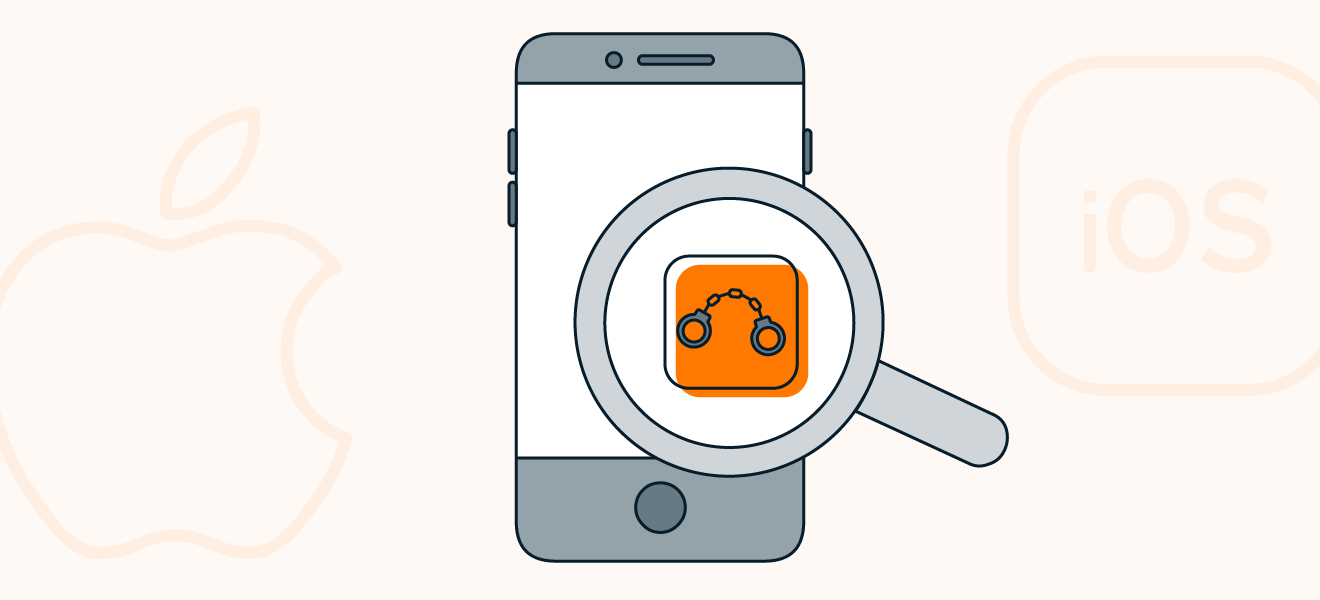
Jailbreaking is the process of exploiting software vulnerabilities in a locked-down electronic device to remove restrictions imposed by the manufacturer. The goal is to gain full access to the device’s operating system and root functions, allowing the user to install apps, tweaks, and software not approved or supported by the manufacturer.
The term comes from the concept of breaking out of a “jail” — the secure and controlled environment created by the device maker. When you jailbreak a device, you unlock the ability to perform tasks that were previously blocked, such as installing custom themes, modifying system behavior, or using alternative app stores.
Most commonly, jailbreaking refers to Apple devices, especially the iPhone, iPad, and iPod Touch. Apple designs its ecosystem to be closed, controlled, and consistent. Jailbreaking aims to bypass these restrictions and open the system up for full customization.
How Jailbreaking Originated
Apple’s early iPhones were highly locked down. The first iPhone had no App Store, limited user control, and enforced exclusive carrier restrictions in some countries. Users who wanted more flexibility had no option but to modify the device themselves.
Because of this, communities of developers and security enthusiasts began discovering flaws in the iOS software that could be exploited to unlock system-level access. They released tools, instructions, and community support to help others jailbreak their devices.
Over time, jailbreaking expanded beyond Apple phones to include:
- iPads and iPod Touch devices
- Game consoles such as PlayStation and Nintendo
- Streaming boxes like Amazon Firestick and Roku
- Smartwatches and other IoT devices
Despite the expansion, jailbreaking remains most commonly associated with iOS devices due to their closed ecosystem.
How Jailbreaking Works
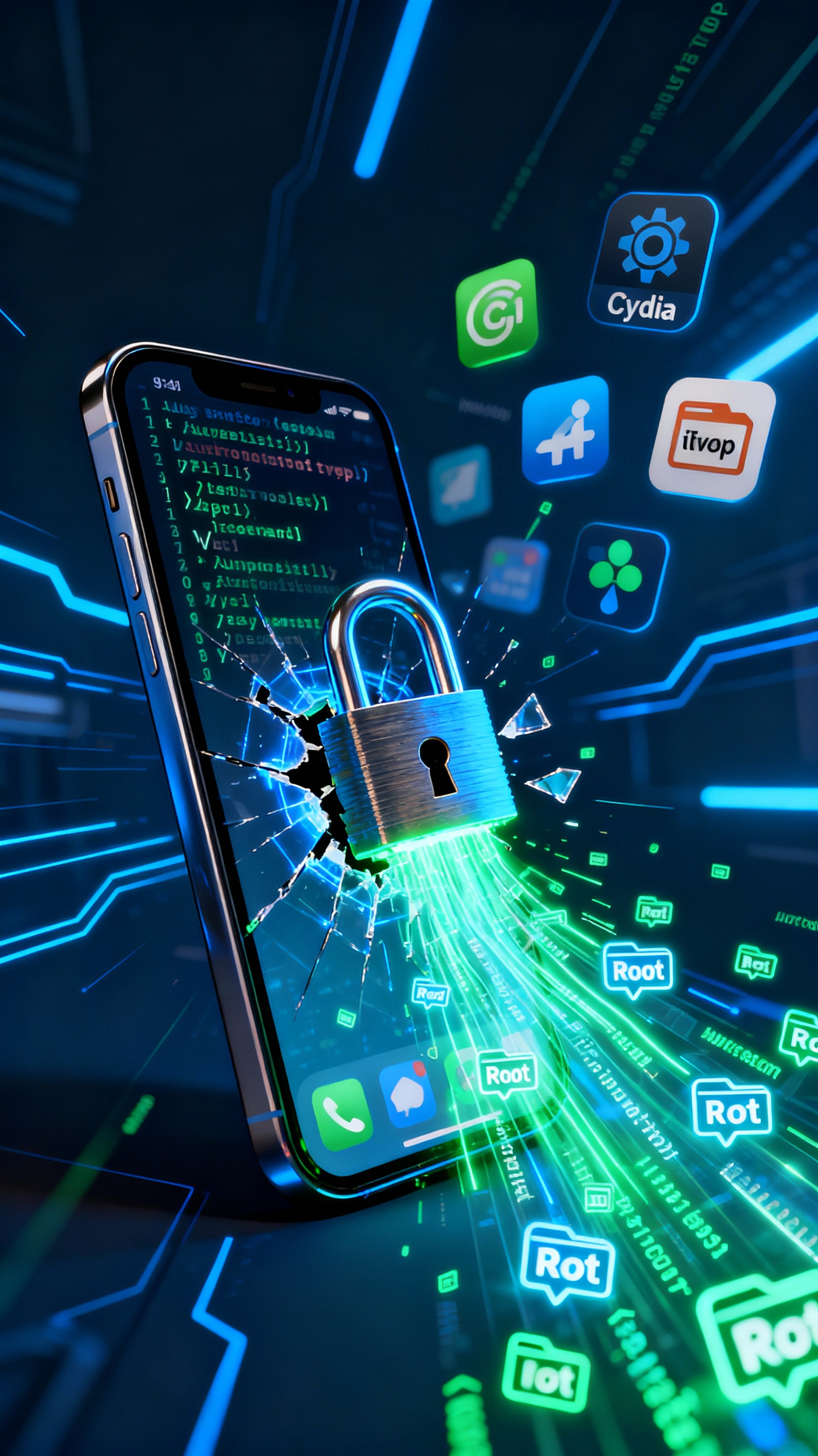
The process of jailbreaking involves using specialized tools to exploit a vulnerability in the operating system. Once the vulnerability is triggered, the user gains root access, allowing them to modify system files and controls that are normally protected.
There are two main types of jailbreaks:
Tethered Jailbreak
A tethered jailbreak requires the device to be connected to a computer each time it restarts. Without connecting to the computer and running special software, the device will not fully boot into a jailbroken state.
Untethered Jailbreak
An untethered jailbreak is self-contained. Once applied, the device remains jailbroken even after restarting, without requiring a computer. This type is more desirable but also more complex to develop.
Most jailbreak tools are created by independent cybersecurity researchers and distributed free of charge. They include detailed instructions and often an app store alternative like Cydia, which allows users to install unauthorized apps and customizations.
Jailbreaking vs. Rooting vs. Cracking
Jailbreaking is often confused with other similar practices, but there are key differences.
Jailbreaking
- Applies mainly to Apple devices
- Removes system restrictions
- Allows installation of unauthorized apps
- Grants deeper control over the device
Rooting
- Applies mainly to Android devices
- Provides superuser access
- Allows installation of custom ROMs and system modifications
Cracking
- Refers to bypassing or modifying software restrictions
- Often associated with piracy
- Used to remove DRM or licensing limits
While all three practices involve overriding restrictions, jailbreaking is specifically tied to gaining root-level access on iOS devices.
Is Jailbreaking Legal?
The legality of jailbreaking varies by country and often depends on how it is used.
United States
Jailbreaking a phone for the purpose of installing legally obtained apps is allowed under exemptions to the Digital Millennium Copyright Act (DMCA). However, using jailbreaking for piracy or unauthorized access to copyrighted content remains illegal.
Europe and the UK
There are no explicit laws banning jailbreaking, but device warranties become void. If jailbreaking leads to harmful use of copyrighted tools or software, legal issues may arise.
Other Regions
Laws vary widely, and in many countries the practice has not been tested in courts.
Regardless of location, jailbreaking almost always voids the device warranty. Manufacturers can refuse to repair or service a jailbroken device, even if the issue is unrelated to the jailbreak itself.
Is Jailbreaking Safe?
Although jailbreaking may provide greater freedom, it also removes important layers of protection. When you jailbreak your phone, you bypass many of the built-in security features designed to safeguard your data and privacy.
Jailbroken devices may face:
- Security vulnerabilities
- System instability
- Unexpected crashes
- Shortened battery life
- Exposure to unverified apps
- Increased risk of data breaches
Manufacturers warn against jailbreaking because it makes devices more susceptible to cyberattacks. Many real-world malware cases on iPhones occurred only on devices that had been jailbroken, proving how much risk the process introduces.
Advantages of Jailbreaking
Despite the risks, millions of users have jailbroken their devices for specific benefits.
Some advantages include:
Greater Customization
Apple provides a uniform interface across all iPhones. Jailbreaking allows users to:
- Customize icons, themes, and animations
- Add new system gestures
- Modify the home screen layout
- Install custom widgets
Access to Restricted Apps
Some apps are rejected by the App Store due to policy rules. Jailbreaking allows users to install:
- Emulators
- System monitoring tools
- Networking utilities
- File explorers
Removal of Preinstalled Apps
Many default apps cannot be removed on standard iOS. Jailbreaking makes it possible to delete or replace them.
Deeper System Control
Jailbreaking grants full access to the file system, enabling advanced tasks like:
- Changing system fonts
- Adjusting background processes
- Adding new control center shortcuts
Access to Extra Anti-Theft Features
Some jailbroken devices can install advanced tracking tools that work offline or in airplane mode.
Disadvantages and Risks of Jailbreaking
While the benefits may be appealing, the disadvantages often outweigh them.
Loss of Automatic Updates
A jailbroken device cannot safely install new updates. Users must wait for updated jailbreak tools, which may take weeks or months.
Voided Warranty
Jailbreaking violates Apple’s software license agreement. If something goes wrong, users are fully responsible.
Increased Battery Drain
Non-optimized tweaks and background processes can reduce battery life significantly.
Device Instability
Users may experience:
- Frequent app crashes
- System freezes
- Incompatibilities with built-in features
Network Problems
Jailbreaking can trigger:
- Dropped calls
- Slow data connections
- Incorrect location tracking
Higher Security Exposure
Jailbreaking removes protections, making the device vulnerable to:
- Malware
- Spyware
- Unauthorized root access
- Keyloggers
The infamous KeyRaider breach, which stole Apple IDs and passwords from thousands of users, affected mainly jailbroken devices.
Also Read: What Is Steganography? Definition and Explanation
Business and Enterprise Risks
If an employee jailbreaks a company-owned phone, the entire organization may be at risk. Business data, emails, passwords, and proprietary documents can be exposed without the company’s knowledge.
For this reason, enterprises often use Mobile Device Management systems that detect and block jailbroken devices from accessing corporate resources.
How to Fix a Jailbroken Phone
If someone wants to reverse a jailbreak, the solution is straightforward: restore the device to factory settings.
The process involves:
- Backing up the device to iCloud or a computer
- Connecting the device to iTunes
- Disabling “Find My iPhone”
- Using the Restore option to reinstall a clean version of iOS
This removes all jailbreak data and returns the phone to its normal state. In cases where standard restore fails, Recovery Mode can be used to wipe the device completely.
Should You Jailbreak Your Device?
Jailbreaking provides deeper control, but it also introduces significant risks. Users should consider:
- Do they need custom features badly enough?
- Can they handle potential security threats?
- Are they willing to lose warranty protection?
- Are they prepared for instability and frequent troubleshooting?
For most users, the disadvantages tend to outweigh the benefits. The modern iOS ecosystem already offers expanding customization options and enhanced functionality, reducing the need for jailbreaking compared to earlier years.
Conclusion
Jailbreaking remains one of the most controversial practices in the world of consumer technology. It offers freedom, customization, and control, but at the cost of security, stability, and warranty protection. Understanding what jailbreaking is, how it works, and the potential consequences is essential before deciding whether it is worth attempting.
Devices today are more capable and customizable than ever, making jailbreaking less common and less necessary. Still, it remains a fascinating example of how users push the boundaries of technology in search of greater control over the digital tools they own.