The world is undeniably digital. From mobile payments and virtual IDs to cloud-based platforms and remote authentication, nearly every interaction today happens online. Yet, despite this rapid digitization, physical cards continue to hold a powerful and irreplaceable position in modern society. Rather than becoming obsolete, physical cards have evolved, adapted, and in many cases grown stronger in relevance.
In this blog, we explore why physical cards in a digital era are not only surviving but thriving. We’ll examine their growing strength, their role in building trust, how they integrate with cloud computing, and why they remain a phenomenal marketing and identity tool in a technology-driven world.
Physical Cards Have Never Been Stronger Than Today
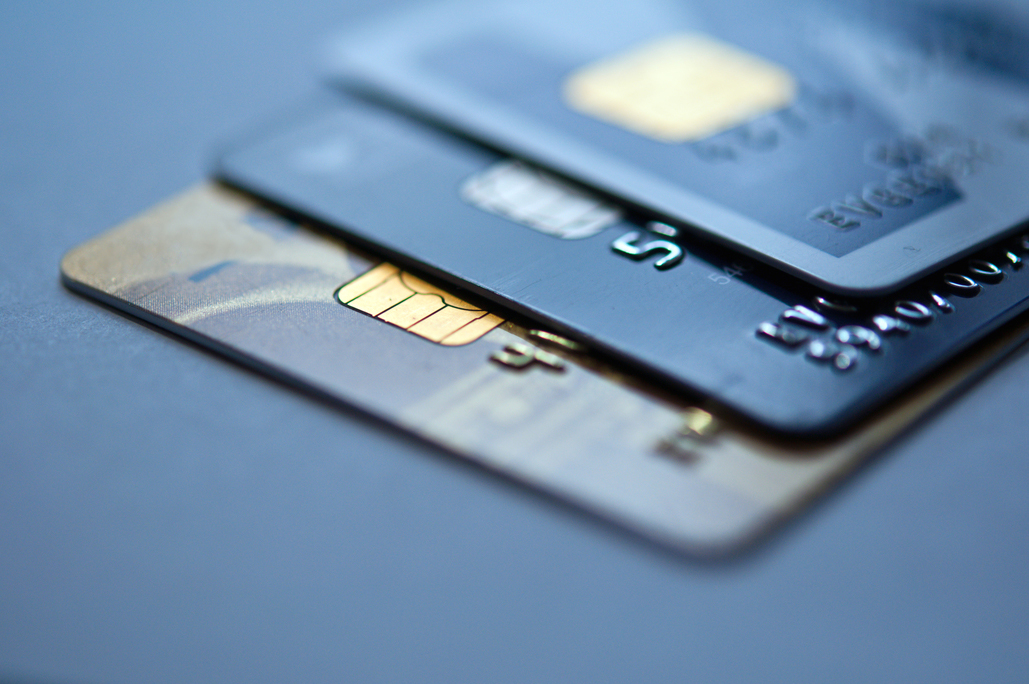
At first glance, it may seem counterintuitive to say that physical cards are stronger than ever. With smartphones replacing wallets and digital identities becoming mainstream, many predicted the decline of physical cards. The reality, however, tells a very different story.
The Enduring Demand for Physical Cards
Physical cards—including payment cards, ID cards, access cards, loyalty cards, and business cards—continue to be widely used across industries. Governments, banks, enterprises, and educational institutions still rely heavily on physical cards for secure identification and authentication.
One key reason for this is reliability. Physical cards do not depend entirely on battery life, internet connectivity, or device compatibility. In critical situations—airports, hospitals, secure facilities—physical cards provide instant, dependable access.
Physical Cards and Digital Complementarity
Rather than competing with digital solutions, physical cards now complement digital ecosystems. Many physical cards are connected to backend systems powered by cloud computing, enabling real-time verification, updates, and analytics. This hybrid model strengthens their value rather than diminishing it.
In short, physical cards have not been replaced—they have been reinforced.
Physical Cards Gearing Up for the Future With Cloud Computing
The future of physical cards is not analog—it is deeply connected to cloud computing and smart technologies.
How Physical Cards Are Evolving
Modern physical cards are no longer static pieces of plastic. Today, they often include:
- Embedded chips
- Contactless NFC technology
- QR codes linked to cloud platforms
- Biometric-enabled authentication
These advancements allow physical cards to act as secure access points to digital services stored and managed through cloud computing infrastructures.
Cloud Computing and Card Management
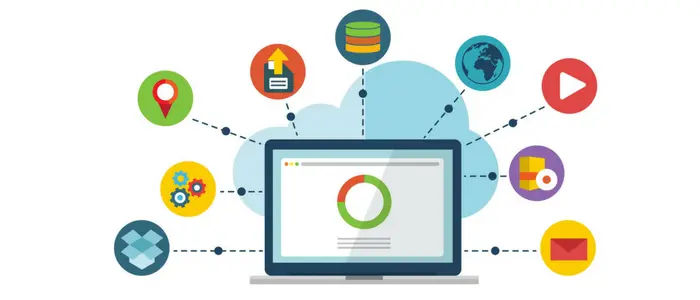
With cloud computing, organizations can:
- Instantly activate or deactivate physical cards
- Update user permissions in real time
- Monitor card usage across locations
- Integrate cards with mobile apps and digital wallets
This evolution ensures that physical cards remain flexible, scalable, and future-ready. As cloud platforms grow more sophisticated, physical cards become smarter, not redundant.
Physical Cards as a Tangible Symbol of Trust in a Digital Era
Trust is one of the most valuable currencies in today’s digital-first world. Ironically, as interactions become more virtual, people increasingly value tangible proof of identity and authenticity—and this is where physical cards excel.
Why Tangibility Still Matters
A physical card offers something digital credentials often cannot: a sense of permanence and legitimacy. Holding a card in hand—whether it’s an employee ID, bank card, or government-issued identification—creates psychological reassurance.
This tangible presence:
- Enhances credibility
- Reduces perceived fraud risk
- Strengthens personal and professional trust
Physical Cards in High-Trust Environments
In sectors such as banking, healthcare, education, and government, physical cards remain a trusted medium. Even when digital systems powered by cloud computing handle backend processes, the physical card acts as the trusted front-facing symbol of identity.
In a digital era where cyber threats are rising, physical cards provide a visible layer of trust that people instinctively understand.
Physical Cards Leveraged Into Phenomenal Marketing Tools
Beyond security and identity, physical cards have evolved into powerful marketing assets.
Physical Cards as Brand Touchpoints
Unlike digital ads that disappear with a swipe, physical cards are tangible brand reminders. Business cards, loyalty cards, gift cards, and membership cards keep a brand physically present in a customer’s daily life.
A well-designed physical card:
- Enhances brand recall
- Creates emotional connection
- Adds perceived value
Marketing Meets Cloud Computing
When integrated with cloud computing, physical cards become data-driven marketing tools. For example:
- Loyalty cards track purchases in real time
- QR-enabled cards lead users to personalized landing pages
- Access cards provide insights into customer behavior
This blend of physical presence and cloud-powered intelligence enables highly targeted, measurable, and effective marketing strategies.
Physical Cards Standing Strong in a Digital Era
Despite the rise of apps, wallets, and virtual identities, physical cards continue to stand strong in a digital era.
Why Physical Cards Still Matter
Physical cards offer advantages that purely digital solutions struggle to match:
- Universal usability
- Immediate recognition
- Ease of access
- Strong security perception
They also serve as a fallback when digital systems fail—whether due to outages, cybersecurity incidents, or device limitations.
A Hybrid Future, Not a Replacement
The future is not physical versus digital—it is physical plus digital. Physical cards, supported by cloud computing and secure digital platforms, create a resilient and user-friendly ecosystem that serves diverse needs.
What Is Cloud Computing and Its Role in Physical Cards
Also Read: What Is Data Integrity and Why Is It Important?
To fully understand the modern relevance of physical cards, it’s important to clarify what cloud computing is.
What Is Cloud Computing?
Cloud computing refers to the delivery of computing services—such as storage, servers, databases, software, and analytics—over the internet. Instead of relying on local systems, organizations access these resources on-demand through secure cloud platforms.
Cloud Computing and Physical Cards
Cloud computing enables:
- Centralized card management
- Real-time authentication
- Scalable issuance of physical cards
- Secure storage of user credentials
In essence, cloud computing acts as the intelligence behind physical cards, making them smarter, more secure, and easier to manage.
FAQs
Are physical cards still relevant in a digital-first world?
Yes. Physical cards remain essential due to their reliability, trust factor, and ability to complement digital systems.
How do physical cards work with cloud computing?
Physical cards connect to cloud platforms for authentication, updates, analytics, and lifecycle management.
Are physical cards secure?
Modern physical cards use encryption, chips, and cloud-based security protocols, making them highly secure.
Can physical cards support contactless and mobile integration?
Absolutely. Many physical cards now support NFC, QR codes, and mobile app connectivity.
Will physical cards disappear in the future?
Unlikely. Instead of disappearing, physical cards are evolving into smarter, hybrid tools supported by cloud computing.
Conclusion
The narrative that physical cards would become obsolete in a digital era has proven to be inaccurate. Instead, physical cards have adapted, evolved, and strengthened their role by integrating with cloud computing and modern technologies.
They provide trust in an intangible digital world, reliability when systems fail, and a tangible connection between people and organizations. From security and identity to marketing and customer engagement, physical cards continue to deliver unmatched value.
As we move forward, the most successful strategies will not abandon physical cards—but will embrace their integration with cloud-powered digital ecosystems. In this hybrid future, physical cards are not relics of the past; they are pillars of modern innovation.

Debabrata Behera is a passionate blogger who writes about digital trends, personal growth, and practical insights, helping readers stay informed, inspired, and ready to achieve success in life.