The world is undeniably digital. From mobile payments and virtual IDs to cloud-based platforms and remote authentication, nearly every interaction today happens online. Yet, despite this rapid digitization, physical cards continue to hold a powerful and irreplaceable position in modern society. Rather than becoming obsolete, physical cards have evolved, adapted, and in many cases grown stronger in relevance.
In this blog, we explore why physical cards in a digital era are not only surviving but thriving. We’ll examine their growing strength, their role in building trust, how they integrate with cloud computing, and why they remain a phenomenal marketing and identity tool in a technology-driven world.
Physical Cards Have Never Been Stronger Than Today
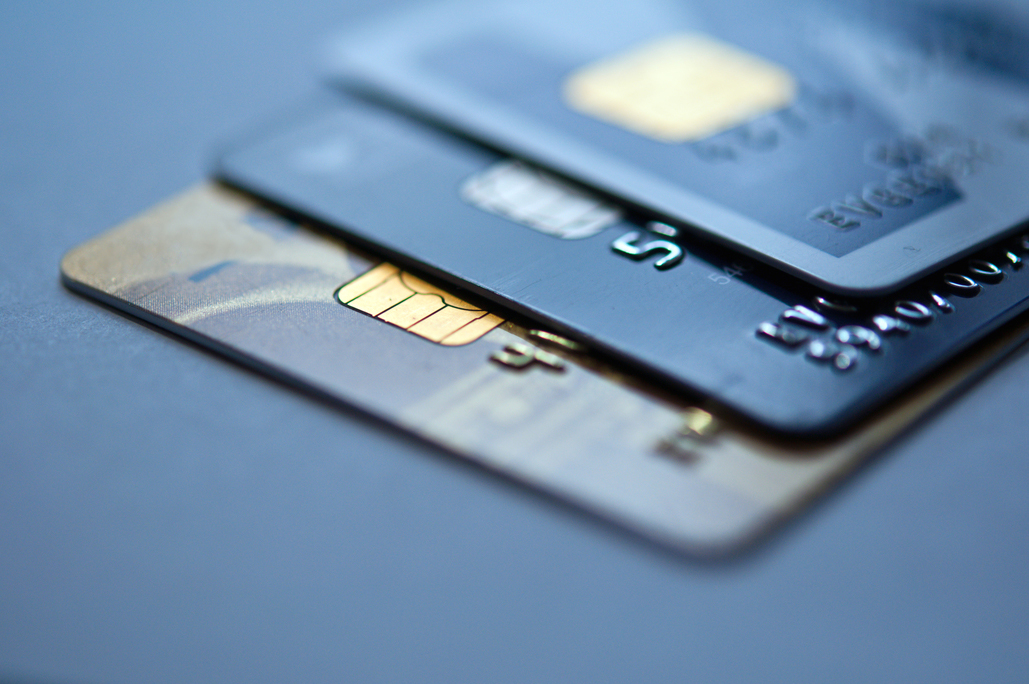
At first glance, it may seem counterintuitive to say that physical cards are stronger than ever. With smartphones replacing wallets and digital identities becoming mainstream, many predicted the decline of physical cards. The reality, however, tells a very different story.
The Enduring Demand for Physical Cards
Physical cards—including payment cards, ID cards, access cards, loyalty cards, and business cards—continue to be widely used across industries. Governments, banks, enterprises, and educational institutions still rely heavily on physical cards for secure identification and authentication.
One key reason for this is reliability. Physical cards do not depend entirely on battery life, internet connectivity, or device compatibility. In critical situations—airports, hospitals, secure facilities—physical cards provide instant, dependable access.
Physical Cards and Digital Complementarity
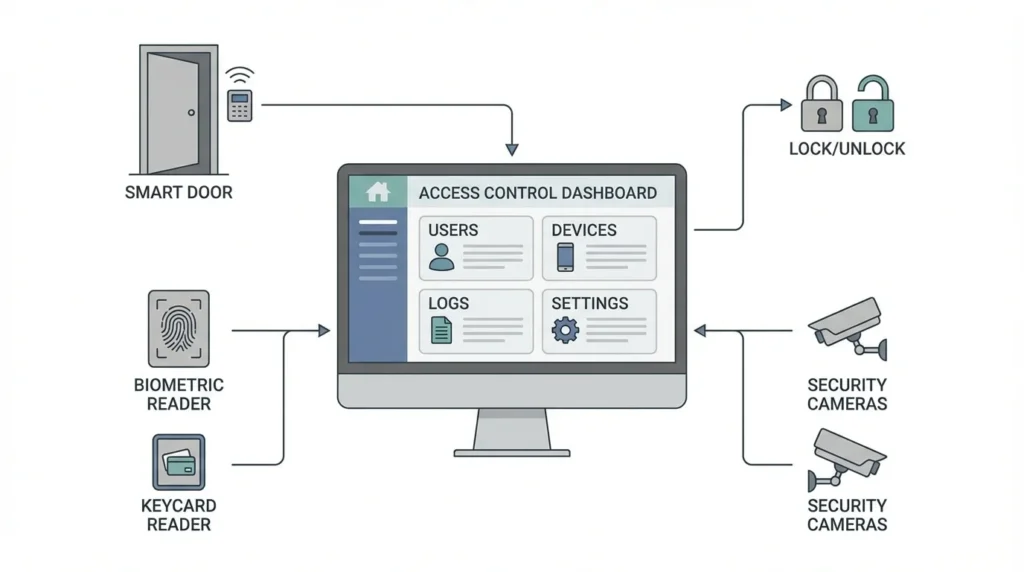
Rather than competing with digital solutions, physical cards now complement digital ecosystems. Many physical cards are connected to backend systems powered by cloud computing, enabling real-time verification, updates, and analytics. This hybrid model strengthens their value rather than diminishing it.
In short, physical cards have not been replaced—they have been reinforced.
Physical Cards Gearing Up for the Future With Cloud Computing
The future of physical cards is not analog—it is deeply connected to cloud computing and smart technologies.
How Physical Cards Are Evolving
Modern physical cards are no longer static pieces of plastic. Today, they often include:
- Embedded chips
- Contactless NFC technology
- QR codes linked to cloud platforms
- Biometric-enabled authentication
These advancements allow physical cards to act as secure access points to digital services stored and managed through cloud computing infrastructures.
Cloud Computing and Card Management
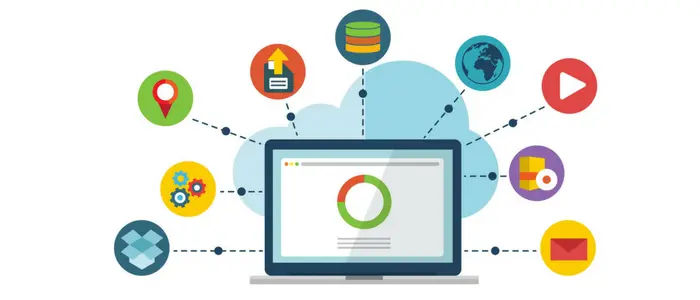
With cloud computing, organizations can:
- Instantly activate or deactivate physical cards
- Update user permissions in real time
- Monitor card usage across locations
- Integrate cards with mobile apps and digital wallets
This evolution ensures that physical cards remain flexible, scalable, and future-ready. As cloud platforms grow more sophisticated, physical cards become smarter, not redundant.
Physical Cards as a Tangible Symbol of Trust in a Digital Era
Trust is one of the most valuable currencies in today’s digital-first world. Ironically, as interactions become more virtual, people increasingly value tangible proof of identity and authenticity—and this is where physical cards excel. In an age where fingerprints unlock phones, faces authenticate payments, and voices verify bank calls, it might seem like the humble plastic card should be on its way out. Yet the opposite has happened: physical cards remain deeply embedded in how we conduct trust-based interactions, precisely because they offer something that purely digital systems still struggle to replicate.
Why Tangibility Still Matters
There’s a psychological dimension to identity verification that often gets overlooked in conversations dominated by biometrics, encryption, and authentication algorithms. A physical card offers something digital credentials often cannot: a sense of permanence and legitimacy. Holding a card in hand—whether it’s an employee ID, bank card, or government-issued identification—creates psychological reassurance that a string of numbers on a screen simply doesn’t replicate.
This isn’t just sentimentality. It reflects something fundamental about how humans process trust and legitimacy.
The Weight of Physical Evidence
Human beings have evolved to trust what they can physically perceive—touch, see, and hold. A digital credential exists as an abstraction: a database entry, an app notification, a QR code that could theoretically be screenshotted or forwarded. A physical card, by contrast, is a discrete, singular object. It has weight, texture, and often visible security features—holograms, embossed lettering, microprinting—that a person can inspect with their own senses. This sensory engagement creates a stronger, more immediate sense of authenticity than a purely digital equivalent.
The Ritual of Presentation
There’s also a social and ceremonial aspect to handing someone a card. Presenting a physical ID at a border crossing, tapping a badge to enter a secure office, or handing a bank card to a teller are small rituals of trust exchange. These interactions carry a formality and deliberateness that digital taps or app-based verifications, for all their convenience, often lack. This ritual reinforces the seriousness of the transaction taking place.
Breaking Down the Core Benefits
The tangible presence of a physical card delivers several concrete advantages:
Enhances credibility. A well-designed physical card—particularly one issued by a recognized institution like a government agency, bank, or established employer—instantly signals legitimacy. The visual design language of official cards (security holograms, official seals, consistent typography, tamper-evident features) has been refined over decades specifically to be instantly recognizable and hard to convincingly fake. This visual credibility can be assessed instantly, without needing to trust a third-party verification system or an internet connection.
Reduces perceived fraud risk. Because physical cards are difficult to duplicate without specialized equipment, and because many carry visible anti-counterfeiting measures, people instinctively perceive them as harder to fake than something purely digital, which can sometimes feel more abstract and vulnerable to hacking, screenshotting, or account takeover. Even if, in reality, a digital credential might be technically more secure through encryption, the perceived trustworthiness of something you can physically hold and inspect tends to be higher.
Strengthens personal and professional trust. In professional settings, presenting a physical employee badge or ID card carries a certain gravitas. It signals that a person has gone through a formal vetting and issuance process—background checks, identity verification, approval by an institution—which lends weight to their claimed identity or role. This matters enormously in contexts like healthcare, where a physical badge might be the quickest visual cue a patient has that the person in front of them is genuinely authorized medical staff.
Physical Cards in High-Trust Environments
Certain sectors have particularly high stakes when it comes to identity verification, and it’s precisely in these sectors that physical cards continue to thrive. In sectors such as banking, healthcare, education, and government, physical cards remain a trusted medium—not because these industries haven’t modernized, but because the physical card serves a specific, irreplaceable function within a broader digital ecosystem.
Banking: The Card as Anchor Point
Even as banking has moved dramatically toward mobile apps, contactless payments, and digital wallets, the physical bank card hasn’t disappeared—it’s evolved into something more like an anchor point for trust. Customers still expect a tangible card when they open an account, and that card often serves as a fallback option when digital systems fail (a dead phone battery, a software glitch, an app outage). Banks understand that offering a physical card alongside digital options isn’t redundant; it’s reassurance. It tells the customer: even if the app fails you, you have something real in your wallet.
Healthcare: Speed and Clarity in Critical Moments
In healthcare settings, physical ID cards—whether for patients, staff, or insurance verification—provide something crucial: instant, low-friction verification in moments where speed matters. A nurse glancing at a colleague’s badge, or an emergency room quickly checking a patient’s insurance card, doesn’t have time to navigate a digital verification portal. The physical card provides an immediate visual confirmation that supports rapid decision-making, which can be genuinely important in time-sensitive medical contexts.
Education: Identity Across a Community
Educational institutions—from universities to K-12 schools—rely heavily on physical student and staff ID cards. These serve multiple simultaneous purposes: building access, library privileges, meal plan verification, and simple visual identification within a large, ever-changing community of students and faculty. The physical card becomes a unifying credential that ties together many different systems and privileges into one object that’s easy to check at a glance.
Government: The Gold Standard of Identity
Perhaps nowhere is the trust placed in physical cards more evident than in government-issued identification—passports, driver’s licenses, national ID cards. These documents represent the most formalized, rigorously verified form of identity that exists in most people’s lives, and governments have invested enormous resources into making them resistant to forgery: watermarks, embedded chips, laser-engraved photos, ultraviolet-reactive inks, and more. Despite the rise of digital ID initiatives in many countries, physical versions remain the default and most widely accepted form, largely because they don’t depend on internet connectivity, battery life, or third-party verification systems to be checked.
The Hybrid Model: Physical Cards as the Trusted Front End
What’s particularly interesting is how physical cards now coexist with, rather than compete against, sophisticated digital infrastructure. Even when digital systems powered by cloud computing handle backend processes, the physical card acts as the trusted front-facing symbol of identity. Behind the scenes, a bank card swipe or tap triggers a complex chain of cloud-based verification, fraud detection algorithms, and real-time database checks—but the customer experience remains simple and tangible: tap the card, get confirmation. This division of labor plays to the strengths of both approaches. The cloud handles the heavy computational lifting, cross-referencing, and real-time fraud analysis; the physical card handles the human-facing moment of trust, providing something people can hold, verify with their eyes, and rely on even in situations where connectivity is unreliable.
A Visible Layer of Trust in an Age of Invisible Threats
Perhaps the most compelling reason physical cards persist comes down to this: in a digital era where cyber threats are rising, physical cards provide a visible layer of trust that people instinctively understand. Cybersecurity threats—data breaches, phishing, account takeovers, deepfakes—are often invisible until the damage is already done. A compromised digital identity can be stolen and misused without the victim even knowing for days or weeks. A physical card, by contrast, offers a kind of transparency: if it’s lost or stolen, that fact is immediately, physically apparent. There’s no ambiguity about whether it’s “in someone else’s hands.”
This visibility creates a psychological comfort that’s hard to overstate. People have spent their entire lives learning to trust physical objects—money, documents, keys—as extensions of their identity and security. Even as the world races toward biometric authentication, blockchain identity systems, and fully digital wallets, that instinct doesn’t disappear overnight. Physical cards tap into a form of trust that’s older than computing itself, and that’s precisely why they remain so resilient even in an increasingly virtual world.
Looking Ahead: Coexistence, Not Replacement
The future of identity verification likely isn’t a binary choice between physical and digital—it’s a thoughtful blending of both. Smart cards with embedded chips, cards linked to mobile wallets, and hybrid systems that combine a physical card’s tangibility with a digital backend’s computational power all point toward a future where physical cards evolve rather than vanish. As long as human trust continues to be shaped by what we can touch, see, and hold, physical cards will remain a meaningful, irreplaceable part of how identity and legitimacy are communicated—even in an increasingly digital world.
Physical Cards Leveraged Into Phenomenal Marketing Tools
Beyond security and identity, physical cards have evolved into powerful marketing assets. What began as simple tools for transactions and access control has quietly become one of the most effective, enduring mediums in a marketer’s toolkit—precisely because it does something digital ads simply cannot: it occupies physical space in a customer’s life, day after day, without needing to compete for attention on a crowded screen.
Physical Cards as Brand Touchpoints
Digital advertising has a fundamental limitation that marketers rarely like to admit: it’s fleeting. A banner ad, a social media post, or a sponsored search result appears for a few seconds and then vanishes, competing against dozens of other stimuli for a shrinking attention span. Unlike digital ads that disappear with a swipe, physical cards are tangible brand reminders. Business cards, loyalty cards, gift cards, and membership cards keep a brand physically present in a customer’s daily life—tucked into a wallet, pinned to a corkboard, sitting on a desk, or handed between colleagues at a networking event.
This persistent physical presence creates a fundamentally different kind of brand relationship than digital touchpoints can achieve.
The Psychology of a Well-Designed Card
A well-designed physical card does far more than simply identify a business or account—it functions as a small, portable piece of brand identity. Let’s unpack why this matters so much.
Enhances brand recall. Every time someone opens their wallet and sees a card, they’re exposed to that brand’s colors, logo, typography, and overall design language—completely passively, without any active marketing effort required. This is sometimes called the “mere exposure effect” in psychology: the more familiar something appears through repeated, low-effort exposure, the more favorably people tend to regard it. A loyalty card sitting in a wallet is, in effect, a tiny recurring advertisement that the customer carries voluntarily and looks at repeatedly, often without even consciously registering it as marketing.
Creates emotional connection. Physical objects carry emotional weight that digital equivalents often lack. Think about how differently it feels to receive a beautifully designed membership card in the mail—thick cardstock, tasteful embossing, a premium finish—compared to receiving an email confirmation. The physical card feels like a gift, an invitation into something exclusive. This is why luxury brands, premium loyalty programs, and high-end memberships often invest heavily in card design and materials: the tactile experience of holding the card becomes part of the emotional value proposition itself.
Adds perceived value. There’s a well-documented psychological phenomenon where physical, well-crafted objects are perceived as more valuable than their digital counterparts, even when they technically provide the same function. A metal credit card, for instance, often carries more prestige than a plastic one, even if the underlying account benefits are identical. Brands have learned to leverage this: a heavier, more substantial card communicates “premium” before the customer even reads a word of marketing copy.
Business Cards: Marketing in Miniature
It’s worth pausing specifically on business cards, which might seem like a relic in the age of LinkedIn and digital contact sharing. Yet business cards persist precisely because they function as a physical extension of a professional’s brand and credibility. Handing someone a business card is a small ceremonial act that digital contact exchange doesn’t replicate—it says “I am prepared, professional, and I value this interaction enough to give you something tangible.” A creatively designed business card can also serve as a conversation starter or memorable artifact long after a networking event ends, sitting in a drawer or pinned to a board where a digital contact entry would simply disappear into a phone’s address book.
Marketing Meets Cloud Computing
While the tangible, emotional benefits of physical cards are powerful on their own, the real transformation has come from combining physical cards with digital infrastructure. When integrated with cloud computing, physical cards become data-driven marketing tools—no longer just passive brand reminders, but active nodes in a connected marketing ecosystem that captures data, personalizes experiences, and measures results in real time.
Loyalty Cards That Track Purchases in Real Time
Traditional loyalty cards—paper punch cards stamped after every purchase—were charmingly simple but offered businesses almost no insight into customer behavior. Modern loyalty cards, linked to cloud-based systems, change this entirely. Loyalty cards track purchases in real time, meaning every swipe, tap, or scan feeds data back into a centralized system that can analyze purchasing patterns, frequency, average spend, and product preferences. This transforms the loyalty card from a simple discount mechanism into a rich source of customer intelligence—businesses can identify their most valuable customers, spot buying trends as they happen, and trigger personalized offers based on actual behavior rather than guesswork.
QR-Enabled Cards and Personalized Digital Experiences
One of the most elegant innovations in this space is the QR-enabled card, which bridges the physical and digital worlds seamlessly. QR-enabled cards lead users to personalized landing pages, meaning a single scan can direct a customer to content tailored specifically to them—their purchase history, their location, their membership tier, or a promotion designed around their known preferences. This turns a static physical object into a dynamic gateway: the card itself never changes, but the digital experience behind the QR code can be updated, personalized, and optimized continuously without ever needing to reprint or replace the physical card.
Access Cards as Behavioral Data Sources
Even cards designed primarily for access control—employee badges, venue entry cards, gym membership cards—have taken on a secondary marketing function. Access cards provide insights into customer behavior, capturing data like visit frequency, peak usage times, and facility engagement patterns. A gym, for example, can use access card data to understand which members are at risk of canceling due to declining visit frequency, then proactively target them with re-engagement offers—turning what was once a simple entry mechanism into a genuinely valuable behavioral analytics tool.
The Bigger Picture: Measurable, Targeted Marketing
This blend of physical presence and cloud-powered intelligence enables highly targeted, measurable, and effective marketing strategies. In an era where marketers are under constant pressure to justify spend with clear ROI data, this combination is particularly valuable. Unlike traditional print advertising, whose impact is notoriously difficult to measure, cloud-connected physical cards generate a continuous stream of quantifiable data: scan rates, redemption rates, purchase correlations, and engagement patterns. This allows businesses to treat physical cards not as a one-time design investment, but as an evolving, optimizable marketing channel—testing different offers, tracking which incentives drive the most engagement, and refining their approach based on real customer response data.
Physical Cards Standing Strong in a Digital Era
Given everything digital marketing and digital wallets now offer, it would be reasonable to assume physical cards are fading into obsolescence. Yet despite the rise of apps, wallets, and virtual identities, physical cards continue to stand strong in a digital era—and understanding why reveals something important about the limits of purely digital solutions.
Why Physical Cards Still Matter
Physical cards offer advantages that purely digital solutions struggle to match, and these advantages go beyond nostalgia or habit—they reflect genuine practical benefits.
Universal usability. Not everyone has a smartphone, and even among those who do, not everyone is comfortable navigating apps, digital wallets, or QR code scanning. Physical cards work for everyone—young, old, tech-savvy or not—without requiring any specific device, app download, account setup, or digital literacy. This universality makes physical cards an essential inclusivity tool, ensuring that loyalty programs, membership systems, and access control don’t inadvertently exclude segments of the population who are less comfortable with digital-only solutions.
Immediate recognition. A physical card can be recognized and processed instantly, without any loading time, app opening, or internet dependency. In fast-paced environments—a busy checkout line, a crowded event entrance, a quick tap-to-pay transaction—this immediacy matters enormously. There’s no waiting for an app to load or a QR code to scan properly; the card is simply presented and processed.
Ease of access. Physical cards don’t require battery life, cellular signal, or Wi-Fi connectivity to function. A phone with a dead battery renders every digital wallet, every mobile loyalty app, and every digital ID completely useless in that moment. A physical card, by contrast, works regardless of the state of any electronic device, making it a remarkably reliable form of access and identification.
Strong security perception. As discussed in the broader conversation around trust and identity, physical cards continue to carry a strong sense of security in people’s minds. Even as digital security measures become more technically sophisticated, the average consumer often feels more confident with something tangible they can hold, inspect, and physically protect.
The Critical Fallback Function
Perhaps one of the most underappreciated roles of physical cards in the modern era is their function as a fallback when digital systems fail. They also serve as a fallback when digital systems fail—whether due to outages, cybersecurity incidents, or device limitations. Digital infrastructure, for all its sophistication, is not infallible: servers go down, apps crash, cyberattacks disrupt services, and software updates sometimes introduce bugs that temporarily break functionality. In these moments, businesses and institutions that have maintained physical card options can continue operating smoothly, while those relying purely on digital systems may find themselves completely unable to serve customers.
This resilience factor alone makes a compelling case for why smart organizations continue to invest in physical card infrastructure even as they build out increasingly sophisticated digital experiences. It’s not about choosing one over the other—it’s about ensuring continuity of service no matter what technical challenges arise.
A Hybrid Future, Not a Replacement
All of this points toward a clear and increasingly consensus view among businesses, marketers, and technologists: the future is not physical versus digital—it is physical plus digital. Physical cards, supported by cloud computing and secure digital platforms, create a resilient and user-friendly ecosystem that serves diverse needs.
This hybrid approach allows organizations to capture the best of both worlds. The physical card delivers universal accessibility, emotional resonance, tangible brand presence, and reliable fallback functionality. The digital layer—powered by cloud computing—delivers real-time data collection, personalization, measurable analytics, and the flexibility to update and optimize experiences without needing to redesign or reissue physical materials.
Rather than viewing physical cards as a legacy technology being slowly phased out, forward-thinking businesses are recognizing them as a foundational touchpoint that, when thoughtfully integrated with digital capabilities, becomes more powerful than either physical or digital approaches could be alone. The card in someone’s wallet isn’t a relic of a pre-digital age—it’s an evolving, increasingly intelligent bridge between the tangible world people instinctively trust and the digital infrastructure that powers modern business. As long as human beings continue to value what they can hold, see, and physically carry with them, physical cards will remain not just relevant, but strategically essential—reinvented continuously by the digital technologies that now work alongside them, rather than against them.
What Is Cloud Computing and Its Role in Physical Cards
Also Read: What Is Data Integrity and Why Is It Important?
To fully understand the modern relevance of physical cards, it’s important to clarify what cloud computing is.
What Is Cloud Computing?
Cloud computing refers to the delivery of computing services—such as storage, servers, databases, software, and analytics—over the internet. Instead of relying on local systems, organizations access these resources on-demand through secure cloud platforms.
Cloud Computing and Physical Cards
Cloud computing enables:
- Centralized card management
- Real-time authentication
- Scalable issuance of physical cards
- Secure storage of user credentials
In essence, cloud computing acts as the intelligence behind physical cards, making them smarter, more secure, and easier to manage.
Conclusion
The narrative that physical cards would become obsolete in a digital era has proven to be inaccurate. Instead, physical cards have adapted, evolved, and strengthened their role by integrating with cloud computing and modern technologies.
They provide trust in an intangible digital world, reliability when systems fail, and a tangible connection between people and organizations. From security and identity to marketing and customer engagement, physical cards continue to deliver unmatched value.
As we move forward, the most successful strategies will not abandon physical cards—but will embrace their integration with cloud-powered digital ecosystems. In this hybrid future, physical cards are not relics of the past; they are pillars of modern innovation.

Frequently Asked Questions
Are physical cards still relevant in a digital-first world?
Yes. Physical cards remain essential due to their reliability, trust factor, and ability to complement digital systems.
How do physical cards work with cloud computing?
Physical cards connect to cloud platforms for authentication, updates, analytics, and lifecycle management.
Are physical cards secure?
Modern physical cards use encryption, chips, and cloud-based security protocols, making them highly secure.
Can physical cards support contactless and mobile integration?
Absolutely. Many physical cards now support NFC, QR codes, and mobile app connectivity.
Will physical cards disappear in the future?
Unlikely. Instead of disappearing, physical cards are evolving into smarter, hybrid tools supported by cloud computing.
Debabrata Behera is a passionate blogger who writes about digital trends, personal growth, and practical insights, helping readers stay informed, inspired, and ready to achieve success in life.