In today’s digital-first world, cybersecurity threats are no longer limited to quick hacks or short-term system disruptions. Some of the most dangerous cyberattacks are slow, silent, and highly strategic. One such threat is known as an APT, or Advanced Persistent Threat. Unlike common cyberattacks that aim for immediate impact, an APT attack is designed to infiltrate a system quietly, remain undetected for long periods, and continuously extract valuable information.
Advanced persistent threats represent a serious risk to organizations of all sizes because they combine technical sophistication with patience and long-term planning. Understanding how APT attacks work, who they target, and why they are so difficult to detect is essential for building a strong cybersecurity mindset.
What Is an Advanced Persistent Threat?
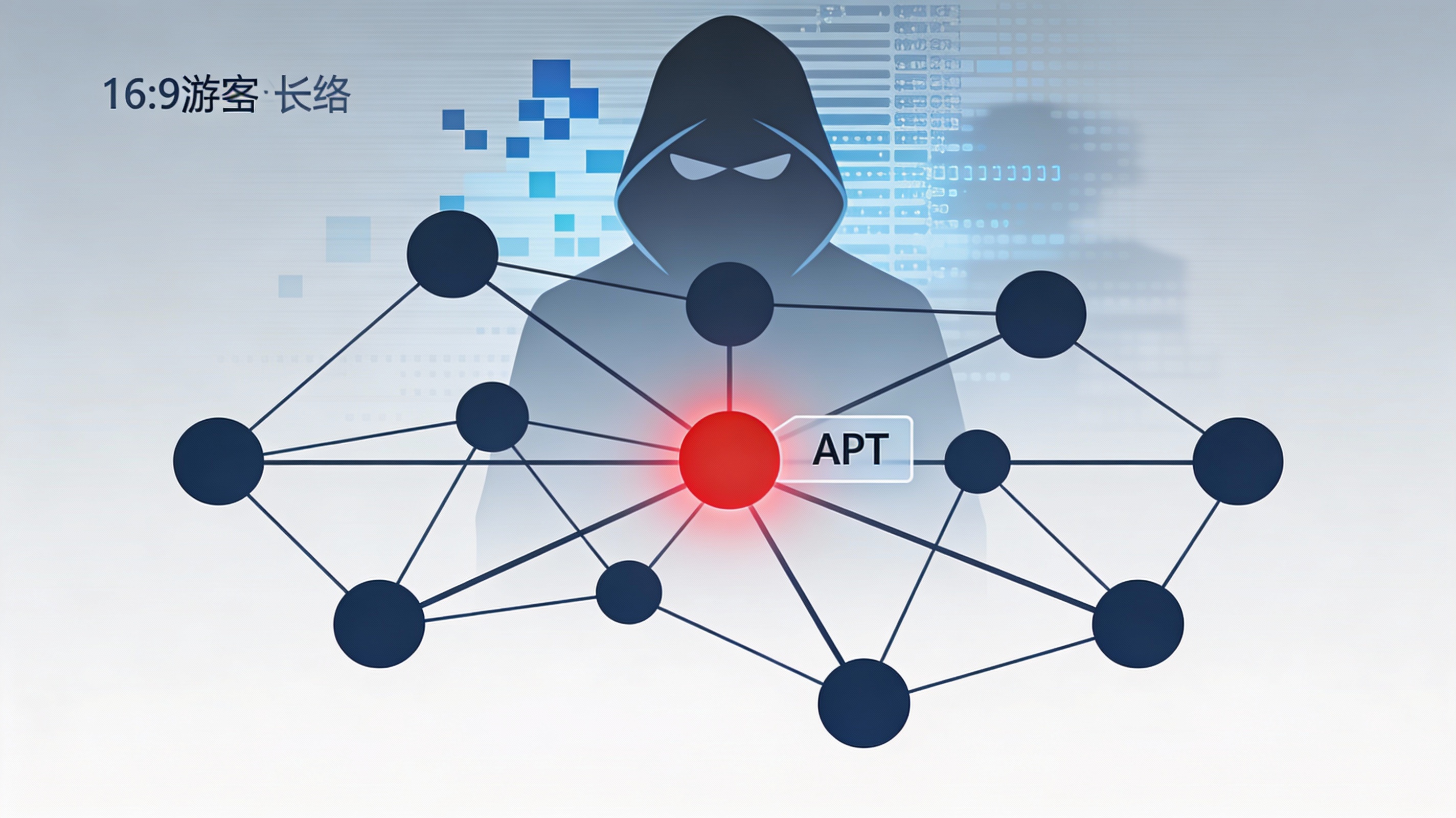
An Advanced Persistent Threat, commonly referred to as an APT, is a prolonged and targeted cyberattack in which an attacker gains unauthorized access to a network and remains inside for an extended period. The goal of an APT is not immediate disruption, but long-term surveillance, data theft, and strategic exploitation of systems.
The term itself explains the nature of the threat. “Advanced” refers to the use of sophisticated tools, techniques, and tactics. “Persistent” highlights the attacker’s intention to maintain access over time. “Threat” indicates the serious risk posed to sensitive data, intellectual property, and operational continuity.
Unlike traditional malware attacks that trigger alarms quickly, advanced persistent threats are carefully engineered to blend in with normal network activity. This stealth makes them particularly dangerous and challenging to eliminate.
Why APT Attacks Are So Dangerous

APT attacks are considered one of the most severe cybersecurity threats because of their long-term impact. Once attackers gain access, they can observe systems, study user behavior, and identify high-value assets without raising suspicion.
Some of the major dangers of an APT attack include long-term data theft, exposure of confidential business information, intellectual property loss, reputational damage, and financial harm. Because these attacks often remain undetected for months or even years, the damage is usually discovered only after significant losses have already occurred.
Another reason advanced persistent threats are dangerous is that they are often well-funded and well-coordinated. Attackers may include organized cybercriminal groups or state-sponsored actors with access to advanced resources
Prime Targets of Advanced Persistent Threats

Due to the time, effort, and expertise required, APT attacks are typically directed at high-value targets. These often include government institutions, defense organizations, financial institutions, healthcare providers, research facilities, and large corporations.
However, smaller businesses are not immune. In many cases, attackers use small and mid-sized organizations as stepping stones to reach larger targets. These supply-chain attacks exploit weaker security defenses to gain indirect access to more valuable networks.
Any organization that handles sensitive data, proprietary research, or critical infrastructure can be a potential target of advanced persistent threats.
Key Characteristics of an APT
Advanced persistent threats have several defining characteristics that set them apart from other cyberattacks.
They are stealthy and designed to evade detection tools such as antivirus software and firewalls. They involve continuous access rather than a one-time breach. They focus on specific targets instead of random victims. Most importantly, they are goal-oriented, with attackers seeking valuable data rather than immediate disruption.
These characteristics make an APT attack more strategic and harder to stop using traditional security measures alone.
The Stages of an Advanced Persistent Threat Attack
An APT attack typically unfolds over multiple stages, each carefully planned to avoid detection and maximize access.
Gaining Initial Access
The first stage of an APT involves breaching the target environment. Attackers often use phishing emails, malicious attachments, compromised websites, or unpatched software vulnerabilities to gain entry. Social engineering plays a major role at this stage, as employees may unknowingly open the door to attackers.
Establishing a Foothold
Once inside, attackers install malicious tools that allow them to maintain access. This may involve creating backdoors, deploying hidden scripts, or modifying system processes. These footholds ensure that attackers can re-enter the system even if some threats are removed.
Deepening Access
In this stage, attackers attempt to escalate their privileges. By stealing credentials or exploiting system weaknesses, they gain higher-level access, often reaching administrator or system-level permissions. This gives them greater control over the environme
Also Read: What is Cryptojacking and How Does It Work? A Complete Guide
Moving Laterally
After gaining deeper access, attackers explore the internal network. They move laterally between systems, servers, and devices to map the infrastructure and identify valuable data repositories. This phase allows attackers to expand their reach without drawing attention.
Monitoring and Remaining Undetected
The final stage focuses on long-term persistence. Attackers quietly monitor operations, collect sensitive data, and exfiltrate information over time. They may leave multiple backdoors to ensure future access even if part of the attack is discovered.
The Human Factor in APT Attacks
Despite advanced technology, many APT attacks succeed because of human error. Employees are often targeted through spear phishing or highly personalized messages that appear legitimate. These messages may request login credentials, prompt software downloads, or encourage unsafe actions.
Attackers rely on trust, urgency, and curiosity to manipulate users. This makes cybersecurity awareness and training a critical defense against advanced persistent threats.
Why APT Attacks Are Hard to Detect
One of the defining features of advanced persistent threats is their ability to evade detection. Traditional security tools are often designed to identify known malware signatures or obvious malicious behavior. APT attackers, however, customize their tools and adapt their behavior to blend in with normal activity.
Because these attacks progress slowly and quietly, unusual activity may appear harmless at first. By the time an APT attack is detected, attackers may already have deep access and multiple hidden entry points.
Impact of Advanced Persistent Threats on Organizations
The consequences of an APT attack can be severe and long-lasting. Organizations may suffer data breaches, loss of trade secrets, regulatory penalties, and damaged customer trust. Recovery often requires extensive forensic investigations, system rebuilding, and long-term monitoring.
For some organizations, the reputational damage alone can outweigh the financial losses. This is why advanced persistent threats are considered a strategic risk rather than just a technical issue.
How Organizations Can Defend Against APT Attacks
Defending against advanced persistent threats requires a layered and proactive approach. No single solution can fully prevent an APT attack, but combining multiple strategies significantly reduces risk.
Organizations should focus on continuous monitoring, regular system updates, strict access controls, and network segmentation. Employee awareness training is equally important to reduce the risk of social engineering attacks.
Threat detection tools, behavior-based monitoring, and incident response planning also play a vital role in identifying and containing an APT before it causes extensive damage.
Why APT Awareness Matters for Every Business
APT attacks are not limited to large enterprises or governments. As attackers increasingly exploit supply chains, businesses of all sizes must understand the risks. Ignoring advanced persistent threats can leave organizations vulnerable to silent and long-term compromises.
Awareness is the first step toward resilience. When organizations understand how APT attacks operate, they are better equipped to detect unusual behavior and respond effectively.
Conclusion
Advanced persistent threats represent one of the most complex and dangerous forms of cyberattacks today. An APT attack is not about speed or visibility, but about patience, stealth, and strategic exploitation. By remaining hidden and persistent, attackers can extract valuable data over long periods without detection.
Understanding what an APT is, how advanced persistent threats operate, and why they are so difficult to detect is essential for modern cybersecurity preparedness. Organizations that invest in awareness, layered defenses, and proactive monitoring are far better positioned to defend against these silent yet devastating attacks.
In an evolving threat landscape, vigilance, education, and adaptability remain the strongest defenses against advanced persistent threats.
FAQs
What is an APT attack in cybersecurity?
An APT attack is a long-term, targeted cyberattack where attackers gain unauthorized access and remain undetected to steal data over time.
How long can advanced persistent threats remain active?
Advanced persistent threats can remain hidden for months or even years, depending on detection capabilities and attacker sophistication.
Are small businesses at risk from APT attacks?
Yes. Small businesses are often targeted as part of supply-chain attacks or because they have weaker security defenses.
What makes APT attacks different from other cyber threats?
APT attacks are stealthy, long-term, and highly targeted, focusing on data theft rather than immediate disruption.
Can advanced persistent threats be completely prevented?
While no system is completely immune, strong security practices, continuous monitoring, and employee awareness can significantly reduce the risk and impact of APT attacks.