Biometric devices have become a core part of modern security and digital identity, from unlocking smartphones to managing national ID systems. These devices identify or verify people based on unique physical or behavioral traits, helping organizations reduce fraud, strengthen access control, and streamline user experiences across many industries.
What Are Biometric Devices?
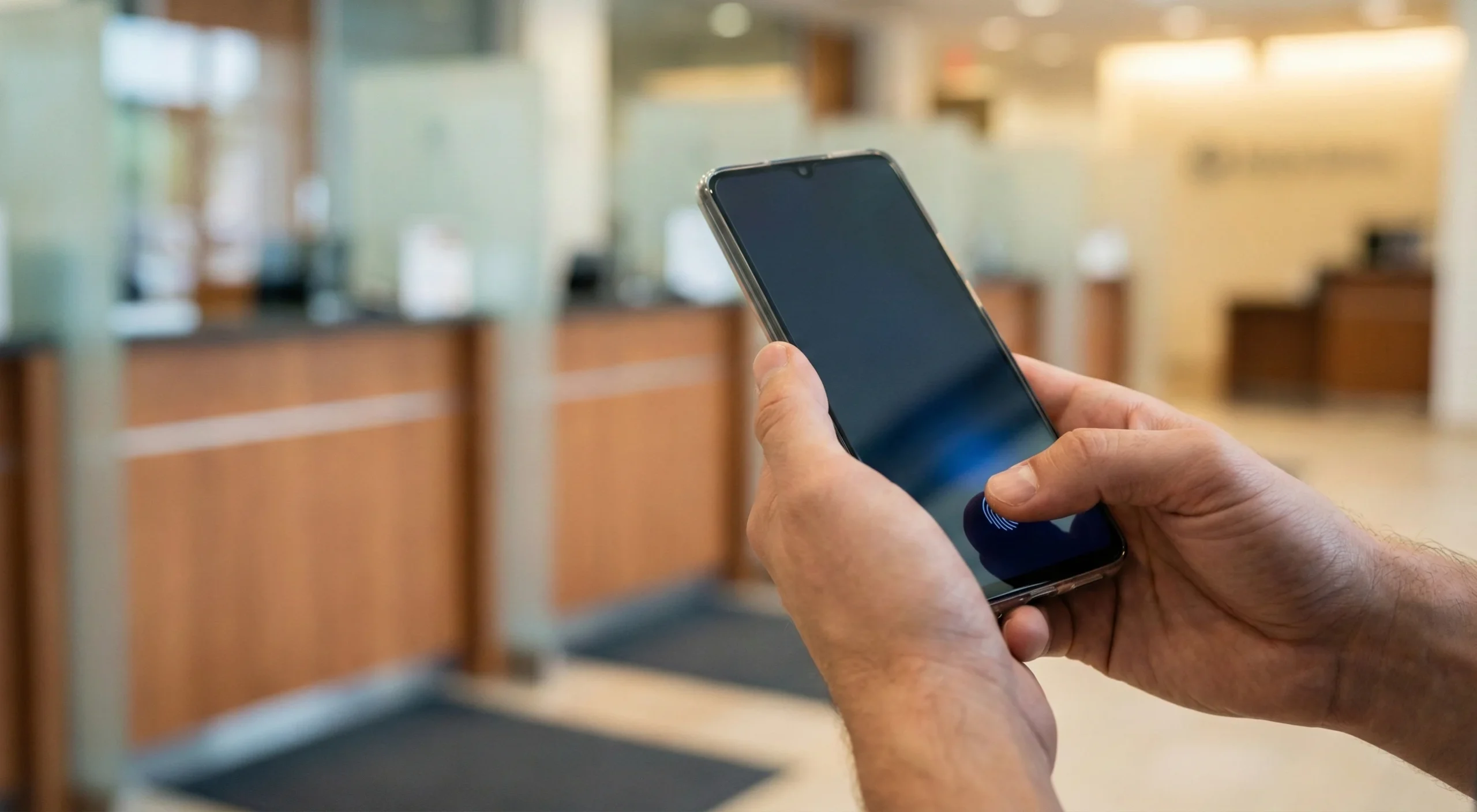
This section explains what biometric devices are and how they work at a high level.
Biometric devices are electronic systems that capture, process, and compare biometric identifiers such as fingerprints, facial features, irises, palm veins, or voice patterns to recognize or verify an individual. They typically include a sensor to capture raw data, processing hardware and algorithms to extract biometric templates, and a matching engine that compares new samples against stored templates for identification or authentication.
Biometric identifiers fall into two broad categories: physiological traits (for example, fingerprint, iris, face, palm vein) and behavioral traits (for example, voice, signature, gait, or keystroke dynamics). Because these traits are difficult to share, steal, or forget compared to passwords or cards, biometric devices offer stronger binding between a person and their claimed identity.
Types of Biometric Devices
This section covers the main categories of biometric devices, focusing on contact, contactless, and hybrid/multi-biometric systems.
Contact Biometric Devices

Contact biometric devices require the user to physically touch a sensor or surface so that the system can capture biometric data. These devices are widely used in attendance systems, banking, government services, and physical access control because they are mature, accurate, and relatively affordable.
- Fingerprint scanners (optical and capacitive technology)
Fingerprint scanners capture the unique ridge patterns on a fingertip and convert them into a digital template for matching. Optical scanners use light and imaging to record the fingerprint pattern, while capacitive scanners measure changes in electrical capacity caused by the ridges and valleys of the skin, improving resistance to simple spoofing. These devices are common in national ID–based authentication, banking eKYC, access control, and attendance terminals in offices and factories.
- Palm print scanners
Palm print scanners capture the surface patterns of the palm, including lines and textures, using imaging sensors similar to those used for fingerprints. Because the palm area is larger than a fingertip, these devices can encode more features, which can improve matching performance in high-security environments.
- Hand geometry scanners
Hand geometry devices measure the shape, size, and relative positions of fingers and the overall hand, often using pegs and cameras to ensure consistent placement for each scan. They are commonly used for time and attendance tracking and physical access control at workplaces where fast, reasonably secure verification is needed rather than forensic-level identification.
Contactless Biometric Devices
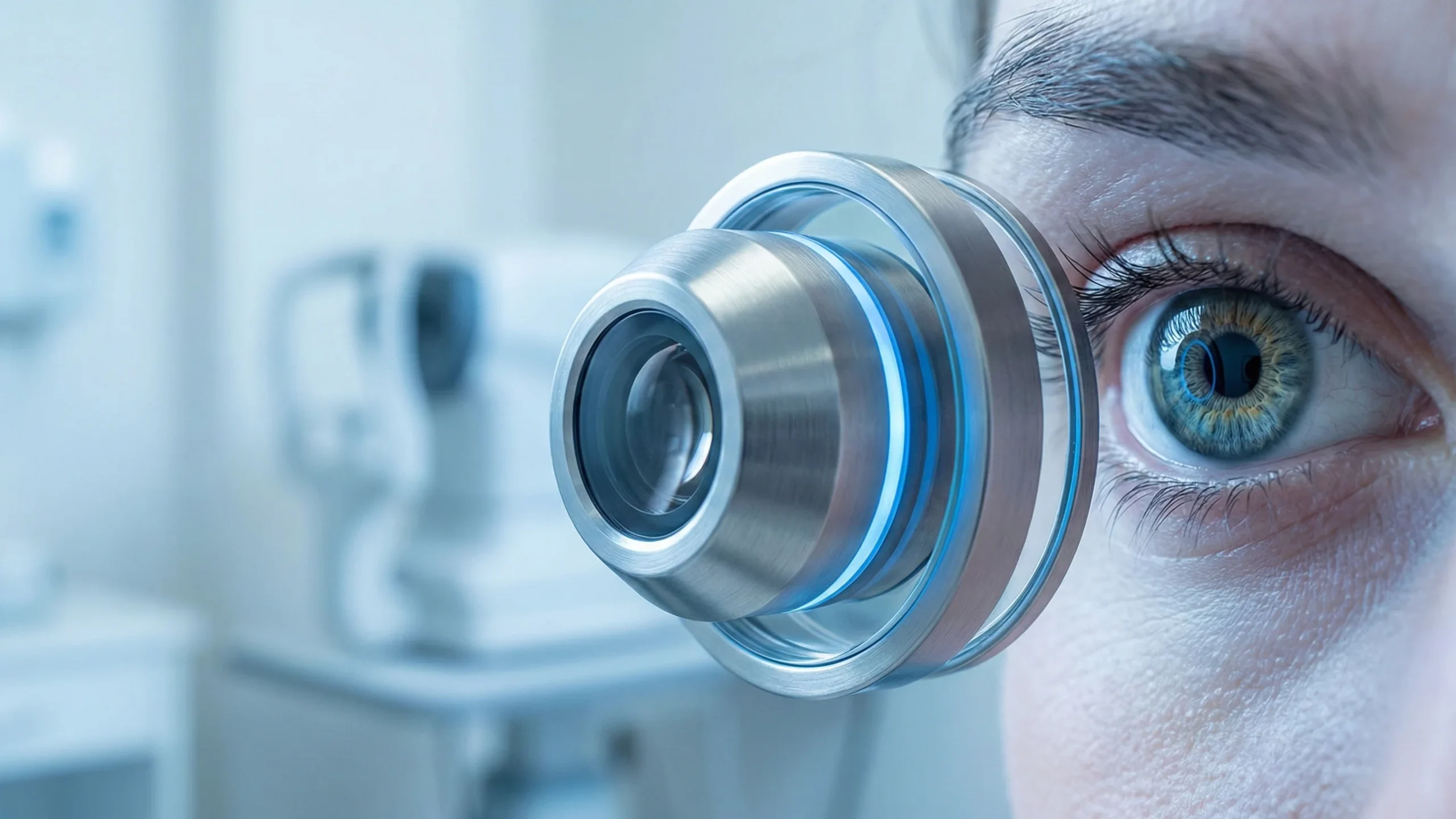
Contactless biometric devices capture biometric data without requiring physical touch, improving hygiene, convenience, and throughput in high-traffic environments. These systems became especially attractive during and after the COVID-19 pandemic because they reduce shared surface contact while still enabling strong identity checks.
- Facial recognition terminals (HDR and IR cameras)
Facial recognition terminals use visible and often infrared (IR) or high dynamic range (HDR) cameras to capture facial images, extract key landmarks (such as the distance between eyes or shape of facial contours), and compare them to stored templates. Such terminals are widely deployed for access control in offices, airports, and smart buildings, and can be combined with mask detection or temperature screening features when needed.
- Iris scanners and iris recognition technology
Iris scanners use near-infrared light to capture detailed patterns in the colored part of the eye, which are highly stable over a person’s lifetime and unique for each individual. Iris recognition is used in high-security applications, including national ID programs, border control, banking authentication in some countries, and secure facility access.
- Palm vein scanners
Palm vein scanners illuminate the palm with near-infrared light to capture the internal vein pattern, which appears as a unique structure due to hemoglobin’s absorption characteristics. Because the vein pattern is inside the body, palm vein devices are considered difficult to forge and are used in healthcare, banking, and high-security access control where both hygiene and anti-spoofing are critical.
- Retina scanners (overview and current market status)
Retina scanners analyze blood vessel patterns at the back of the eye using low-intensity infrared light, offering a very distinctive biometric signature. However, this technology is less widely commercialized for everyday biometric authentication due to higher cost, user discomfort, and the success of more practical alternatives like iris and face recognition.
Hybrid/Multi-biometric Devices
Hybrid or multi-biometric devices combine two or more biometric modalities in a single system to strengthen security and improve recognition accuracy. Examples include terminals that pair facial recognition with fingerprints, or systems that use iris plus fingerprints for high-assurance enrollment and verification in national ID or border control programs.
- Devices using two or more biometric modalities
Multi-biometric devices can capture multiple traits either sequentially (for example, face first, then fingerprint) or simultaneously, then fuse the information at the sensor, feature, or decision level. Such devices are used in law enforcement, border security, and large-scale civil identification systems where reliability, resistance to spoofing, and population coverage are crucial.
- Benefits of hybrid devices (security, accuracy, robustness)
By requiring multiple independent traits, multi-biometric devices make it significantly harder for attackers to spoof or bypass authentication, since they would need to compromise more than one biometric factor at the same time. They also reduce the impact of noisy or poor-quality data from any single sensor and help handle cases where a person cannot provide a particular biometric (such as worn fingerprints), improving overall accuracy and robustness.
Applications of Biometric Devices
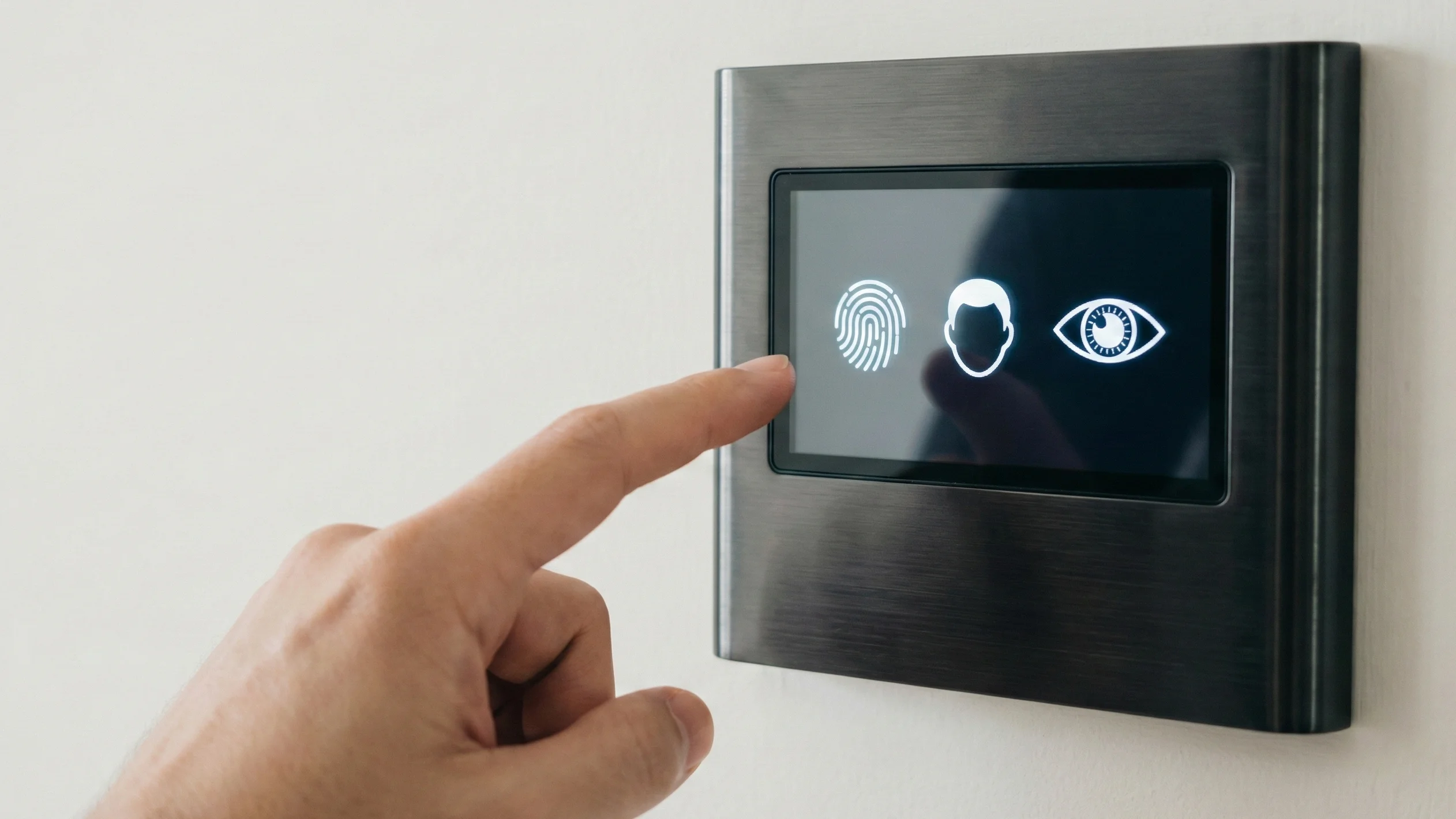
This section describes where biometric devices are used in practice and how they solve real-world problems.
Banking and Financial Services
Biometric devices are now widely deployed in banking and financial services to raise security standards while maintaining user convenience. They support both in-branch operations and remote channels such as mobile banking apps and micro-ATM networks.
- Biometric authentication, such as fingerprint or facial recognition, is used in mobile banking and ATMs to verify customers during login and transaction authorization, reducing the risk of account takeover and payment fraud.
- Payment and benefits systems in some countries rely on fingerprint and sometimes iris-based devices to authenticate beneficiaries for cash withdrawals, balance inquiries, and direct benefit transfers in rural and underserved regions.
Healthcare Sector
In healthcare, biometric devices help link patients to accurate medical records and protect sensitive clinical data. They also support secure staff access to systems and facilities where misuse or error could have serious consequences.
- Fingerprint, face, and iris-based systems are used to confirm patient identity at registration and point of care, reducing duplicate records and identity-related errors in treatment or insurance claims.
- Post-pandemic, contactless biometrics such as facial recognition and iris scanning have gained traction in hospitals and clinics to minimize touch-based workflows while still enforcing strong authentication for staff and patients.
Government and Public Sector
Government and public sector organizations use biometric devices to secure critical services, manage large populations, and combat identity fraud. These deployments often operate at national scale, handling millions of identities across multiple touchpoints.
- National ID and civil registration systems use fingerprints, iris, and sometimes face biometrics to create unique, deduplicated identity records that support services such as subsidies, voting, and social programs.
- Border control and immigration agencies employ biometric e-gates and enrollment stations that capture fingerprints and facial images to verify travelers against watchlists and travel records, improving both security and passenger throughput.
Retail Industry
Retailers increasingly adopt biometric devices to improve both security and the customer experience, particularly in omnichannel environments. These systems help connect in-store behavior with digital profiles and secure transactions.
- Facial recognition can be used in stores to recognize returning or loyalty customers, enabling personalized offers, recommendations, or faster service at checkout when implemented within legal and privacy guidelines.
- Biometrics can also support payment authorization and fraud prevention, for example by adding fingerprint or face-based verification to high-value or card-not-present transactions.
Transportation and Travel
The transportation and travel sector relies on biometric devices to streamline identity checks and enhance security at scale. This is especially visible in aviation, where passenger flows and security requirements are both very high.
- Airports deploy facial and fingerprint recognition at check-in, security screening, boarding gates, and automated border control to confirm traveler identities and speed up processing.
- Transport operators and logistics companies use biometrics to verify drivers and staff, monitor access to restricted areas, and track time and attendance for compliance and safety.
Also Check: What is Identity Proofing? A Complete Guide to Fighting Identity Fraud
Benefits of Using Biometric Devices
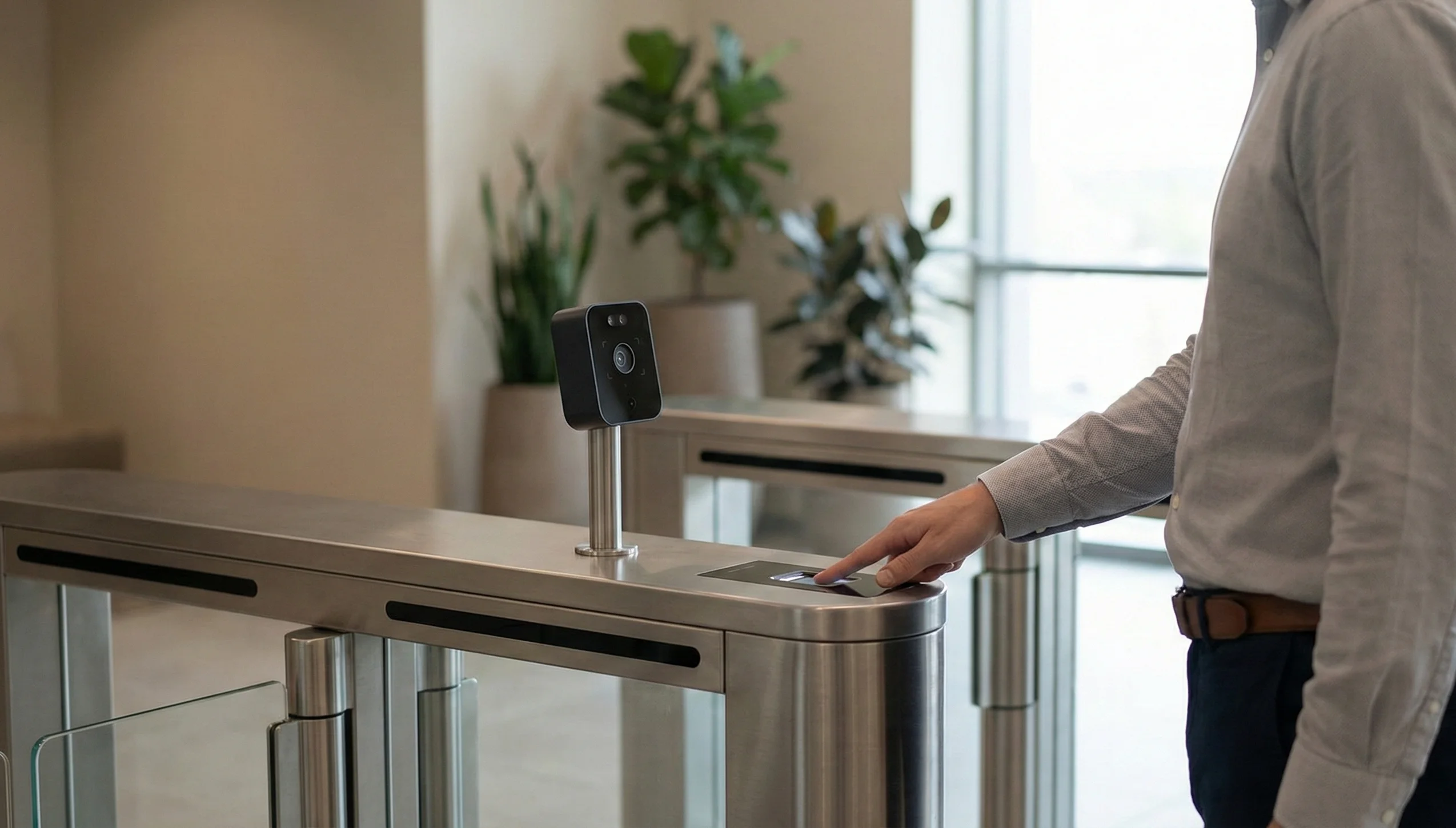
This section summarizes why organizations invest in biometric devices across different use cases.
1. Enhanced security and fraud reduction
Biometric devices strengthen security by tying access directly to a person’s unique traits, reducing the effectiveness of stolen passwords, cards, or PIN-based attacks. This leads to fewer successful identity theft incidents, unauthorized transactions, and account takeovers in sectors such as banking, healthcare, and government services.
2. Convenience and speed of authentication
Once enrolled, users can authenticate quickly with a fingerprint touch, face scan, or iris glance, which is often faster and easier than typing complex passwords or presenting multiple documents. This improves user experience, reduces friction in digital journeys, and can shorten queues in environments like airports, branches, and service centers.
3. Hygiene and contactless options increasing post-COVID
Contactless modalities such as face, iris, and palm vein recognition allow organizations to maintain strong identity checks while minimizing shared surfaces, which became a priority during and after the COVID-19 pandemic. This is particularly valuable in healthcare, transportation, and high-traffic public spaces where infection risk and operational continuity are critical concerns.
4. Increasing affordability and ease of use
Advances in sensors, mobile hardware, and cloud-based biometric platforms have reduced costs and made biometric solutions more accessible even to mid-sized organizations. User interfaces have also improved, allowing non-expert operators to enroll and verify individuals reliably with minimal training.
Challenges and Considerations
Despite their advantages, biometric devices introduce important challenges that organizations must manage carefully.
1. Privacy concerns and data protection
Biometric data is highly sensitive because it is intrinsic to a person and cannot be easily changed if compromised, so regulations in many regions treat it as special-category data requiring strong safeguards. Organizations must implement encryption, access controls, clear consent mechanisms, and retention policies to comply with privacy laws and maintain user trust.
2. Accuracy and avoidance of false positives/negatives
No biometric system is perfect; environmental conditions, sensor quality, and user characteristics can lead to false rejections or, less commonly, false acceptances. Proper system design, quality enrollment, periodic calibration, and, where needed, multi-biometric approaches are essential to keep error rates within acceptable limits for each application.
3. Costs and deployment complexity
Large-scale biometric deployments can involve significant upfront investment in hardware, software, integration, and infrastructure, especially when multiple sites and modalities are involved. Organizations must also budget for ongoing maintenance, updates, and staff training to keep systems secure and effective over time.
Conclusion
Biometric devices now play a central role in how people prove who they are, from daily consumer interactions to critical national infrastructure. By understanding their definitions, types, real-world applications, benefits, and challenges, organizations can make informed decisions about when and how to deploy biometric technologies to balance security, convenience, privacy, and cost.